 EN
EN



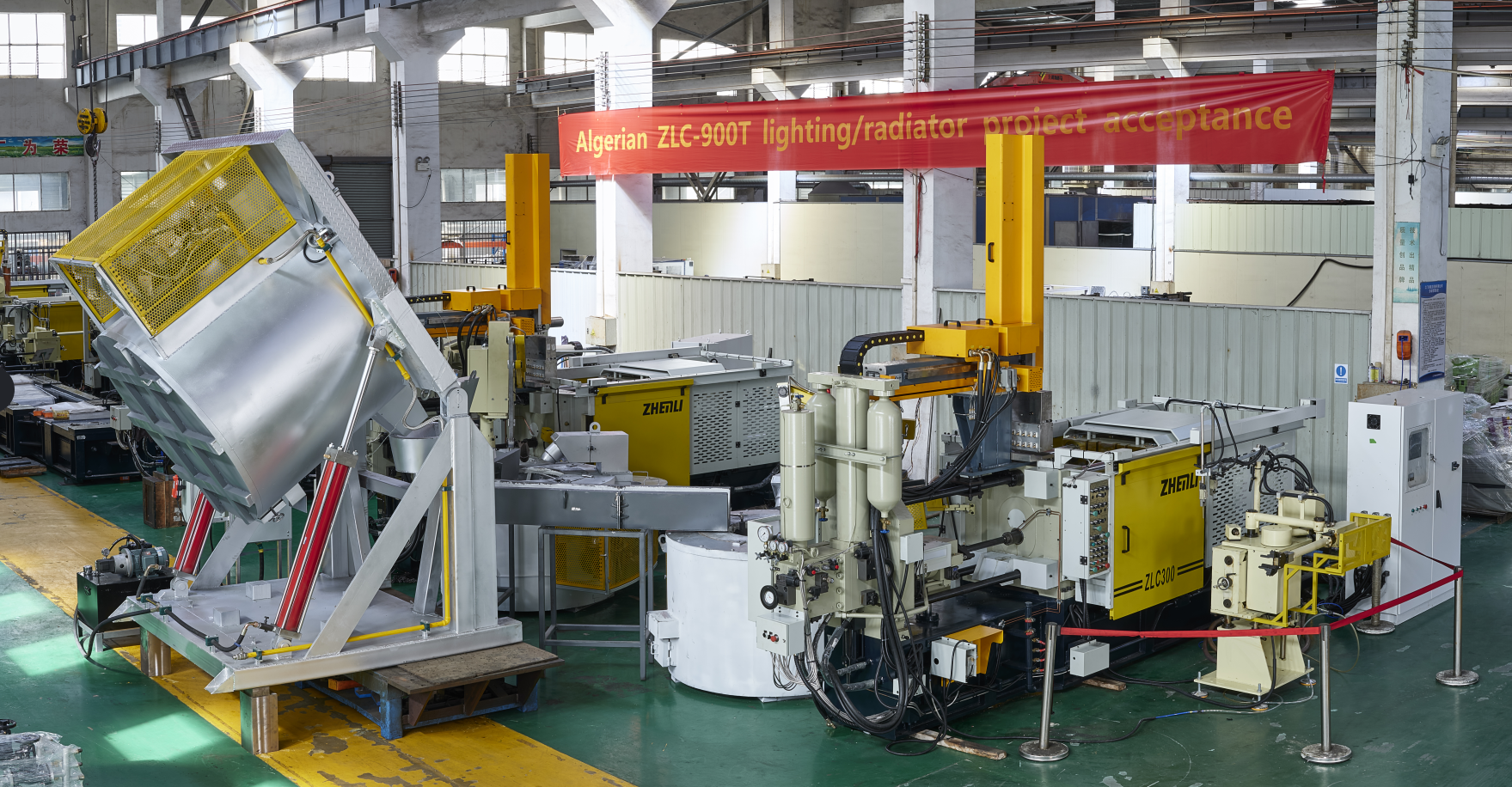
Cold Chamber Die Casting Machine Performance at Scale
Cycle Time, Uptime, and Throughput Consistency in High-Volume Runs
Cold chamber die casting machines still manage good production rates even though their cycles take longer than hot chamber systems. The process requires pouring molten metal manually which eats up some extra time each cycle, but nowadays most shops have automated systems running alongside the main operations while also improving how fast things cool down. Big name automotive parts manufacturers report getting around 92 to 95 percent machine availability when they install smart maintenance alerts and temperature sensors that keep an eye on heat buildup throughout those non-stop 24 hour shifts. With these setups, plants typically hit between 500 and 800 castings every hour for aluminum work, which is plenty enough to cover yearly demands well over quarter million pieces without breaking a sweat.
Scrap Rate Control and Process Stability Across 100k+ Annual Units
Achieving sub-2% scrap rates at scale demands precise control over three key parameters:
- Metal temperature consistency (±5°C tolerance)
- Injection pressure stability (monitored via IoT sensors)
- Die lubrication uniformity (automated spray systems)
The International Die Casting Association reports that issues in these specific areas actually cause around 73% of all defects when running large batches. Implementing closed loop feedback systems makes a real difference too they can slash porosity problems by about 40%, and companies have seen their rework expenses drop by roughly seven hundred forty thousand dollars each year according to Ponemon's findings from last year. When looking at operations producing over 100k parts per year, cutting defects even just 1% translates into savings of nearly 2.8 million dollars on materials alone for standard car parts. These numbers highlight why stable processes matter so much both financially and operationally across manufacturing facilities.
Alloy Compatibility and Scalability: Aluminum Dominance and Beyond
Why Aluminum Mass Production Relies on the Cold Chamber Die Casting Machine
Aluminum is king when it comes to high volume die casting work, making up well over 80% of all mass produced parts according to Industry Report 2023. This dominance makes sense because aluminum works so well with cold chamber systems. The way these machines work keeps the molten metal separate from the injection parts, which stops corrosion problems since aluminum melts at around 660 degrees Celsius. Good heat management is another plus, helping maintain consistent dimensions even during those long production runs. Automotive factories can crank out hundreds of parts every hour this way, sometimes hitting over 500 pieces an hour while keeping measurements within about half a tenth of a millimeter tolerance. That kind of precision matters a lot for car manufacturing where everything needs to fit together just right.
Copper and Magnesium: Technical Limits and Mitigation Strategies for Scale
Scaling copper or magnesium alloys presents distinct challenges:
- Copper: Its high melting point (1084°C) accelerates tooling erosion. Solutions include ceramic-coated dies and reduced cycle speeds to extend tool life.
- Magnesium: Flammability risks necessitate inert argon shrouding, increasing unit costs by 15–20%.
Innovations such as alloy hybridization (e.g., aluminum-magnesium blends) and AI-driven thermal control improve scalability, but aluminum remains the optimal choice for production volumes exceeding 100,000 units annually.
Cold Chamber vs. Hot Chamber: A Scalability-Centric Comparison
When deciding between cold and hot chamber die casting methods, manufacturers need to consider several key aspects including what materials work best, how fast they can produce parts, and whether it makes financial sense for large scale manufacturing runs. Hot chamber systems are really fast, sometimes completing a cycle in less than a second, which works great for things like zinc that melt at lower temperatures. However these systems aren't so good with metals like aluminum or copper because of their built-in furnaces. And let's face it, most industrial applications still rely heavily on those two metals. Cold chamber machines take a different approach by separating the melting process from casting itself. This makes them better suited for handling metals that require higher temperatures during processing. Because of this capability, cold chamber systems have become the go to solution for important structural parts needed in electric vehicle batteries and various automotive frame components where strength matters most.
While robotic metal transfer in cold chamber systems increases cycle times by 15–20%, this is offset by superior tooling durability—up to 30% longer in durability trials—and lower per-unit maintenance costs at volumes above 100,000 units annually.
| Scalability Factor | Cold Chamber Advantage | Hot Chamber Limitation |
|---|---|---|
| Material Flexibility | Supports aluminum, copper, and magnesium alloys (melting points 600–1000°C+) | Limited to zinc and tin alloys (melting points <450°C) |
| Tooling Longevity | Reduced thermal fatigue allows 100k+ cycles without degradation | Furnace exposure accelerates wear; average tool replacement at 60k cycles |
| High-Volume Cost Profile | Lower operational costs above 250k units (energy + maintenance) | Higher risk of metal contamination disrupts volume consistency |
For aluminum-intensive mass production—where material integrity and dimensional precision are critical—the cold chamber die casting machine is essential. Its integration with robotics and automation sustains throughput beyond 500,000 units per year.
Proven Mass Production Deployment: Automotive Chassis Case Study
From Pilot Line to 500k Units/Year: Validation, Automation Integration, and Bottleneck Resolution
Scaling cold chamber die casting for automotive chassis components requires phased validation: prototype testing, pilot batches (5k–10k units), and full-volume ramp-up. A European manufacturer successfully reached 500,000 annual units by resolving key bottlenecks:
- Thermal management: Redesigned cooling channels reduced cycle time by 18%
- Automation: Robotic extraction paired with inline X-ray inspection cut handling errors by 40%
- Alloy consistency: Real-time molten metal analysis maintained density within ±0.5%
Post-deployment results showed 92% uptime and scrap rates below 1.2%, exceeding industry standards for structural components. This case demonstrates the cold chamber die casting machine’s capability for high-reliability, high-volume production when supported by advanced process controls and automation.