 EN
EN



Understanding Aluminum Injection Machines: Die Casting vs. Metal Injection Molding (Al-MIM)
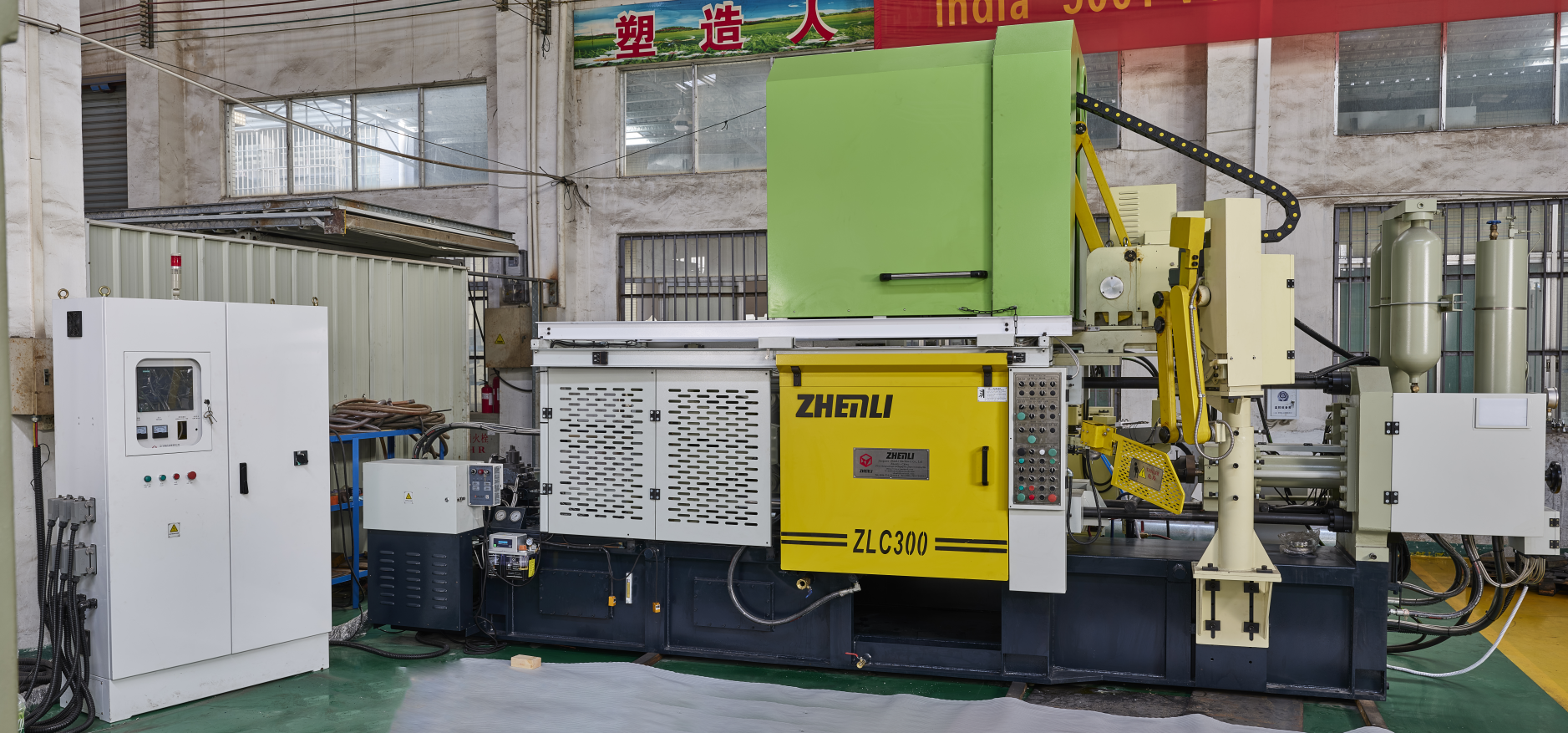
Cold Chamber Die Casting Machines Dominate High-Volume Aluminum Alloy Production
The cold chamber die casting machine has become pretty much standard equipment when it comes to mass producing aluminum components. These machines work great with molten aluminum which melts around 660 degrees Celsius, operating at pressures between 70 and 150 megapascals. They can churn out parts every 15 to 30 seconds, creating intricate shapes with thin walls that maintain tolerances within about 0.25 millimeters while keeping porosity to a minimum. Car manufacturers and aerospace companies depend heavily on this technique for making structural pieces such as engine blocks. After all, these parts need to hold their shape and withstand serious stress, with some A380 alloy components reaching tensile strengths of up to 320 MPa. What sets cold chambers apart from hot chamber systems is their ability to prevent contamination issues during those intense heating processes, which makes them essential when working with reactive metals that would otherwise cause problems in other setups.
Al-MIM Equipment Requirements Are Niche—Limited by Feedstock and Sintering Constraints
Aluminum Metal Injection Molding, or Al-MIM for short, stays mostly in niche markets because of pretty strict material requirements and heat management issues. The process needs specially made feedstock which combines aluminum powder with various polymer binders, and this alone eats up around half of what it costs to produce parts. When it comes time to sinter these materials, they have to be placed inside argon controlled furnaces to stop them from oxidizing during heating. Getting those parts right at about 90 to 95 percent of their theoretical density is tricky business though, and this tight specification means most parts can't exceed 100 millimeters in size. Because of all these challenges, Al-MIM finds itself primarily used for expensive but small batch items like precision surgical tools and tiny fluid control components found in medical devices. Looking at the bigger picture, machines specifically designed for Al-MIM account for less than five percent of all metal injection molding equipment out there, and typically only show up in research facilities or among specialized manufacturing contractors who deal with unique customer demands.
Why Conventional Thermoplastic Injection Machines Cannot Process Aluminum Alloys
Regular thermoplastic injection machines just don't work well with aluminum alloys at all. The problem starts with their operating temperatures, which typically stay under 400 degrees Celsius. That's way below where aluminum actually melts (around 660C and higher), so the metal tends to solidify too quickly and creates all sorts of flow issues during processing. Another big issue is how abrasive aluminum can be. It wears down machine components much faster than regular plastics do, sometimes over ten times quicker according to some shop floor observations. When it comes to pressure requirements, there's another mismatch. Standard plastic machines usually handle pressures between 150-200 MPa, but they simply aren't built for the kind of precise temperature control or durable construction needed for working with molten aluminum. Aluminum requires much steadier pressure levels around 70-150 MPa while maintaining strict control over viscosity changes. Specialized aluminum injection systems tackle these challenges head on with features like refractory lined barrels, ceramic coated screws, and advanced thermal management systems integrated right into the furnace mold setup something standard plastic machines just don't have.
Matching Aluminum Alloys to Machine Capabilities for Optimal Component Performance
Mechanical Properties of Common Die-Cast Alloys (A380, ADC12, AlSi10Mg) Dictate Process Selection
The way different aluminum alloys behave mechanically determines which injection machine tech works best for each application. Take A380 alloy for example it flows really well and resists corrosion, so it's great for those high pressure die cast parts used in car brackets and housing components across the automotive sector. Then there's ADC12, similar to A383, that gives better strength for things like industrial enclosures. But manufacturers need to be careful with shot control here because if they aren't precise enough, porosity becomes a problem. AlSi10Mg is another story entirely. This one shows up a lot in aerospace applications where strength matters most. To get the most out of it, factories have to use cold chamber machines with higher holding pressures and longer cooling times just to reach that impressive tensile strength number around 330 MPa. Understanding these differences between alloys isn't just academic knowledge it actually shapes how production lines are set up and what kind of equipment gets invested in.
- High-silicon alloys (e.g., A413) enable sub-1 mm wall thicknesses but require faster injection speeds to maintain fill integrity
- Magnesium-enhanced variants (e.g., A360) necessitate oxygen-exclusion protocols during melting to prevent oxide film formation
- Copper-containing alloys (e.g., A390) demand rapid, uniform mold cooling to suppress hot cracking
Selecting the right alloy-machine pairing ensures mechanical consistency, minimizes scrap, and aligns with end-use performance requirements.
Thermal Conductivity and Melting Range Impose Strict Temperature Control in Injection Stages
The thermal properties of aluminum present real challenges for manufacturers. With its conductivity around 120 to 180 W/mK and a melting range between roughly 660 and 760 degrees Celsius, maintaining temperature control becomes absolutely critical during every stage of injection. The furnaces need to stay stable within plus or minus 5 degrees Celsius to avoid problems like early solidification or too much dross forming on the surface. When it comes to mold preparation, heating them up to somewhere between 150 and 200 degrees helps reduce thermal shock and ensures even solidification throughout the part. This is particularly important when making components for things like 5G antennas where dimensional accuracy matters a lot these days. Most specs call for tolerances as tight as 0.1 millimeters. Because of all these factors, modern die casting equipment has to handle three completely different thermal conditions during operation.
- Filling: 40—100 MPa pressure sustains metal velocity and prevents cold shuts
- Solidification: Gradual, symmetric cooling reduces residual stress and distortion
- Ejection: Controlled mold opening and part release timing preserve dimensional fidelity
Integrated thermal monitoring and adaptive heating/cooling circuits—now standard on modern cold-chamber platforms—enable this level of control.
Key Process Parameters in Aluminum Injection: Pressure, Speed, and Temperature Control
Injection Pressure (70—150 MPa) and Shot Speed Optimization Prevent Porosity and Cold Shuts
In aluminum die casting, injection pressure and shot speed work together to reduce defects during production. If the pressure drops below 70 MPa, there's a good chance the mold won't fill completely, leading to cold shuts where metal flows meet but don't properly merge. Shot speeds under 30 meters per second tend to trap air bubbles inside the casting, which creates tiny pockets of weakness that can shorten component lifespan and cause leaks over time. On the flip side, pushing too hard with pressures above 150 MPa causes problems too flash forms around the edges, dies wear out faster, and delicate parts might get damaged. Most shops find sweet spots somewhere between 40 and 60 m/s for their aluminum alloys. This range allows molten metal to flow smoothly through the mold while giving trapped gases a chance to escape. Getting these settings right makes all the difference in producing parts that hold up well structurally and perform reliably in service conditions. Experienced technicians know that small adjustments here can mean the difference between quality products and costly rework.
Mold Design and Tooling Considerations for Precision Aluminum Alloy Components
Tool Steel vs. Aluminum-Based Mold Inserts: Trade-offs in Thermal Management and Lifespan
Choosing the right mold material really comes down to finding that sweet spot between how well it handles heat and how long it lasts under pressure. Take tool steel inserts like H13 for instance they can handle way over 100 thousand cycles in those big production runs because they're super hard (over 48 HRC) and resist wearing down pretty well. But here's the catch their thermal conductivity is only around 25 W/mK which means parts might cool unevenly causing all sorts of problems with residual stress especially noticeable in those thin walled components or anything with an odd shape. Aluminum based inserts such as QC-10 or Alumold tell a different story though. These bad boys conduct heat more than eight times faster than steel at rates above 200 W/mK allowing for much more even solidification and better dimensional accuracy across the board. The downside? They wear out fast particularly when dealing with abrasive materials like A380 alloy which has lots of silicon in it. Most shops find these aluminum molds only last about 2 thousand shots before needing replacement. That makes them great for prototypes, small test batches, or any situation where getting consistent temperatures matters more than how many parts we can make before replacing the mold. For serious mass production runs though, tool steel still reigns supreme especially when manufacturers incorporate things like conformal cooling channels and install real time monitoring systems to keep track of mold temperatures during operation.
Table of Contents
- Understanding Aluminum Injection Machines: Die Casting vs. Metal Injection Molding (Al-MIM)
- Matching Aluminum Alloys to Machine Capabilities for Optimal Component Performance
- Key Process Parameters in Aluminum Injection: Pressure, Speed, and Temperature Control
- Mold Design and Tooling Considerations for Precision Aluminum Alloy Components