 EN
EN



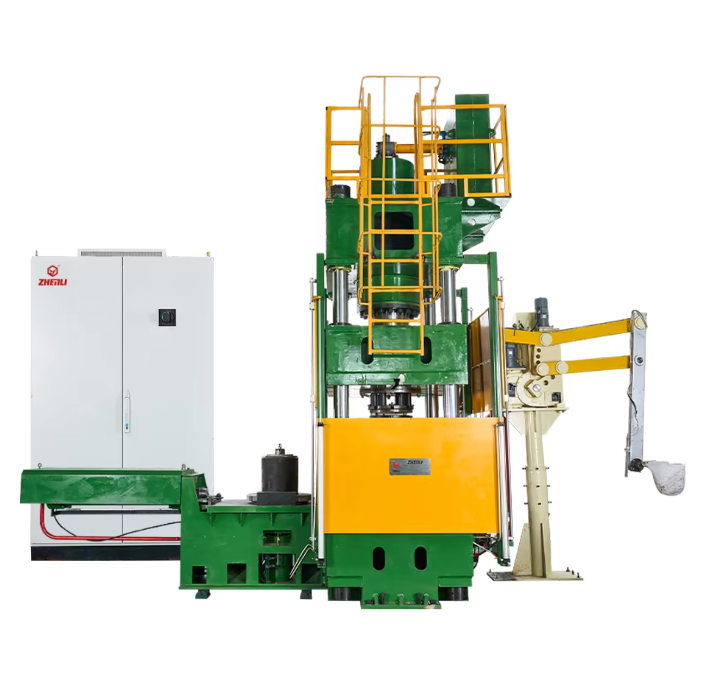
Importance of Regular Maintenance for Aluminum Die Casting Machines
Extending Equipment Lifespan Through Consistent Maintenance of Aluminum Die Casting Machines
Proactive maintenance extends aluminum die casting machine service life by 40–60%, according to 2023 manufacturing reliability studies. Scheduled lubrication of injection systems, alignment checks of clamping units, and thermal monitoring of die surfaces prevent premature wear. Plants implementing biweekly inspections reduce bearing replacement frequency by 32% compared to reactive approaches.
How Neglected Maintenance Impacts Production Efficiency and Output Quality
When fluid leaks go unchecked in hydraulic systems, they can really mess with casting pressure over time something like losing around 18 psi each month, which definitely affects how accurate the dimensions end up being. Looking at data from 47 different factories back in 2023 tells us quite a story about maintenance neglect. The numbers show that machines not properly maintained ended up creating roughly 23% more faulty components because of all sorts of problems like uneven ejection forces and core alignment issues. And it gets worse for surface finishes too. Once those regular maintenance checks start getting skipped, we see surface roughness problems creep in at about 0.4 mm or worse, increasing by nearly 20% across the board.
Financial Cost of Unplanned Downtime in Aluminum Die Casting Operations
According to research from the Ponemon Institute back in 2023, when machines go down unexpectedly it typically costs around seven thousand four hundred dollars every single hour for lost production plus all those emergency fixes. Equipment that doesn't get regular maintenance tends to break down about five times more often compared to what happens when companies actually stick to their scheduled maintenance plans. And interestingly enough, factories that have invested in these predictive maintenance systems see roughly thirty five percent fewer repair expenses each year because they catch problems before they become major headaches, things like worn out hydraulic seals or damaged plunger tips that would otherwise cause bigger issues later on.
| Maintenance Parameter | Optimized Frequency | Impact Reduction |
|---|---|---|
| Hydraulic Fluid Change | 800–1,000 Cycles | 28% Valve Failures |
| Plunger Lubrication | Every 250 Shots | 41% Scoring Defects |
| Clamping Force Calibration | Weekly | 33% Mold Alignment Errors |
Data compiled from 2024 International Die Casting Maintenance Benchmarks
Mold Maintenance: Preserving Precision and Performance
Identifying Common Wear Patterns in Aluminum Die Casting Molds
Aluminum die casting molds develop distinct wear patterns requiring systematic identification. The most prevalent issues include:
| Wear Pattern | Primary Causes | Early Warning Signs |
|---|---|---|
| Erosion wear | High-velocity aluminum flow | Dull surface finish on cast parts |
| Thermal fatigue cracks | Repeated heating/cooling cycles | Hairline fractures near gates |
| Corner deformation | Uneven thermal expansion | Dimensional deviations >0.2mm |
A 2022 International Journal of Metalcasting study found 73% of premature mold failures stem from undiagnosed thermal fatigue.
Best Practices for Cleaning, Inspecting, and Storing Molds
Implement a three-stage maintenance protocol after every 5,000 casting cycles:
- Degreasing using low-pH solutions to remove aluminum adhesion
- Dimensional verification with laser scanning (tolerances ±0.05mm)
- Climate-controlled storage at 18–22°C with 40–60% humidity
Neglected molds show 22% faster wear rates according to NADCA guidelines.
Repair Techniques for Thermal Fatigue Cracks and Surface Erosion
Advanced repair methods combine traditional and modern approaches:
- TIG welding for cracks <2mm depth (85% success rate in NADCA trials)
- HVOF (High-Velocity Oxygen Fuel) coating rebuilds eroded surfaces
- Cryogenic stress relief reduces recast layer micro-fractures by 40%
Proactive mold maintenance reduces per-part tooling costs by $0.18–$0.35 based on production volume (Die Casting Engineer, 2023).
Cooling System Maintenance for Stable Thermal Management
Ensuring Consistent Die Temperature With Effective Cooling System Upkeep
When temperatures swing more than 8 degrees Celsius, parts tend to lose about 23% accuracy in their dimensions, as noted in the latest NADCA guidelines from 2023. To keep things running smoothly, most shops check how well their heat exchangers are working every week and run thermal imaging tests once a quarter. This helps ensure surfaces stay around 5 degrees either side of what's considered ideal. Maintenance crews usually grab a moment between shifts to give those air intake filters a good cleaning and double check the temperature sensors too. Small bits of neglect can slowly eat away at system efficiency over time if left unchecked.
Preventing Blockages and Scaling in Water Channels of Aluminum Die Casting Machines
According to Frost & Sullivan data from 2022, when mineral buildup gets past that 1.5mm mark, heat transfer efficiency drops around 40%. That's why many facilities schedule monthly reverse flushes with pH neutral cleaners these days. But first things first – checking water hardness levels makes sense before any cleaning process starts. The best maintained operations have adopted ultrasonic flow monitors paired with automatic shut off valves. These systems can spot when flow drops more than 15% below normal levels, which helps catch problems early before they cause bigger headaches down the line.
Monitoring Coolant Quality, Flow Rate, and System Integrity
Looking at yearly maintenance reports shows about 62 percent of heat related system failures come down to old coolant with too many dissolved solids floating around in it (over 500 parts per million). Weekly checks using refractometers are a good idea to keep track of the concentration levels we want between 35 and 45 percent glycol mix. Fluids in the reservoir should be swapped out roughly every 1800 hours of operation time. Don't forget to check those seals and gaskets for pressure loss when doing routine maintenance each quarter. Small pinhole leaks in the cooling manifold can actually waste over six hundred gallons a month, which adds up fast if not caught early.
Lubrication Strategies to Protect Critical Machine Components
Proper lubrication of clamping and injection units in aluminum die casting machines
Effective lubrication reduces friction by 40–60% in high-stress components like clamping mechanisms and injection plungers. Over 80% of bearing failures stem from improper lubrication practices. Establish these protocols:
- Hydraulic Clamps: Apply anti-wear grease quarterly to guide rails and toggle joints
- Injection Pistons: Use high-pressure oil every 500 cycles on rod surfaces
- Ejector Systems: Implement automated lubrication for hard-to-reach pins
Neglecting these steps accelerates wear rates by 3– compared to structured programs.
Selecting high-temperature, aluminum-compatible lubricants
Die casting lubricants must withstand sustained temperatures of 300–500°F (149–260°C) while preventing chemical reactions with molten aluminum. Top-performing formulations meet these benchmarks:
| Property | Minimum Requirement | Ideal Specification |
|---|---|---|
| Thermal Stability | 550°F (288°C) | 600°F (316°C) |
| Viscosity Index | 180 | 220+ |
| Aluminum Adhesion | ISO 2000 | ISO 3500+ |
Silicone-free synthetics outperform mineral oils, reducing die residue buildup by 70% in field tests.
Avoiding over-lubrication and under-lubrication pitfalls
A 2023 analysis of 87 facilities found 62% used 30–50% more lubricant than recommended, contaminating 12% of castings monthly. Balance these thresholds:
- Over-Lubrication Risks: Oil migration into cooling channels, hydraulic fluid contamination
- Under-Lubrication Risks: Galling in ejector systems, premature bushing failures
Use ultrasonic thickness gauges and infrared thermography to maintain optimal lubricant film thickness of 15–25 microns on critical surfaces.
Comprehensive Maintenance Checklist for Aluminum Die Casting Machines
Daily, Weekly, and Monthly Inspection Routines for Optimal Performance
Structured maintenance intervals prevent 72% of hydraulic failures in aluminum die casting machines according to the 2024 Manufacturing Efficiency Report. A tiered approach maximizes productivity:
| Frequency | Key Tasks | Impact Metric |
|---|---|---|
| Daily | Lubrication checks, mold alignment verification | Prevents 80% of alignment defects |
| Weekly | Hydraulic pressure tests, coolant pH analysis | Reduces corrosion by 40% |
| Monthly | Safety valve calibration, ejector system overhaul | Maintains ±0.05mm precision |
Key Points: Hydraulic Systems, Electrical Connections, and Safety Controls
Three systems dominate maintenance priorities:
- Hydraulic systems: 68% of unplanned downtime stems from contaminated fluid. Replace filters every 400 cycles
- Electrical connections: Infrared scans during weekly checks detect loose terminals before arc faults occur
- Safety controls: Test emergency stops monthly with <40ms response time threshold
How Structured Checklists Reduce Breakdowns by Up to 35%
Plants using standardized checklists report $740k annual savings in avoided repairs (International Casting Journal, 2023), driven by:
- Early detection of thermal stress in die components
- Systematic replacement of wear-prone parts at 85% lifespan
- Elimination of human oversight in lubrication schedules
The 35% reduction in breakdowns correlates directly with checklist completion rates exceeding 92%, proving documentation rigor outweighs repair costs 8:1.
Table of Contents
- Importance of Regular Maintenance for Aluminum Die Casting Machines
- Mold Maintenance: Preserving Precision and Performance
- Cooling System Maintenance for Stable Thermal Management
- Lubrication Strategies to Protect Critical Machine Components
- Comprehensive Maintenance Checklist for Aluminum Die Casting Machines