 EN
EN



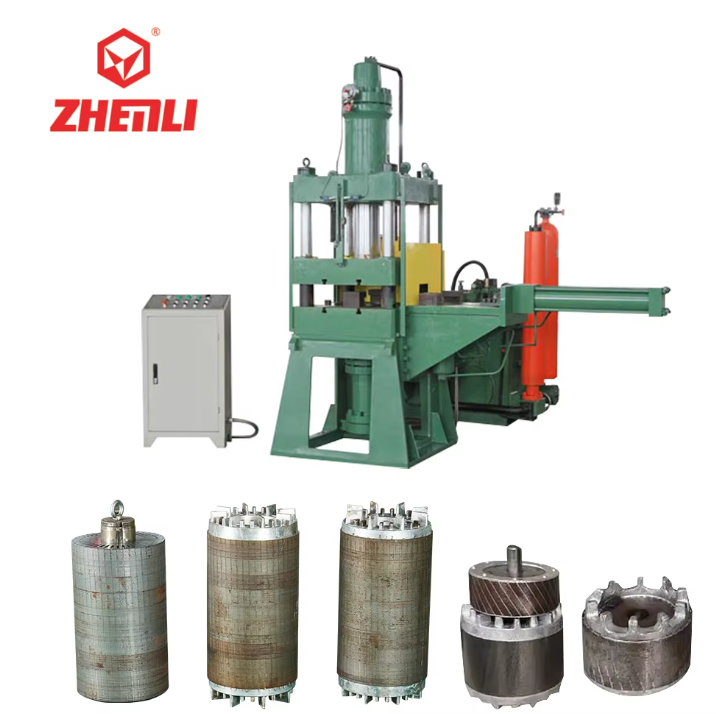
Understanding the Role of Metal Casting Machinery in High-Volume Manufacturing
The Growing Demand for Scalable Metal Casting Solutions
The world needs more metal parts than ever before, which explains why there's been a jump of around 22% in installation numbers for high volume casting systems since 2020 according to World Foundry Organization data from last year. Take the automotive industry as just one example they need millions of identical components every single year. Same goes for aerospace manufacturing where tolerances are razor thin. All this pressure means factories are investing heavily in machines that can crank out parts faster while still keeping an eye on quality. Today's casting equipment comes equipped with sensors that track mold temperatures moment by moment alongside computer vision systems that spot flaws almost instantly. These upgrades help keep production runs uniform even when dealing with massive quantities.
How Metal Casting Machinery Impacts Production Scalability
Modern die casting equipment can knock out parts in under a minute thanks to those powerful high pressure injection systems, which means factories are cranking out around 1.2 million aluminum housings every month. The real game changers though are things like those quick change mold systems that cut down on downtime by roughly 40% compared to older methods. And let's not forget about the robotic arms doing all the delicate work of pulling components out with pinpoint accuracy. All this efficiency adds up to something pretty impressive for manufacturers making over 10,000 tons a year they see their costs drop by about 18% per unit. Makes sense when you think about it everything runs smoother, faster, and with fewer headaches along the production line.
Case Study: Automotive Industry’s Reliance on Mass Casting Systems
One major electric vehicle maker cut their chassis manufacturing expenses by nearly a third when they brought in automated sand casting systems equipped with built-in x ray checks. These new machines can produce around 120 suspension arms every single hour while maintaining incredibly tight tolerances below plus or minus 0.2 millimeters. Because of this precision, almost three quarters of all parts no longer need any additional machining after casting. No wonder then that most automotive component suppliers are now looking seriously at equipment featuring closed loop process controls for large production runs according to last year's Automotive Manufacturing Quarterly report.
Die Casting: High-Speed, Precision Machinery for Mass Production
High-Pressure Die Casting: Enabling Rapid Cycle Times
High pressure die casting or HPDC can get those complex aluminum parts made in under a minute, which makes it great for when companies need to produce lots of items quickly. What happens here is molten metal gets forced into steel molds at really high pressures, something like over 15 thousand pounds per square inch. The result? Parts that come out almost ready to use right from the mold, with dimensions accurate within about plus or minus 0.2 millimeters. Because these parts are so consistent, there's much less need for extra machining work after they're cast. Some industry reports suggest this cuts down on post processing requirements by around thirty to forty percent compared to older methods like sand casting. And that means significant savings when manufacturing runs reach large volumes.
Scalability and Production Speed in Die Casting Operations
Modern HPDC systems produce over 800 components per hour in automotive applications such as transmission housings. Multi-cavity dies and synchronized ejector systems allow manufacturers to scale output without proportional increases in floor space or labor. For example, a single 3,500-ton machine can supply 250,000 engine blocks annually when operating at 85% efficiency.
Balancing Tooling Costs with Long-Term Efficiency Gains
While HPDC molds cost $100k–$500k, their 500k+ cycle lifespan drives per-part tooling expenses below $0.15 for high-volume runs. This contrasts with sand casting’s $15–$25 per mold expense, which becomes economically unviable beyond 10,000 units. Energy-efficient thermal management systems further reduce operating costs by 18–22% over traditional die casting setups.
Automation Trends in Die Casting for Enhanced Output
Robotic tending systems now achieve 99.7% uptime in foundries, with AI-powered vision systems inspecting 15 components per second for defects. IoT-enabled machines provide real-time viscosity and temperature data, cutting material waste by 12% and unplanned downtime by 27%. These advancements position die casting machinery as the backbone of Industry 4.0 metal production workflows.
Sand Casting and Continuous Casting: Scalability Challenges and Innovations
Modern Sand-Casting Lines: Automation for Higher Volume Output
Robotic mold handling systems are making waves in the industry these days, cutting down pattern change times by about 85% when compared to what workers used to do manually. This helps tackle those old problems that slowed things down in sand casting shops for years. Big names in the business have started putting IoT sensors everywhere to keep tabs on sand quality as it happens, which cuts down on wasted binder materials somewhere around 18%, according to Foundry Management & Technology from last year. What does all this mean? Well, factories can crank out over 300 identical castings each shift without losing sleep over consistency issues. They maintain tight tolerances of plus or minus 0.8 mm, something absolutely essential for parts like automotive brakes and hydraulic valves where even small deviations matter a lot.
Limitations of Traditional Sand Casting in Mass Production
When it comes to manual sand casting, scaling up production is a real headache because of all the hands-on work needed to prepare molds. Foundries without automation spend roughly 40% of their time on this mold prep alone. Quality issues are another pain point too. According to recent industry data from the Metalcasting Benchmark Report 2024, around 12 to 15 percent of cast parts end up defective when they need walls thinner than 6 millimeters. And let's not forget about surface finish problems either. Most manual sand cast parts come out with roughness ratings between Ra 500 and 1000 microinches, which means extra work at the machine shop to get them up to spec for most applications.
Continuous Casting: Efficient Production of Uniform Metal Sections
Steel mills have been adopting continuous casting systems to make those heavy 12 ton steel slabs moving along at about 1.8 meters every minute. The results speak for themselves really - around 97% material gets used compared to just 82% when using old fashioned ingot casting methods. What makes these systems so effective? Well, the water cooled molds do a great job creating uniform cross sections needed for things like I beams and railroad tracks. This means factories spend roughly 30 fewer hours on post processing work for each 100 tons produced. And let's not forget about energy savings either. Newer facilities are seeing about a 22% drop in power usage thanks to those fancy regenerative burners installed in their reheating furnaces across the industry.
Case Study: Steel Mills Using Continuous Casting at Scale
A Midwest steel plant reduced its carbon emissions by 180,000 tons annually after transitioning to continuous casting, while doubling its output of construction-grade beams. The $140 million upgrade achieved ROI in 4.2 years through reduced scrap rates and improved labor efficiency—producing 5.2 million tons of structural steel annually with 14% fewer operational staff.
Comparative Analysis: Evaluating Metal Casting Machinery for Large-Scale Output
Die Casting vs. Sand Casting: Efficiency and Throughput Compared
The die casting process can complete cycles anywhere from 60 to 80 percent quicker compared to traditional sand casting methods. In many automotive manufacturing settings, this translates to production rates exceeding 400 parts each hour. What makes this possible? The machines inject molten metal under intense pressure, allowing materials such as aluminum and zinc to harden within just a few seconds flat. On the flip side, sand casting remains popular for intricate shapes and designs despite its slower pace. Most sand casting operations barely manage around 50 pieces per hour because workers have to manually prepare molds and wait for them to cool down between casts. The time difference becomes especially noticeable when manufacturers need large quantities quickly.
Cost-Effectiveness Across Casting Methods in High-Volume Settings
| Factor | Die Casting | Sand Casting |
|---|---|---|
| Tooling Costs | $500K+ | $50K–$150K |
| Per-Unit Cost (10k+) | $8–$12 | $18–$25 |
| Break-Even Threshold | 7,500 units | 1,200 units |
While die casting requires 3–5X higher initial investment, its lower per-part costs dominate in production runs exceeding 10,000 units. Sand casting remains viable for medium batches but faces diminishing ROI above 20,000 units due to labor-intensive processes.
Quantitative Review of Production Capabilities by Casting Type
Industry reports show die casting machines achieve 98% dimensional consistency in high-volume runs, versus 85–90% for automated sand casting lines. Continuous casting systems for steel alloys outperform both methods in raw throughput, generating 180+ metric tons per hour of uniform sections—a critical advantage for construction and infrastructure projects.
Material and Design Constraints in Selecting Casting Machinery
The heat limits of die casting mean it can only handle metals that melt below around 1,200 degrees Celsius. That's why we typically see aluminum and zinc used in this process. On the other hand, sand casting works well with hotter materials such as cast iron which melts at over 1,370°C. But there's a tradeoff here. Sand cast components generally need extra work after production, taking anywhere from 25 to 40 percent longer in machining compared to what die casting offers right off the line. However, newer techniques with bonded sand molds are starting to close this gap somewhat. These improved methods now produce surfaces ranging roughly between Ra 6 and 12 micrometers, which actually compares pretty favorably against standard die cast finishes for many applications.
Future-Ready Strategies for Optimizing Metal Casting Machinery
Smart Foundries: The Rise of Automation and Data-Driven Casting
Foundries across the country are getting smart with their metal casting operations through Industry 4.0 tech upgrades. Robots have taken over many of those boring, repetitive jobs such as moving molds around and doing finish work, which cuts down on mistakes made by humans by roughly 45% when running at full speed. Smart monitoring systems powered by artificial intelligence look at live data coming from all sorts of sensors throughout the facility. These systems can actually spot problems developing in machines about three days before they break down completely, so maintenance crews get plenty of warning before things go wrong. The result? Manufacturers see dramatically fewer defects in their products and keep production lines running nonstop without much interruption.
Aligning Machinery Selection with Product Design and Volume Goals
Choosing optimal metal casting machinery requires balancing three factors:
- Production scale: High-pressure die casting machines dominate automotive part manufacturing, delivering 500+ cycles per hour for long runs
- Design complexity: Modular sand casting systems accommodate intricate geometries unsuited for die casting
- Material requirements: Vacuum casting machines preserve alloy integrity for aerospace-grade components
Forward-thinking manufacturers conduct lifecycle cost analyses comparing initial tooling investments against 10-year operational savings. A 2023 study revealed that lean-designed die casting systems recover tooling costs within 18 months when producing over 250,000 units annually.
The Future of High-Volume Metal Casting: Trends and Predictions
The numbers suggest that around two thirds of industrial foundries might be using hybrid manufacturing methods by 2028. These methods blend old school casting techniques with modern 3D printed molds. What makes this interesting is how it cuts down on the time needed for pattern making by roughly four fifths, plus allows engineers to tweak designs much faster than before. Green manufacturing trends are pushing companies toward closed loop systems where they can recover almost all scrap metal (about 98%) and slash energy usage by somewhere around 40% compared to what we see in standard operations today. Looking ahead, there's some exciting work happening with new types of alloys that actually heal themselves when damaged. If these materials catch on, they could dramatically increase how long parts last, which would definitely help manufacturers get closer to those circular economy goals everyone keeps talking about.
Table of Contents
- Understanding the Role of Metal Casting Machinery in High-Volume Manufacturing
- Die Casting: High-Speed, Precision Machinery for Mass Production
- Sand Casting and Continuous Casting: Scalability Challenges and Innovations
- Comparative Analysis: Evaluating Metal Casting Machinery for Large-Scale Output
- Future-Ready Strategies for Optimizing Metal Casting Machinery