 EN
EN



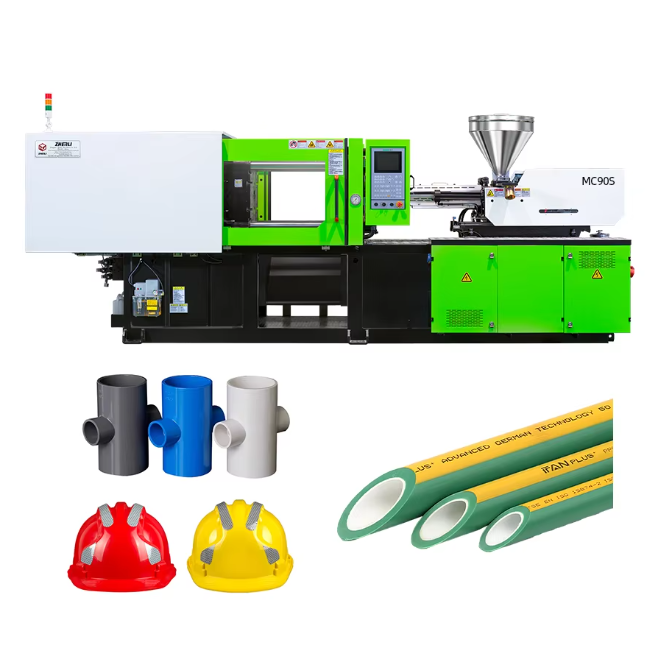
Enhancing Mold Design for Faster and More Efficient Plastic Injection Molding
Mold Design Enhancements Using Conformal Cooling Channels
The introduction of conformal cooling channels has changed how we handle thermal management in plastic injection molding. Traditional cooling systems run in straight lines, but these new 3D printed channels actually match the shape of the mold itself. What this means is better heat distribution throughout the part being made, and studies show this can cut down production cycles by around 30 percent according to research published last year in the Journal of Manufacturing Systems. One big plus is that it helps prevent those annoying warping issues and sink marks that plague many molded products. Plus, parts stay dimensionally accurate even when dealing with complicated shapes such as car body panels or intricate medical equipment components where precision really matters.
Advantages of 3D-Printed Molds in Complex Cavity Fabrication
Additive manufacturing breaks free from the limitations of traditional mold making techniques, enabling complex conformal cooling designs and tiny features that just can't be done with regular CNC machining. Recent research from 2023 showed some impressive results too - when companies switched to 3D printed molds for parts used in aircraft manufacturing, they saw production times drop anywhere between 40 to 55 percent. What makes this technology so valuable is its ability to speed up product development cycles. Manufacturers can now work with advanced materials like PEEK or ULTEM while getting prototypes into testing much faster than before. This means better products reach customers quicker, especially important for industries where performance really matters.
Optimizing Product and Mold Design to Reduce Complexity and Cycle Times
When parts are designed with better wall thickness and proper draft angles, manufacturers see real improvements in production cycles and fewer defective products. Take one automotive manufacturer that redesigned the rib structure on an HVAC component. They managed to cut down cooling time by nearly 20% and reduced their scrap rate by almost a quarter. These kinds of changes make a big difference in factory floor operations. Today's simulation tools allow engineers to work on both product design and mold creation at the same time. The software can predict how molten material will fill the mold and where stress might build up long before any actual tooling happens. This means fewer expensive mistakes during production runs, which saves both time and money for manufacturers trying to stay competitive.
Integrating Automation, IoT, and AI into Smart Plastic Injection Molding Systems
Process Automation and IoT Integration for Real-Time Monitoring
Adding automation and IoT sensors to plastic injection molding equipment can increase production output by around 15%, according to research from the Advanced Manufacturing Institute last year. The automated parts handle things like feeding raw materials, closing molds properly, and ejecting finished products without human intervention. Meanwhile, those connected sensors keep track of important factors such as how hot the melted plastic gets, what pressure is applied during injection, and how long each cycle takes overall. When operators get this real time information, they can tweak settings on the fly which cuts down on quality issues by about 27% when compared to old fashioned manual monitoring methods.
AI and Real-Time Monitoring for Quality Control and Defect Prediction
Vision systems powered by artificial intelligence spot tiny flaws in molded components at around 99.3 percent accuracy, which cuts down on scrap materials by about 18% across car manufacturing plants. These machine learning algorithms learn from past defects and actually predict potential quality problems anywhere between 8 to 12 production cycles ahead of time, allowing for automatic fixes before anything goes wrong. Take holding pressure adjustments as an example. When inline sensors pick up shifts in how runny or thick the material becomes during processing, the system tweaks the pressure settings within plus or minus 0.5 MPa to keep everything running smoothly despite these unexpected variations.
Predictive Maintenance and Machine Reliability Through Sensor Networks
Vibration and thermal sensors provide early warnings for motor failures—typically 30–50 hours in advance—cutting unplanned downtime by 34% in high-volume environments. Combining IoT-based wear monitoring with AI diagnostics extends screw and barrel lifespan by 22%, translating to annual maintenance savings of $18,000 per machine.
Case Study: 30% Reduction in Downtime Using AI-Powered Diagnostics
One major electronics company recently rolled out machine learning technology on their 48 injection molding machines, processing around 14 thousand sensor readings every single second. What this system does is pretty impressive actually it can spot unusual energy usage patterns in those hydraulic pumps well ahead of time about three full days before any potential breakdown occurs. That means technicians can fix problems right when they have scheduled maintenance slots available instead of dealing with emergency repairs. The results speak for themselves pretty dramatically too. Last year alone, the factory saved over 300 hours worth of lost production time which translates into roughly 37 and a half tons of products that would have otherwise been missed. Plus their Overall Equipment Effectiveness metrics jumped significantly from just under 78 percent all the way up to nearly 86 percent after implementing these predictive maintenance solutions.
Improving Energy Efficiency and Sustainability in Plastic Injection Molding Machine Operations
Servo-driven and energy-efficient machinery upgrades
Industry data shows that servo driven plastic injection molding machines typically use between 40 to 60 percent less power compared to old school hydraulic systems. The technology works by adjusting motor speeds based on what's actually needed at any given moment, which cuts down on wasted energy when the machine isn't actively working. For the plastic melting process, variable frequency drives help manage power consumption more efficiently. And those all electric actuators? They generate far less heat during precision operations where temperature control matters most. Big name manufacturers who made the switch are seeing real money savings too. Some plants have reported saving over $180k each year just from running one upgraded machine instead of their older counterparts.
Material usage and waste reduction through precise dosing and regrind recycling
Closed loop dosing systems manage to get around 98 to 99 percent material usage because they measure resin inputs really accurately, within plus or minus half a percent. The gravimetric controls take care of fluctuations in regrind content so manufacturers can safely incorporate about thirty percent recycled material without affecting part quality much at all. According to some research published last year on circular manufacturing practices, these systems cut down landfill waste by roughly 28 metric tons each year for every production line running them. Plus, companies save almost twenty percent on raw materials costs when they implement this kind of system. Makes sense economically as well as environmentally.
Implementing lean manufacturing principles to eliminate waste
Implementing SMED techniques can cut down mold changeover time anywhere from about 35% to maybe even half, which obviously cuts back on wasted energy during those downtime periods. Looking at value streams helps spot where things aren't working right. Take an auto parts maker who found they were actually using around 22% more power per component than necessary because materials weren't flowing properly between their presses and robots. Combine this kind of analysis with ISO 50001 standards for managing energy, and companies start seeing real improvements over time. These small changes add up across operations, leading to better bottom lines while also helping the environment in ways that matter.