 EN
EN



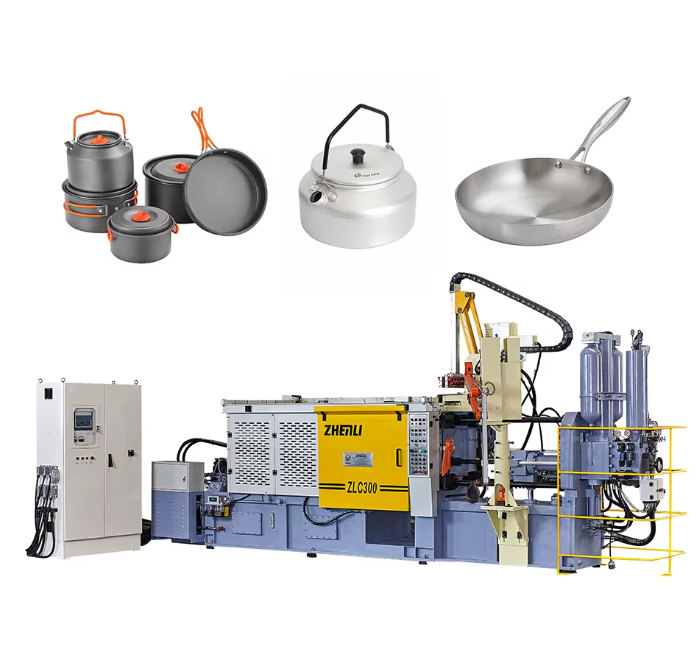
Why Cold Chamber Die Casting Machines Are Ideal for Aluminum Alloys
The High Melting Point of Aluminum and Incompatibility with Hot Chamber Systems
At around 660 degrees Celsius, aluminum simply won't work well in hot chamber die casting setups. The heat takes a real toll on those submerged pumps and transfer systems over time, which is why RapidDirect notes this as a major limitation back in 2023. These hot chamber machines were actually built for metals that melt at much lower temperatures, like zinc. When forced to handle aluminum instead, they tend to break down faster and run into all sorts of contamination problems. That's where cold chamber systems come in handy. They solve this whole mess by keeping the molten metal separate from the actual injection part of the machine, so nothing gets damaged when working with high temp materials like aluminum.
How Cold Chamber Design Matches the Thermal Requirements of Aluminum
In cold chamber machines, a horizontal plunger pushes measured amounts of aluminum into molds under pressure that can reach around 210 MPa. The machine's design keeps the metal temperature right where it needs to be, somewhere between 580 and 720 degrees Celsius. This helps maintain good fluidity while reducing those annoying pockets of air we call porosity. When manufacturers get the temperature just right, they avoid problems with metal solidifying too soon in the runners and gates. According to industry data, this careful temperature management cuts down on trapped gas by about 32% when compared with modified versions of hot chamber processes. That makes a real difference in product quality for many manufacturing applications.
Growing Demand for Aluminum in Automotive and EV Manufacturing
Lightweight materials are becoming increasingly important in the automotive sector, which explains why demand for aluminum die casting is growing at around 24% per year between now and 2030. This trend is especially noticeable in electric vehicles where manufacturers need lighter battery housings and other structural components. Cold chamber die casting equipment creates components that are both strong and resistant to crashes, including things like control arms and motor casings. These parts must comply with strict quality standards like IATF 16949, while still being produced within about 90 seconds per cycle. Such efficiency helps car makers achieve their target of cutting vehicle weight by roughly 15 to 20 percent without compromising on safety features or how long the parts will last before needing replacement.
Enhanced Casting Quality and Structural Integrity in Cold Chamber Processes
Superior Density and Reduced Porosity in Aluminum Castings
The cold chamber approach actually produces aluminum parts that are roughly 15 to 25 percent denser compared to what comes out of hot chamber processes. This happens because the solidification process is much better controlled in cold chambers. When working with molten aluminum, keeping it around 580 to 720 degrees Celsius maintains the right consistency so the metal fills every corner of the mold completely before starting to cool down. According to research published in IJMC last year, this technique cuts down on tiny air pockets inside the metal by as much as 40%. For industries where even the smallest leak matters, like aircraft manufacturing or electric vehicle battery production, this level of precision makes all the difference when ensuring watertight seals.
Data Insight: Porosity Reduction Rates in Cold Chamber vs. Hot Chamber Processes
Industry data shows cold chamber systems achieve average porosity levels of 0.8–1.2% in aluminum castings, significantly lower than the 3.5–5% seen in hot chamber processes. This improvement stems from superior process control:
| Factor | Cold Chamber Advantage |
|---|---|
| Metal Temperature Control | ±5°C variance vs. ±25°C |
| Injection Speed | 2.5–5 m/s optimized flow |
| Pressure Maintenance | 900–1400 bar sustained pressure |
Balancing Production Speed with High-Quality Output
Cold chamber machines today can complete cycles between 45 to 90 seconds and still keep dimensional differences under 0.1%, thanks to their closed loop thermal control systems. With real time monitoring of mold temperatures and smart cooling adjustments, these machines cut down thermal shock problems by about two thirds when compared to older equipment. That means manufacturers are seeing over 95 percent success on first attempts in auto part production according to ASM's latest report from 2024. The improved performance allows factories to crank out well over 500 parts each hour without compromising on the strict quality standards demanded by original equipment manufacturers.
Precision Temperature Control and Defect Prevention in Aluminum Die Casting
Controlled Pouring Temperatures Minimize Thermal Stress and Defects
Automated thermal management systems maintain aluminum pouring temperatures between 630°C and 700°C, avoiding both premature solidification and overheating-induced degradation. Staying within ±5°C of target ranges reduces stress-related cracking by 15%, essential for thin-walled automotive components requiring long-term dimensional stability.
Common Defects in Aluminum Castings and How Cold Chamber Machines Prevent Them
Cold chamber technology effectively addresses three major casting defects:
| Defect Type | Cold Chamber Solution | Improvement Rate* |
|---|---|---|
| Gas porosity | Vacuum-assisted filling | Up to 87% reduction |
| Cold shuts | Optimized gate designs & injection profiles | 92% defect elimination |
| Hot tearing | Gradual cooling via thermal die management | 78% fewer incidents |
*Based on automotive casting trials using vacuum-enhanced cold chamber systems
Reduced Oxidation and Gas Entrapment Through Stable Filling Conditions
By isolating molten aluminum from the injection system, cold chamber machines achieve 40% lower gas porosity than hot chamber alternatives. This separation ensures laminar flow and minimizes air entrapment–critical for aerospace components where internal voids compromise performance. Argon-shielded pouring channels further reduce oxidation losses to less than 0.8%.
Mold Longevity and Durability in High-Temperature Aluminum Applications
Engineering Mold Materials to Withstand Thermal Cycling in Cold Chamber Systems
In cold chamber die casting operations, molds get subjected to those brutal aluminum pouring temps again and again. That's why many shops turn to high strength tool steels such as H13, which has been alloyed with chromium and molybdenum for better heat handling. These special alloys keep their shape even after running through thousands of production cycles, something regular steel just can't handle. Most fabricators report getting around 30% longer service life from these premium materials when working with high pressure aluminum casting applications, making them worth the extra investment despite the higher upfront cost.
Extended Tool Life Due to Lower Thermal Shock Compared to Hot Chamber Machines
When the molten metal stays physically separated from the injection unit, it helps avoid sudden temperature changes that can damage the mold surface. This setup actually prevents things like tiny cracks forming and parts warping during production. Cold chamber molds last way longer too, often making it past 500 thousand production runs. That's about two or even three times what we typically see with hot chamber systems when working with similar aluminum alloys. The difference in lifespan makes a big impact on manufacturing costs over time.
Design Considerations for Efficient Cooling and Erosion Resistance
Conformal cooling channels enable uniform heat extraction during solidification, reducing localized stress. Surface treatments such as tungsten carbide coatings enhance erosion resistance against abrasive aluminum flows, preserving critical mold dimensions. When combined with optimized gate and runner geometry, these features cut annual maintenance downtime by 15–20%.
Long-Term Cost Efficiency and ROI of Cold Chamber Die Casting Machines
Higher Initial Investment vs. Lower Defect Rates and Scrap Reduction
Cold chamber machines tend to cost around 20 to maybe even 35 percent more initially because they need those fancy temperature control systems plus stronger molds that can handle the heat. But here's the catch: these machines actually cut down on waste quite a bit when working with aluminum. We're talking about reducing scrap rates somewhere between 18 and 22 percent thanks to better control over things like bubbles forming inside castings or parts not filling all the way. What makes this work so well is the feeding system that's pretty much spot on with how it delivers material into the mold. This setup keeps air from getting trapped during the process, which means manufacturers get over 90% of their raw materials used effectively. Even complicated shapes such as those needed for electric vehicle battery housings benefit from this level of efficiency.
Operational Cost Comparison: Cold Chamber vs. Hot Chamber for Aluminum
| Cost Factor | Cold Chamber | Hot Chamber |
|---|---|---|
| Cycle Maintenance | $12k/year | $28k/year |
| Energy Consumption | 15 kWh/kg | 22 kWh/kg |
| Tool Replacement | Every 120k cycles | Every 65k cycles |
Cold chamber systems offset initial costs through 60% lower lubricant usage and 42% longer tool life. In high-volume runs, operators save $8–$15 per part by eliminating secondary machining for porosity repair.
Total Cost of Ownership and Industrial ROI in High-Volume Aluminum Production
Facilities that manufacture more than half a million aluminum parts each year typically see cold chamber machines pay for themselves between 18 to 24 months after installation. Looking at one automotive parts maker from 2023 shows just how big these savings can get – they saved around $2.7 million on each production line across five years thanks to better quality control and less wasted material during the casting process. The return on investment here makes cold chamber technology pretty much a must have for any serious work in electric cars and aerospace manufacturing, industries where even small defects simply won't cut it.
Table of Contents
- Why Cold Chamber Die Casting Machines Are Ideal for Aluminum Alloys
- Enhanced Casting Quality and Structural Integrity in Cold Chamber Processes
- Precision Temperature Control and Defect Prevention in Aluminum Die Casting
- Mold Longevity and Durability in High-Temperature Aluminum Applications
- Long-Term Cost Efficiency and ROI of Cold Chamber Die Casting Machines