 EN
EN



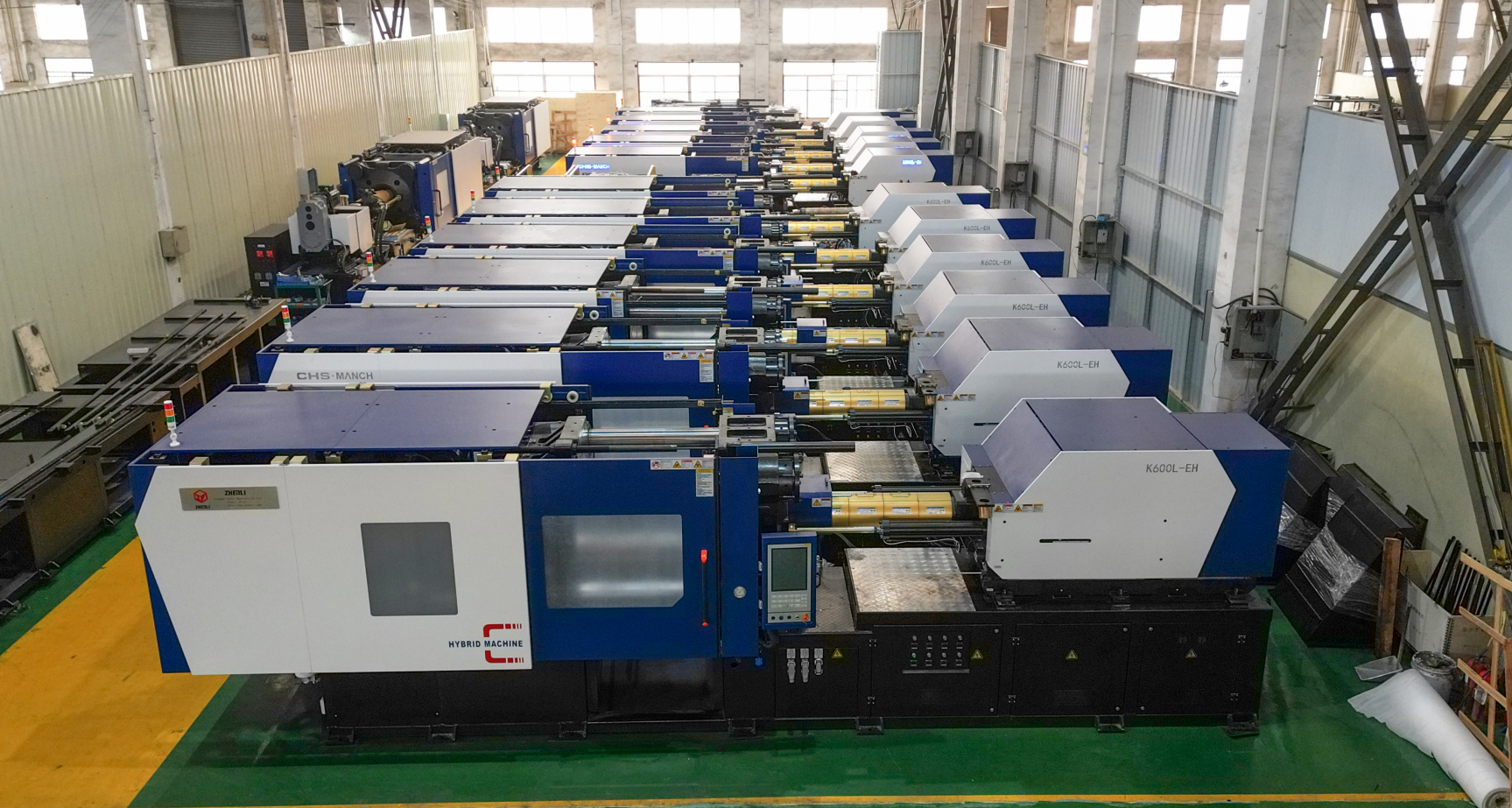
Injection Process Stability: The Foundation of Consistent Output
How Pressure, Speed, and Temperature Interdependence Affects Part Consistency
Getting accurate dimensions right in plastic injection molding really comes down to keeping pressure, injection speed, and those barrel and mold temps all working together properly. When the injection pressure gets unstable, it messes up how the material flows into the mold, which often results in problems like sink marks or those pesky internal voids nobody wants. Small changes in melt temperature matter too. Just a 5 degree Celsius swing can totally change how viscous the polymer becomes, messing with how it fills the mold and packs properly. Pushing materials too fast while temps aren't quite right might cause shear thinning issues or even material breakdown, both of which weaken the final product. The numbers don't lie either. Manufacturers report around 18% higher scrap rates whenever temperature controls drift outside ideal ranges. For industries where consistency matters most, think medical devices or automotive components, plastic molding machines need to stay within less than 1% variation across all these key factors to produce parts that meet specifications every single time.
Optimizing V/P Switchover to Eliminate Dimensional Drift in High-Precision Parts
The transition from injection to hold pressure—known as volumetric-to-hold-pressure (V/P) switchover—is pivotal in preventing dimensional drift, particularly in thin-wall and micro-tolerance components. A delayed switchover results in overpacking and flash, while switching too early leads to short shots and warpage. To achieve optimal control:
- Trigger by cavity pressure: Real-time cavity sensors detect actual polymer front progression, enabling switchover accuracy within ±0.05mm—far superior to screw position-based methods.
- Adaptive algorithms: Automatically adjust switchover points in response to real-time changes in material viscosity.
-
Closed-loop validation: Continuously compare actual part geometry and weight against CAD benchmarks to correct deviations on-the-fly.
Refining V/P switchover reduces dimensional variation by up to 40% in precision applications such as optical lens molding, significantly improving yield and lot-to-lot consistency.
Machine Architecture and Calibration: Choosing the Right Plastic Molding Machine for Repeatability
Hydraulic vs. All-Electric Plastic Molding Machines: Precision, Rigidity, and Long-Term Stability
When deciding between hydraulic and electric plastic molding machines, manufacturers need to consider how this affects their ability to maintain consistent results over time. Hydraulic systems definitely pack a punch when it comes to clamping force, but there's always that issue with oil getting thicker or thinner depending on temperature changes. This can create around 5% variation in pressure which messes with the dimensions of what gets produced. On the other hand, all electric models work differently. These machines rely on those servo motors to control everything down to tiny fractions of a millimeter. The injection speed stays within 0.01mm/s tolerance and positioning accuracy hits about 0.0003 inches. What makes them stand out is that these specs don't really change much day after day. Plus, nobody has to worry about changing filters or dealing with leaks anymore since there's no hydraulic fluid involved. And let's face it, who wants their production line slowed down by unexpected breakdowns? That's why many shops are making the switch despite higher upfront costs.
- Precision: Electric systems outperform hydraulics, which typically operate within a 0.002in tolerance band.
- Rigidity: Ball screw mechanisms resist deformation during high-pressure packing, essential for high-fidelity replication in optical or microfluidic components.
- Energy Stability: Hydraulics lose 15–30% efficiency due to heat generation, whereas electric drives maintain consistent performance with less than 1% power fluctuation.
Clamping System Integrity: Preventing Flash and Warpage Through Real-Time Force Monitoring
Keeping the clamping force steady throughout the process helps avoid problems like flash and warpage, which becomes really important when working with materials that are sensitive to changes, such as those semi crystalline plastics we often see in nylon products. Modern equipment now comes equipped with things like strain gauges along with internet connected sensors that keep track of how much pressure is being applied second by second. These gadgets can actually spot tiny differences down to just half a percent between cycles. What makes them so useful is their ability to adjust automatically as temperatures change within the machine components and molds themselves, making sure pressure stays even all around. From what manufacturers have reported, this kind of adaptive clamping system cuts down on waste by about twenty two percent specifically for those thin wall packaging jobs. The result? Better seals form right away and parts maintain their shape properly even after running through long production batches.
Integrated Closed-Loop Control: Temperature, Pressure, and Cooling Synchronization
Smart PID+ML Controllers for Sub-Second Cycle Time Consistency
The latest plastic molding machines now use smart controllers that mix traditional PID logic with machine learning technology, allowing them to respond in under a second. These advanced systems keep checking sensor readings all the time, making fine adjustments to maintain barrel temps within half a degree Celsius and tweaking injection pressure changes every 700 milliseconds or so. That's much quicker than what regular PID controllers can manage on their own. What makes these systems really stand out is how they learn from past production cycles. The ML models actually predict when temperature fluctuations might happen and spot changes in material viscosity before these issues start affecting the final product size. This kind of predictive capability keeps things running smoothly even during non-stop 24 hour operations. For industries like medical device manufacturing where parts need to be made with tolerances down to just 0.01 millimeters, this level of control makes a huge difference. Manufacturers report around 18 percent less waste overall thanks to these smarter systems staying on top of potential problems before they occur.
Cavity Pressure-Guided Adaptive Hold Profiles for Zero-Defect Thin-Wall Production
For thin wall molding jobs like those found in microfluidics or car connector manufacturing, just looking at what's happening on the machine side doesn't cut it anymore. Cavity pressure sensors actually show what's going on with the polymer material as it fills the mold, letting operators tweak things while the part is still being held in place. Most systems will kick in when pressure goes over that 2% mark, changing how long pressure is applied and adjusting the force distribution across different areas of the mold. This kind of responsive system really helps deal with all sorts of unpredictable factors that pop up during production runs. Think about variations from day to day humidity levels, recycled material percentages, or even slight differences between batches of raw materials. These tiny changes can cause those annoying sink marks in parts thinner than half a millimeter. Companies that have implemented this sort of feedback loop are seeing incredible results too. Some plants report getting close to flawless outputs with around 99.98% free of defects, though realistically most hit somewhere around there depending on their specific setup and experience level with the technology.