 EN
EN



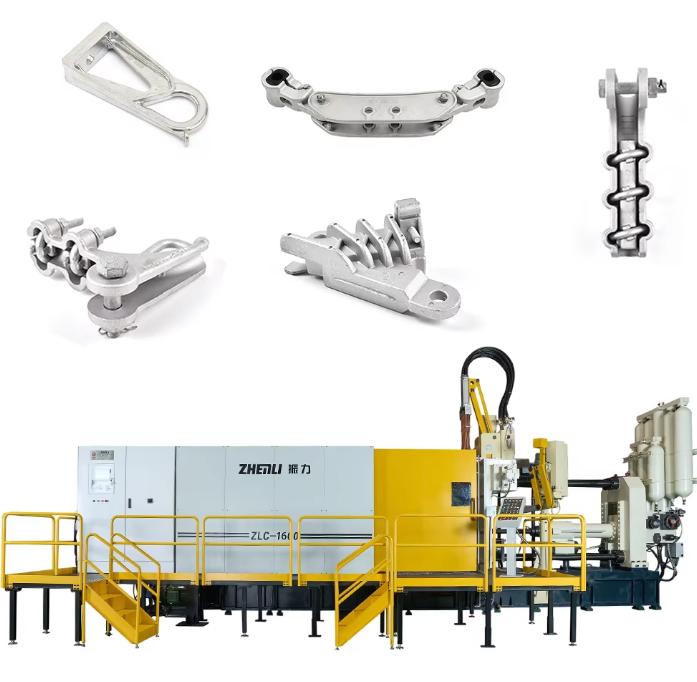
Cold shuts, misruns, and porosity do not just appear randomly. They are symptoms of an injection process that drifts shot to shot. A machine that runs perfectly at 9:00 AM might be producing marginal parts by 3:00 PM without anyone noticing until the scrap bin overflows.
An aluminium die casting machine equipped with advanced shot-end feedback control changes that dynamic. Instead of open-loop injection—set the parameters and hope—closed-loop systems measure actual performance during the shot and make real-time corrections. When fill asymmetry appears, the system detects it and adjusts before the part finishes solidifying.
How Shot-End Feedback Actually Works
Closed-loop shot control systems measure key parameters throughout the injection stroke: plunger position, velocity, hydraulic pressure, and sometimes cavity pressure itself. Sensors feed data to a controller that compares actual performance against programmed targets. When deviations occur, the system adjusts valve positions or pump outputs instantly to bring the shot back into specification.
Advanced systems can detect fill asymmetry—when molten metal reaches one side of the cavity before the other. Uneven fill leads to cold shuts at the flow-front meeting line and turbulent air entrapment in the late-filled sections. With multi-point sensing, the control system identifies timing mismatches between cavity sensors and corrects the velocity profile for subsequent shots.
A Job Shop That Cut Scrap by Two-Thirds
A mid-sized aluminum die casting job shop producing automotive sensor housings on a 400-ton cold chamber machine had a scrap problem that would not go away. Depending on the shift, reject rates for cold shuts ranged from 6% to 11%. The machine was late-2000s vintage with open-loop controls. Operators compensated by manually tweaking parameters at shift changes, but that introduced new variability.
The shop retrofitted the machine with a closed-loop shot control system that included cavity-mounted thermocouples and a real-time velocity feedback loop. In the first week, the system flagged a fill imbalance that had been hiding in plain sight: cavity one on a two-cavity mold was consistently filling 8 milliseconds faster than cavity two. The flow asymmetry was subtle enough that no operator had ever noticed it.
The control system logged the mismatch, and a small adjustment to the runner geometry—suggested by the data, not guesswork—balanced the fill. Cold shut defects dropped from a shift-dependent 6–11% to a steady 2.3% across all shifts. Annual scrap savings on that single part number exceeded the cost of the control system retrofit.
What Fill Asymmetry Costs in Real Numbers
Fill asymmetry does not announce itself loudly. A few milliseconds of timing difference. A slight temperature gradient across the cavity. Enough to create a flow-front meeting line where the two streams do not fuse completely—a cold shut.
Here is what that looks like in operational terms:
|
Condition
|
Symmetrical Fill
|
Asymmetrical Fill (8–12 ms offset)
|
|---|---|---|
|
Cold shut defect rate
|
1.5 – 3.0%
|
6.0 – 12.0%
|
|
Porosity near weld line
|
Low to moderate
|
Moderate to high
|
|
Typical root cause visibility
|
Clear
|
Hidden (operator can't see)
|
|
Correction method
|
Parameter tuning
|
Runner balancing + control
|
|
Shot control needed for correction
|
Basic open-loop
|
Advanced closed-loop with feedback
|
The numbers make the case. A fill asymmetry that escapes visual detection during setup can cause defect rates multiples higher than what a well-balanced process delivers. And without closed-loop feedback, the operator has no way to know the asymmetry exists.
How Control Systems Detect What Operators Miss
Operators see the result—cold shuts on the inspection table. They do not see the cause during the 50-millisecond window when metal fills the cavity. Shot-end feedback control systems see everything.
High-speed sensors measure plunger velocity at sub-millisecond intervals. Pressure transducers capture hydraulic spikes that indicate flow restrictions. Cavity temperature sensors detect hot spots or cold zones that change flow behavior. The controller compiles this data and, crucially, compares it across multiple shots. Trends emerge. A velocity that drifts 2% over 200 shots becomes visible to the system long before it becomes visible to the operator.
The industry is moving decisively toward closed-loop architectures. A control system with real-time feedback not only detects fill asymmetry and cold shut risks but also performs self-diagnosis and self-correction during production. When shot control compensates for variables like hydraulic fluid temperature changes, casting consistency improves without operator intervention.
What Feedback Control Cannot Fix
Closed-loop shot control is powerful, but it has limits. It cannot compensate for a badly designed runner system that guarantees turbulent flow. It cannot fix a die with inadequate venting. It cannot overcome a worn plunger tip that leaks pressure. The control system corrects within the machine‘s physical capabilities. If the hardware is worn or the die design is flawed, the electronics can only do so much.
The right strategy treats shot-end feedback as part of a larger system: quality die design, proper thermal management, well-maintained hydraulics, and closed-loop control working together.
The Business Case for Closed-Loop Control
Defect rates directly affect margins. In high-volume aluminum die casting, every 1% reduction in scrap can add significant bottom-line savings. The global die casting machinery market continues to prioritize closed-loop process controls and predictive maintenance architectures that reduce variability and enable higher first-pass yields.
Zhenli Machinery equips its ZLC series cold chamber die casting machines with advanced shot-end feedback systems capable of real-time monitoring and correction—reducing scrap from fill asymmetry and cold shuts while maintaining the stability that high-volume production demands.