 EN
EN



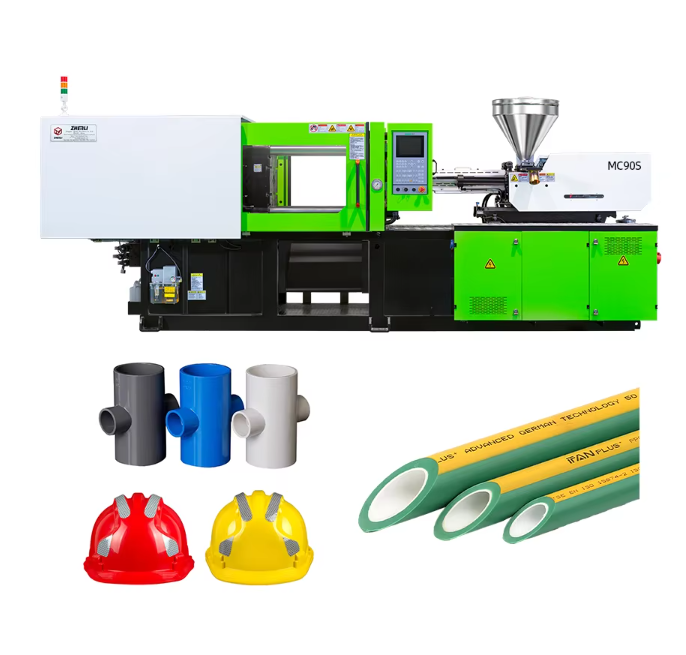
Right-Size Your Plastic Injection Molding Machine by Tonnage and Clamping Force
Accurate sizing of your plastic injection molding machine by clamping force prevents costly defects and optimizes resource utilization. Undersized machines risk flash formation as molten plastic escapes mold cavities, while oversized units waste 15–30% in excess energy consumption and accelerate component wear.
Calculating required clamping force for part geometry and material
Determine tonnage needs by multiplying the part’s projected area (in²) by material-specific pressure constants—these reflect polymer viscosity and flow resistance under heat and pressure. For example:
- ABS requires 2.5–5 tons per square inch
- Glass-filled nylon may demand 8+ tons per square inch
| Calculation Component | Typical Value | Impact | |
|---|---|---|---|
| Projected Area | Length × Width | e.g., 100 in² | Direct scaling factor |
| Material Constant | Polymer viscosity | 2–8 tons/in² | Higher = more force |
| Safety Buffer | Industry standard | 10–20% | Prevents mold separation |
Always include depth adjustments—add 10% force per inch beyond the first inch of cavity depth—and apply a safety factor to accommodate pressure spikes during fill and pack phases.
Avoiding costly oversizing or under-sizing: ROI impact of tonnage mismatch
When there's about 25% too much clamping force on a 350 ton hydraulic press, companies end up spending roughly $18k extra each year just on energy bills. On the flip side, if they're short by around 20%, scrap rates from flashing problems can go over 12%. Getting the tonnage right makes all the difference though. Factories that get this alignment spot on see their per unit production costs drop between 9 and 14% because cycles run smoother without those unnecessary delays. Plus, nobody wants to deal with damaged molds either. And here's something interesting: shops that actually take time to ensure their machines match what the parts need tend to recoup their investments about 22% quicker. Why? Less downtime for repairs means fewer interruptions, and wasted materials start adding up less over time when everything fits together properly from the beginning.
Match Injection Unit Capacity to Production Volume and Part Complexity
Shot size, plasticizing rate, and cycle time optimization for unit cost reduction
Getting the specs right on injection units makes all the difference when it comes to what each part actually costs. To figure out how much material is needed, start with the part itself plus whatever goes through the runners, then throw in an extra 20 to 30 percent for good measure. Running machines between about 30 and 80 percent of their max capacity helps avoid those pesky short shots and keeps wear down on components like screws, barrels, and heaters. How fast the machine melts the plastic depends on things like screw design, how fast it spins, and what kind of heat characteristics the material has. Getting this plasticizing rate matched up properly with cycle times stops production from grinding to a halt. Take ABS processing for example - if the melting rate slows down, cycle times jump anywhere from 15 to 25 percent, which obviously drives up costs. Even cutting three seconds off each cycle adds up to around 12 percent more parts produced during big production runs. There are always tradeoffs involved though, such as...
- Oversized shot volumes waste energy through excessive material heating and degrade melt homogeneity
- Underpowered plasticizing units create inconsistent melt quality and dimensional variation
- Unoptimized cycles amplify energy consumption per part without improving throughput
Scaling machine selection to batch size, uptime, and part family requirements
Matching plastic injection molding machines to production requirements makes good business sense. Small batch runs under around 10,000 units work best with equipment that allows fast setup changes and consumes less power when sitting idle. Servo-hydraulic models cut down on wasted energy during downtime by roughly half compared to older hydraulic systems. Large scale production above 100,000 pieces demands heavy duty machinery capable of cycling parts in under 25 seconds with at least 95% operational reliability throughout shifts. When working with families of similar parts, it pays to pick a machine that can handle the biggest component size and most complicated shapes in the lineup. The modular clamping system approach lets manufacturers switch between different part designs without needing expensive tool changes. For facilities running nonstop day after day, all electric machines typically last about 30% longer between maintenance stops than their hydraulic counterparts, as noted in recent maintenance data compiled by plastics engineers in 2023. Keeping output steady requires careful planning so the machine's ability to melt and inject material matches the highest demand periods in the production schedule.
Evaluate Total Cost of Ownership: Energy Efficiency, Maintenance, and Lifespan
Comparing energy consumption across all-electric, servo-hydraulic, and hydraulic plastic injection molding machines
Energy efficiency directly impacts operating costs, representing up to 40% of a machine's TCO (Total Cost of Ownership). All-electric models consume 50–70% less power than hydraulic alternatives during idle phases. Servo-hydraulic systems strike a middle ground, cutting energy use by 30–50% through demand-driven pumps. Consider this comparison:
| Drive Type | Energy Consumption | Peak Efficiency Use Case |
|---|---|---|
| Hydraulic | 6–8 kWh/kg | Large, simple parts |
| Servo-Hydraulic | 3.5–5 kWh/kg | Medium-complexity production |
| All-Electric | 2–3 kWh/kg | High-precision, rapid-cycle parts |
A 2023 Ponemon Institute study found manufacturers overspend $740k annually by using outdated hydraulic systems for unsuitable applications. Select drive technology based on your part geometry, tolerance requirements, and cycle frequency—not just upfront cost.
Factoring in maintenance frequency, spare parts availability, and depreciation over 5–10 years
Maintenance costs accumulate significantly over a machine's lifespan. Hydraulic systems require quarterly fluid changes and seal replacements, costing $12k–$18k annually. All-electric models reduce mechanical maintenance by 60% but carry higher electronics repair costs. Consider these TCO components:
- Preventive maintenance: Hydraulic machines need 120+ service hours/year versus 40 for electric
- Downtime impact: Unplanned outages cost $500–$2k/hour in lost production
- Resale value: Electric machines retain 45% value after a decade versus 25% for hydraulic
Looking at depreciation curves shows that electric machines actually cost about 19 percent less over their entire lifespan even though they require 20 to 30 percent more money upfront. When doing those 10 year calculations, remember to factor in things like ongoing energy expenses, replacing filters and fluids, refurbishing components, plus what technicians charge for their time. Smart companies look for vendors who provide long term service contracts with promises about getting spare parts when needed because waiting 8 to 12 weeks for replacements during equipment failure can really disrupt operations. The numbers back this up too. According to some reliability studies done by the US Department of Energy's Industrial Tech folks, proper maintenance strategies stop around three quarters of all major system failures before they happen.
Select the Optimal Drive Technology: Hydraulic, Electric, or Hybrid Plastic Injection Molding Machines
The choice of drive technology has a major effect on both how efficiently operations run and what the long term costs will be. Hydraulic systems are known for their strong clamping power when dealing with heavy duty tasks, though they tend to eat up around 30 to 50 percent extra energy compared to electric options just sitting there doing nothing. Electric machines offer much better precision, with repeat accuracy down to plus or minus 0.0004 inches, plus they save between 60 and 80 percent in energy thanks to those servo driven controls. This makes them particularly good for manufacturing things like medical devices or electronics where tolerances matter a lot. Some shops go for hybrid setups that mix the best parts of both worlds electric screws handle the injection part while keeping the hydraulic system for clamping. These hybrids cut energy consumption somewhere between 20 and 40 percent compared to going all out with hydraulics alone.
| Drive Type | Energy Efficiency | Precision Level | Maintenance Needs | Ideal Application Scope |
|---|---|---|---|---|
| Hydraulic | Low | Moderate | High (fluid systems) | Large, thick-walled components |
| Electric | High | Exceptional | Low (sealed drives) | Micro-molded or optical parts |
| Hybrid | Medium | High | Moderate | Medium-complexity production runs |
Factor in material viscosity—engineering resins like PEEK require electric/hybrid precision—while commodity polypropylene often suits hydraulic operation. Production volume thresholds also matter: electric machines achieve faster cycle times (<2-second reductions) in high-output runs, offsetting their 15–25% higher upfront investment within 18–36 months through energy savings and reduced scrap.
Table of Contents
- Right-Size Your Plastic Injection Molding Machine by Tonnage and Clamping Force
- Match Injection Unit Capacity to Production Volume and Part Complexity
- Evaluate Total Cost of Ownership: Energy Efficiency, Maintenance, and Lifespan
- Select the Optimal Drive Technology: Hydraulic, Electric, or Hybrid Plastic Injection Molding Machines