 EN
EN



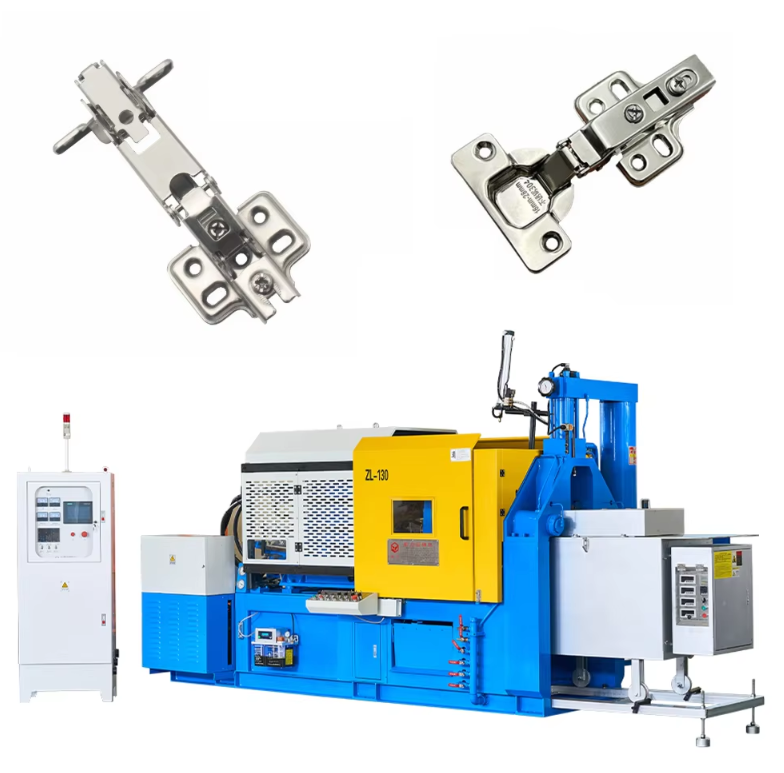
Alloy Compatibility and Material-Specific Design Requirements
Why Zinc and Magnesium Alloys Dominate Hot Chamber Die Casting and Why Aluminum Is Incompatible
Hot chamber die casting machines work best with metals that melt at lower temperatures like zinc, which melts around 419 degrees Celsius, and magnesium at about 650 degrees. These machines have this special gooseneck part submerged in the metal where it flows through during casting. Aluminum poses problems because it melts at 660 degrees Celsius, making it prone to solidifying too soon inside the gooseneck. This causes blockages and eventually breaks down the machine. Even worse, aluminum reacts badly with iron parts in the equipment. Research indicates aluminum can corrode steel goosenecks up to eight times faster than zinc does due to how ions move between materials. After only 200 to 300 production cycles, these machines start showing signs of wear and tear. Magnesium behaves differently though. It creates a protective oxide layer on its own that stops reactions from happening. Zinc has another advantage too its amazing ability to flow smoothly results in consistent wall thickness across complex shapes, maintaining accuracy within plus or minus 0.05 millimeters throughout the entire process.
Machine Engineering for Thermal Stability and Corrosion Resistance: Gooseneck Integrity and Furnace Integration
Modern hot chamber systems come equipped with impressive thermal and chemical resistance properties. The H13 tool steel goosenecks coated with ceramics cut down on cracks by roughly 40% when subjected to fast aging tests, which means longer lasting equipment overall. Keeping the furnace at stable temperatures within plus or minus 5 degrees Celsius matters a lot since zinc gets significantly thicker as temperature drops even 30 degrees, messing with how it fills molds and ultimately compromising part quality. When working with magnesium, companies use argon gas shielding during transfers to stop unwanted oxidation and dross buildup. Crucibles lined with two layers of refractory material can handle around 50 thousand casting cycles before needing replacement, and special anodes help combat corrosion issues specifically in zinc systems. All these design elements work together to keep production running smoothly most of the time, making them ideal for manufacturing automotive connectors and those intricate electronic housing components that require consistent quality across large volumes.
Key Technical Specifications for Hot Chamber Die Casting Machine Selection
Clamping Force, Shot Capacity, and Plunger Dynamics: Matching Machine Capability to Part Geometry and Production Volume
Three interdependent specifications determine whether a machine aligns with your part design and output goals.
- Clamping force (in tons) must exceed the product of injection pressure and projected part area typically by 1.5 to 2 to prevent mold separation and flash defects (IDCA 2023). Undersizing invites dimensional drift; oversizing wastes energy and increases wear.
- Shot capacity, or maximum molten metal volume per cycle, should cover part weight plus a 20% overflow allowance. Insufficient capacity causes incomplete fills; excess volume raises porosity risk in thin-walled sections.
- Plunger dynamics, including programmable speed profiles and acceleration control, govern fill time and flow stability. Injection velocities above 5 m/s enable intricate geometries but require precise dampening to suppress turbulence. Machines with adaptive plunger control cut scrap rates by 12–15% in high-volume zinc applications (Journal of Manufacturing Processes 2024).
Precision Flow Control and Thermal Consistency: Impact on Dimensional Accuracy (±0.02 mm) and Surface Quality
Getting good dimensional accuracy and nice surface finishes really depends on keeping the flow and temperature control in sync during production. The servo controlled injection valves help manage how fast the metal flows into the mold, which cuts down on turbulence problems that can trap air bubbles and create those annoying surface blisters. At the same time, it's important to keep temperatures pretty stable around the gooseneck area and inside the die itself. We're talking about maintaining roughly +/- 3 degrees Celsius consistency here. This kind of temperature control makes all the difference when trying to hit those tight +/- 0.02 mm tolerance specs required for high precision zinc parts according to industry standards from NADCA back in 2024. If things get too hot or cold by more than about 5 degrees, residual stresses go up by nearly 20 percent, which leads to warped parts down the line. Companies using integrated water cooling systems along with real time thermal monitoring see about a 30% reduction in surface defects like flow lines compared to older methods. These advanced systems have become must haves for anyone producing cosmetic grade components that need that mirror finish after polishing.
Operational Performance: Cycle Speed, Automation Readiness, and Maintenance Demands
The speed at which these machines operate really determines how much product they can produce. High quality hot chamber machines typically manage around 15 to 20 cycles each minute when working with smaller or medium sized parts. This translates to lower labor costs and reduced overhead expenses for companies running large scale production operations. When it comes to automation, manufacturers gain even more benefits. Systems equipped with robots that handle sprue removal, automatic trimming features, and built in conveyor belts allow plants to run continuously without needing workers on site all the time. This cuts down on those awkward shift change delays and gets better usage out of equipment, sometimes increasing productivity by nearly 18%. What's really important about automated processes is their ability to maintain consistent dimensions throughout long production runs. The tolerance stays within about plus or minus 0.02 mm because there's no human factor causing inconsistencies anymore. Looking at maintenance practices makes just as big a difference. Smart monitoring systems watch for signs of wear on key parts like plunger tips and gooseneck liners. These systems catch problems early enough to prevent unexpected breakdowns, cutting unplanned downtime by roughly a quarter. Plus, properly maintained systems tend to use between 7% and 12% less energy during heating cycles, which adds up to significant savings in overall operating costs over several years.
Total Cost of Ownership for a Hot Chamber Die Casting Machine
Beyond the Sticker Price: Gooseneck Replacement Cycles, Die Life Degradation, and Energy-Intensive Thermal Management
True cost evaluation requires looking past acquisition price to three dominant lifetime expenses:
- Gooseneck replacement cycles: Constant exposure to molten zinc or magnesium causes progressive erosion. Industry benchmarks indicate replacements every 50,000–80,000 shots at $15,000–$30,000 per unit.
- Die life degradation: Repeated thermal cycling accelerates fatigue in thin-section molds. Premature failure adds $120–$180 per 1,000 parts in rework and tooling replacement costs.
- Energy-intensive thermal management: Sustaining molten metal at 415–430°C consumes 55–65% of total operational power. High-efficiency models featuring optimized hydraulics and intelligent insulation reduce this load by 18–22%.
Hot chamber systems definitely need more regular maintenance compared to cold chamber ones because parts are constantly submerged in molten metal. But when looking at larger operations, the benefits really start to add up. These systems can run anywhere from 15 to 18 cycles per minute, produce scrap rates below 0.8% which is significantly better than the 1.5 to 3% range seen in cold chambers, and generally speed up production by around 30 to 50%. For companies running high volume zinc or magnesium casting, this usually translates into a solid return on investment over time. When shopping for equipment, look for models featuring modular gooseneck configurations and built-in temperature sensors that track heat levels in real time. These features make it much easier to keep total cost of ownership under control without sacrificing performance.
FAQ
Why is aluminum not suitable for hot chamber die casting?
Aluminum is incompatible with hot chamber die casting because it melts at a higher temperature of 660°C, causing it to solidify too soon inside the machine's gooseneck and leading to blockages. Additionally, it corrodes iron parts more rapidly, compromising machine integrity.
What benefits do zinc and magnesium offer in hot chamber die casting?
Zinc and magnesium alloys are preferred for hot chamber die casting because they melt at lower temperatures, reducing stress on the machinery, and exhibit favorable material properties like smooth flow, good thermal stability, and resistance to corrosion.
How does automation impact die casting operations?
Automation in die casting operations increases efficiency by enabling continuous operations with minimal manual intervention. This reduces labor costs, minimizes errors, and improves productivity by up to 18% through enhanced consistency and precision in manufacturing processes.