 EN
EN



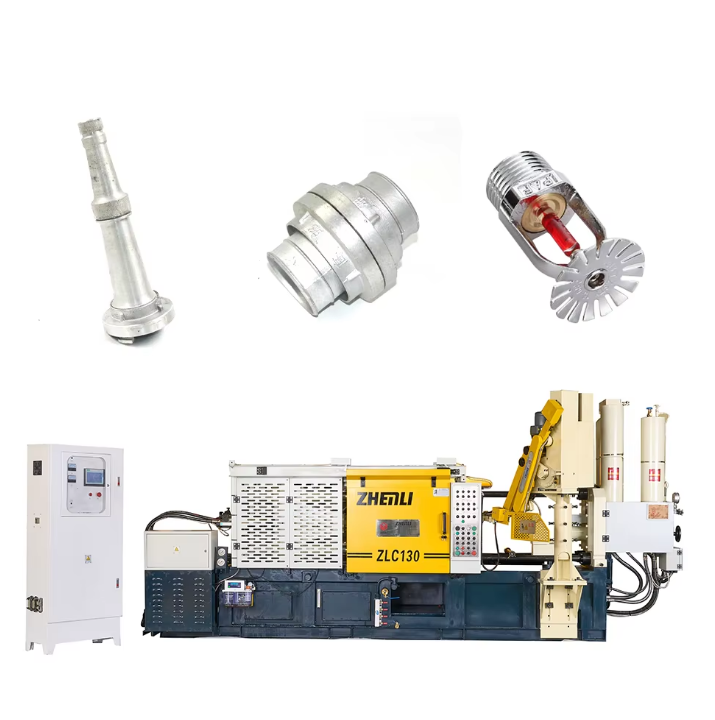
The First Mistake Most Small Foundries Make
Walking into a small foundry operation, the most common sight is a machine that’s either too large for the work or completely wrong for the alloy being processed. The equipment sits there, consuming floor space and capital, while production targets remain stubbornly out of reach. The selection process doesn’t have to be this complicated.
A 2025 sourcing guide for small die casting machines noted that entry-level models start around $7,900, while advanced semi-automatic systems can exceed $50,000. That’s a serious range, and getting it wrong means tying up working capital in the wrong asset. For a small foundry with limited runway, that kind of mistake can take years to recover from.
Hot Chamber vs. Cold Chamber: Not a Choice, a Requirement
The alloy being cast dictates the machine type—full stop. Hot chamber machines work with low-melting-point alloys like zinc and lead, with cycle times as fast as 10 to 30 seconds. The furnace is integrated into the machine, which means less equipment to buy and faster production right out of the gate.
Cold chamber machines, on the other hand, are built for aluminum, brass, and copper—metals that melt at much higher temperatures. Aluminum, for example, melts at 660°C, and the injection components need to handle that kind of heat without warping. A cold chamber setup requires a separate melting furnace, which adds to the initial investment but is non-negotiable for aluminum work.
A small foundry in the Midwest once purchased a hot chamber machine thinking it could handle both zinc and aluminum by swapping out the furnace. The machine lasted eight months before the injection components failed from thermal fatigue. The lesson: match the machine to the alloy, not the other way around.
Calculating Clamping Force the Right Way
Clamping force is the number that trips up more buyers than any other specification. The rule of thumb is simple: the projected area of the casting (including the runner system) multiplied by the casting pressure must be less than the machine’s clamping force. A 300-ton machine like the ZLC300 delivers 300 tons of clamping force, which is suitable for components like lead-acid car battery housings and medium-sized aluminum parts.
For larger components—truck engine blocks weighing 50 to 100 kg, for instance—clamping forces in the 10,000 kN to 30,000 kN range become necessary. The machine needs to hold the die closed against injection pressures that can reach 200 MPa. Under-spec the clamping force and the die will flash, sending molten metal spraying out and ruining both the part and the mold.
Many small foundries make the mistake of buying more clamping force than they actually need. A machine with excessive tonnage costs more to buy, more to run, and more to maintain. The smart approach is to calculate the minimum required clamping force and add a 10–15% safety margin—no more.
The Hidden Costs Nobody Talks About
Purchase price is only the beginning. A machine that looks cheap on paper can become expensive very quickly when energy consumption, maintenance intervals, and downtime are factored in.
Double-proportional hydraulic systems and variable frequency drives can reduce power consumption by 15–25% compared to conventional models. For a small foundry running two shifts, that difference can add up to thousands of dollars annually. Servo motor systems offer even better efficiency, though they come with a higher upfront cost.
Then there’s the question of control systems. Machines equipped with 10-inch touchscreen panels and fault self-diagnosis functions reduce operator training time from two weeks to about three days. For a small shop where the same person might be running multiple machines, that ease of use translates directly to productivity.
Supplier Capability Matters More Than the Brochure
The machine itself is only half the equation. The supplier’s ability to provide technical support, spare parts, and commissioning services matters just as much—especially for a small foundry that doesn’t have an in-house engineering team.
A supplier with a 20,000-square-meter facility and over 20 CNC machines has the manufacturing capacity to deliver consistent quality. Regional warehouses in multiple countries enable quick spare parts delivery, which is critical when a breakdown means lost production. One-stop service offerings—covering technical consulting, drawing design, sample testing, and on-site commissioning—can save a small foundry from piecing together support from multiple vendors.
A foundry in southern China once chose a machine based solely on price, only to discover that the supplier had no local service presence. Every breakdown meant waiting days for a technician to fly in. The lost production ate up the initial cost savings within six months.
The Practical Path Forward
For most small foundries, the smartest move is to start with a machine that matches the primary alloy and part size, with room to grow into slightly larger components. Cold chamber machines from established manufacturers like Zhenli offer clamping forces ranging from smaller units suitable for prototype work to larger models capable of handling production runs. The key is to buy from a supplier that can provide the full package—machine, installation, training, and ongoing support—rather than chasing the lowest price tag.