Die Casting Machine | High-Precision & Fast Cycle Time Solutions

[email protected]         +86-13302590675

Get a Free Quote

Our representative will contact you soon.
Email
Mobile/WhatsApp
Name
Company Name
Message
0/1000

Die Casting Machine - Comprehensive Range for Metal Casting by Jiangmen Zhenli

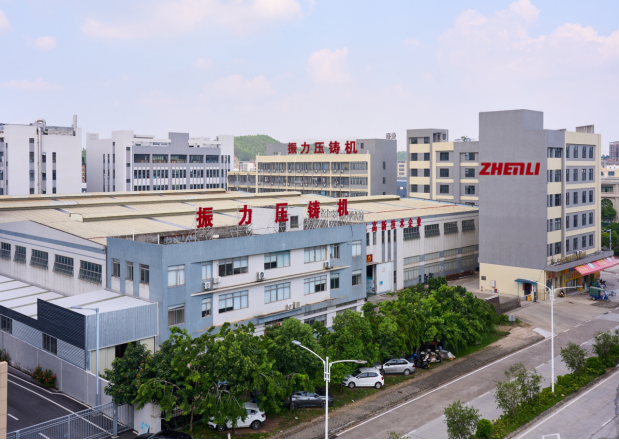
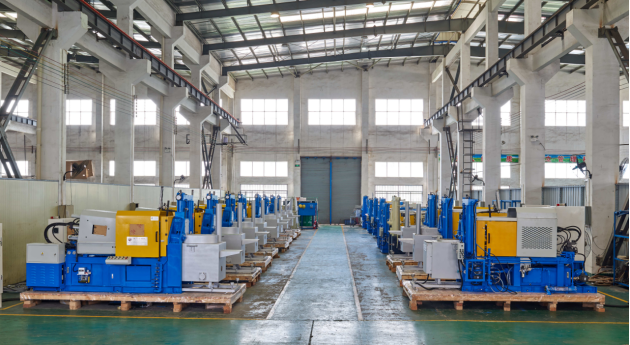
This page offers an overview of Zhenli’s die casting machine product line, covering hot/cold chamber, gravity, high/low pressure, automated, and small/large-tonnage models. Suitable for zinc, aluminum, brass, lead alloys, the machines feature ISO/CE-certified quality, intelligent controls, and durable structures. The page details applications (auto parts, faucets, industrial components), customization options, technical consulting, and global shipping. With a 20,000㎡ factory and 3 production lines, Zhenli delivers reliable die casting solutions for diverse industries, supporting 50+ countries with professional after-sales service.
Get A Quote

Advantages of the product

User Friendly Control System for Easy Operation

Equipped with a 10 inch touchscreen control panel and intuitive interface, the machines allow operators to set parameters (temperature, pressure, cycle time) with simple clicks. The system also has a fault self diagnosis function—if there is an abnormal temperature rise or pressure drop, it immediately alerts and displays the fault cause (e.g., "heating element failure," "hydraulic oil shortage"). This reduces the learning curve for new operators (training time shortened from 2 weeks to 3 days) and helps quickly resolve issues, ensuring smooth production.

Related products

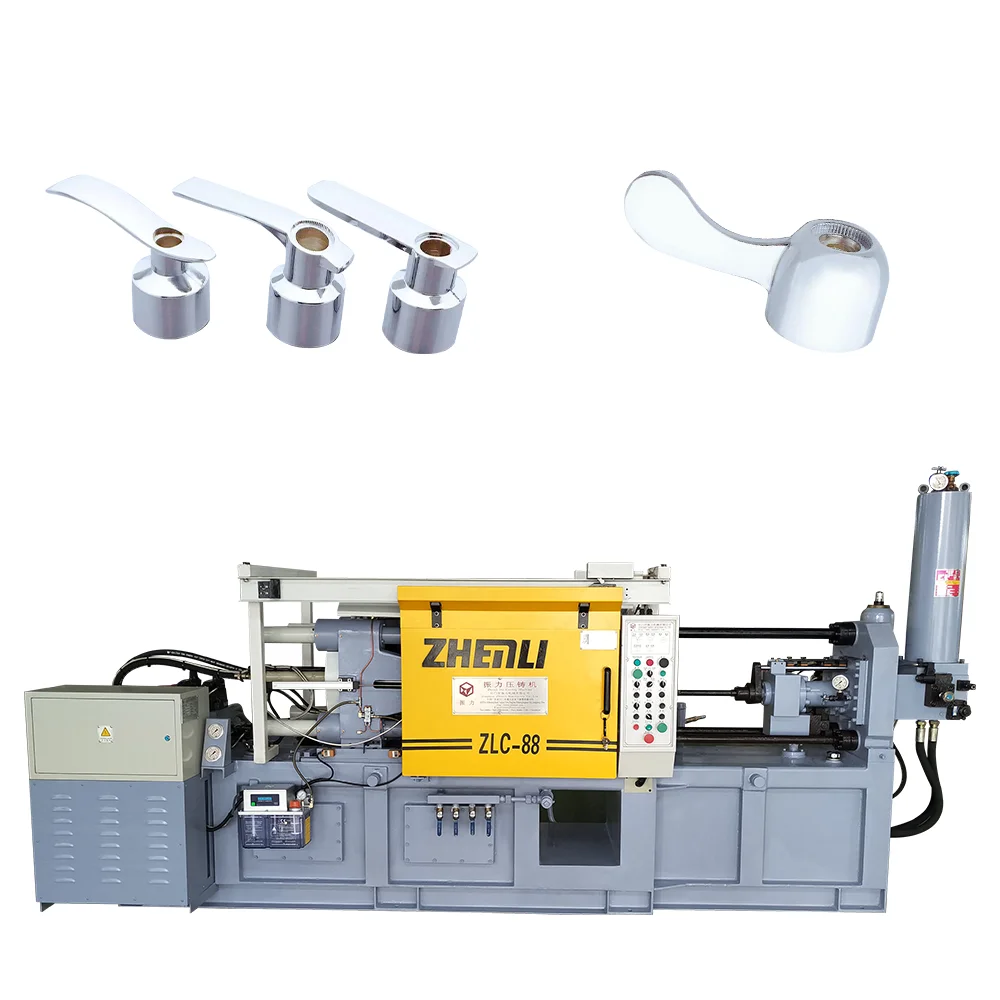
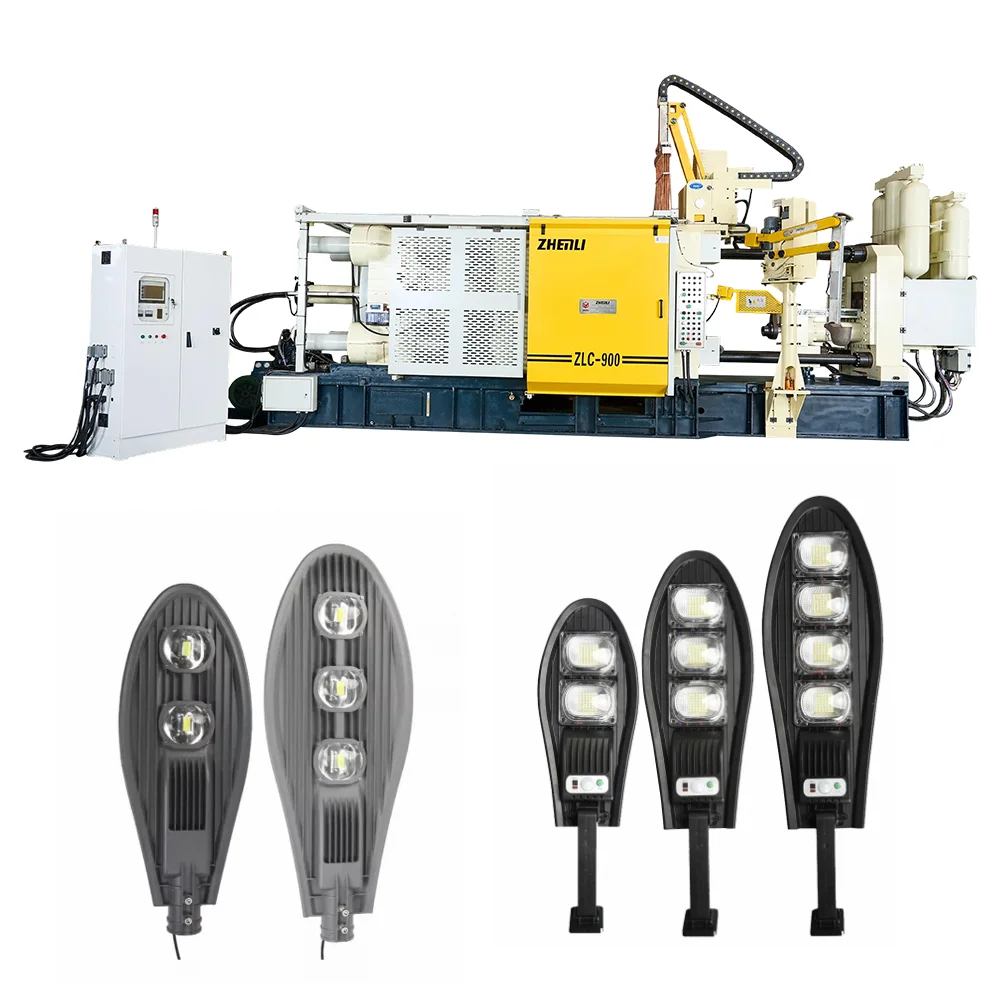
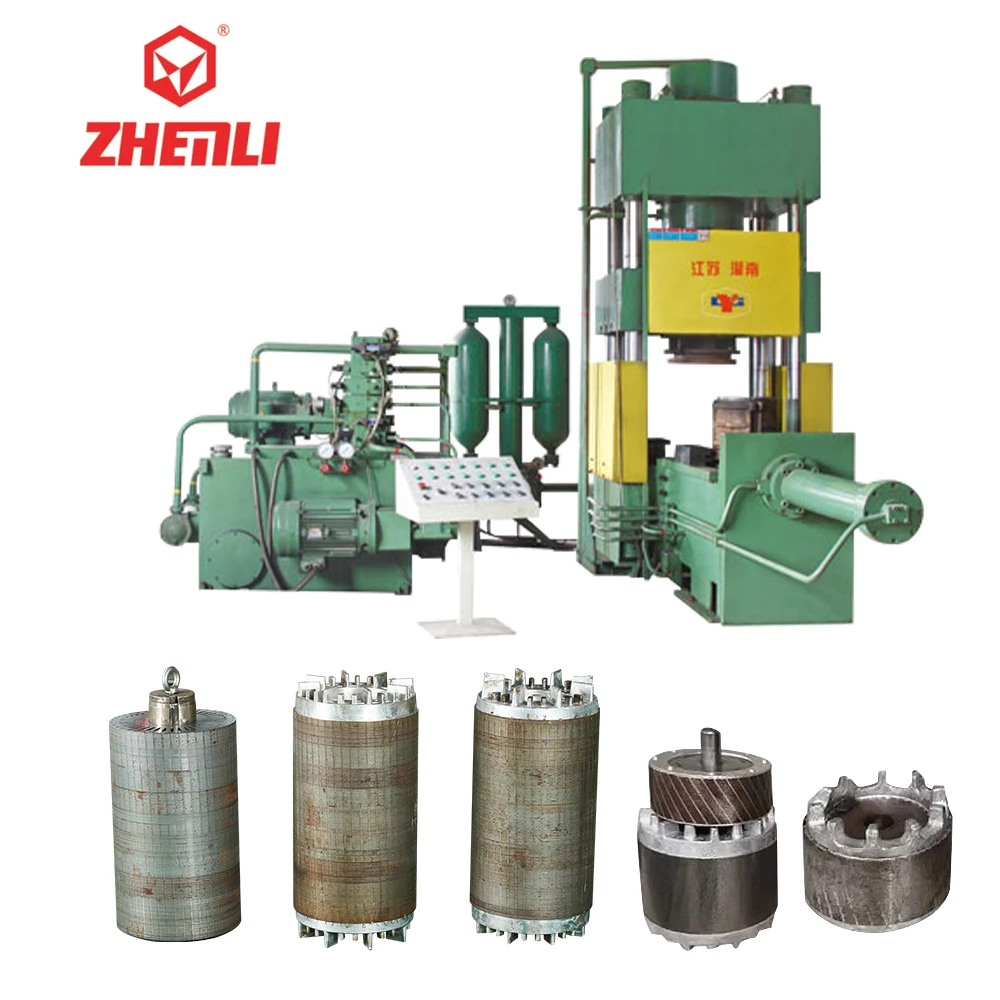
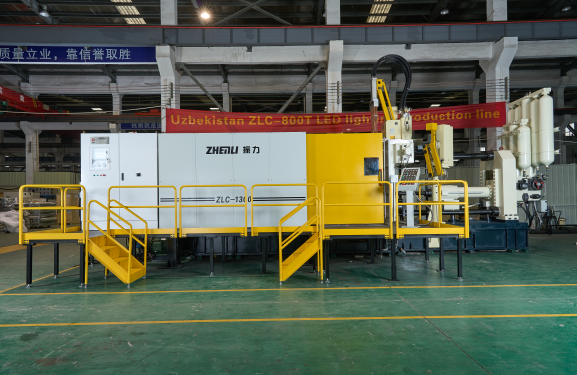
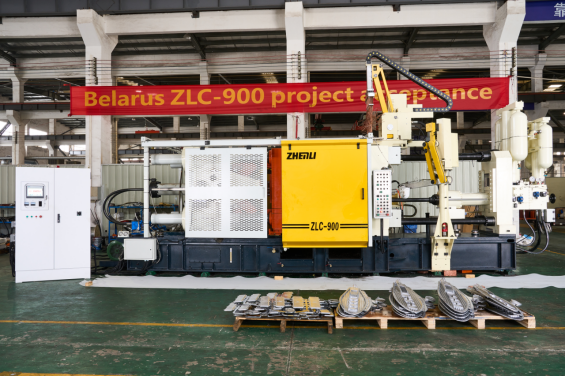
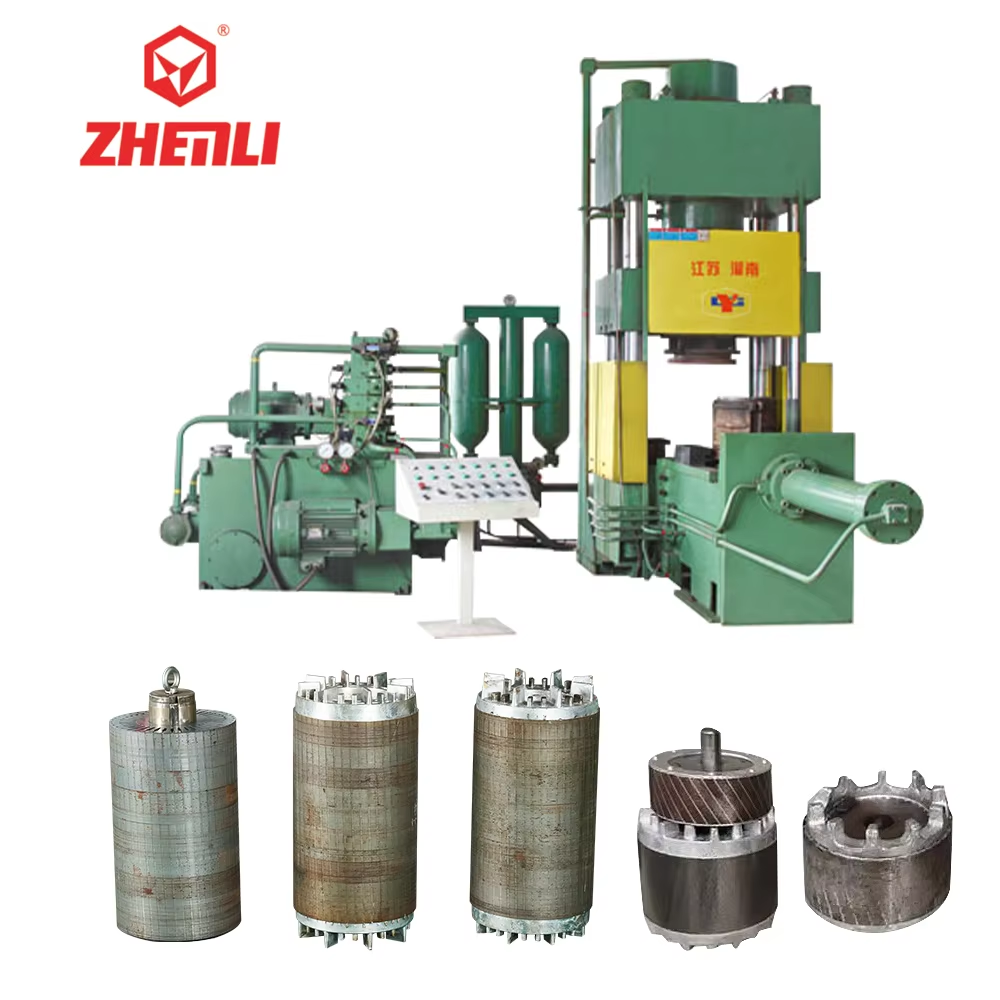
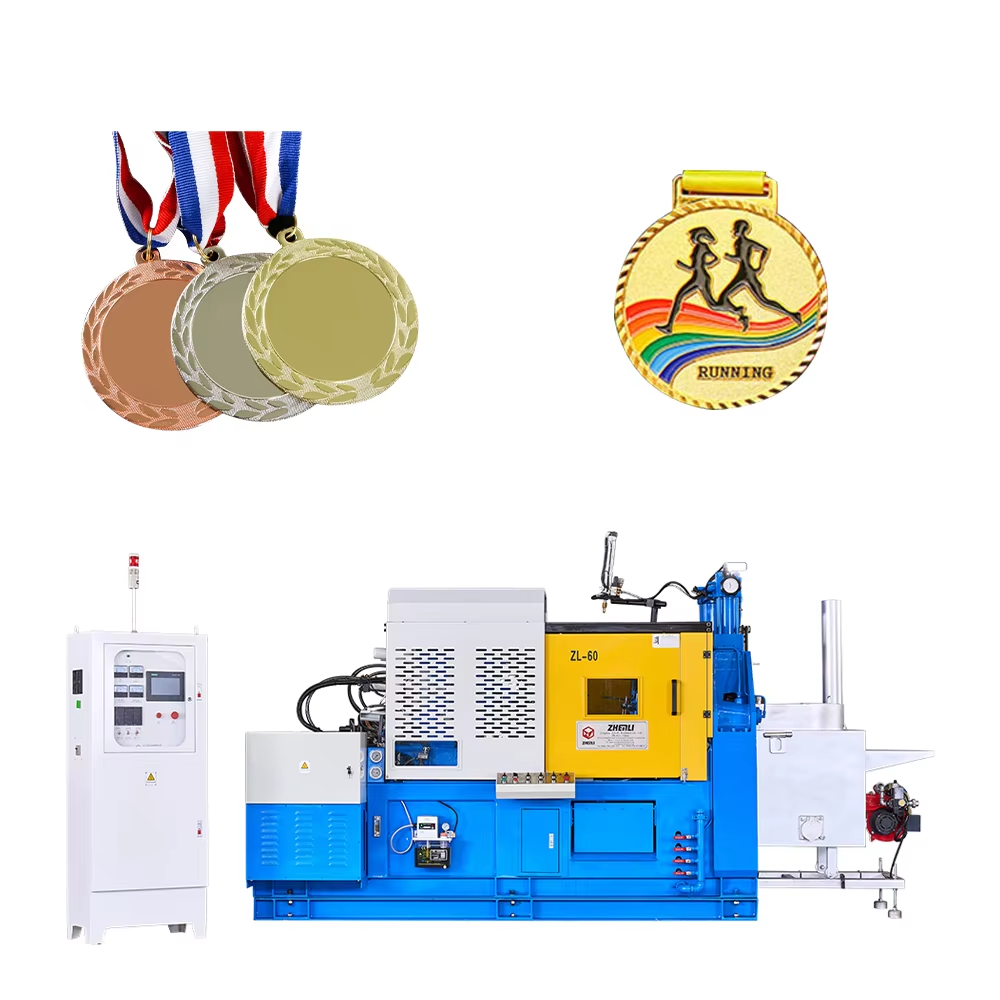
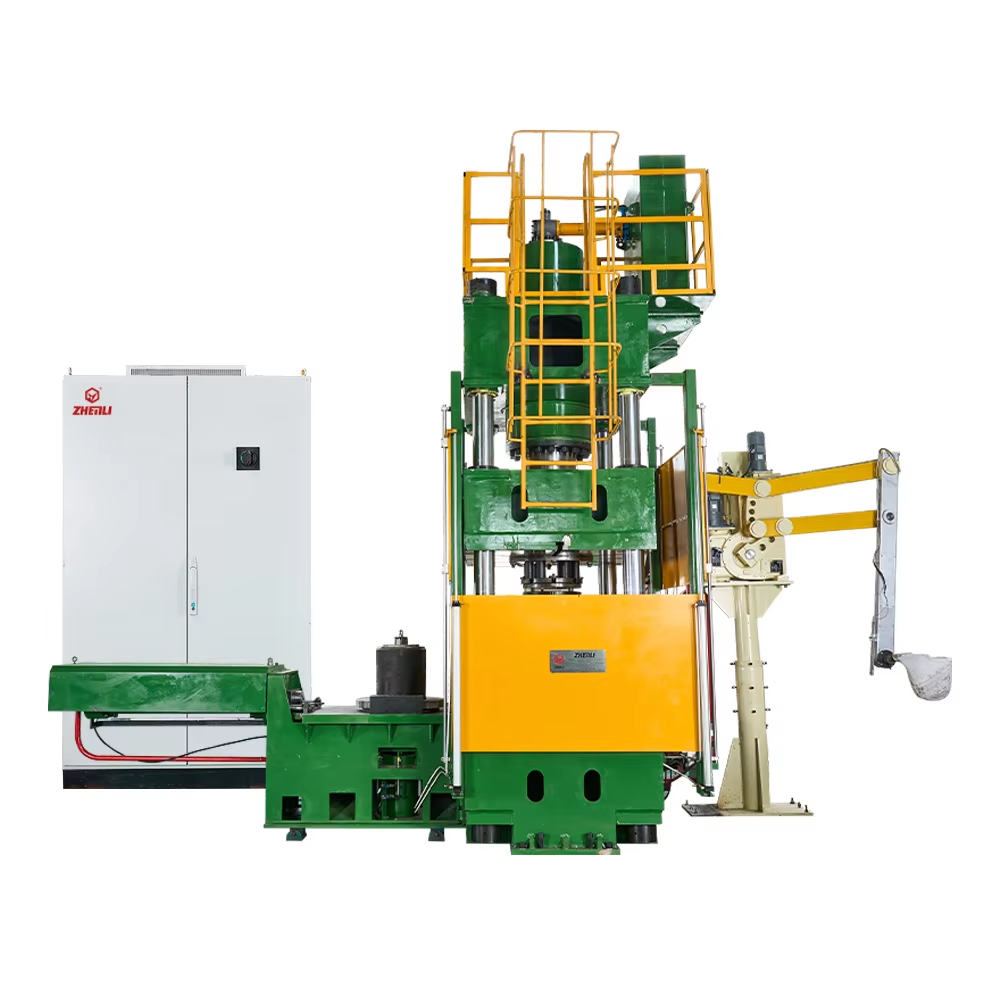
Die casting machine is a versatile manufacturing tool that injects molten metal into closed molds under pressure to produce precision components—serving as a backbone for industries worldwide. Jiangmen Zhenli Machinery’s die casting machine portfolio encompasses hot chamber, cold chamber, high pressure, low pressure, and gravity variants, with tonnages ranging from 12 to 4500 tons—supporting materials including zinc, aluminum, brass, lead, magnesium, and copper alloys. Hot chamber models are optimized for low melting point alloys (zinc, lead) with integrated furnaces for fast cycle times (10–30 seconds), ideal for high volume small parts. Cold chamber models handle high melting point alloys (aluminum, brass) with separate melting furnaces and hardened steel injection components, suitable for large, high strength parts. Core features across the lineup include precision injection systems (stabilized pressure control, ±0.1 mm stroke accuracy), robust die clamping units (servo hydraulic drives, high force retention), and advanced intelligent controllers (Siemens/ARCUCHI) with real time monitoring, data logging, and recipe storage. Energy efficiency is a unifying focus, with double proportional hydraulics, variable frequency drives, and heat recovery systems reducing power consumption by 15–25% vs. conventional models. Safety compliance is universal, meeting ISO 9001, CE, and regional standards (OSHA, JIS) via emergency stops, safety interlocks, and leak detection. Customization capabilities range from minor modifications (furnace type, control system upgrades) to full drawing based design adaptations for unique part geometries. Zhenli’s one stop service covers technical consulting to select the right machine type/tonnage, mold compatibility testing, sample production, global logistics, on site installation/commissioning, operator training, and 24/7 after sales support. The company’s 20,000 ㎡ facility with over 20 CNC machines ensures high quality component manufacturing, while regional warehouses in 50+ countries enable quick spare parts delivery. Whether producing automotive engine components, electrical connectors, or industrial hardware, Zhenli’s die casting machines deliver consistent precision (tolerance ±0.02 mm), durability, and scalability—adapting to the diverse needs of manufacturers from SMEs to multinational corporations. With a focus on total cost of ownership, these machines balance upfront investment with low operational and maintenance costs—making them a reliable choice for global production.

Frequently Asked Questions

What operation modes do the die casting machines offer?

They offer three operation modes: Simple Manual, Full Automatic, and Low Pressure. Manual mode is for small batch production with manual adjustments. Automatic mode suits large scale lines by automating the entire casting process. Low pressure mode optimizes mold filling, ensuring high precision, defect free parts for automotive use.

Related Articles

What Are the Key Advantages of Modern Aluminum Die Casting Machines?

27

Oct

What Are the Key Advantages of Modern Aluminum Die Casting Machines?

Precision and Dimensional Accuracy in Aluminum Die Casting Machine Operations Modern aluminum die casting machines deliver ±0.25mm dimensional tolerances, enabling sub-millimeter precision essential for aerospace components and medical devic...
View More
What Factors Determine the Choice of Metal Casting Machinery?

27

Oct

What Factors Determine the Choice of Metal Casting Machinery?

Casting Method and Compatibility with Metal Casting Machinery How Different Casting Methods Influence Machinery Requirements What kind of casting gets chosen really affects what sort of machinery ends up being needed for metal casting operations, e...
View More
Why Consider a Supplier with Both R&D and Production Capabilities?

27

Oct

Why Consider a Supplier with Both R&D and Production Capabilities?

Faster Innovation and Shorter Time to Market Integration of R&D and production systems for faster innovation cycles Integrated R&D and production systems eliminate costly handoffs between teams, creating a closed-loop feedback process. Engineers ga...
View More
How to Ensure Quality Consistency in Zinc Die Casting Operations?

27

Oct

How to Ensure Quality Consistency in Zinc Die Casting Operations?

Material Selection and Alloy Integrity for Reliable Zinc Die Casting Importance of Alloy Type in Zinc Die Casting Properties Choosing the right zinc alloy makes all the difference when it comes to how well something performs mechanically and how ma...
View More

customer evaluation

Isabella

We use this for aluminum engine blocks. Its die casting precision is top tier—critical holes have ±0.02mm tolerance. The defect rate is under 1%, far lower than our old machine’s 5%. It’s fully automatic, needing only 1 worker to monitor, cutting labor costs. It runs 12 hours non stop, meeting mass production demands.

Get a Free Quote

Our representative will contact you soon.
Email
Mobile/WhatsApp
Name
Company Name
Message
0/1000
High Precision for Complex Auto Components

High Precision for Complex Auto Components

This die casting machine excels at producing complex, high precision parts like aluminum engine blocks and gear housings. It achieves a tolerance of ±0.02mm for critical features (such as engine cylinder bores) and maintains consistent dimensional accuracy across large batches. The machine’s advanced plunger control ensures molten metal fills mold cavities evenly, avoiding thin spots or overflows. This precision meets the strict requirements of the automotive industry, where even small deviations can affect engine performance or part fitment.
Fast Cycle Time to Improve Productivity

Fast Cycle Time to Improve Productivity

With a cycle time as short as 2 minutes per part (for standard engine blocks), this machine outperforms traditional die casters by 30–40%. It heats up quickly (reaching operating temperature in 30 minutes) and uses an efficient cooling system to speed up part solidification. For factories running 12 hour shifts, this translates to a daily output of 1,400–1,600 parts—up from 900–1,100 with older machines. The fast cycle time helps meet high volume orders without extending working hours.
Durable Components for Long Service Life

Durable Components for Long Service Life

All critical components are built to withstand the harsh conditions of die casting. The mold is made of H13 hot work tool steel, which resists wear and thermal fatigue, lasting up to 100,000 casting cycles before needing repair. The hydraulic system uses high pressure hoses and seals that handle repeated pressure changes without leaks, and the heating element is a nickel chromium alloy that maintains consistent heat output for years. Most users report 3–5 years of trouble free operation with regular maintenance.
WhatsApp WhatsApp
WhatsApp
Email Email Inquiry Inquiry TopTop