 EN
EN



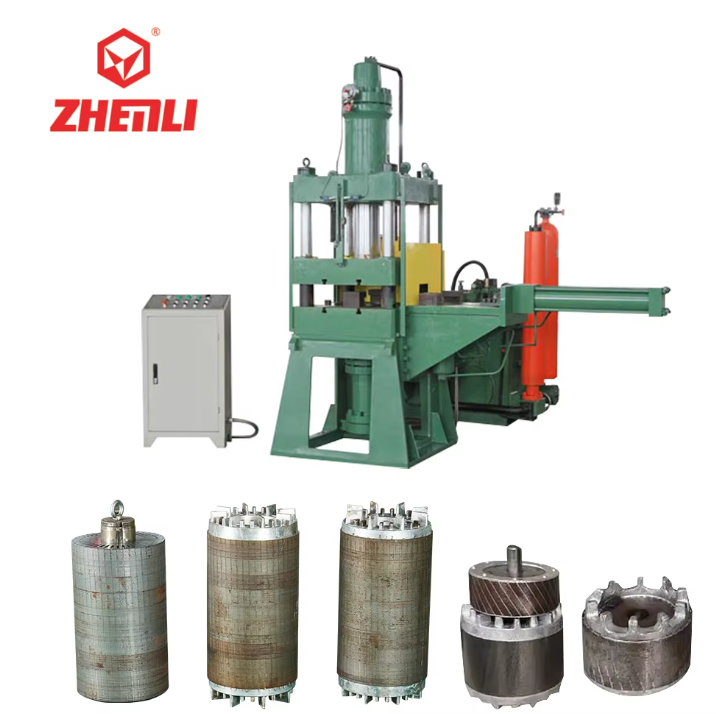
ການເຂົ້າໃຈປະເພດຂອງເຄື່ອງຫຼໍ້າຮູບ ແລະ ຄວາມສາມາດຫຼັກ
ພື້ນຖານແລ້ວ ມີເຄື່ອງຫຼໍ່ຂຶ້ນຮູບສອງປະເພດທີ່ເຮັດວຽກຕ່າງກັນໄປຕາມວິທີທີ່ຈັດການກັບລະຫວ່າງທີ່ຢູ່ໃນສະພາບເຫຼວ: ລະບົບຫ້ອງຮ້ອນ (hot chamber) ແລະ ລະບົບຫ້ອງເຢັນ (cold chamber). ເຄື່ອງຫ້ອງຮ້ອນຈະເກັບສ່ວນທີ່ໃຊ້ສົ່ງເຂົ້າໄວ້ໃນບ່ອນທີ່ມີລະຫວ່າງທີ່ຢູ່ໃນສະພາບເຫຼວຢູ່ຕະຫຼອດເວລາ, ເຊິ່ງເຮັດໃຫ້ວຟັງການເກີດຂຶ້ນໄດ້ຢ່າງໄວວາ. ສິ່ງນີ້ເຮັດໃຫ້ເຄື່ອງເຫຼົ່ານີ້ເໝາະສຳລັບການຜະລິດເປັນຈຳນວນຫຼາຍເຊັ່ນ: ສ່ວນປະກອບທີ່ເຮັດຈາກສັງກະສີ ຫຼື ແມກນີເຊີອຸມ, ເຊັ່ນ: ຕົວເຊື່ອມຕໍ່ໄຟຟ້າ, ເນື່ອງຈາກເຄື່ອງເຫຼົ່ານີ້ມີຈຸດລະລາຍທີ່ຕ່ຳ (ປະມານ 419 ອົງສາເຊັນຕີເགຣດ). ວິທີການນີ້ຈະມີປະສິດທິພາບຫຼາຍຂຶ້ນເມື່ອເຮັດວຽກກັບວັດຖຸທີ່ບໍ່ຕ້ອງການອຸນຫະພູມສູງເກີນໄປ. ເຄື່ອງຫ້ອງເຢັນເຮັດວຽກຕ່າງກັນໂດຍການເທລະຫວ່າງທີ່ຢູ່ໃນສະພາບເຫຼວເຂົ້າໄປໃນຫ້ອງທີ່ຢູ່ດ້ານນອກກ່ອນທີ່ຈະສົ່ງເຂົ້າໄປໃນບ່ອນຂຶ້ນຮູບ. ເຄື່ອງເຫຼົ່ານີ້ຈຳເປັນສຳລັບວຽກທີ່ຫຍຸ່ງຍາກກວ່າເຊັ່ນ: ການຫຼໍ່ດ້ວຍແອລູມີເນີອຸມ (ທີ່ມີຈຸດລະລາຍປະມານ 660 ອົງສາເຊັນຕີເກຣດ) ຫຼື ອະນຸກົມທີ່ມີສ່ວນປະກອບຂອງທີງ, ໂດຍທີ່ລະຫວ່າງທີ່ຢູ່ໃນສະພາບເຫຼວຈະຕ້ອງຖືກຈັດການໃນອຸນຫະພູມທີ່ສູງຫຼາຍ. ພວກເຮົາຈະເຫັນເຄື່ອງຫ້ອງເຢັນຖືກນຳໃຊ້ຢ່າງກວ້າງຂວາງໃນການຜະລິດອຸດສາຫະກຳລົດ ເພື່ອຜະລິດສ່ວນປະກອບທີ່ສຳຄັນດ້ານໂຄງສ້າງເຊັ່ນ: ຕົວເຄື່ອງຈັກ.
ການໄປເຖິງຂ້າງນອກຈາກການຕັ້ງຄ່າພື້ນຖານ, ມີການອັບເກຣດພິເສດທີ່ຊ່ວຍຍົກສູງຄວາມສາມາດຂອງລະບົບເຫຼົ່ານີ້ຢ່າງແທ້ຈິງ. ການຫຼໍ່ດ້ວຍສຸນຍາກາດ (Vacuum die casting) ຊ່ວຍຫຼຸດຜ່ອນບ່ອນທີ່ມີອາກາດຕິດຢູ່ໃນຊິ້ນສ່ວນທີ່ຕ້ອງຮັບນ້ຳໜັກ, ໃນຂະນະທີ່ເວີຊັ່ນທີ່ໃຊ້ຄວາມກົດດັນສູງຈະໃຫ້ຜິວໜ້າທີ່ເລືອມງາມຢ່າງຍິ່ງ, ມີຄ່າ Ra 1.6 ມິກໂຣນ ຫຼືດີກວ່າ, ເຊິ່ງເປັນສິ່ງທີ່ສຳຄັນຫຼາຍເມື່ອຜະລິດເຄື່ອງປ້ອງກັນ (cases) ສຳລັບອຸປະກອນເຊັ່ນ: ໂທລະສັບມືຖື. ເຄື່ອງຈັກໃນປັດຈຸບັນມາພ້ອມດ້ວຍຂັ້ນຕອນການສູບເຂົ້າ (injection stages) ທີ່ຄວບຄຸມດ້ວຍຄອມພິວເຕີ ແລະ ຄວາມກົດດັນຂອງການຈັບ (clamping pressures) ຕັ້ງແຕ່ 100 ຕັນ ຫາກ 4,000 ຕັນ ຂຶ້ນກັບລະດັບຄວາມສັບສົນຂອງຊິ້ນສ່ວນທີ່ຕ້ອງການ. ຮຸ່ນໃໝ່ທີ່ປະຢັດພະລັງງານຈະຫຼຸດການໃຊ້ໄຟຟ້າລົງປະມານ 40% ໂດຍອີງໃສ່ລະບົບໄຮໂດຣລິກທີ່ສຸກເສີນ (clever hydraulic systems) ທີ່ຮີໄຊເຄີລ໌ພະລັງງານ ແລະ ປັ້ມໄຟຟ້າແທນທີ່ຈະໃຊ້ປັ້ມແບບດັ້ງເດີມ. ປະສິດທິພາບແບບນີ້ເຮັດໃຫ້ເກີດຄວາມແຕກຕ່າງຢ່າງຈິງໃຈໃນການດຳເນີນງານປະຈຳວັນ ໂດຍສະເພາະໃນໂຮງງານທີ່ເຮັດວຽກຢ່າງຕໍ່ເນື່ອງ.
ສະເພີຟິເຄຊັ່ນທາງດ້ານເຕັກນິກທີ່ສຳຄັນທີ່ມີຜົນຕໍ່ປະສິດທິພາບການຜະລິດ
ສາມເສົາເທັກນິກທີ່ສຳຄັນກຳນົດປະສິດທິພາບການຜະລິດຂອງເຄື່ອງຫຼໍ່ແບບຕີຂຶ້ນຮູບ: ຄວາມສາມາດໃນການຈັບຈຸ່ມ, ຄວາມສາມາດຂອງລະບົບການຍິງ (shot system), ແລະ ຄວາມພ້ອມໃນການອັດຕະໂນມັດ. ການປັບປຸງຂໍ້ກຳນົດເຫຼົ່ານີ້ໃຫ້ດີທີ່ສຸດຈະຊ່ວຍຫຼຸດເວລາທີ່ເຄື່ອງຢຸດເຮັດວຽກລົງ ແລະ ເພີ່ມປະລິມານການຜະລິດໃຫ້ສູງສຸດສຳລັບການດຳເນີນງານໃນປະລິມານຫຼາຍ.
ຄວາມແຮງຈັບຈຸ່ມ, ຄວາມຈຸຂອງການຍິງ (Shot Capacity), ແລະ ເວລາວຟົງ (Cycle Time)
ຄວາມແຮງຈັບຈຸ່ມ—ທີ່ວັດແທກເປັນຕັນ—ຈະຕ້ອງເກີນຄວາມແຮງທີ່ເກີດຂຶ້ນຈາກການແຍກແມ່ພິມໃນເວລາທີ່ປ້ອນວັດຖຸເຂົ້າໄປ. ຖ້າຄວາມແຮງບໍ່ພຽງພໍ ຈະເຮັດໃຫ້ເກີດຂໍ້ບົກເບື່ອນທີ່ເປັນສ່ວນເກີນ (flash defects) ເຊິ່ງຈະຕ້ອງໄດ້ຮັບການຕັດແຕ່ງເພີ່ມເຕີມ; ສ່ວນຖ້າຄວາມແຮງຫຼາຍເກີນໄປຈະເຮັດໃຫ້ເກີດການສຶກຫຼຸດ (wear) ຢ່າງໄວວ່າຕໍ່ແຜ່ນຈັບ (platens) ແລະ ຕົວຢືດ (tie bars). ຕົວຢ່າງເຊັ່ນ: ການປະກອບເປືອກອະລູມິເນີ້ມທີ່ມີຄວາມຫນາດບາງ ມັກຈະຕ້ອງການຄວາມແຮງຈັບຈຸ່ມ 600–800 ຕັນ ເພື່ອຮັບປະກັນຄວາມສະຖຽນຂອງຂະໜາດ ແລະ ຂັບໄຂ່ນອກຈາກການເກີດສ່ວນເກີນ (flashing).
ຄວາມຈຸຂອງການຍິງ (Shot capacity) ແທ້ຈິງແລ້ວບອກເຮົາເຖິງປະລິມານຂອງລະຫວ່າງທີ່ເປັນຂອງເຫຼວທີ່ສາມາດໃສ່ໄດ້ໃນໜຶ່ງວຟູການຂອງຂະບວນການ. ເມື່ອຕົວເລກນີ້ຕ່ຳເກີນໄປ, ພວກເຮົາຈະໄດ້ຮັບຜົນໄດ້ຮັບທີ່ບໍ່ຄົບຖ້ວນໃນການເຕີມແບບ (incomplete mold fills) ແລະ ວັດຖຸດິບຈະສູນເສຍຢ່າງຫຼວງຫຼາຍ ແລະ ສົ່ງໄປຢູ່ໃນກອງຂີ້ເຫຼັກທີ່ຖືກປະຖິ້ມທັນທີ. ໃນທາງກົງກັນຂ້າມ, ການເຮັດໃຫ້ຫ້ອງການ (chamber) ໃຫຍ່ເກີນໄປຈະເຮັດໃຫ້ເກີດການສູນເສຍພະລັງງານຄວາມຮ້ອນຢ່າງບໍ່ຈຳເປັນ ແລະ ຈະເຮັດໃຫ້ແຕ່ລະວຟູການຜະລິດໃຊ້ເວລາດົນກວ່າທີ່ຈຳເປັນ. ເວລາທີ່ແຕກຕ່າງກັນລະຫວ່າງເວລາທີ່ເຮັດການສູບເຂົ້າ (metal injection) ແລະ ເວລາທີ່ຊິ້ນສ່ວນທີ່ສຳເລັດແລ້ວອອກມາ ມີຜົນກະທົບໂດຍກົງຕໍ່ຕົວເລກຜົນຜະລິດທີ່ພວກເຮົາຈະເຫັນໃນທ້າຍແຕ່ລະມື້. ຕົວຢ່າງເຊັ່ນ: ການຜະລິດເຄື່ອງຈັກສຳລັບລົດ (automotive bracket) ທີ່ໃຊ້ເວລາ 45 ວິນາທີ ເພື່ອຜະລິດອັນດຽວ, ຖ້າຫາກຫຼຸດເວລາລົງເພີຍງ 1 ວິນາທີ ກໍຈະເຮັດໃຫ້ຜະລິດເພີ່ມຂື້ນປະມານ 64 ຊິ້ນ ໃນເວລາເຮັດວຽກ 8 ຊົ່ວໂມງ. ສຳລັບບໍລິສັດທີ່ດຳເນີນການໃນຂະໜາດໃຫຍ່, ການຫຼຸດເວລາວຟູການໃຫ້ຕ່ຳກວ່າ 60 ວິນາທີ ແມ່ນເປັນເປົ້າໝາຍອັນດັບຕົ້ນ. ພວກເຂົາບັນລຸເປົ້າໝາຍນີ້ດ້ວຍການຄວບຄຸມອຸນຫະພູມຢ່າງລະອຽດທົ່ວທັງລະບົບ ແລະ ຮັບປະກັນວ່າຊິ້ນສ່ວນທັງໝົດທີ່ເคลື່ອນໄຫວຈະເຮັດວຽກຮ່ວມກັນໄດ້ຢ່າງລຽບລ້ອນ ໂດຍບໍ່ມີການລ່າຊ້າ.
| ຂໍ້ມູນຈັດລາຍການ | ຜົນກະທົບຕໍ່ປະສິດທິພາບ | ຄຳແນະນຳດ້ານການເພີ່ມປະສິດທິພາບ |
|---|---|---|
| ລຸ້ມຂອງແຈກ | ປ້ອງກັນການລົ້ນ (flash) / ຂໍ້ບົກເບີ່ນ | ເປົ້າໝາຍ ≥1.3× ຄວາມດັນສູງສຸດໃນບ່ອນຫວ່າງ |
| ຄວາມຈຸຂອງການຫຼໍ່ໃນແຕ່ລະວຟ | ຫຼຸດຜ່ອນການເຕີມບໍ່ຄົບຖ້ວນ | ຂະໜາດໃຫ້ເທົ່າກັບ 110% ຂອງປະລິມານຊິ້ນສ່ວນ + ການຈັດສັນສ່ວນເກີນ |
| ເວລາຂອງວົງຈອນ | ເພີ່ມຜະລິດຕະພັນຕໍ່ຊົ່ວໂມງໃຫ້ສູງສຸດ | ບັນລຸເວລາ <60 ວິນາທີ ໂດຍການຄວບຄຸມອຸນຫະພູມິ ແລະ ການຊື່ອງທາງການເຄື່ອນໄຫວ |
ການບູລະນາການກັບລະບົບອັດຕະໂນມັດ ແລະ ອັດຕາປະສິດທິຜົນດ້ານພະລັງງານ
ອຸປະກອນການຖືກຫຼັ້ມໃນມື້ນີ້ມາພ້ອມດ້ວຍລະບົບຄວບຄຸມ PLC ແລະ ເຊັນເຊີ IoT ທີ່ຕິດຕັ້ງຢູ່ໃນຕົວເຄື່ອງ ເຊິ່ງຊ່ວຍໃຫ້ຜູ້ປະຕິບັດການສາມາດຕິດຕາມຂະບວນການໄດ້ເທິງໆຈຸດ ແລະ ປັບປຸງໄດ້ທັນທີທັນໃດ ເຊິ່ງຊ່ວຍຫຼຸດຜ່ອນຄວາມຈຳເປັນໃນການເຮັດວຽກດ້ວຍມືຢ່າງຕໍ່ເນື່ອງ. ເມື່ອໂຮງງານຕິດຕັ້ງລະບົບຫຼໍ່ນ້ຳມັນອັດຕະໂນມັດຮ່ວມກັບແຂວນຫຸ່ນຍົນເພື່ອຈັບຊິ້ນສ່ວນທີ່ສຳເລັດແລ້ວ ມັກຈະເຫັນປະສິດທິພາບເພີ່ມຂຶ້ນລະຫວ່າງ 15% ຫາ 30%. ສຳລັບຮ້ານທີ່ຈິງຈັງກັບການຫຼຸດຄ່າໃຊ້ຈ່າຍ ເຄື່ອງຈັກທີ່ສອດຄ່ອງກັບມາດຕະຖານ ISO 50001 ຄຸ້ມຄ່າທີ່ຈະພິຈາລະນາ ເນື່ອງຈາກມັນສາມາດຫຼຸດການຜະລິດອາລູມີເນີ້ມໄດ້ເຖິງປະມານເຄິ່ງກິໂລວັດຕ໌-ຊົ່ວໂມງຕໍ່ກິໂລແກຣມ ໂດຍຜ່ານລະບົບໄຮໂດຣລິກທີ່ຟື້ນຟູໄດ້ (regenerative hydraulics) ແລະ ປັ້ມເຊີໂວທີ່ທັນສະໄໝ. ການເລືອກເຄື່ອງຈັກທີ່ມີສະຖາປັດຕະຍາການ API ເປີດ (open API architecture) ກໍເປັນເຫດຜົນທີ່ດີເຊັ່ນກັນ ເນື່ອງຈາກມັນເຂົ້າກັນໄດ້ດີກັບລະບົບ Industry 4.0 ທີ່ມີຢູ່ແລ້ວ. ການເຊື່ອມຕໍ່ແບບນີ້ເປີດເຜີຍທາງສຳລັບການຄາດການເວລາທີ່ຊິ້ນສ່ວນຈະເສຍຫາຍ, ການທຳການວິເຄາະບໍ່ໄດ້ຢູ່ບ່ອນ (remote diagnostics), ແລະ ການຕິດຕາມຄຸນນະພາບຜະລິດຕະພັນຜ່ານຂໍ້ມູນທີ່ແທ້ຈິງ ແທນທີ່ຈະເປັນການຄາດເດົາ.
ການຈັບຄູ່ຄວາມສາມາດຂອງເຄື່ອງຫຼໍ້ນ້ຳຢາງກັບຄວາມຕ້ອງການຂອງຊິ້ນສ່ວນຂອງທ່ານ
ຄວາມເຂົ້າກັນໄດ້ຂອງໂລຫະປະສົມ (ສັງກະສີ, ອາລູມິນຽມ, ແມກນີຊຽມ)
ການເລືອກເຄື່ອງຈັກທີ່ເໝາະສົມຂຶ້ນຢູ່ກັບວິທີທີ່ອາຫຼູມິເນຍຕ່າງໆຈັດການກັບຄວາມຮ້ອນຢ່າງຫຼາຍ. ສັງການເຮັດວຽກໄດ້ດີທີ່ສຸດກັບລະບົບຫ້ອງຮ້ອນ (hot chamber) ເນື່ອງຈາກມັນຫຼີ້ນທີ່ອຸນຫະພູມຕ່ຳຫຼາຍ, ເຮັດໃຫ້ມີວຟູງການຜະລິດທີ່ໄວ ແລະ ມີຄວາມຖືກຕ້ອງສູງຫຼາຍເຖິງ 0.1 ມີແລັກເຊີ. ແຕ່ເມື່ອເປັນເລື່ອງຂອງອາຫຼູມິເນຍ ແລະ ແມກນີເຊີອຸມ, ສິ່ງຕ່າງໆກາຍເປັນຄວາມທ້າທາຍຫຼາຍຂຶ້ນ. ວັດຖຸເຫຼົ່ານີ້ຕ້ອງໃຊ້ເຄື່ອງຈັກຫ້ອງເຢັນ (cold chamber) ເພື່ອປ້ອງກັນບໍ່ໃຫ້ເຄື່ອງຈັກເສຍຫາຍຈາກການກັດກິນ ຫຼື ອຸນຫະພູມສູງເກີນໄປ. ແມກນີເຊີອຸມເປັນເລື່ອງທີ່ອັນຕະລາຍເປັນພິເສດເນື່ອງຈາກມັນຈະເລີ່ມຕິດໄຟເມື່ອອຸນຫະພູມເກີນ 650 ອົງສາເຊີເລີອູດ. ນີ້ໝາຍຄວາມວ່າຈຳເປັນຕ້ອງມີມາດຕະການປ້ອງກັນເພີ່ມເຕີມເຊັ່ນ: ການເຮັດວຽກໃນບໍລິເວນທີ່ບໍ່ມີອົກຊີເຈັນ (inert atmosphere) ແລະ ມີລະບົບດັບເພິງທີ່ມີປະສິດທິພາບສູງ. ເມື່ອຜູ້ຜະລິດເຮັດຜິດໃນການເລືອກໃຊ້ເງື່ອນໄຂເຫຼົ່ານີ້, ພວກເຂົາຈະເກີດບັນຫາຕ່າງໆເຊັ່ນ: ຊິ້ນສ່ວນສຶກຫຼຸດໄວເກີນໄປ, ການເຕີມວັດຖຸດິບບໍ່ເທົ່າທຽງກັນໃນຂະນະທີ່ປະກົບ, ແລະ ມີບ່ອນທີ່ມີອາກາດຢູ່ໃນຜະລິດຕະພັນສຸດທ້າຍໃນລະດັບທີ່ສູງຂຶ້ນ. ບັນຫາເຫຼົ່ານີ້ທັງໝົດເຮັດໃຫ້ຄວາມແຂງແຮງຂອງຜະລິດຕະພັນອ່ອນລົງ ແລະ ລົດຕ່ຳປະສິດທິພາບຂອງຂະບວນການປະມວນຜົນຕໍ່ເນື້ອຫຼັງ.
ຄວາມສັບສົນຂອງຊິ້ນສ່ວນ, ຄວາມຕ້ອງການດ້ານຄວາມຖືກຕ້ອງ, ແລະ ເປົ້າໝາຍດ້ານຄຸນນະພາບພື້ນໜ້າ
ການປະມວນຜົນຄວາມກົດດັນສູງ (HPDC) ເຮັດວຽກໄດ້ດີຫຼາຍໃນເວລາທີ່ການຈັດການກັບຮູບຊົງທີ່ສັບສົນທີ່ຕ້ອງການຂະ ຫນາດ ທີ່ແນ່ນອນແລະພື້ນຜິວທີ່ລຽບ. ຄິດເຖິງກໍລະນີທີ່ມີຝາຜະ ຫນັງ ເບົາໆ ສໍາ ລັບເຄື່ອງໃຊ້ເອເລັກໂຕຣນິກ ຫຼືສ່ວນປະກອບ ສໍາ ລັບອຸປະກອນການແພດ ບ່ອນທີ່ການຫັນປ່ຽນເລັກນ້ອຍກໍ່ມີຜົນ ສໍາ ຄັນຫຼາຍ. ຂະບວນການນີ້ມັກຈະຕີປະມານ + ຫຼື - 0,1 ມມໃນແງ່ຂອງຄວາມແມ່ນຍໍາ, ແລະສາມາດເຮັດໃຫ້ການ ສໍາ ເລັດຮູບພື້ນຜິວລົງເຖິງມູນຄ່າ Ra ຕໍ່າກວ່າ 1.6 ໄມໂຄຣນ. ນີ້ຫມາຍຄວາມວ່າ ມັນບໍ່ຈໍາເປັນທີ່ຈະຕ້ອງມີຂັ້ນຕອນການປຸງແຕ່ງເພີ່ມເຕີມ ຫຼັງຈາກການຖ່າຍ. ສໍາລັບສ່ວນທີ່ງ່າຍດາຍທີ່ມີຝາຫນາ, ການຖ່າຍທອດແຮງດັນຫລືວິທີການຄວາມກົດດັນຕ່ ໍາ ອາດເຮັດວຽກເຊັ່ນກັນ, ເຖິງແມ່ນວ່າພວກມັນມັກຈະປ່ອຍພື້ນຜິວທີ່ຂີ້ຮ້າຍແລະມີການວັດແທກທີ່ບໍ່ຖືກຕ້ອງຫຼາຍ. ມັນສ້າງບັນຫາໃນເວລາຕໍ່ມາ ເພາະວ່າສ່ວນເຫຼົ່ານີ້ຕ້ອງການການເຮັດວຽກ ສໍາ ເລັດຮູບຫຼາຍຂຶ້ນ ເຊິ່ງເຮັດໃຫ້ຄ່າໃຊ້ຈ່າຍສູງຂື້ນ. ເມື່ອເບິ່ງການລົງທືນເຄື່ອງມື, ຜູ້ຜະລິດຄວນພິຈາລະນາວ່າຄວາມຕ້ອງການຂະ ຫນາດ ຂອງພວກເຂົາແມ່ນເຂັ້ມງວດກັບຄ່າ ທໍາ ນຽມທີ່ ຈໍາ ເປັນໃນເບື້ອງຕົ້ນ. ຂໍ້ ກໍາ ນົດທີ່ເຂັ້ມງວດກວ່າແນ່ນອນຈະເພີ່ມລາຄາເລີ່ມຕົ້ນ ສໍາ ລັບແມ່ພິມ, ແຕ່ໃນໄລຍະຍາວມັນຈະຫຼຸດຜ່ອນວັດຖຸດິບແລະຄ່າໃຊ້ຈ່າຍໃນການປຸງແຕ່ງຄືນຢ່າງຫຼວງຫຼາຍ.
ຄ່າໃຊ້ຈ່າຍທັງ ຫມົດ ຂອງການເປັນເຈົ້າຂອງແລະ ROI ຄໍາ ພິຈາລະນາ ສໍາ ລັບເຄື່ອງຈັກການຖ່າຍ Die
ເມື່ອເວົ້າເຖິງການປະເມີນຄ່າອຸປະກອນການຖ່າຍຮູບ, ຜູ້ຜະລິດຕ້ອງເບິ່ງໄປຂ້າງຂ້າງສິ່ງທີ່ຢູ່ໃນໃບເກັບເງິນ ແລະແທ້ຈິງຂຸດຄົ້ນໃນຈໍານວນຄ່າໃຊ້ຈ່າຍທັງ ຫມົດ ຂອງເຈົ້າຂອງ (TCO). ປັດໄຈທີ່ສໍາຄັນ ທີ່ເຮັດໃຫ້ງົບປະມານເສັຽຫາຍ ຄ່າໃຊ້ຈ່າຍດ້ານພະລັງງານ ເປັນລາຍຈ່າຍທີ່ໃຫຍ່ທີ່ສຸດ ອີງຕາມສິ່ງທີ່ພວກເຮົາເຫັນໃນອຸດສາຫະກໍາ. ແລ້ວກໍມີການຮັກສາທີ່ຈໍາເປັນເລື້ອຍໆ ບ່ອນທີ່ສາມາດຊອກຫາຊິ້ນສ່ວນສໍາຮອງໄດ້ ເມື່ອມັນແຕກ ແລະການປິດທີ່ບໍ່ຄາດຄິດ ທີ່ບໍ່ມີໃຜຕ້ອງການ ຄຸນນະພາບກໍເຮັດໃຫ້ມີຄວາມແຕກຕ່າງຢູ່ບ່ອນນີ້. ເຄື່ອງຈັກທີ່ດີມັກຈະໃຊ້ກັບຂີ້ເຫຍື້ອປະມານ 2 ຫາ 3 ເປີເຊັນ ໃນຂະນະທີ່ທາງເລືອກລາຄາຖືກກວ່າ ມັກຈະໃຊ້ຂີ້ເຫຍື້ອປະມານ 8 ຫາ 10 ເປີເຊັນຂອງວັດສະດຸ, ເຊິ່ງເພີ່ມຂຶ້ນໄວ. ຢ່າລືມກ່ຽວກັບການຈັດວາງແຜນການ ບໍາ ລຸງຮັກສາເຊັ່ນກັນ. ອຸປະກອນທີ່ສ້າງຂຶ້ນມາ ເພື່ອໃຊ້ໄດ້ດົນກວ່າ ລະຫວ່າງການສ້ອມແປງໃຫຍ່ໆ ສາມາດຫຼຸດຄ່າໃຊ້ຈ່າຍໃນການດໍາເນີນງານປະຈໍາປີລົງໄດ້ເກືອບສາມສ່ວນສີ່ ອີງຕາມປະສົບການຕ່າງໆຂອງໂຮງງານ ແລະຜູ້ຈັດການໂຮງງານ ທີ່ໄດ້ເຫັນສິ່ງນີ້ຢ່າງເປັນຈິງ.
ການເບິ່ງຜົນຕອບແທນການລົງທຶນ ຫມາຍຄວາມວ່າການພິຈາລະນາວ່າການຜະລິດຫຼາຍປານໃດທີ່ເຮັດໄດ້ ເມື່ອທຽບກັບສິ່ງທີ່ຄ່າໃຊ້ຈ່າຍໃນເບື້ອງຕົ້ນ. ເບິ່ງ ຕົວຢ່າງ ນີ້: ເຄື່ອງຈັກ ທີ່ ແລ່ນ ໄວ ກວ່າ 30 ເປີ ເຊັນ ອາດ ຈະ ມີ ຄ່າ ໃຊ້ ຈ່າຍ ສູງ ຂຶ້ນ ໃນ ຕອນ ທໍາ ອິດ. ແຕ່ມີຂໍ້ຜິດພາດທີ່ວ່າ ເມື່ອເບິ່ງຕົວເລກຕົວຈິງ ເຄື່ອງມືດັ່ງກ່າວມັກຈະຈ່າຍຄືນພາຍໃນ 18 ເດືອນ ໃນຂະນະທີ່ຕົວເລືອກລາຄາຖືກກວ່າ ອາດໃຊ້ເວລາຫຼາຍກວ່າ 3 ປີ ເພື່ອໃຫ້ໄດ້ເງິນພຽງພໍ ນັ້ນແມ່ນສິ່ງທີ່ເຮັດໃຫ້ມີຄວາມແຕກຕ່າງໃນແຜນການໃຫຍ່ຂອງສິ່ງຕ່າງໆ. ສິ່ງທີ່ສໍາຄັນທີ່ສຸດ? ເລືອກເຄື່ອງທີ່ມາພ້ອມກັບການຕັ້ງຄ່າປະຫຍັດພະລັງງານທີ່ຕິດຕັ້ງແລ້ວ. ສ່ວນທີ່ໃຊ້ເປັນມາດຕະຖານ ສໍາລັບໄຮໂດຣລິກ ແລະ ໄຟຟ້າ ແມ່ນອີກຂໍ້ດີອັນໃຫຍ່ນຶ່ງ ເພາະວ່າມັນເຮັດໃຫ້ການສ້ອມແປງງ່າຍຂຶ້ນໃນໄລຍະຕໍ່ໄປ. ແລະຢ່າລືມລະບົບທີ່ຖືກອອກແບບດ້ວຍໂມດູນ ທີ່ສາມາດປ່ຽນແທນ ຫຼື ປັບປຸງໃນເວລາຕໍ່ມາ ການເລືອກແບບນີ້ ຊ່ວຍຫຼຸດຜ່ອນຄວາມເຈັບຫົວໃນການຮັກສາ ແລະ ຊ່ວຍປະຢັດເງິນໃນຕະຫຼອດຊີວິດຂອງອຸປະກອນ.
ພາກ FAQ
ເຄື່ອງຈັກຜະລິດເຄື່ອງຈັກຜະລິດເຄື່ອງຈັກຜະລິດເຄື່ອງຈັກຜະລິດເຄື່ອງຈັກຜະລິດເຄື່ອງຈັກຜະລິດເຄື່ອງຈັກຜະລິດເຄື່ອງຈັກຜະລິດເຄື່ອງຈັກຜະລິດເຄື່ອງຈັກຜະລິດເຄື່ອງຈັກຜະລິດເຄື່ອງຈັກຜະລິດເຄື່ອງຈັກຜະລິດເຄື່ອງຈັກຜະລິດເຄື່ອງຈັກຜະລິດເຄື່ອງຈັກຜະລິດເຄື່ອງຈັກຜະລິດເຄື່ອງຈັກຜະລິດເຄື່ອງຈັກຜະລິດເຄື່ອງຈັກຜະລິດເຄື່ອງຈັກຜະລິດເຄື່ອງຈັກຜະລິດເຄື່ອງຈັກຜະລິດເຄື່ອງຈັກຜະລິດເຄື່ອງຈັກຜະລິດເຄື່ອງຈັກຜະລິດ
ມີສອງປະເພດຕົ້ນຕໍຂອງເຄື່ອງຈັກການຜະລິດ Die: ຫ້ອງຮ້ອນແລະຫ້ອງເຢັນ. ເຄື່ອງຈັກຫ້ອງຮ້ອນແມ່ນ ເຫມາະ ສໍາ ລັບໂລຫະເຊັ່ນ: ຊິນກແລະແມກນີຊຽມທີ່ມີຈຸດລະລາຍຕ່ ໍາ, ໃນຂະນະທີ່ເຄື່ອງຈັກຫ້ອງເຢັນແມ່ນ ເຫມາະ ສໍາ ລັບໂລຫະທີ່ມີຈຸດລະລາຍສູງເຊັ່ນ: ໂລຫະປະສົມອາລູມິນຽມແລະທອງແດງ.
ແຮງ clamping ມີຜົນກະທົບແນວໃດໃນຂະບວນການ casting Die?
ແຮງຈັບ, ວັດແທກໃນໂຕນ, ຕ້ອງໃຫຍ່ກວ່າຄວາມກົດດັນການແຍກ mold ໃນລະຫວ່າງການສັກເພື່ອຫຼີກລ້ຽງຂໍ້ບົກຜ່ອງ flash. ແຮງຈັບທີ່ບໍ່ພຽງພໍສາມາດເຮັດໃຫ້ເກີດຂໍ້ບົກພ່ອງ, ໃນຂະນະທີ່ແຮງເກີນໄປຈະເຮັດໃຫ້ເຄື່ອງຊິ້ນສ່ວນເຄື່ອງໃຊ້ລຸດລົງຢ່າງໄວວາ.
ເປັນຫຍັງເວລາຮອບວຽນຈຶ່ງ ສໍາ ຄັນໃນການປະມວນຜົນ?
ເວລາຂອງວົງຈອນແມ່ນມີຄວາມ ສໍາ ຄັນເພາະວ່າມັນມີຜົນກະທົບຕໍ່ຜົນຜະລິດທັງ ຫມົດ ຂອງການຜະລິດ. ເວລາຮອບວຽນທີ່ສັ້ນກວ່າ ຫມາຍ ຄວາມວ່າຜົນຜະລິດສູງກວ່າໃນໄລຍະເວລາທີ່ ກໍາ ນົດໄວ້. ຕົວຢ່າງ, ການຫຼຸດເວລາຮອບວຽນລົງ ຫນຶ່ງ ວິນາທີສາມາດເພີ່ມ ຈໍາ ນວນຊິ້ນສ່ວນທີ່ຜະລິດໃນຊ່ວງຊ່ອງໄດ້ຢ່າງຫຼວງຫຼາຍ.
ເປັນຫຍັງຄວາມເຂົ້າກັນໄດ້ຂອງໂລຫະປະສົມຈຶ່ງ ສໍາ ຄັນເມື່ອເລືອກເຄື່ອງຈັກການຖ່າຍຮູບ?
ຄວາມເຂົ້າກັນໄດ້ຂອງທີ່ປະກອບດ້ວຍໂລຫະແມ່ນມີຄວາມສຳຄັນຢ່າງຍິ່ງ ເນື່ອງຈາກໂລຫະແຕ່ລະຊະນິດຕ້ອງການການຕັ້ງຄ່າເຄື່ອງຈັກທີ່ແຕກຕ່າງກັນ. ຕົວຢ່າງເຊັ່ນ: ສັງກະສີເໝາະສຳລັບເຄື່ອງຈັກປະເພດຫ້ອງຮ້ອນ (hot chamber) ເນື່ອງຈາກຈຸດລະລາຍຕ່ຳ, ໃນຂະນະທີ່ ແອລູມີເນີ້ມ ແລະ ແມກນີເຊີອຸມ ຕ້ອງໃຊ້ເຄື່ອງຈັກປະເພດຫ້ອງເຢັນ (cold chamber) ເພື່ອຈັດການກັບອຸນຫະພູມທີ່ສູງຂຶ້ນ ແລະ ປ້ອງກັນຄວາມເສຍຫາຍຕໍ່ອຸປະກອນ.
ຄຸນນະພາບຂອງເຄື່ອງຈັກມີຜົນຕໍ່ຕົ້ນທຶນທັງໝົດໃນການເປັນເຈົ້າຂອງແນວໃດ?
ເຄື່ອງຈັກທີ່ມີຄຸນນະພາບສູງມັກຈະຜະລິດຂີ້ເຫຍື້ອໜ້ອຍລົງ ແລະ ຕ້ອງການການຊ່ວຍເຫຼືອເພື່ອການຊ່ວຍແກ້ໄຂໜ້ອຍລົງ, ຊຶ່ງຈະຫຼຸດຜ່ອນຕົ້ນທຶນໃນໄລຍະຍາວ. ເຄື່ອງຈັກເຫຼົ່ານີ້ມັກຈະມີປະສິດທິພາບດ້ານພະລັງງານທີ່ດີຂຶ້ນ ແລະ ມີໄລຍະເວລາທີ່ຍາວນານຂຶ້ນລະຫວ່າງການບໍາລຸງຮັກສາ, ຊຶ່ງຊ່ວຍຫຼຸດຜ່ອນ TCO (ຕົ້ນທຶນທັງໝົດໃນການເປັນເຈົ້າຂອງ) ແລະ ເຮັດໃຫ້ ROI (ອັດຕາຜົນຕອບແທນຈາກການລົງທຶນ) ເກີດຂຶ້ນໄວຂຶ້ນ.
ບົດສາລະບານ
- ການເຂົ້າໃຈປະເພດຂອງເຄື່ອງຫຼໍ້າຮູບ ແລະ ຄວາມສາມາດຫຼັກ
- ສະເພີຟິເຄຊັ່ນທາງດ້ານເຕັກນິກທີ່ສຳຄັນທີ່ມີຜົນຕໍ່ປະສິດທິພາບການຜະລິດ
- ການຈັບຄູ່ຄວາມສາມາດຂອງເຄື່ອງຫຼໍ້ນ້ຳຢາງກັບຄວາມຕ້ອງການຂອງຊິ້ນສ່ວນຂອງທ່ານ
- ຄ່າໃຊ້ຈ່າຍທັງ ຫມົດ ຂອງການເປັນເຈົ້າຂອງແລະ ROI ຄໍາ ພິຈາລະນາ ສໍາ ລັບເຄື່ອງຈັກການຖ່າຍ Die
-
ພາກ FAQ
- ເຄື່ອງຈັກຜະລິດເຄື່ອງຈັກຜະລິດເຄື່ອງຈັກຜະລິດເຄື່ອງຈັກຜະລິດເຄື່ອງຈັກຜະລິດເຄື່ອງຈັກຜະລິດເຄື່ອງຈັກຜະລິດເຄື່ອງຈັກຜະລິດເຄື່ອງຈັກຜະລິດເຄື່ອງຈັກຜະລິດເຄື່ອງຈັກຜະລິດເຄື່ອງຈັກຜະລິດເຄື່ອງຈັກຜະລິດເຄື່ອງຈັກຜະລິດເຄື່ອງຈັກຜະລິດເຄື່ອງຈັກຜະລິດເຄື່ອງຈັກຜະລິດເຄື່ອງຈັກຜະລິດເຄື່ອງຈັກຜະລິດເຄື່ອງຈັກຜະລິດເຄື່ອງຈັກຜະລິດເຄື່ອງຈັກຜະລິດເຄື່ອງຈັກຜະລິດເຄື່ອງຈັກຜະລິດເຄື່ອງຈັກຜະລິດເຄື່ອງຈັກຜະລິດ
- ແຮງ clamping ມີຜົນກະທົບແນວໃດໃນຂະບວນການ casting Die?
- ເປັນຫຍັງເວລາຮອບວຽນຈຶ່ງ ສໍາ ຄັນໃນການປະມວນຜົນ?
- ເປັນຫຍັງຄວາມເຂົ້າກັນໄດ້ຂອງໂລຫະປະສົມຈຶ່ງ ສໍາ ຄັນເມື່ອເລືອກເຄື່ອງຈັກການຖ່າຍຮູບ?
- ຄຸນນະພາບຂອງເຄື່ອງຈັກມີຜົນຕໍ່ຕົ້ນທຶນທັງໝົດໃນການເປັນເຈົ້າຂອງແນວໃດ?