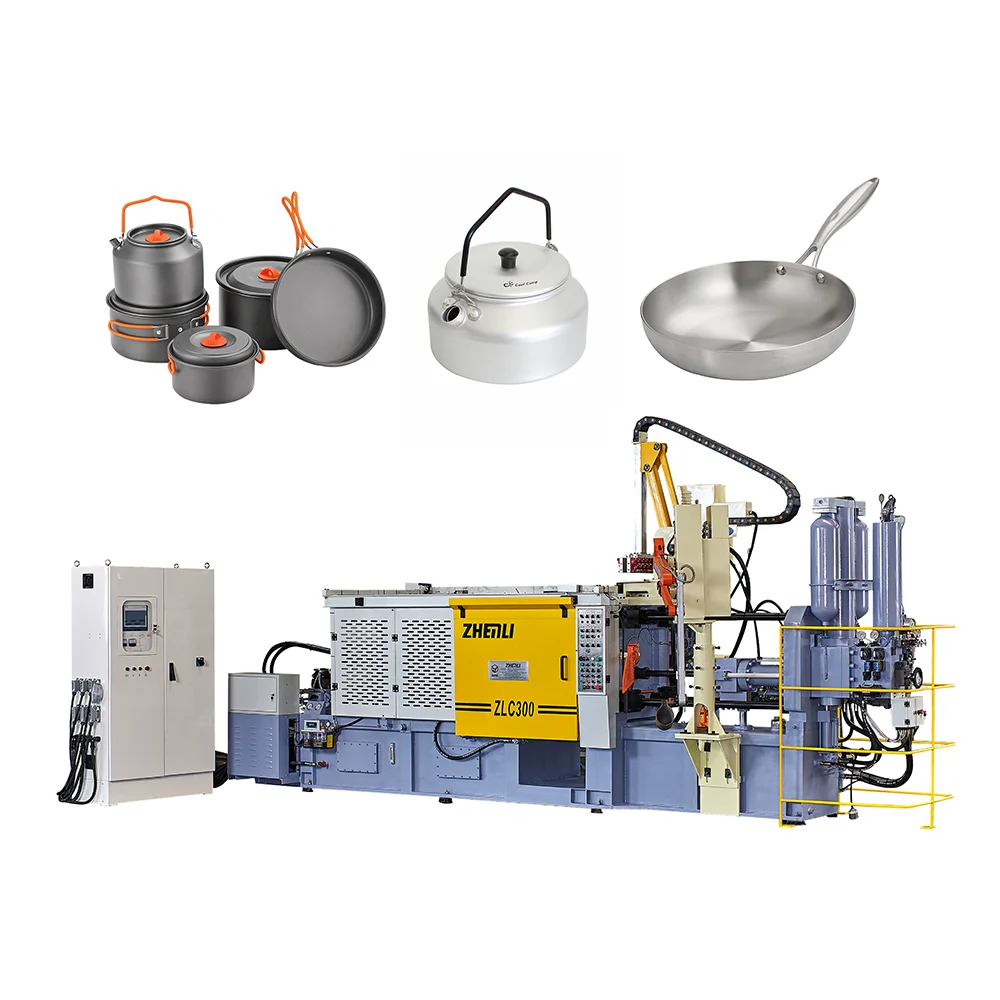
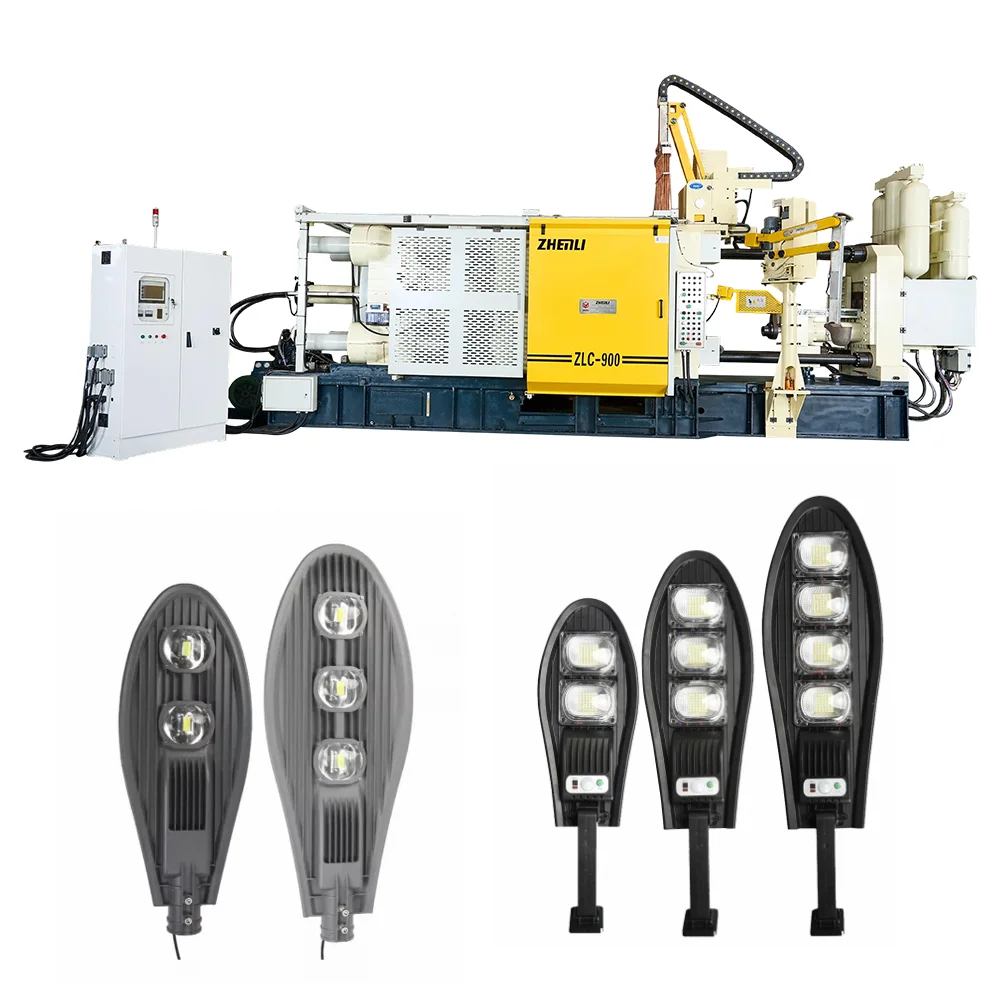
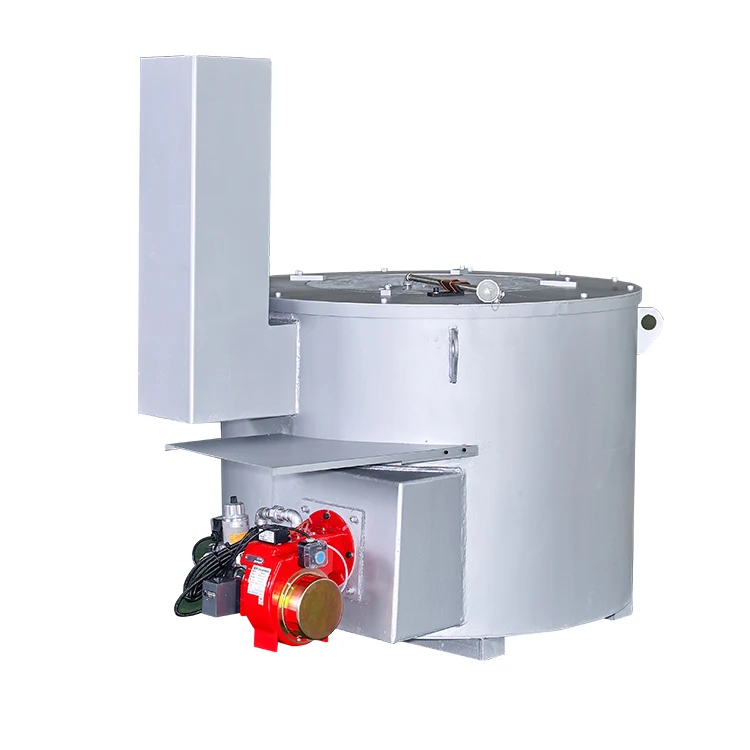
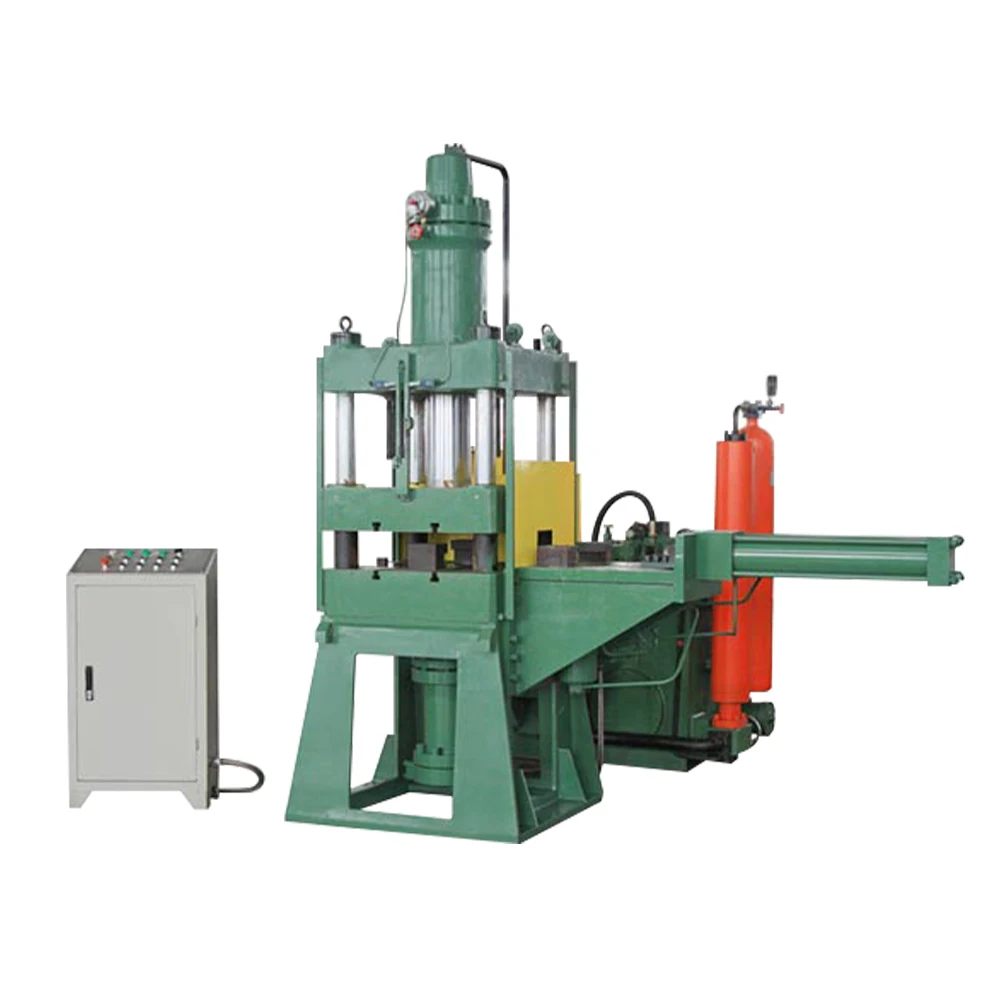
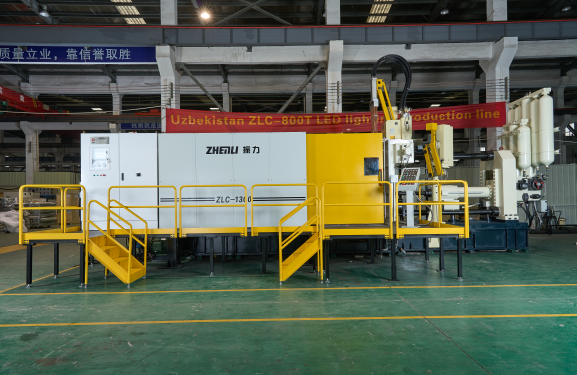
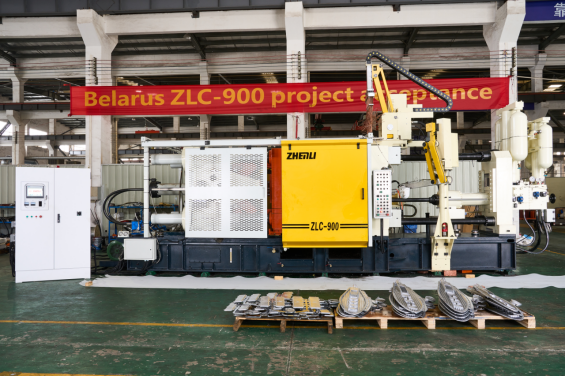
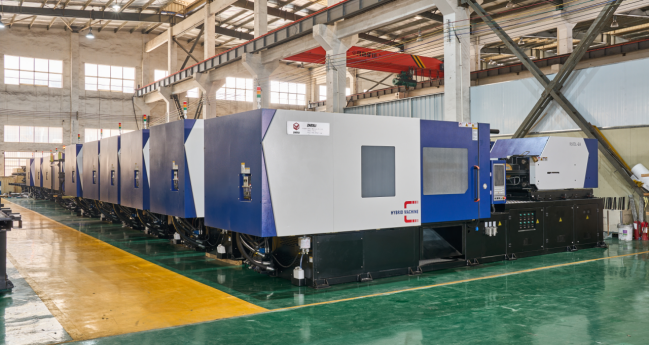
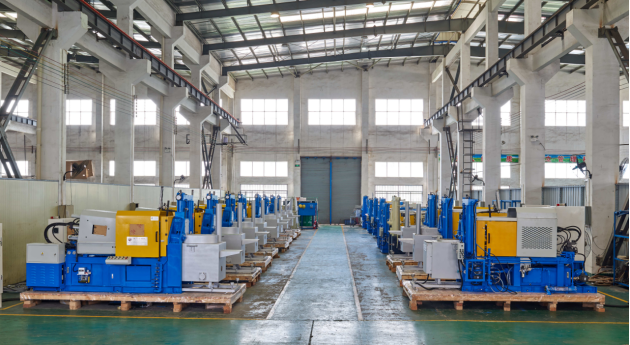
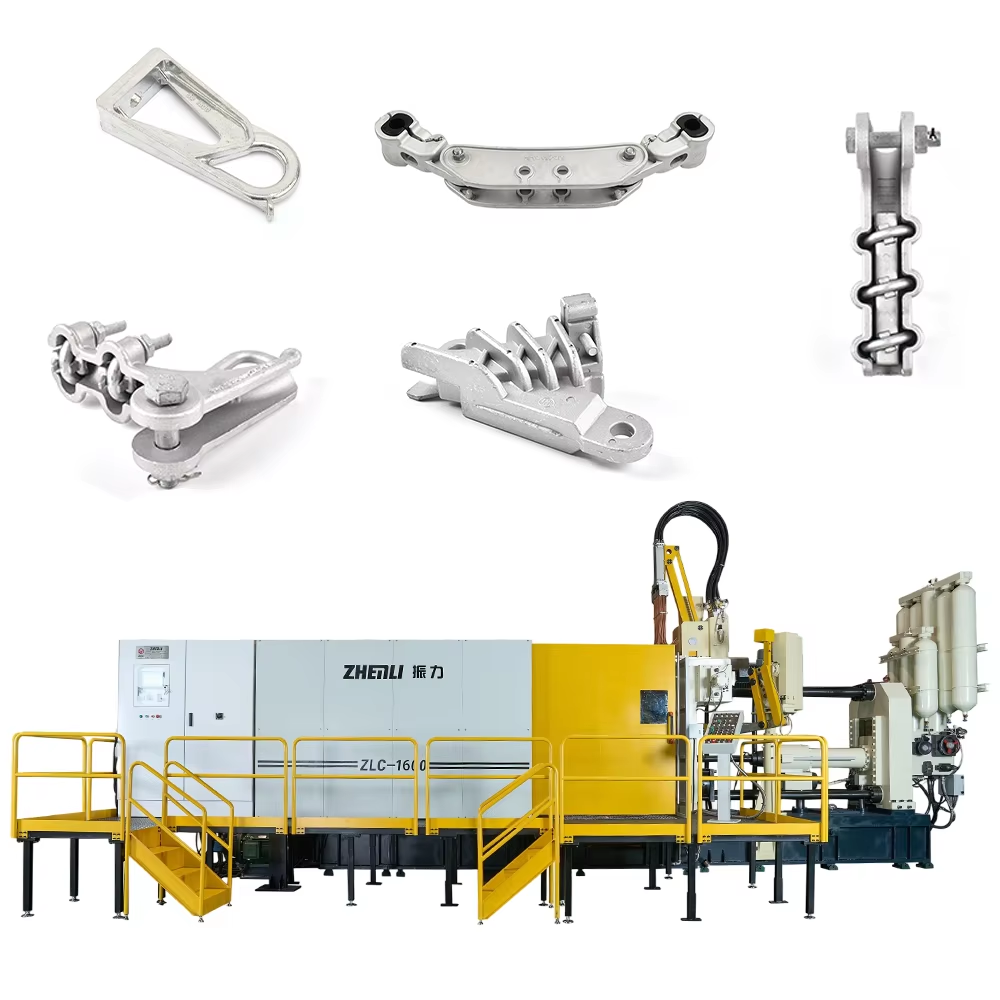
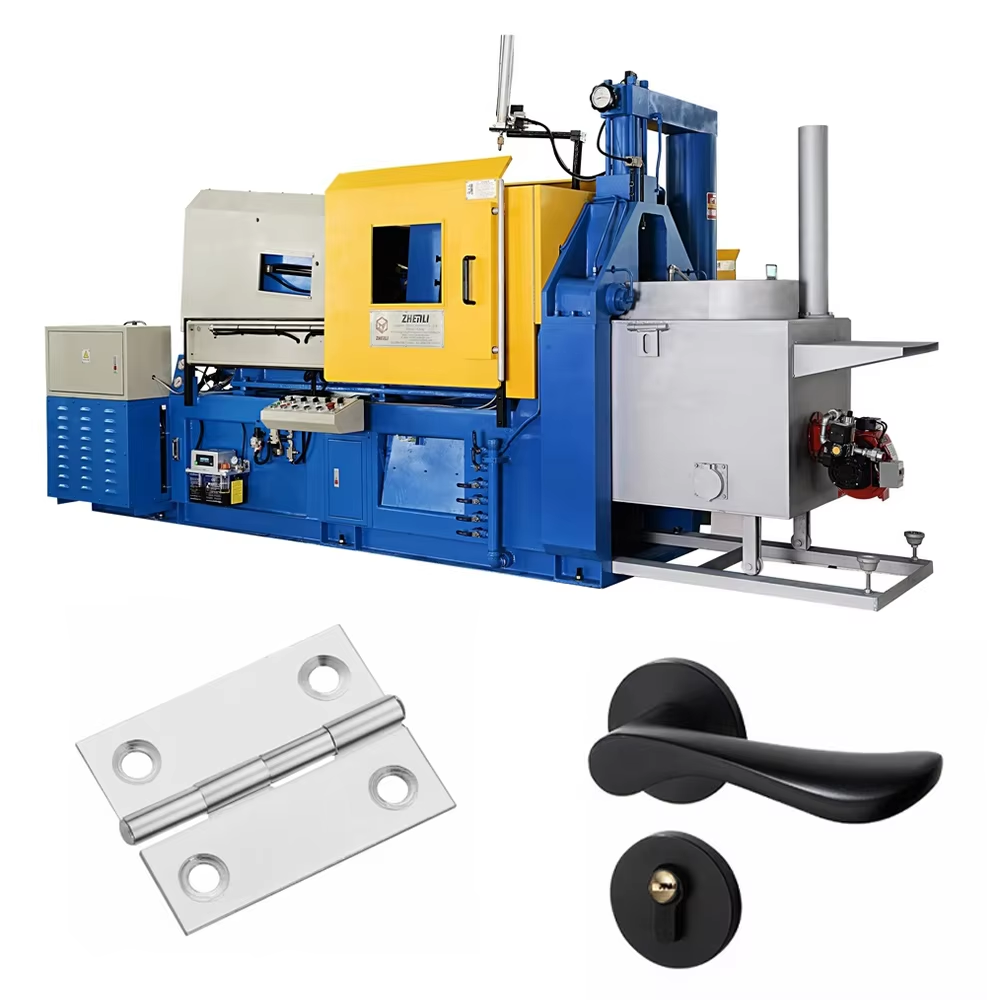
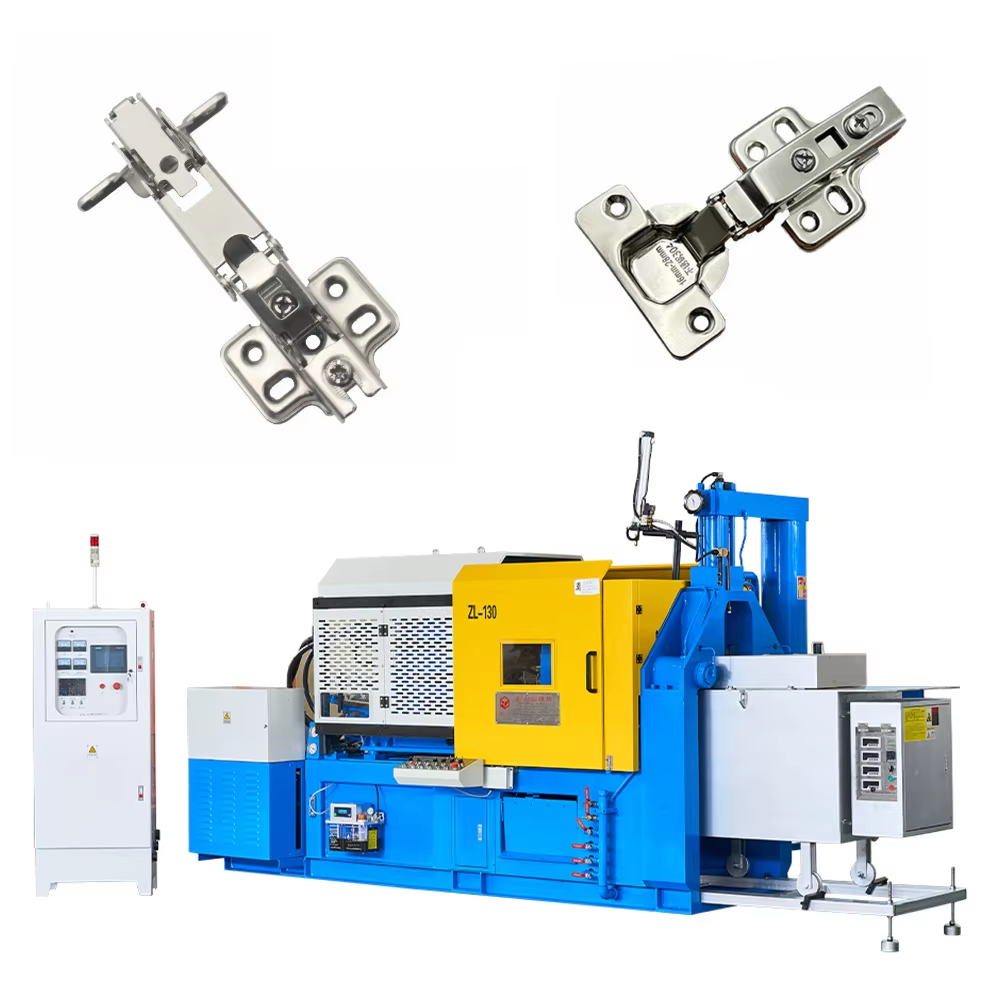
Hot chamber die casting machines, characterized by their injection system being immersed directly in a molten metal tank, are optimized for low melting point metals like zinc, magnesium, and lead—offering fast production cycles and simple operation—and Zhenli’s hot chamber die casting machines elevate these advantages with enhanced efficiency, durability, and cost effectiveness, making them ideal for small to medium sized businesses (SMBs) and high volume production of small parts. A primary benefit of Zhenli’s hot chamber die casting machines is their short metal feeding path, a result of the injection plunger being immersed in the molten metal tank. Unlike cold chamber machines, which require a separate step to transfer molten metal from a furnace to the injection system, hot chamber machines can draw metal directly from the tank, eliminating transfer time and reducing heat loss. This short path cuts the time from metal melting to injection by 15 20 seconds per cycle—critical for small parts where total cycle times are already short. For example, producing a zinc alloy toy component with a 25 30 second total cycle time, the 15 20 second reduction in feeding time translates to 5 6 more cycles per hour, increasing hourly production by 15% 20% (from 120 parts/hour to 138 144 parts/hour). This efficiency boost is particularly valuable for high volume orders, where even small increases in hourly output can shorten production lead times and help businesses meet tight deadlines. The direct metal feeding also maintains more consistent molten metal temperature, as there is no heat loss during transfer. Zhenli’s machines use a temperature control system that keeps the molten metal within ±2℃ of the target (380 420℃ for zinc, 590 610℃ for magnesium), ensuring stable fluidity and reducing defects like cold shut or inconsistent part density. This temperature stability contributes to a part pass rate of over 96%, higher than the industry average of 92% 94% for hot chamber machines. Another key advantage of Zhenli’s hot chamber die casting machines is their simple structure, which reduces maintenance complexity and costs. Unlike cold chamber machines, which have additional components like metal ladles, transfer pumps, and separate melting furnaces, hot chamber machines have fewer moving parts—lowering the number of components that require regular maintenance by 30% 40%. For example, the injection system only needs monthly checks of the plunger seal and lubrication of 2 3 key points, whereas a cold chamber machine’s transfer system requires weekly inspections and lubrication of 5 6 parts. This simplicity shortens maintenance time from 4 hours per session (for cold chamber) to 1 2 hours for Zhenli’s hot chamber machines, reducing downtime and labor costs. The machines’ plungers are made from heat resistant nickel chromium alloy that withstands long term immersion in molten metal without deformation, extending plunger life to 10,000+ cycles—20% 30% longer than standard plungers. This durability further reduces maintenance frequency and spare parts costs. Zhenli’s hot chamber die casting machines also have a lower initial investment cost compared to cold chamber machines of the same clamping force, making them accessible to SMBs and startups. For example, a 500 kN hot chamber machine costs approximately \(30,000 \)40,000, while a cold chamber machine with the same clamping force ranges from \(45,000 \)55,000—a 20% 30% price reduction. This lower entry barrier allows small businesses to enter the die casting industry without a large capital outlay, supporting growth and innovation. Additionally, the machines have a compact footprint: a 500 kN model occupies just 4 5 square meters of workshop space, 15% 20% less than a comparable cold chamber machine. This space efficiency is ideal for SMBs with limited production areas, enabling them to maximize output without expanding their facilities. In terms of production flexibility, Zhenli’s hot chamber die casting machines are highly adaptable to different small part sizes and geometries. They can produce parts ranging from 1g (e.g., small electronic connectors) to 5kg (e.g., larger zinc alloy hardware), with clamping forces available from 200 kN to 2,000 kN to match part requirements. The mold changing process is simplified with standardized mold connectors and hydraulic mold locking, allowing operators to switch between molds for different parts (e.g., from zinc key blanks to magnesium toy parts) in 20 30 minutes—faster than the 40 60 minutes required for many hot chamber competitors. This flexibility supports small batch, multi variety production, a common need for SMBs serving diverse customer markets. To enhance usability, Zhenli’s hot chamber die casting machines feature a user friendly control panel with a 7 inch touchscreen (expandable to 10 inches) that supports multiple languages. The panel provides clear, step by step guidance for parameter setting (temperature, pressure, cycle time) and includes a built in fault database that helps operators quickly identify and resolve issues (e.g., “plunger sticking due to metal temperature too low”). Training time for new operators is shortened to 3 5 days, compared to 1 2 weeks for more complex machines, enabling SMBs to quickly onboard staff during peak production seasons. The machines also integrate basic IoT functionality, allowing operators to track production counts and cycle times remotely via a mobile app—helping managers monitor output and optimize schedules. Application wise, Zhenli’s hot chamber die casting machines are widely used in industries producing small, high volume parts: consumer electronics (zinc alloy phone casings, USB ports), hardware (zinc door handles, cabinet knobs), toys (magnesium alloy action figure parts), and medical devices (small zinc components for diagnostic tools). Their ability to deliver consistent quality, fast cycles, and low costs makes them a reliable choice for businesses focused on mass produced, small metal components. With Zhenli’s after sales support—including on site installation, operator training, and affordable spare parts—these machines provide long term value, helping SMBs compete effectively in the global die casting market.
 EN
EN