Die Casting Machine Price: Transparent Quotes & Deals

[email protected]         +86-13302590675

Get a Free Quote

Our representative will contact you soon.
Email
Mobile/WhatsApp
Name
Company Name
Message
0/1000

Die Casting Machine Price - Transparent Quotes & Cost-Effective Deals by Zhenli

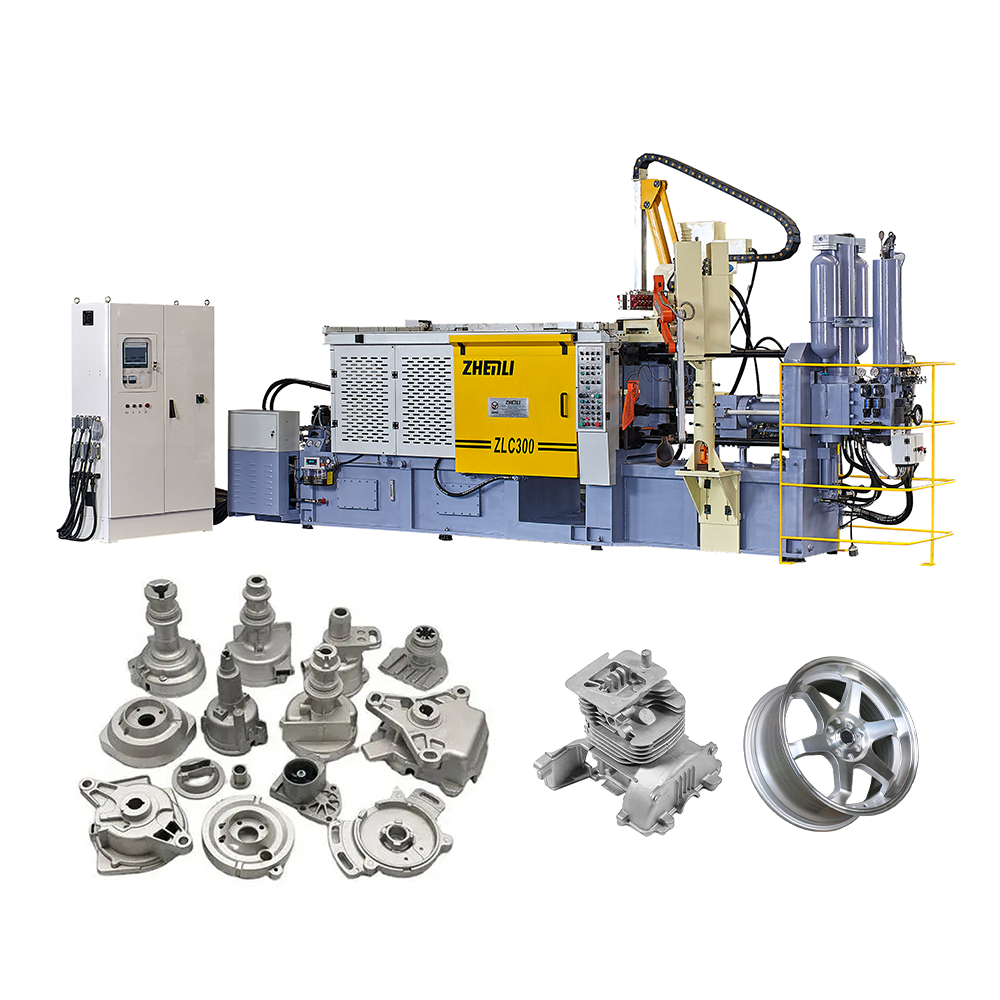
This page offers transparent die casting machine price information for Zhenli’s full product line, including hot/cold chamber, gravity, high/low pressure models. Price factors (tonnage, automation, customization) are clearly outlined, with no hidden fees. Zhenli optimizes costs via advanced production and bulk sourcing, delivering high-performance machines at competitive rates. The page supports tailored quotes for auto parts, faucets, and general metal casting needs, plus global shipping and after-sales service. Clients benefit from ISO/CE-certified quality and value for money across small to large-tonnage machines.
Get A Quote

Advantages of the product

High Pressure Molding for Dense Castings

Zhenli’s die casting machines use high pressure injection technology, with maximum injection pressure reaching 150 MPa. This high pressure ensures that molten metal fully fills every detail of the mold cavity, eliminating internal gaps and improving the density of castings. For automotive aluminum alloy parts like transmission housings, this means better mechanical strength—tensile strength is increased by 10% 15% compared to low pressure casting, making the parts more durable and able to withstand harsh working conditions (e.g., high temperature and vibration during vehicle operation).

Related products

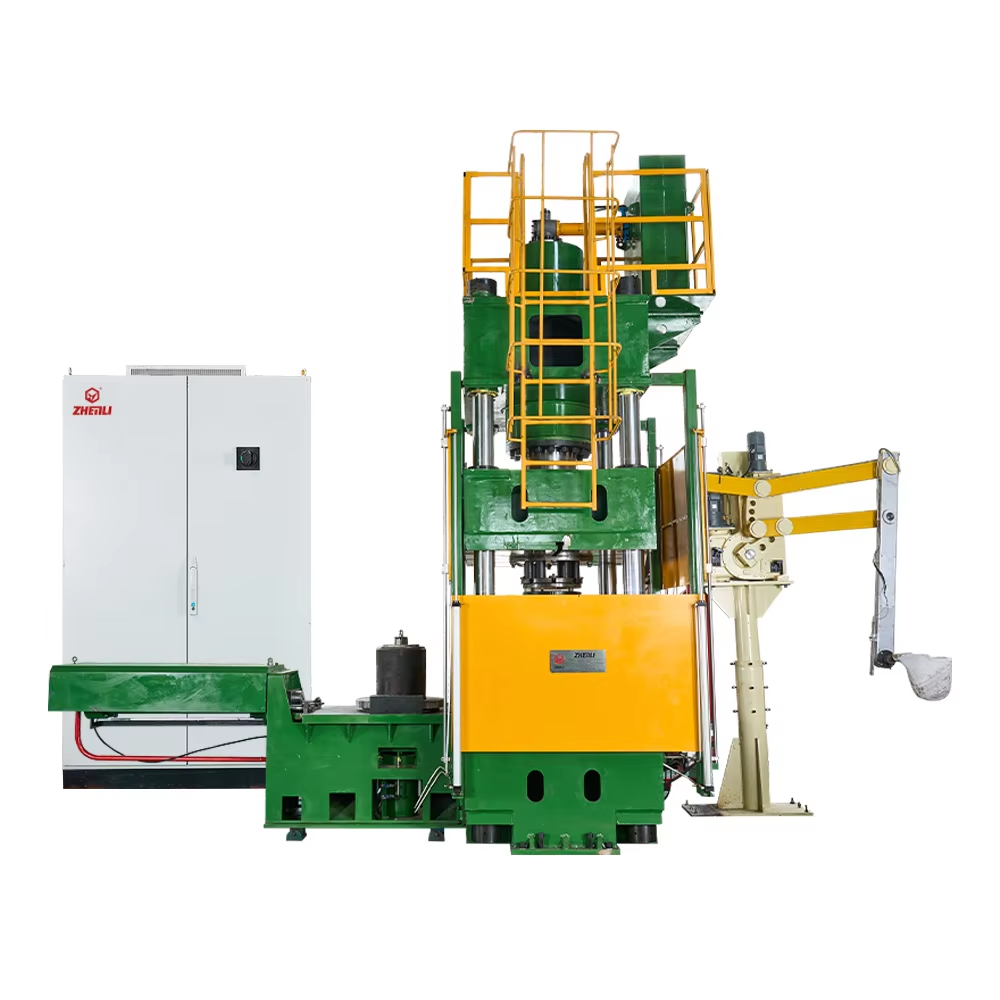
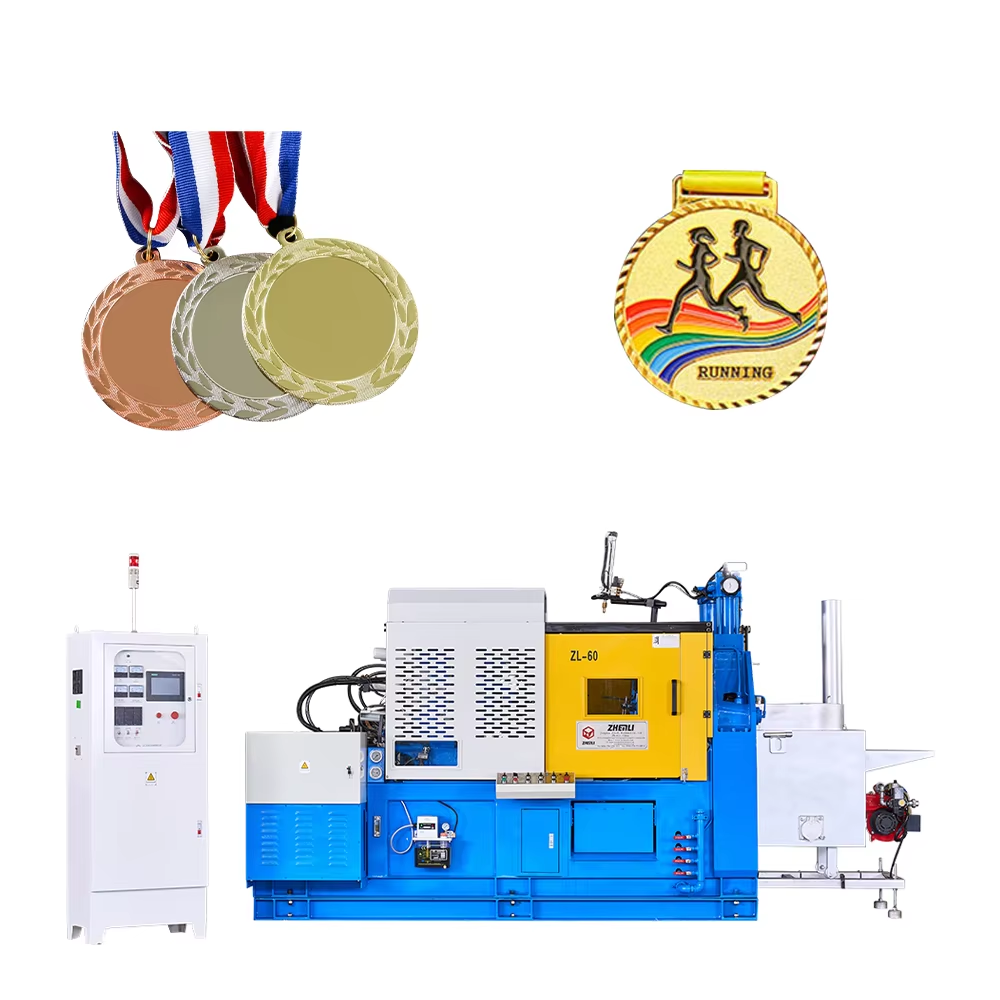
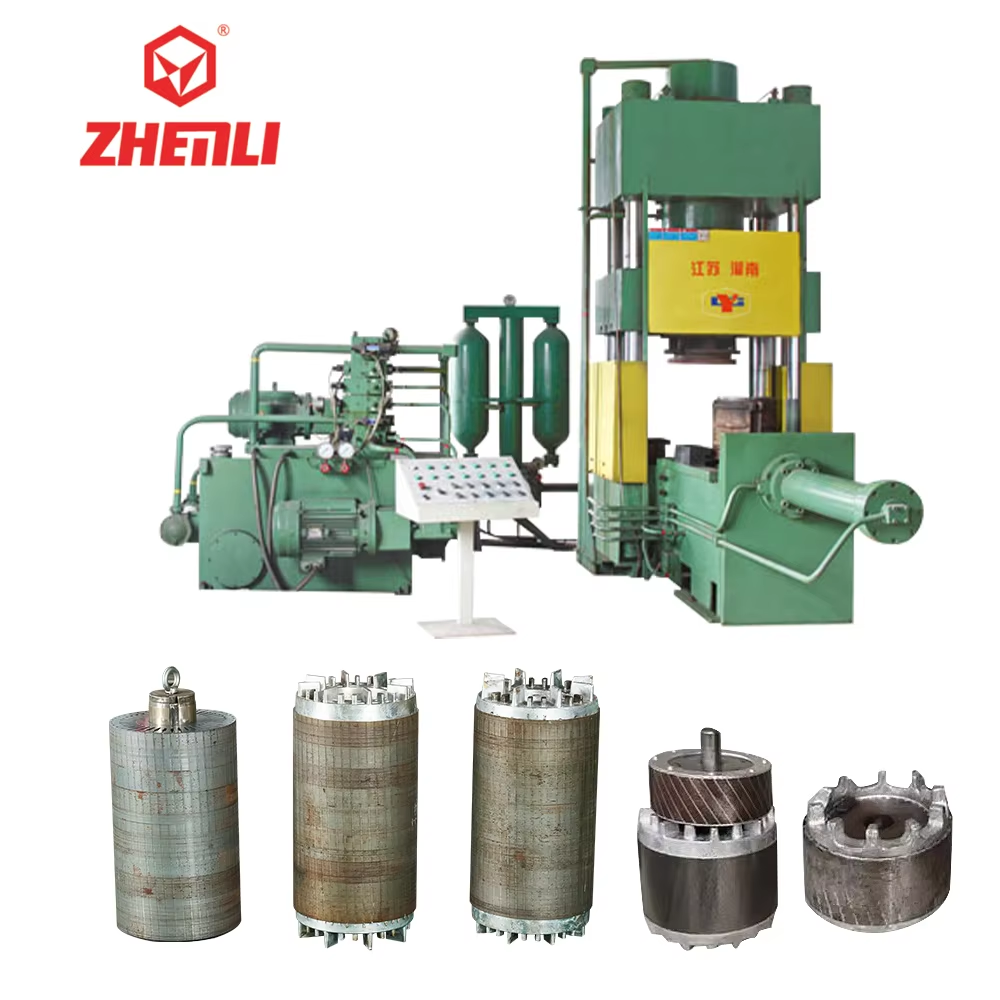
The price of a die casting machine is a multifaceted consideration shaped by technical specifications, configuration options, customization requirements, and value added services—with Jiangmen Zhenli Machinery offering transparent, competitive pricing that balances quality, performance, and long term value for global customers. Core determinants of price include the machine’s clamping force (tonnage), which ranges from 12 tons (small precision parts) to 4500 tons (large structural components), with higher tonnage machines commanding higher prices due to larger structural frames, more powerful hydraulic systems, and heavier duty components. Configuration choice—hot chamber (for zinc/lead alloys) vs. cold chamber (for aluminum/brass alloys)—also impacts pricing, with hot chamber machines typically more affordable for smaller tonnages due to integrated furnace design, while cold chamber machines require additional components (such as ladling systems) that add to cost. Control system sophistication is another key factor: basic manual controls offer cost effective solutions for simple applications, while advanced Siemens or ARCUCHI intelligent controllers—featuring process monitoring, data logging, and automation integration—increase price but enhance productivity and quality. Customization requirements significantly influence pricing, with modifications such as automated mold change systems, robotic part extraction, specialized furnace types (electric/natural gas/diesel), and drawing based design adaptations for unique part geometries requiring engineering time and additional components. However, Zhenli’s modular design minimizes customization costs by leveraging standardized core components. Unlike many competitors, Zhenli’s quoted price includes comprehensive one stop services that eliminate hidden costs: technical consulting to optimize machine selection, drawing design for mold compatibility, sample production validation, global logistics (containerization, customs documentation), on site installation and commissioning, and operator training. The company’s large scale manufacturing facility (20,000 ㎡) and economies of scale enable competitive pricing without compromising quality, as bulk purchasing of components and efficient production processes reduce manufacturing costs passed on to customers. Additional cost saving factors include energy efficient design (reducing long term operational costs by 15–25%) and durable construction (minimizing maintenance and replacement expenses). Volume discounts are available for bulk purchases, and flexible payment terms (letters of credit, installment plans) are offered to accommodate different business needs. Pricing for Zhenli’s die casting machines typically ranges from \(30,000 (12 ton hot chamber) to \)800,000+ (4500 ton cold chamber), with detailed quotations provided upon request that outline all inclusions and specifications. The company’s commitment to transparency ensures customers understand the total investment, while global sales and service networks (50+ countries) guarantee consistent pricing and support worldwide. By focusing on total cost of ownership rather than just upfront price, Zhenli’s die casting machines deliver exceptional value—combining reliable performance, low operational costs, and comprehensive support to maximize return on investment for manufacturers of all sizes.

Frequently Asked Questions

What is the benefit of low pressure die casting machines here?

Low pressure die casting machines reduce defects in cast parts. Molten aluminum flows slowly and evenly into molds under low pressure, minimizing turbulence. This avoids air bubbles, shrinkage holes, and cracks—critical for engine blocks (needing leak proof performance) and wheel weights (needing shape consistency). It also improves part strength and production consistency.

Related Articles

What Are the Key Advantages of Modern Aluminum Die Casting Machines?

27

Oct

What Are the Key Advantages of Modern Aluminum Die Casting Machines?

Precision and Dimensional Accuracy in Aluminum Die Casting Machine Operations Modern aluminum die casting machines deliver ±0.25mm dimensional tolerances, enabling sub-millimeter precision essential for aerospace components and medical devic...
View More
What Factors Determine the Choice of Metal Casting Machinery?

27

Oct

What Factors Determine the Choice of Metal Casting Machinery?

Casting Method and Compatibility with Metal Casting Machinery How Different Casting Methods Influence Machinery Requirements What kind of casting gets chosen really affects what sort of machinery ends up being needed for metal casting operations, e...
View More
Why Consider a Supplier with Both R&D and Production Capabilities?

27

Oct

Why Consider a Supplier with Both R&D and Production Capabilities?

Faster Innovation and Shorter Time to Market Integration of R&D and production systems for faster innovation cycles Integrated R&D and production systems eliminate costly handoffs between teams, creating a closed-loop feedback process. Engineers ga...
View More
How to Ensure Quality Consistency in Zinc Die Casting Operations?

27

Oct

How to Ensure Quality Consistency in Zinc Die Casting Operations?

Material Selection and Alloy Integrity for Reliable Zinc Die Casting Importance of Alloy Type in Zinc Die Casting Properties Choosing the right zinc alloy makes all the difference when it comes to how well something performs mechanically and how ma...
View More

customer evaluation

Grace

This machine has a 2 minute cycle per engine block, down from 3.5 minutes with the old one. Daily output jumped from 800 to 1400 pieces. It heats up in 30 minutes and cools efficiently for stable production. The touchscreen makes parameter adjustments quick and easy.

Get a Free Quote

Our representative will contact you soon.
Email
Mobile/WhatsApp
Name
Company Name
Message
0/1000
High Precision for Complex Auto Components

High Precision for Complex Auto Components

This die casting machine excels at producing complex, high precision parts like aluminum engine blocks and gear housings. It achieves a tolerance of ±0.02mm for critical features (such as engine cylinder bores) and maintains consistent dimensional accuracy across large batches. The machine’s advanced plunger control ensures molten metal fills mold cavities evenly, avoiding thin spots or overflows. This precision meets the strict requirements of the automotive industry, where even small deviations can affect engine performance or part fitment.
Fast Cycle Time to Improve Productivity

Fast Cycle Time to Improve Productivity

With a cycle time as short as 2 minutes per part (for standard engine blocks), this machine outperforms traditional die casters by 30–40%. It heats up quickly (reaching operating temperature in 30 minutes) and uses an efficient cooling system to speed up part solidification. For factories running 12 hour shifts, this translates to a daily output of 1,400–1,600 parts—up from 900–1,100 with older machines. The fast cycle time helps meet high volume orders without extending working hours.
Durable Components for Long Service Life

Durable Components for Long Service Life

All critical components are built to withstand the harsh conditions of die casting. The mold is made of H13 hot work tool steel, which resists wear and thermal fatigue, lasting up to 100,000 casting cycles before needing repair. The hydraulic system uses high pressure hoses and seals that handle repeated pressure changes without leaks, and the heating element is a nickel chromium alloy that maintains consistent heat output for years. Most users report 3–5 years of trouble free operation with regular maintenance.
WhatsApp WhatsApp
WhatsApp
Email Email Inquiry Inquiry TopTop