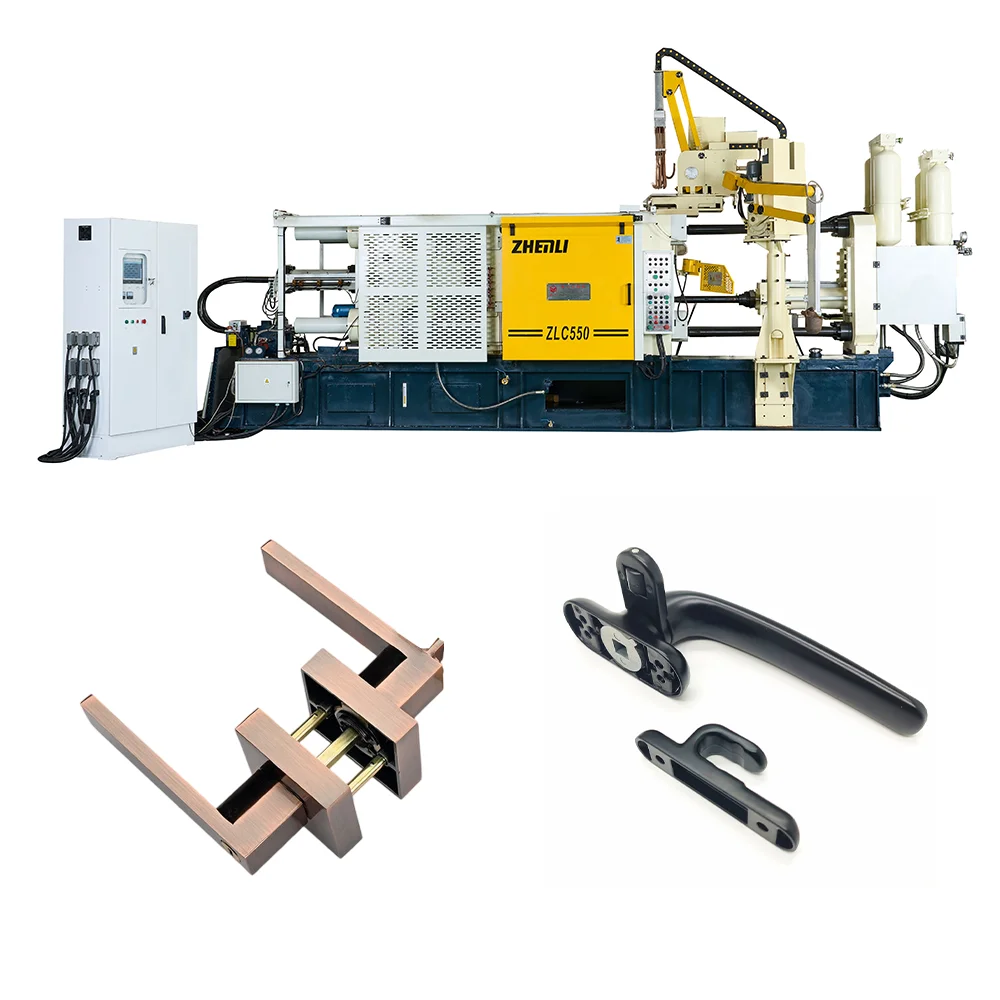
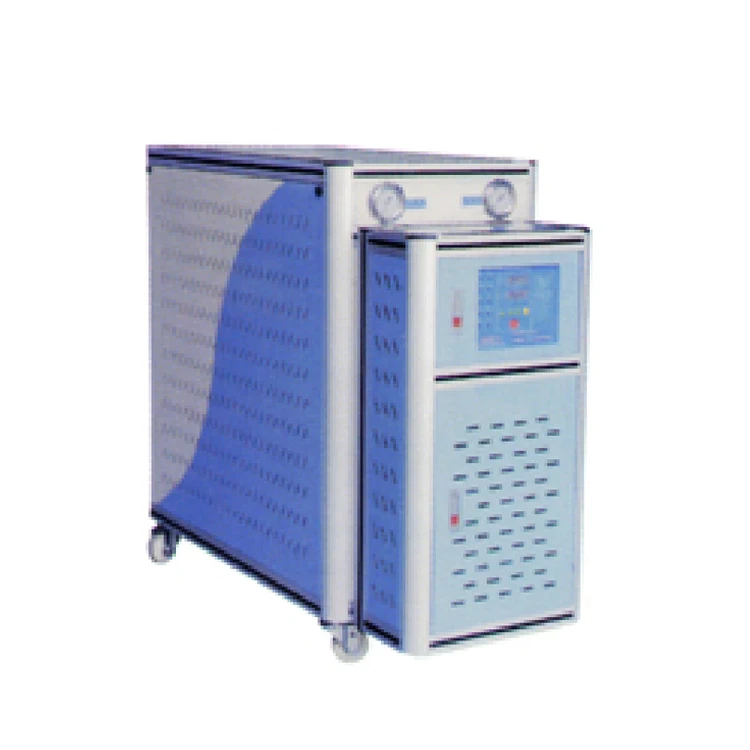
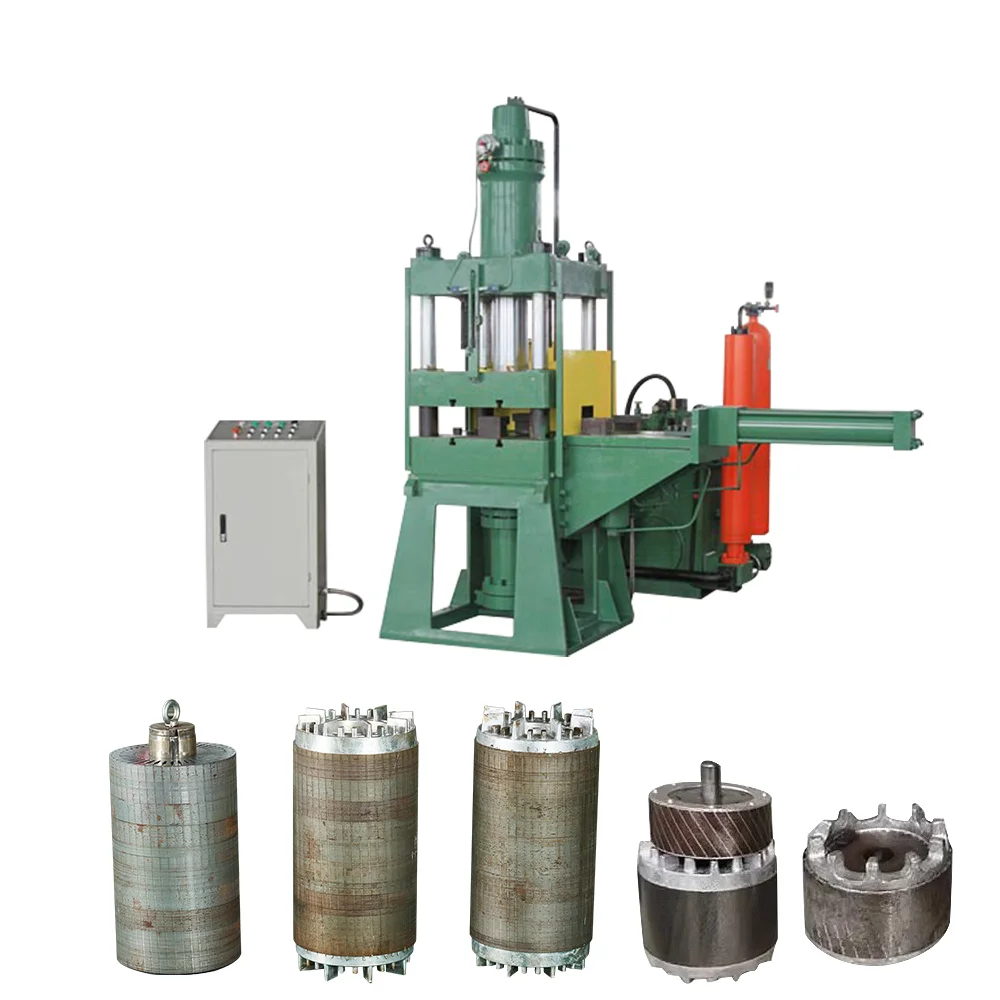
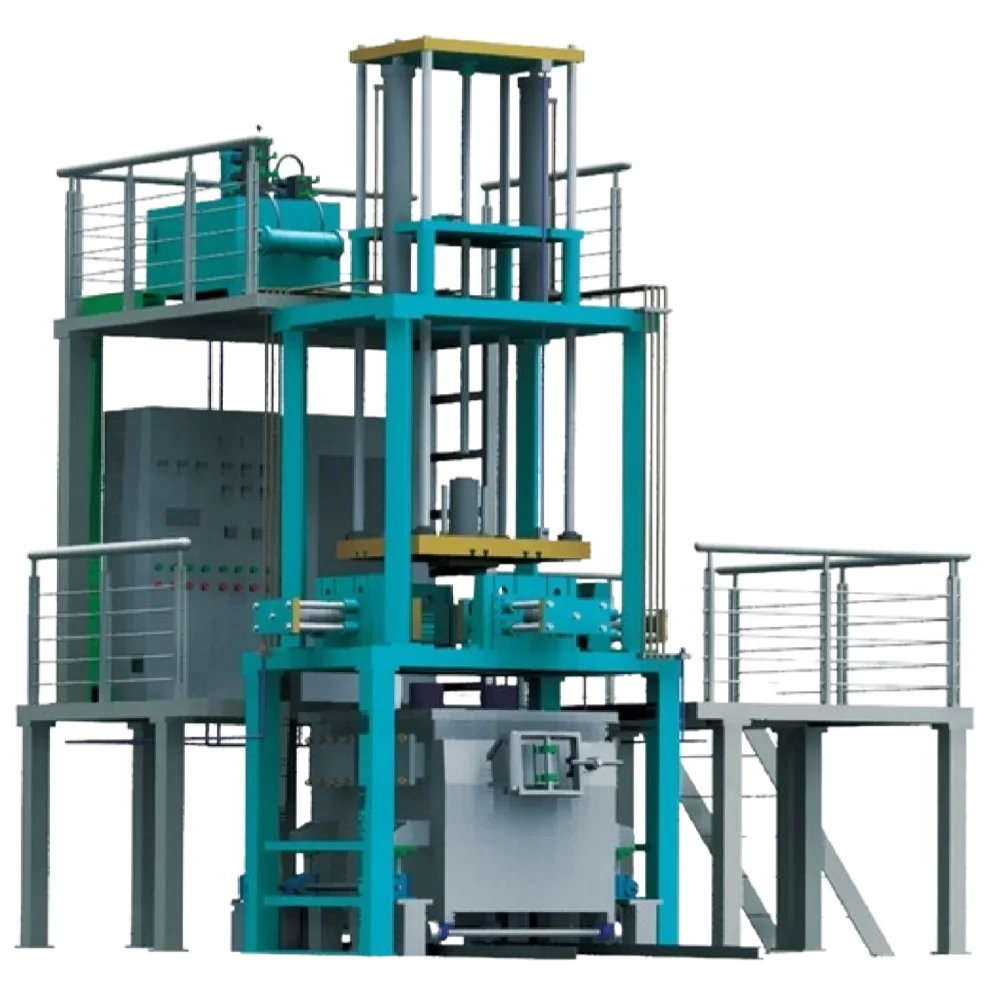
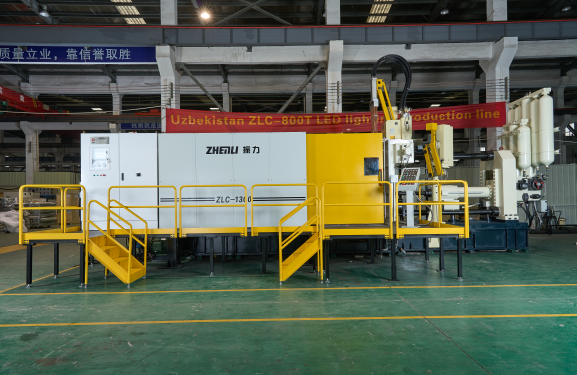
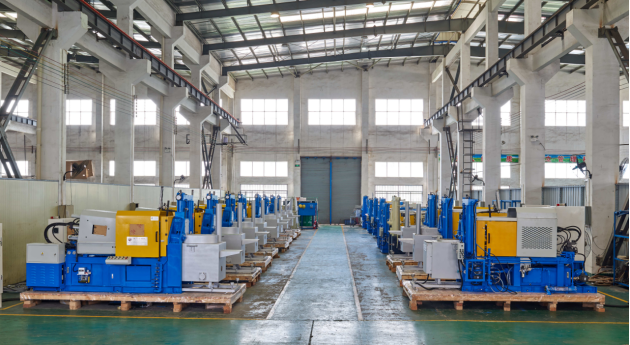
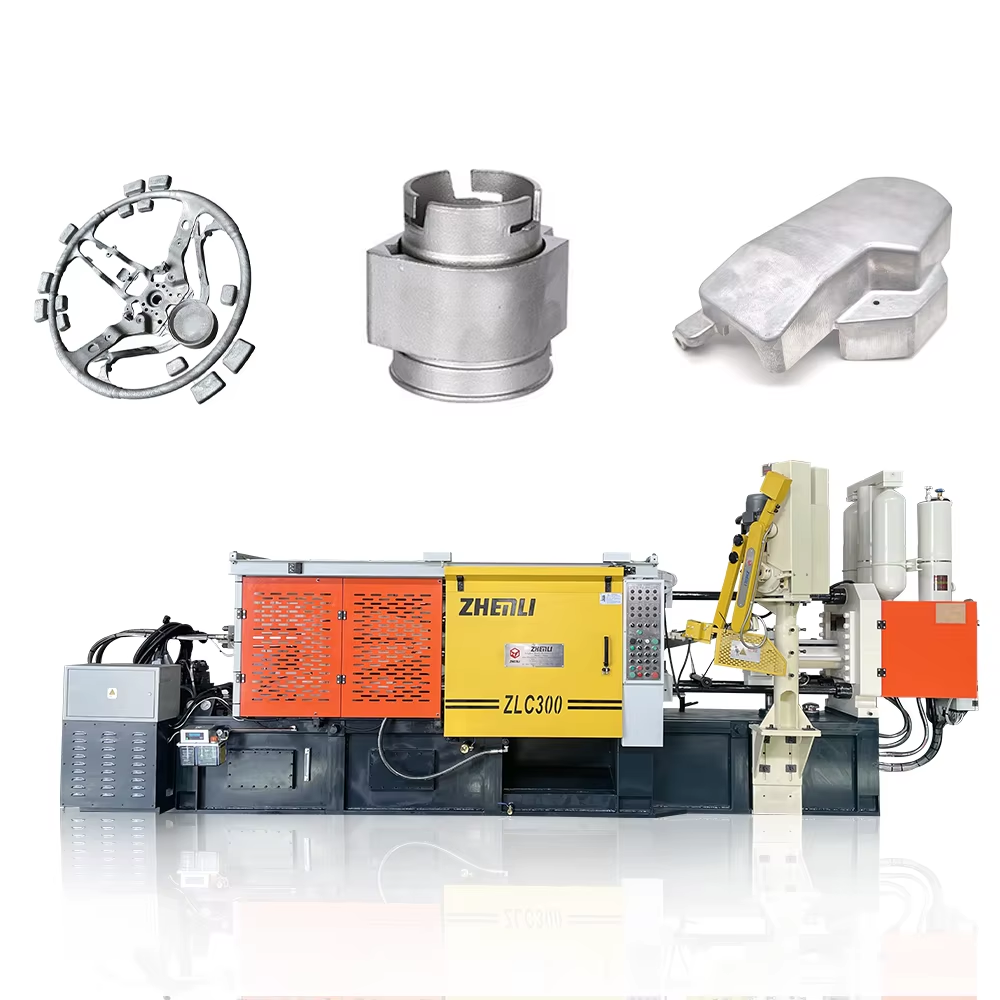
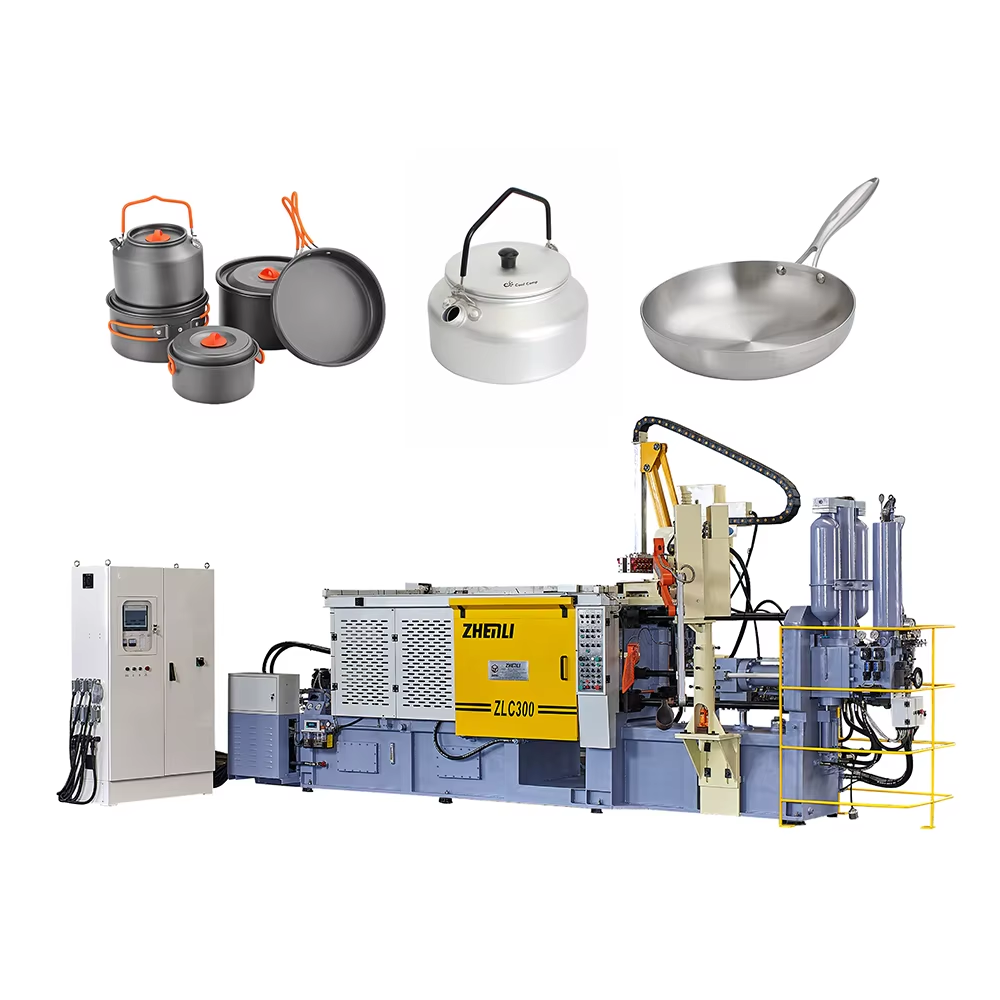
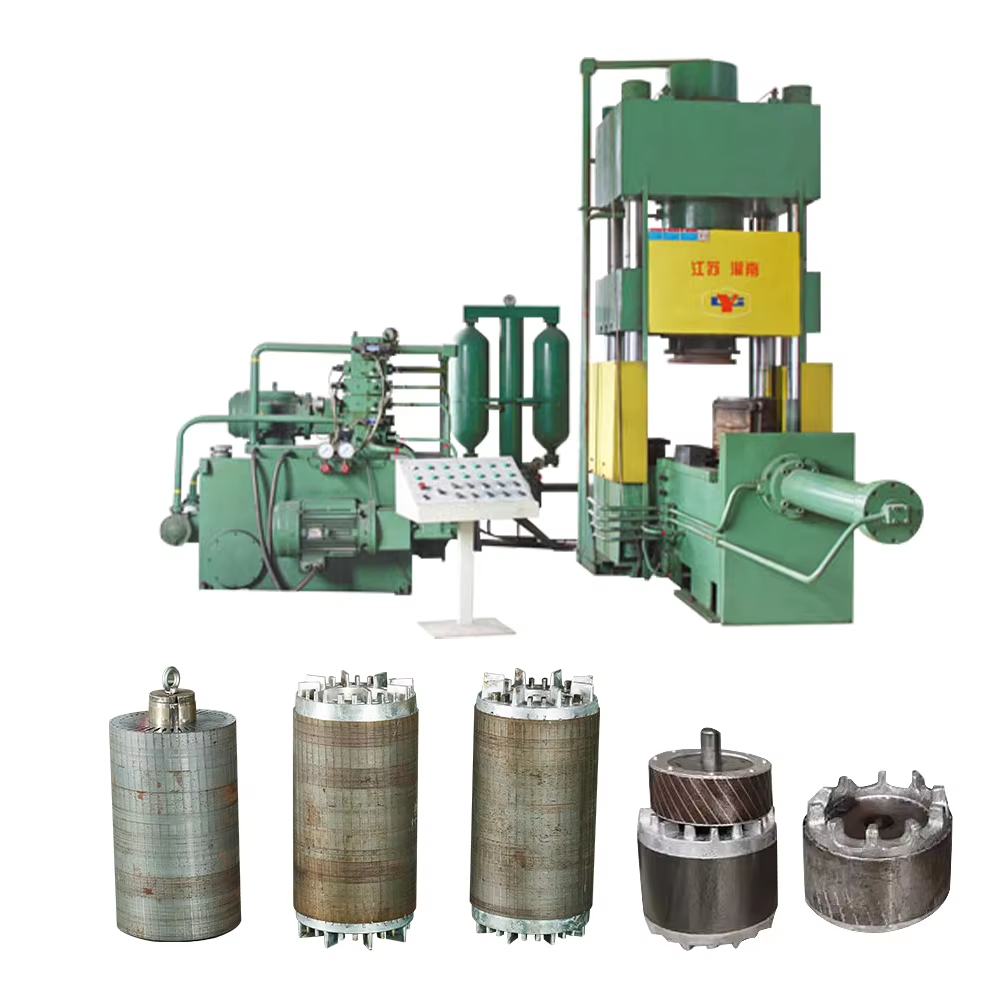
Cold chamber die casting machines are engineered for processing high melting point metals such as aluminum, copper, and iron—materials critical for heavy duty, high strength components in automotive, aerospace, and industrial machinery—and Zhenli’s cold chamber die casting machines are distinguished by their high temperature resistance, large clamping force, and ability to produce high purity, durable parts that meet the most demanding industry standards. A defining feature of Zhenli’s cold chamber die casting machines is their robust design for high temperature operations, essential for metals like aluminum (melting point 660℃) and copper (melting point 1085℃). The cold chamber itself—the component where molten metal is injected into the mold—is constructed from H13 hot work steel, a material renowned for its exceptional heat resistance and toughness, and coated with a ceramic layer that further enhances thermal insulation and wear resistance. This combination allows the chamber to withstand temperatures up to 1200℃ without deformation or damage, a capability that sets Zhenli’s machines apart from competitors using standard steel chambers (which often degrade at temperatures above 900℃). The ceramic coating also reduces heat transfer from the molten metal to the chamber walls, minimizing energy loss and maintaining more stable metal temperatures during injection. For copper alloy parts, which require extremely high melting temperatures, this design ensures consistent casting quality, avoiding defects like uneven solidification or chamber warping that can compromise part integrity. Another critical advantage of Zhenli’s cold chamber die casting machines is their large clamping force, which ranges from 10,000 kN to 30,000 kN—enabling the production of large, heavy castings that are impossible with smaller machines. These heavy duty parts include aluminum truck engine blocks (weighing 50 100 kg), copper industrial valves (20 30 kg), and iron alloy construction machinery components. The high clamping force is essential to keep the mold closed during high pressure injection (up to 200 MPa), preventing mold expansion that would cause dimensional inaccuracies in large parts. Zhenli’s machines achieve clamping force precision within ±1% of the set value, ensuring that even large molds (up to 3 meters in length) remain perfectly aligned during casting. This alignment results in parts with dimensional tolerances of ≤0.2mm, meeting the strict fitment requirements of heavy machinery and automotive applications—for example, an aluminum truck engine block must align precisely with the transmission system, and any deviation could lead to mechanical failure. Zhenli’s cold chamber die casting machines also feature a separate metal melting and injection system, a design that enhances casting purity and quality control. Unlike hot chamber machines, where the injection system is immersed in the molten metal tank (risking contamination from tank residues), cold chamber machines use a separate melting furnace to heat metal, which is then transferred to the cold chamber via a robotic ladle or automatic feeder. This separation allows operators to independently control the melting temperature (optimized for the specific metal) and injection parameters, ensuring that molten metal is fully melted and free of impurities before injection. For example, when casting aluminum alloy parts, the melting furnace can be set to 700 720℃ to ensure complete melting, while the injection chamber is cooled slightly to 680 690℃ to optimize fluidity—this precise control reduces the impurity content of aluminum castings to less than 0.1%, compared to 0.2% 0.3% for hot chamber machines. The lower impurity content enhances the mechanical strength of the parts: aluminum castings produced with Zhenli’s cold chamber machines have a tensile strength of 300 350 MPa, 10% 15% higher than those from hot chamber machines, making them suitable for load bearing applications like automotive suspension components. Durability is a key focus in Zhenli’s cold chamber die casting machines, particularly in their mold design and component selection. The molds are made from the same high quality H13 steel as the cold chamber, with additional heat treatment to achieve a hardness of HRC 45 50—extending mold life to 80,000 120,000 casting cycles, 30% 50% longer than molds used in hot chamber machines. For a factory producing 10,000 aluminum engine blocks annually, a single mold can last 8 12 years, drastically reducing mold replacement costs (which can exceed $10,000 per mold). The machines also include a mold cooling system that circulates water through internal mold channels, controlling mold temperature during continuous production and further extending mold lifespan. Key mechanical components like the injection plunger and hydraulic cylinders are made from high strength alloy steel, with surface treatments to resist wear and corrosion—ensuring the machines can operate continuously for 24 hours a day, 7 days a week, with minimal downtime. In terms of automation and smart manufacturing, Zhenli’s cold chamber die casting machines integrate advanced technologies to streamline production and improve efficiency. They are equipped with robotic ladles for precise metal transfer, which reduce human error and ensure consistent metal volume in each injection—this consistency cuts material waste by 5% 8% compared to manual ladling. The machines also feature inline quality inspection systems that use vision cameras and laser scanners to check part dimensions and surface defects immediately after casting, rejecting defective parts before they move to post processing. This real time inspection increases the overall pass rate to over 95% and reduces the cost of reworking or scrapping defective parts. Additionally, the machines connect to Zhenli’s IoT platform, allowing remote monitoring of production data (e.g., cycle time, temperature, pressure) and predictive maintenance alerts. For example, the platform can analyze plunger wear data and notify operators when replacement is needed, preventing unexpected breakdowns. Application wise, Zhenli’s cold chamber die casting machines are indispensable in industries requiring large, high strength parts: automotive (heavy duty truck engine blocks, bus chassis components), aerospace (aluminum structural parts for aircraft), construction (copper valves for plumbing systems, iron alloy crane components), and energy (aluminum casings for wind turbine generators). Their compliance with international standards such as ISO 9001, IATF 16949 (automotive), and AS9100 (aerospace) ensures that parts produced meet global quality requirements, making them suitable for export to diverse markets. With Zhenli’s comprehensive support—including custom mold design, operator training, and global spare parts supply—these machines provide a long term, high performance solution for manufacturers working with high melting point metals, helping them stay competitive in industries where quality and durability are paramount.
 EN
EN