 EN
EN



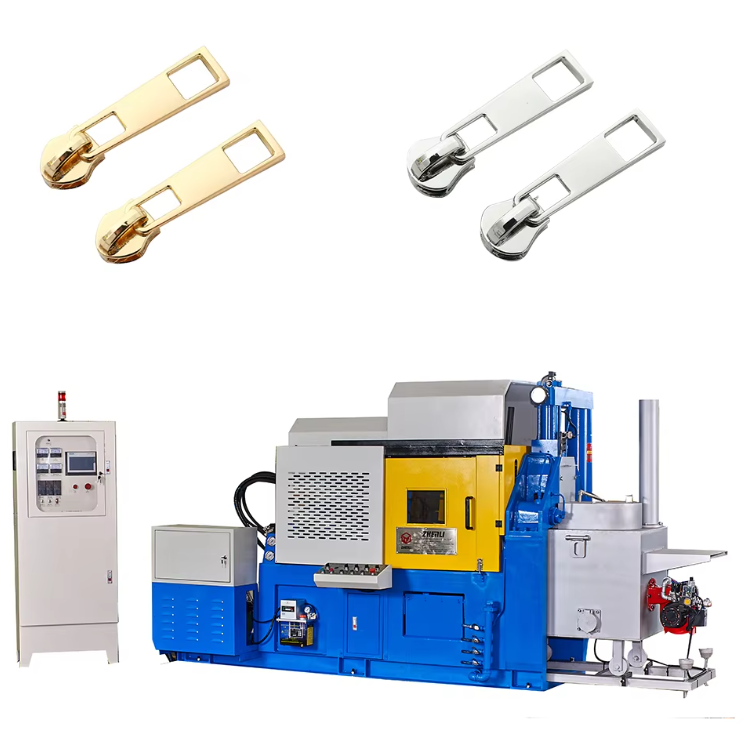
Optimize Die and Mold Longevity Through Thermal Control and Material Compatibility
Why zinc’s low melting point and non-abrasive nature reduce wear on zinc die casting machines
The melting point of zinc is around 419 degrees Celsius which means it puts much less thermal stress on dies and machines than something like aluminum does at higher temps. When running at this lower temperature range, there's less thermal shock happening every time the cycle repeats itself. This helps slow down how fast those important parts get worn out - think about cavity inserts, ejector pins, shot sleeves basically everything inside the mold that gets hammered over and over again. Plus, zinc doesn't act abrasively so it causes less mechanical wear when injecting material into molds or ejecting finished products later on. All told, these characteristics can actually make molds last between 30 to 50 percent longer compared to working with abrasive metals while cutting down on energy consumption somewhere around 25%. What's more, manufacturers can create thinner walls and intricate details without worrying about damaging their tools since the overall component fatigue just isn't as bad.
Mitigating thermal fatigue: uniform cooling, mold temperature stability, and stress-reducing cycle design
Thermal fatigue accounts for 78% of premature mold failures in die casting, per industry data from the North American Die Casting Association (NADCA). Effective mitigation hinges on three interdependent strategies:
- Conformal cooling systems, engineered to follow part geometry, ensure uniform heat extraction and eliminate localized hot spots
- Real-time thermal monitoring, maintaining mold surface temperatures within ±5°C across production runs
- Stress-optimized cycle profiles, using gradual heating and cooling ramps instead of abrupt transitions
Putting these methods together cuts down on those intense heat spikes by around 40 percent, which helps stop tiny cracks from forming in pressure points such as gates and runner channels where things get really hot. Manufacturing plants that have switched to this method are seeing molds last about twice as long before needing replacement, plus they experience roughly a fifth fewer unexpected shutdowns. Keeping temperatures steady throughout the process makes a big difference too. It prevents problems like soldering and wear and tear especially bad in those same runner sections, gate openings, and vent spots. The stable conditions let molten material flow properly without creating those dangerous temperature differences that lead to equipment failure.
Implement Precision Preventive Maintenance for Zinc Die Casting Machines
Daily and scheduled maintenance protocols: cleaning, lubrication, and hydraulic system checks
Consistent preventive maintenance is foundational to sustaining zinc die casting machine performance. Begin each shift with targeted cleaning of shot sleeves, nozzles, and gooseneck interiors to prevent zinc oxide buildup and nozzle clogging. Apply a tiered lubrication regimen aligned with operational intensity:
- High-temperature grease on guide pins and hinge points every 8 hours
- Daily visual and pressure-based inspection of hydraulic fluid levels and filter condition
- Weekly hydraulic circuit pressure testing to verify valve response and seal integrity
- Bi-weekly plunger tip replacement based on cumulative cycle count—not calendar time
Peer-reviewed research in the Journal of Manufacturing Systems (2023) confirms that disciplined lubrication cuts wear-related failures by 30% and extends component service intervals by 60%. Crucially, monitor hydraulic oil viscosity monthly; deviations beyond ±10% signal contamination or oxidation—key precursors to pump seizure and servo-valve failure.
Early detection and repair of mold degradation: micro-cracks, soldering, and erosion in high-wear zones
Early intervention transforms mold maintenance from reactive replacement to precision preservation. Equip technicians with portable hardness testers and 10× magnification tools to identify incipient degradation before it propagates. Prioritize inspection of three high-risk zones:
- Gate regions: Quarterly dye penetrant testing for micro-cracks under 0.2 mm—repairing at this stage avoids full cavity rework
- Cavity surfaces: Spectral residue analysis to detect early-stage soldering, which compromises surface finish and accelerates erosion
- Ejection pin holes: Monthly go/no-go gauge measurements to track diameter drift—erosion beyond 0.05 mm signals imminent misalignment and galling
According to the International Journal of Metalcasting (2024), repairing sub-0.2 mm cracks reduces annual mold replacement costs by $18,000. For soldering, nitrogen-assisted purging during idle cycles lowers metal adhesion by 45% versus ambient-air purging—extending cavity polish life and reducing manual polishing frequency.
Adopt Predictive Technologies to Proactively Extend Zinc Die Casting Machine Lifespan
Vibration Analysis, Real-Time Thermal Imaging, and Cycle-Data Analytics for Failure Prediction
The rise of predictive tech is changing how we approach maintenance completely, moving away from fixed schedules toward fixing problems only when they actually need attention. Vibration checks can spot tiny issues in parts that move around, like those toggle linkages or hydraulic motors, long before worn bearings or misaligned components cause major damage. Thermal cameras work similarly by picking up strange hot spots on molds, hydraulic systems, and motor windings. These hot areas often point to insulation problems, clogged cooling paths, or inconsistent pressure during operation—all catchable without shutting down production. Looking at cycle data helps too. By comparing what's happening right now with past failures, manufacturers get early warnings about parts wearing out faster than expected, letting them plan repairs smarter rather than reacting to breakdowns.
When deployed together, these tools reduce unplanned downtime by 35% and extend machine service life by 20–40%, per NADCA’s Predictive Maintenance Benchmark Report (2023). Interventions occur during planned stops—not emergencies—cutting repair costs by up to 25% versus reactive approaches and preserving consistent output quality without sacrificing throughput.
Operational Best Practices That Maximize Zinc Die Casting Machine Uptime and Durability
How well machines last depends heavily on how disciplined we are with operations day to day. Keep those core process parameters within tight ranges: around 10 degrees Celsius for melt temp, plus or minus 3% on injection pressure, and about 5% variation allowed for shot speed. This helps avoid problems like thermal shock and mechanical stress that can wreck equipment over time. Real time monitoring of melt viscosity through inline rheometers is pretty important too. It catches issues like alloy segregation or dross forming early enough so we can tweak settings before real damage happens or parts start wearing out faster than normal. Don't forget regular lubrication either. High friction areas like goosenecks, toggle links, and ejector plates need greasing every 40 hours of operation. Field tests across the industry have found this simple practice cuts down on abrasive scoring by roughly a third, which makes a big difference in long term maintenance costs.
Keeping things clean matters a lot. According to the Hydraulic Institute from 2022, about 18% of all problems with hydraulic valves come down to tiny particles getting in there. That means we really need to stick to proper cleaning procedures when dealing with reservoir areas and those filter housing units. And don't forget this important part too: get everyone on board, both operators and maintenance folks, so they know how to check those key spots every day. Look at nozzle tips, plunger seals, and those die lock surfaces regularly. When people actually see what's going on, they can spot issues early. This creates something like a feedback loop where machines last longer because operations stay consistent over time. The whole system works better when everyone knows their role in keeping everything running smoothly.
Table of Contents
- Optimize Die and Mold Longevity Through Thermal Control and Material Compatibility
- Implement Precision Preventive Maintenance for Zinc Die Casting Machines
- Adopt Predictive Technologies to Proactively Extend Zinc Die Casting Machine Lifespan
- Operational Best Practices That Maximize Zinc Die Casting Machine Uptime and Durability