 EN
EN



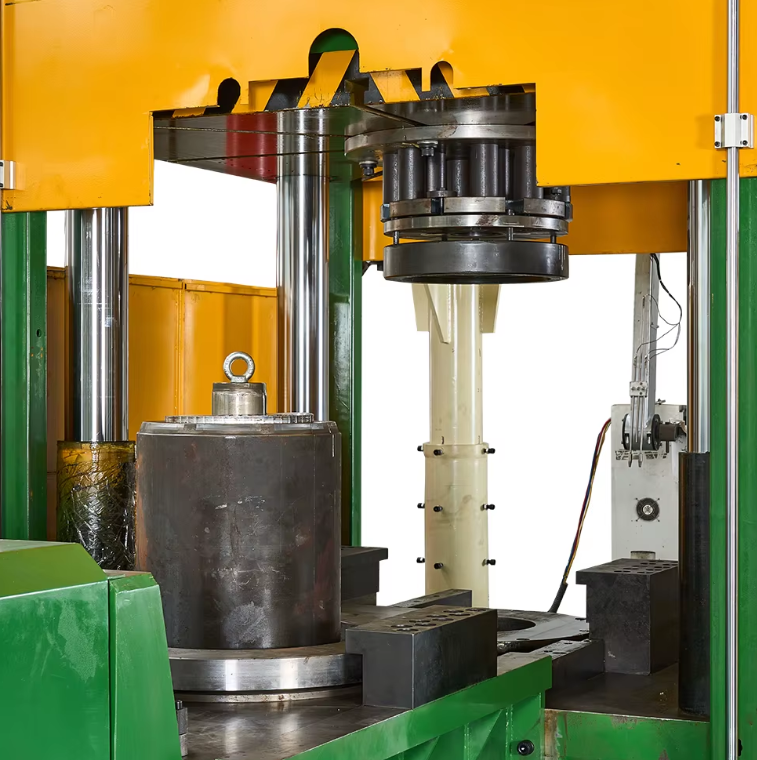
How Aluminum Die Casting Machines Work: Core Mechanisms and Process Flow
Aluminum die casting machines work their magic by turning liquid aluminum into highly accurate parts using speed and pressure. When the process starts, a two part steel mold called a die gets locked shut with incredible force from hydraulic cylinders. The numbers here can get pretty big too, ranging anywhere from around 100 tons all the way up to 4,000 tons depending on what needs to be made. Now why do we need this kind of setup? Well, regular machine parts would melt away since aluminum itself melts at about 660 degrees Celsius. That's why manufacturers stick with cold chamber systems. With these, workers pour the hot metal into an outside container first before shooting it into the mold cavity using a powerful piston. The pressure during injection hits around 175 MPa which allows even the most complicated shapes to fill up completely within mere milliseconds.
The metal solidifies extremely quickly thanks to those water cooled channels built right into the die itself. When it's completely set, the machine opens up the two halves of the die and special pins push out the finished casting. Before starting another cycle, an automatic system sprays a thin layer of heat resistant release agent inside the cavity. All told, this whole process takes between 15 to 90 seconds per part, which means we get components that are almost exactly shaped how they need to be, down to dimensional tolerances of just plus or minus 0.1 millimeters. Getting good quality results really depends on keeping tight control over several critical factors like how fast the molten metal gets injected, the speed at which the plunger moves, and maintaining proper die temperatures somewhere between 150 and 260 degrees Celsius. Even small changes here can lead to problems such as air pockets in the metal, visible flow lines, or sections where the metal didn't fill properly. Most large manufacturing plants have robots doing everything from pouring the raw material to picking up finished parts these days, allowing them to run non stop with minimal human intervention.
| Process Stage | Key Parameters | Quality Influence Factors |
|---|---|---|
| Clamping | 100–4,000 ton force | Die alignment stability |
| Injection | 10–175 MPa pressure | Metal flow completeness |
| Solidification | 1–30 second duration | Cooling uniformity |
| Ejection | Pin placement accuracy | Surface finish integrity |
Key Types of Aluminum Die Casting Machines: Cold Chamber vs. Hot Chamber Comparison
Most aluminum die casting operations stick to cold chamber machines because hot chamber systems just don't work well with aluminum. The metal has such a high melting point and tends to react badly at those temperatures, which makes it eat away at equipment pretty fast. Hot chamber units have the furnace built right into the machine itself, pulling molten metal up through what's called a gooseneck. But this setup puts all sorts of stress on internal parts over time when working with aluminum alloys. That's why cold chamber systems remain popular among manufacturers. With these setups, the furnace stays separate from the main casting unit. Workers or automated systems then pour the molten metal into a shot sleeve before injecting it into the mold cavity for shaping.
This fundamental distinction shapes performance and application:
| Feature | Cold Chamber Die Casting | Hot Chamber Die Casting |
|---|---|---|
| Suitable Metals | Aluminum, copper, brass | Zinc, magnesium, tin, lead |
| Melting Point | High (>600°C) | Low (<430°C) |
| Production Rate | 50–90 shots/hour | 400–900 shots/hour |
| Furnace Position | External, separate | Integrated into machine |
| Ideal Applications | Engine blocks, structural housings | Electronics, decorative hardware |
Cold chamber machines trade speed for material integrity and part complexity making them indispensable for automotive, aerospace, and industrial aluminum components where strength, precision, and thermal stability are non-negotiable.
Critical Selection Criteria for Industrial Aluminum Die Casting Machines
Clamping Force, Shot Capacity, and Cycle Time Requirements
When choosing an aluminum die casting machine, there are three main technical aspects that need to work together properly. The clamping force, which is measured in tons, needs to be strong enough to handle the injection pressure pushing against the die surface area otherwise we get unwanted flash around our parts. Structural components such as engine blocks usually require machines with clamping forces between 600 and 5,000 tons depending on their size and complexity. Shot capacity refers to how much molten metal the machine can actually push into the mold during each cycle. This has to match up with what the part itself weighs plus all those runners and gates that feed material throughout the casting. Then there's cycle time, which depends heavily on how quickly the metal solidifies inside the mold, how well the dies cool down afterward, and whether automated systems speed things along. A machine running at about 30 seconds per cycle would produce roughly 1,200 pieces over a standard 10 hour workday. Getting any one of these numbers wrong leads to problems ranging from messy flash marks to incomplete fills, overheating issues, or just plain old equipment breakdowns that nobody wants to deal with.
Automation Integration and Smart Manufacturing Readiness
The latest aluminum die casting operations really need those Industry 4.0 compatible systems these days. Smart sensors are now embedded throughout the equipment to keep track of things like plunger speed down to 0.01 meters per second, monitor how pressure builds during injection, check temperatures on the die surfaces, and watch hydraulic pressures as they happen. All this information gets sent straight to cloud based analysis tools where it can be processed instantly. What does this mean practically? The machines can adjust themselves automatically to maintain dimensions within just 0.05 millimeters tolerance. They also send warnings when parts like heaters or valves might need attention before they fail completely. Plus everything works together smoothly with robots that take out finished parts and measurement stations that check quality right there on the line. According to a recent survey by the American Foundry Society from last year, foundries that have made these upgrades see their equipment effectiveness scores jump by around 18% compared to older factories still relying on manual controls.
Maximizing Uptime and Part Quality: Maintenance, Troubleshooting, and Process Optimization
Preventive Maintenance Schedules for Critical Components
Running a solid preventive maintenance (PM) program remains one of the best ways to keep machines running reliably while maintaining good part quality over time. On a daily basis, technicians need to lubricate those guide pins and platens properly. Weekly routines involve checking hydraulic fluid levels, making sure hoses aren't damaged, and verifying accumulator pressure stays within specs. Monthly calibration work focuses on ensuring that plungers return to their correct positions repeatedly and sensors give accurate readings consistently. For quarterly maintenance, shops typically tackle those parts that wear down fastest. This includes replacing worn plunger tips and worn out ceramic coatings, looking closely at gooseneck liners for signs of erosion, and doing chemical cleanings on die cooling channels when they get clogged up with residue that reduces heat transfer effectiveness. Plants that stick to ASME B11.24 standards for their PM programs tend to see about 40 to 50 percent fewer unexpected breakdowns compared to facilities that only fix things after problems happen. Many operations now use Computerized Maintenance Management Systems (CMMS) software which helps schedule these tasks better by generating work orders based either on how many hours equipment runs or how many production cycles complete, so maintenance can be done during slower periods rather than disrupting active production.
Common Defects in Aluminum Castings and Machine-Related Causes
Defects in aluminum die castings often trace directly to machine performance drift or parameter misalignment. Key examples include:
- Porosity: Caused by insufficient shot speed, inconsistent plunger acceleration, or inadequate venting leading to trapped air or hydrogen gas during solidification
- Flashing: Arises from worn die inserts, declining clamping force due to hydraulic leakage, or platen misalignment allowing metal egress
- Cold Shuts: Result from delayed injection timing, low molten metal temperature (often due to heater failure or prolonged dwell in the shot sleeve), or excessive die chilling
- Dimensional Inaccuracy: Frequently linked to thermal deformation of dies from uneven cooling, inconsistent cycle timing, or degraded temperature control loops
Correlating real-time machine data such as pressure decay curves and die thermocouple logs with defect tracking enables root-cause diagnosis and closed-loop process correction. When applied rigorously, this approach sustains dimensional repeatability within ±0.2 mm across production runs.
Table of Contents
- How Aluminum Die Casting Machines Work: Core Mechanisms and Process Flow
- Key Types of Aluminum Die Casting Machines: Cold Chamber vs. Hot Chamber Comparison
- Critical Selection Criteria for Industrial Aluminum Die Casting Machines
- Maximizing Uptime and Part Quality: Maintenance, Troubleshooting, and Process Optimization