 EN
EN



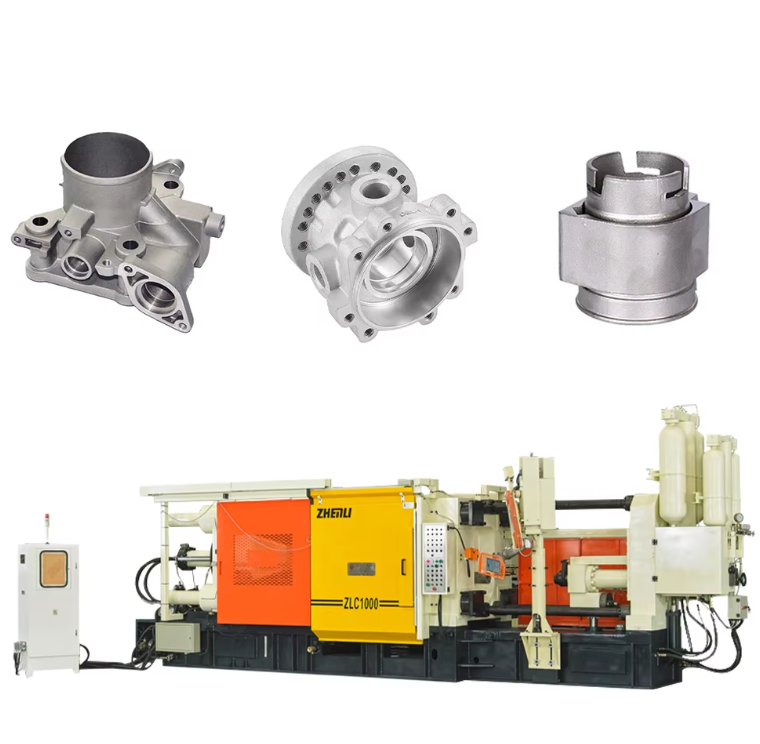
Core Quality Certification: ISO 9001 for Metal Casting Machinery
Why ISO 9001:2015 Is Mandatory for Metal Casting Machinery Manufacturers
Getting ISO 9001:2015 certified is not something companies can skip if they want to stay competitive in today's market. The certification process checks whether equipment actually lives up to global quality standards by looking at how well organizations document their procedures and prevent problems before they happen rather than just fixing things after the fact. According to research published in Quality Management Journal last year, businesses that follow this standard report around 20 percent fewer issues during production when they build quality controls into every stage from initial design through material procurement right down to actual assembly work. One key requirement involves analyzing potential risks systematically, which becomes particularly important when dealing with parts exposed to extreme temperatures such as those used in melting crucibles. This helps maintain stable metal characteristics throughout the finished product. Companies without proper ISO certification often struggle with unpredictable machine behavior, get rejected by suppliers who require compliance, and end up facing serious legal problems whenever castings fail unexpectedly.
Machinery-Specific QMS Documentation and Audit Readiness
Certification readiness hinges on machinery-specific QMS documentation that reflects operational reality—not generic templates. Key requirements include:
- Component traceability logs, mapping specific alloy batches to furnace runs and heat treatments
- Preventive maintenance schedules calibrated to thermal degradation rates of refractory linings, burners, and hydraulic systems
- Calibration certificates for pyrometers, flow sensors, pressure regulators, and load cells—traceable to national standards
Manufacturers must maintain real-time production records proving conformity to these procedures. Audit readiness means conducting simulated internal assessments to expose gaps—such as undefined temperature verification steps for automated pouring systems. Leading suppliers perform biannual internal audits, achieving zero non-conformances during third-party ISO surveillance.
Environmental, Health & Safety Compliance for High-Risk Casting Operations
Integrating ISO 14001 and ISO 45001 into Metal Casting Machinery Design and Deployment
Safety and environmental responsibility shouldn't be tacked on after production starts but built right into the design process from day one. Foundries that implement both ISO 14001 for environmental management and ISO 45001 for workplace safety see about a 43% drop in molten metal exposure risks according to recent research published in Safety Science (2023). The standards push manufacturers to spot potential dangers early on during engineering phases. Hazards like harmful fumes, intense heat radiation, loud noises, and repetitive strain injuries need addressing before equipment hits the floor. Good implementations include things like sealed enclosures that trap dust particles, automatic systems for moving hot metal ladles which keeps workers away from those scorching 1300 degree pours, plus backup emergency stops with redundant controls. For machinery itself, companies install air quality sensors that track levels against OSHA and NIOSH guidelines, add fall protection points throughout structures, and create platforms that absorb vibrations for operators standing all day. While meeting regulations is important, these combined standards actually produce real results too – they cut down carbon footprints per ton produced and significantly reduce accident rates overall.
Pressure and Structural Integrity Standards: ASME and PED Requirements
Applicability of ASME Section VIII and PED 2014/68/EU to Melting, Holding, and Pouring Systems
Equipment like melting furnaces, holding vessels, and automated pouring systems face serious challenges from intense heat and pressure differences, which means structural integrity just can't be compromised. Across North America, the ASME Section VIII standard sets the rules for designing pressure equipment, specifying things like proper materials, calculating wall thicknesses, and inspecting welds properly. The European Union has similar requirements through their Pressure Equipment Directive (PED) 2014/68/EU, which covers pretty much the same ground when it comes to safety during design, production, and quality checks. These regulatory frameworks share common ground on several key points including:
- Hydrostatic testing at 1.5× maximum allowable working pressure
- Finite element analysis (FEA) to validate stress distribution under thermal cycling and mechanical loading
- Full material traceability—including mill test reports documenting chemical composition and mechanical properties
- Non-destructive examination (NDE) of all critical joints, with acceptance criteria aligned to ASTM E165 and E94
When it comes to automated pouring systems, the PED Annex I regulations mandate certain fail safe features. Think about things like having multiple pressure relief valves as backup and those gravity operated shut off gates that close automatically. These are there specifically to stop molten metal from getting released accidentally when pressures fluctuate unexpectedly. Looking at actual industry data from 2022, we see that equipment designed according to ASME standards actually brings down the chance of vessel failures by around 92%. And following PED guidelines isn't just good for safety either it also makes life easier when moving equipment between countries, cutting down compliance delays by approximately 40%. Getting all these systems properly installed matters a lot because they need to maintain their integrity even through extreme temperature changes, sometimes going well beyond 1400 degrees Celsius in operation.
Specialized Technical Accreditation: NADCAP for Precision Casting Support Functions
NADCAP Heat Treat and Materials Testing Criteria for In-Line Metal Casting Machinery
For manufacturers supplying precision castings—especially to aerospace and defense—NADCAP accreditation is the definitive benchmark for technical process credibility. Unlike broad-based quality systems, NADCAP validates how critical support functions are executed: heat treatment, materials testing, and metallurgical analysis embedded directly within casting machinery workflows. Key requirements include:
- Heat treat validation: Documented control of soak temperatures, ramp rates, quench media temperature and agitation, and furnace atmosphere composition (e.g., dew point for vacuum or inert-gas systems)
- Materials testing protocols: Standardized NDT methods—including penetrant, magnetic particle, radiographic, and ultrasonic inspection—with procedure qualification and personnel certification per NAS 410
- Traceability systems: End-to-end material pedigree tracking—from raw alloy lot to final component heat number, including all thermal and mechanical processing steps
The Performance Review Institute (PRI) handles audits in this space, and around two thirds of aerospace OEMs actually require their critical casting suppliers to have NADCAP certification. Now, AS9100 does lay down a solid quality base for operations, but when it comes to those really risky technical processes, NADCAP is what keeps things consistent. It focuses specifically on getting reliable microstructures and catching defects before they become problems. Manufacturers that combine both AS9100 and NADCAP standards tend to see about a 40 percent drop in defects for those safety critical components compared to shops that stick only with ISO standards. Makes sense why so many in the industry are making the switch.