 EN
EN



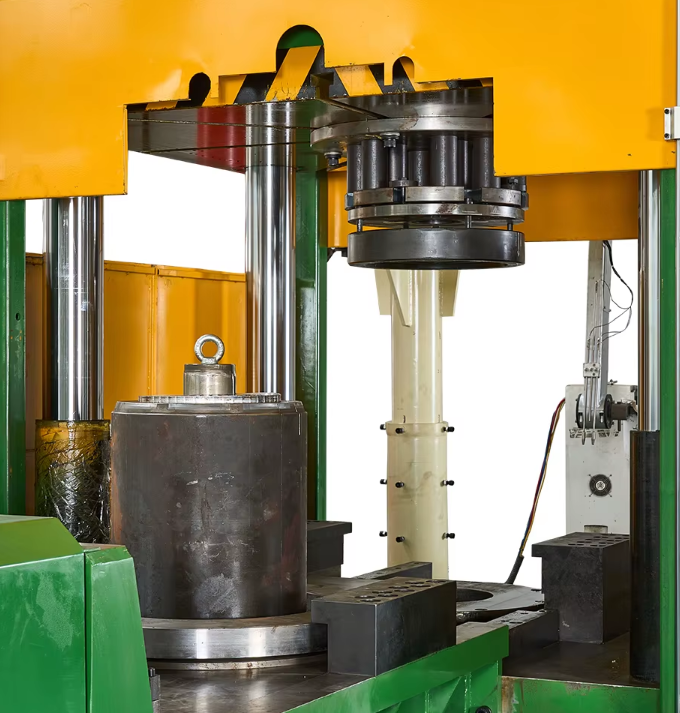
Key Energy Consumption Hotspots in Aluminium Die Casting Machines
Knowing where energy gets wasted matters a lot when trying to get better performance out of aluminium die casting machines. Most of the power goes into the melting phase, which eats up around 80% of all the energy used in the whole process according to some recent industry studies from Ponemon in 2023. Why so much? Well, keeping that aluminium melted requires constant heat at very high temperatures, which obviously takes a ton of electricity. There are other areas where energy disappears too, but these aren't as big of a problem compared to what happens during melting.
- Holding furnaces: Reheating metal during production pauses
- Injection systems: Hydraulic pumps driving high-pressure metal injection
- Cooling cycles: Temperature regulation for molds and cast components
- Auxiliary equipment: Compressed air, lubrication, and control systems
The disproportionate intensity of melting underscores why efficiency initiatives must prioritise this phase. Yet the cumulative impact of smaller losses across holding, injection, and cooling operations presents substantial, often overlooked, opportunities for strategic reduction—without compromising throughput or part quality.
High-Efficiency Melting and Holding Technologies for Aluminium Die Casting Machines
Isomelting: Conductive Immersion Heating for Precise, Low-Loss Melting
With Isomelting technology, the heating elements actually go right into the molten aluminum itself, which means we get conductive heat transfer instead of just relying on radiation from above. This setup hits around 95% thermal efficiency, something traditional furnaces just can't match because they lose so much heat to the surrounding air. The system maintains temperatures within plus or minus 2 degrees Celsius, which stops problems like alloy segregation and oxidation from happening. Plus, since the crucible walls stay cooler during operation, the refractory materials last about 30% longer than usual. When tested against industry standards for metallurgical efficiency set in 2024, Isomelting cuts down on energy consumption during melting processes by approximately 18% when compared with standard gas fired furnaces.
Crimson Single-Shot Up-Casting: Reducing Reheating and Transfer Losses
The single shot upcasting system from Crimson injects precisely measured molten aluminum straight into the die cavity without needing to go through the usual steps of ladling, transporting, or reheating in between. What does this mean? Well, thermal losses drop around 22 percent because there's less heat escaping during handling. There's also significantly less oxidation happening since the metal moves at just the right speed through the system. And let's not forget about furnace efficiency either - downtime gets slashed by about 40% compared to traditional methods. On top of all that, cycle times get shorter by roughly 15%, which means production runs faster overall. Plus, when the mold fills consistently every time, it creates castings with much better density throughout the piece.
Operational Strategies to Cut Energy Use Across Aluminium Die Casting Machines
Smart Load Matching, Mold Preheating Optimization, and Real-Time Energy Analytics
Using smart operational strategies can cut down on yearly energy consumption somewhere around 15 to 20 percent, all without needing expensive equipment upgrades. When it comes to load management, the system works by matching hydraulic power, pump output, and heater settings right to what's needed for each individual production cycle. This means we're not running everything at full capacity when there's actually low demand going on. For mold preheating, switching to infrared technology makes a big difference too. These systems hit desired temperatures about 30% quicker compared to traditional resistance heating methods, which really cuts down on how much energy gets used before production even starts up.
Real-time energy analytics—powered by IoT sensors embedded in key subsystems—track:
- kWh consumption per casting cycle
- Thermal loss profiles during metal transfer
- Shift-level peak demand patterns
Having detailed insight into operations allows for quick fixes based on real data, like tweaking cooling flow rates whenever things start drifting outside acceptable ranges. Plants that have switched to maintenance guided by analytics see around 12 percent fewer unexpected shutdowns. That's actually pretty significant because getting an aluminum die casting machine back online after a stoppage uses as much power as running it nonstop for almost three quarters of an hour. Put all these approaches together and they create savings that build upon each other, without sacrificing what gets produced or how good it is.