 EN
EN



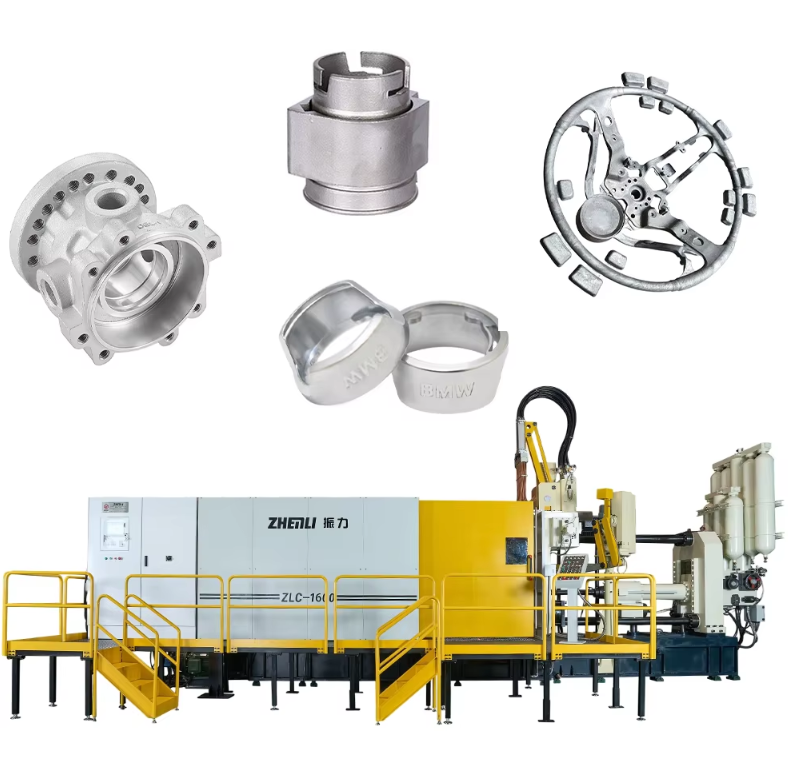
Core Industrial Requirements for Cold Chamber Die Casting Machines
Clamping Force, Shot Capacity, and Cycle Time Alignment with Production Volume Targets
Picking the right cold chamber die casting machine really comes down to getting the specs to match what the factory actually needs. The clamping force, which is measured in tonnes, has got to be strong enough to hold back the pressure from molten metal otherwise we get those annoying flash defects. Most cars stuff needs somewhere between 1,000 and 5,000 tonnes depending on the job. Shot capacity basically tells us how heavy a part we can make, and cycle time determines how fast things move through the system. When talking about big volume production runs that hit over 50k parts each month, machines that can do cycles under 30 seconds make all the difference in keeping production moving smoothly instead of getting stuck at bottlenecks. One major manufacturer saw their yields jump by 22% last year when they paired up a 3,200 tonne press with aluminum transmission housing work. For serious high volume operations, it's worth investing in machines where the hydraulics respond just right so they work hand in hand with robots taking out finished parts without stopping the whole line.
Handling Part Complexity and Tight Dimensional Tolerances at Scale
When dealing with complex shapes like thin wall heat sinks or threaded inserts, good process control becomes absolutely essential. Machines that have real time shot monitoring can usually hold around 0.05mm tolerances on about 95 percent of production batches. Multi slide dies handle those tricky undercuts without needing extra machining steps, and temperature controlled manifolds help reduce warping issues when running long production cycles. Aerospace companies that switch to dynamic pressure profiles often see their magnesium alloy parts show about 40% less porosity compared to regular injection methods. Anyone working with critical components should check whether machines can maintain ISO 286 standards over half a million cycles without showing any significant drift in performance.
Uptime Reliability, Mean Time Between Failures (MTBF), and Maintenance Efficiency
Keeping production running smoothly means avoiding those unexpected shutdowns that eat into profits. The best cold chamber die casting machines hit impressive MTBF numbers over 1,200 hours thanks to tough plunger tips and hydraulic systems with two filters working together. When it comes to changing dies, modular designs cut down the time needed to less than 90 minutes. Plus, modern vibration sensors connected to industrial internet of things tech can spot potential pump problems as much as 80 hours before they happen. Centralized lubrication systems make maintenance work easier too. Factory workers who've switched from manual methods tell us their maintenance bills drop by about 30%. For anyone investing serious money in manufacturing equipment, look for machines that score above 85% on Overall Equipment Effectiveness and keep scrap rates at 5% or below. These specs matter most when every dollar counts in expensive production setups.
Material and Thermal Performance: Optimizing Cold Chamber Die Casting Machine Capabilities for High-Melting Alloys
Aluminum, Copper, and Magnesium Processing: Furnace Integration, Thermal Stability, and Die Protection
Cold chamber die casting machines work particularly well with metals that have high melting points like aluminum at around 660 degrees Celsius, copper which melts at about 1,085 C, and magnesium. These machines keep the molten metal separate from the parts that handle the actual injection process. This design choice helps protect sensitive components from heat damage and allows better control over how thick or thin the metal becomes when it fills the mold cavity. Modern machines come equipped with built-in furnaces that maintain steady temperatures throughout the alloy, cutting down on air pockets in aerospace parts by roughly 18% compared to older methods. Special temperature control systems can hold die surfaces within plus or minus 5 degrees Celsius, stopping early solidification issues in complicated shapes and making dies last about 30% longer. When working with copper under injection pressures exceeding 600 megapascals, this kind of temperature stability really makes a difference in preventing cracks. For magnesium processing, special gas protection during metal transfer reduces oxidation problems, while computer controlled shot movements improve how the metal flows into the mold. What sets cold chamber machines apart is their ability to handle continuous heating cycles above 700 degrees Celsius without breaking down, which means they can consistently produce parts like turbine housing components and electric vehicle battery casings that need extremely tight dimensional accuracy of plus or minus 0.05 millimeters.
Drive Technology and Structural Design: Evaluating Cold Chamber Die Casting Machine Configurations
Servo-Hydraulic vs. Fully Electric Systems for Thermal-Intensive, High-Consistency Cycles
When deciding between servo-hydraulic and fully electric drive systems, manufacturers need to weigh factors like heat resistance against the need for precision in their specific applications. Servo-hydraulic setups work really well with metals that have high melting points such as aluminum and copper. These systems use oil cooling which keeps the hydraulic fluid at the right consistency even when exposed to extended periods of heat. This helps reduce component wear and makes the whole system more stable over time. Electric machines on the other hand offer better energy efficiency, sometimes cutting power usage by around 40%. They also provide exceptional shot repeatability with accuracy down to about 0.01mm, which is why they're becoming popular for manufacturing intricate parts where tiny variations caused by temperature changes just won't cut it. Although servo-hydraulic systems still rule the market for heavy duty applications involving copper alloys, many companies are switching to electric drives when the project demands extremely tight tolerances and the long term energy savings outweigh the upfront costs. Most plants report consistent dimensions through hundreds of thousands of production cycles when using these systems properly.
Scalability, Automation, and Smart Manufacturing Integration
Tonnes Capacity Ranges (1000–5000t, 9000t) and Real-World Throughput Benchmarks
The choice of clamping force really matters in cold chamber die casting operations. For regular production volumes we typically see machines around 1,000 tonnes, but when manufacturing big aerospace parts, manufacturers need massive presses upwards of 9,000 tonnes. These heavy duty machines handle structural pieces such as car subframes at rates between 12 to 18 cycles per hour while maintaining tight tolerances within plus or minus 0.2mm. Actual output numbers depend a lot on how well the shot control system works together with other processes. Take 2,500 tonne systems for instance they can manage anywhere from 45 to 55 shots per hour when making aluminum transmission housings. The bigger machines need extra strong platens to withstand all that pressure during injection so parts come out consistently dense across long production runs. Newer 3,500 tonne models are clocking in about 15 to 25 percent faster than older equipment thanks to better control over how metal solidifies and improved temperature regulation throughout the casting process.
HMI Usability, Safety Compliance (ISO 13857, CE), and IIoT-Enabled Predictive Maintenance
The intuitive Human-Machine Interface (HMI) dashboards help cut down on mistakes made by operators because they provide clear visual monitoring of molds and allow quick access to stored recipes, which can shorten changeover times quite a bit, maybe around 30%. When it comes to safety standards, these systems follow ISO 13857 requirements for safe distances and meet all CE regulations too. This means factories get solid protection against hazards thanks to things like light curtains and emergency stops that last through millions of operations. The Industrial Internet of Things (IIoT) sensors keep tabs on important factors like how thick the hydraulic oil gets, tension in those tie bars, and any weird temperature changes in dies. This kind of monitoring lets plants do maintenance before something breaks down, cutting unexpected stoppages by about 40% in many cases. Smart data analysis connects patterns in heat stability to when tools start wearing out, so companies can replace parts like shot sleeves before real problems happen, extending die life well beyond 2,000 cycles in most situations.
FAQs
What is the importance of clamping force in cold chamber die casting machines?
The clamping force is crucial as it holds the mold together under the pressure of molten metal, preventing defects like flash.
How do cold chamber machines handle high-melting alloys like aluminum and copper?
These machines keep the molten metal separate from the injection components, protecting sensitive parts from heat damage and allowing better control over metal consistency.
What are the benefits of using IIoT-enabled predictive maintenance in die casting?
IIoT sensors monitor key factors, allowing for maintenance before issues occur, reducing unexpected stoppages and prolonging die life.
Table of Contents
- Core Industrial Requirements for Cold Chamber Die Casting Machines
- Material and Thermal Performance: Optimizing Cold Chamber Die Casting Machine Capabilities for High-Melting Alloys
- Drive Technology and Structural Design: Evaluating Cold Chamber Die Casting Machine Configurations
- Scalability, Automation, and Smart Manufacturing Integration
- FAQs