Aluminium Die Casting Machine for Sale | Zhenli 100-1300T Auto Part Solutions

[email protected]         +86-13302590675

Get a Free Quote

Our representative will contact you soon.
Email
Mobile/WhatsApp
Name
Company Name
Message
0/1000

Zhenli Products Page: Aluminium Die Casting Machines for Auto Parts and Plastic Injection Equipment

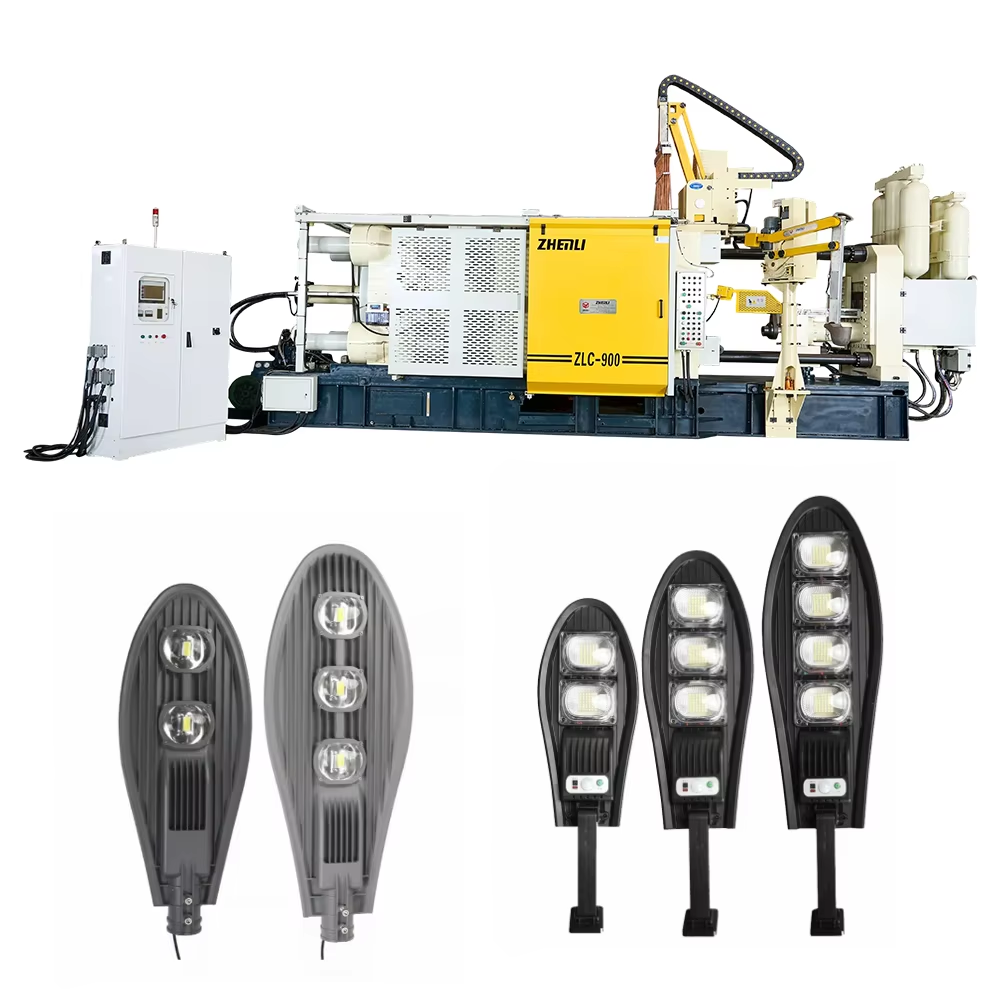
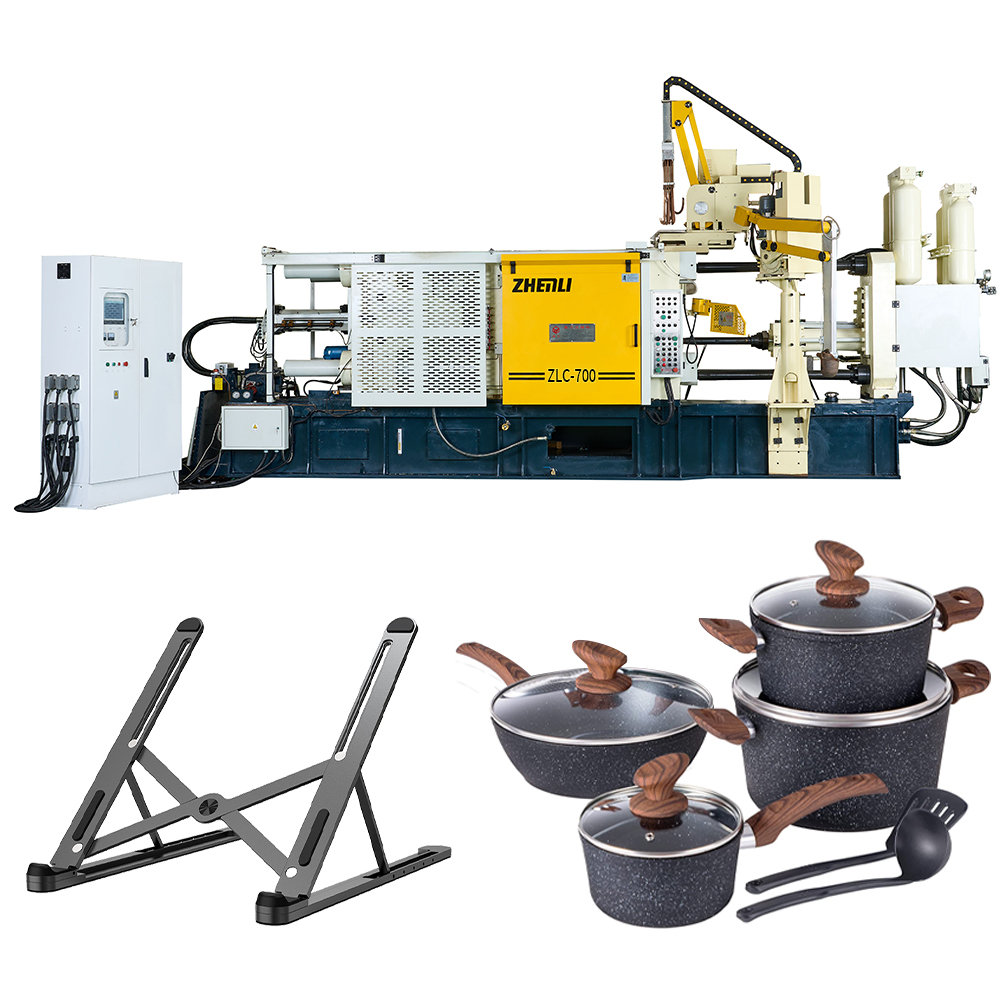
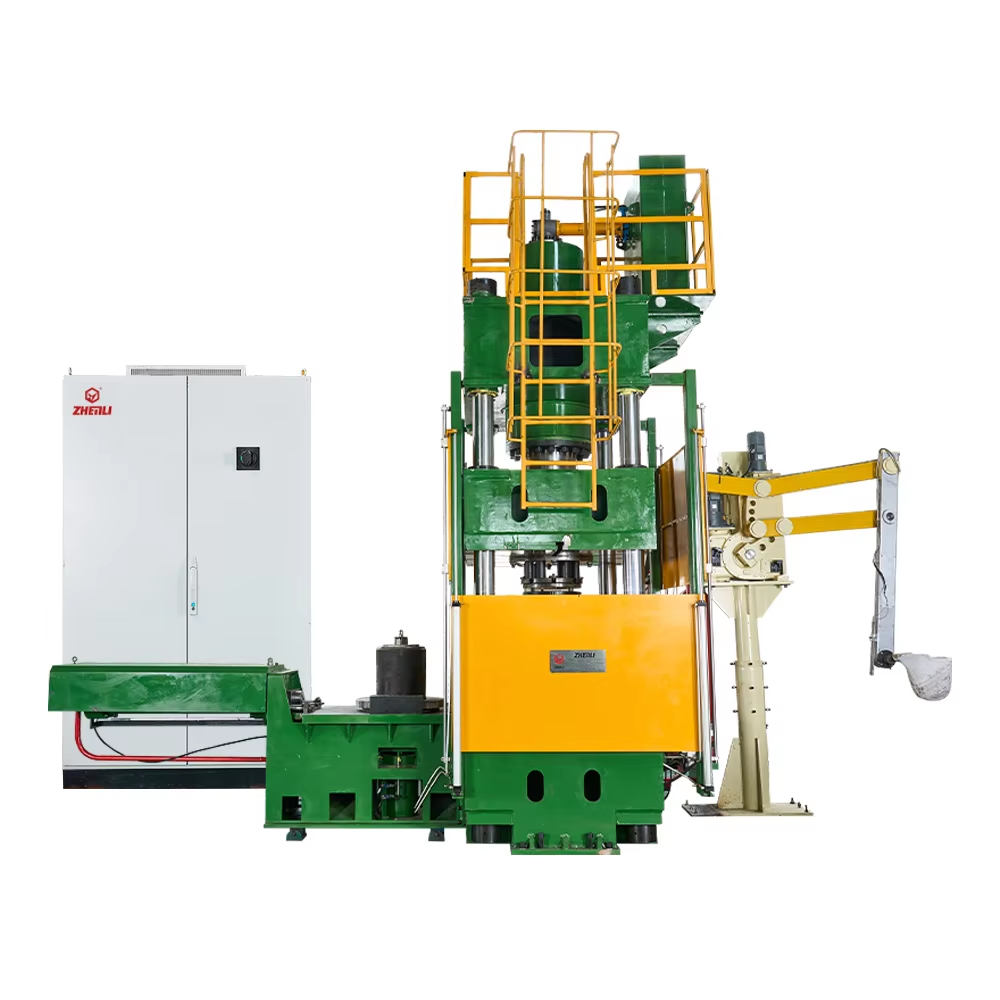
This page displays Zhenli’s products, with aluminium die casting machines as a key offering. These machines are specialized for car auto parts, including engine blocks and aluminum alloy car wheel weights, and are available in three types: simple manual, full automatic, and low pressure. Additionally, the page includes a wide range of plastic injection molding machines (models MC1000S, MC800S, MC650S, MC560S, MC450S, MPET2608 350S, MC270S, MC200S, MC160S, MC120S) with tonnages 120 Ton 1000 Ton, suitable for producing traffic cones, baby products, earphones, PET preforms, dental floss, sunglasses, USB cables, EVA/PVC shoe soles, and LED bulbs.
Get A Quote

Advantages of the product

Precise Temperature Control for Aluminum Melting

Aluminum has a specific melting point of 660℃, and the machines are equipped with a dual temperature monitoring system (infrared sensor + thermocouple) to maintain molten aluminum temperature at 680 720℃—the optimal range for fluidity. The temperature error is controlled within ±1℃, avoiding issues like cold shut (due to low temperature) or oxidation (due to high temperature). This precision ensures aluminum castings have a smooth surface (Ra ≤1.2μm) and no internal defects (e.g., air bubbles, shrinkage holes), with a pass rate of over 97%—5% 8% higher than ordinary die casting machines. The machines also have a degassing system that removes hydrogen from molten aluminum (hydrogen content ≤0.15 ml/100g Al), further improving casting quality and reducing the risk of cracking during heat treatment.

Related products

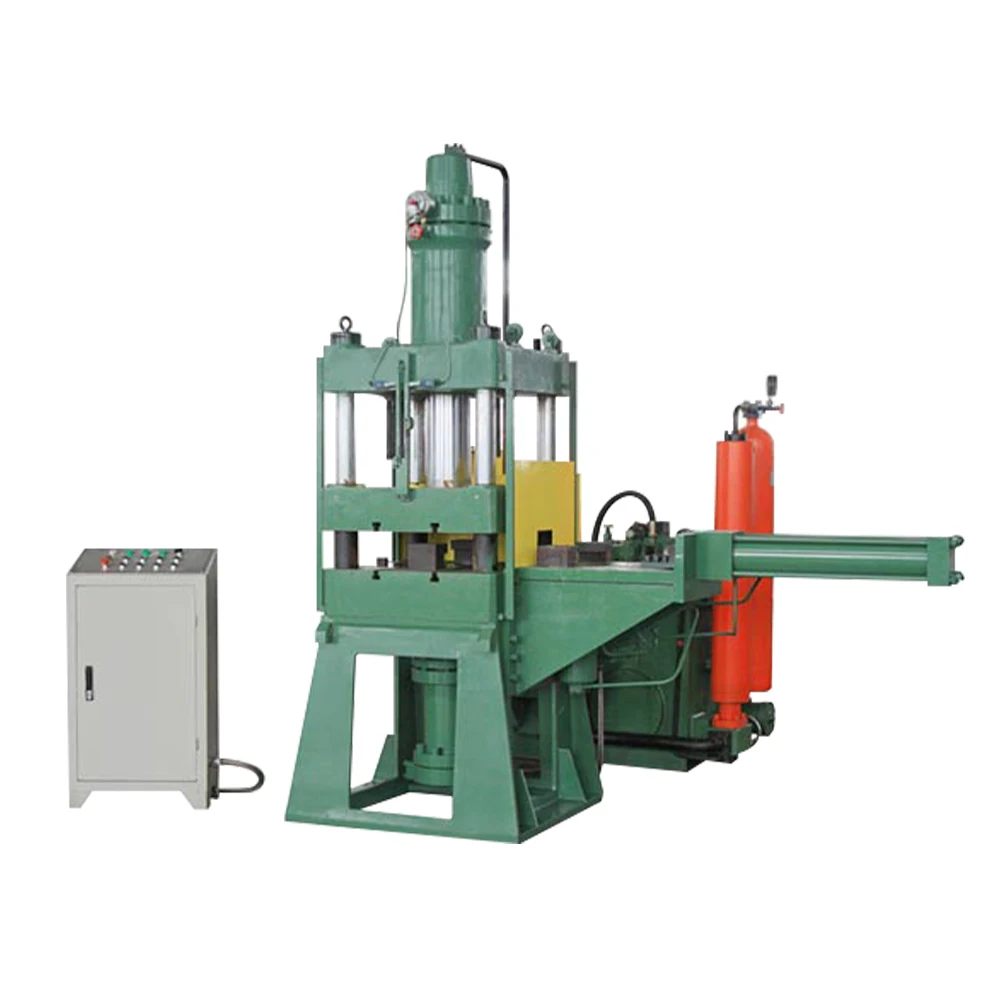
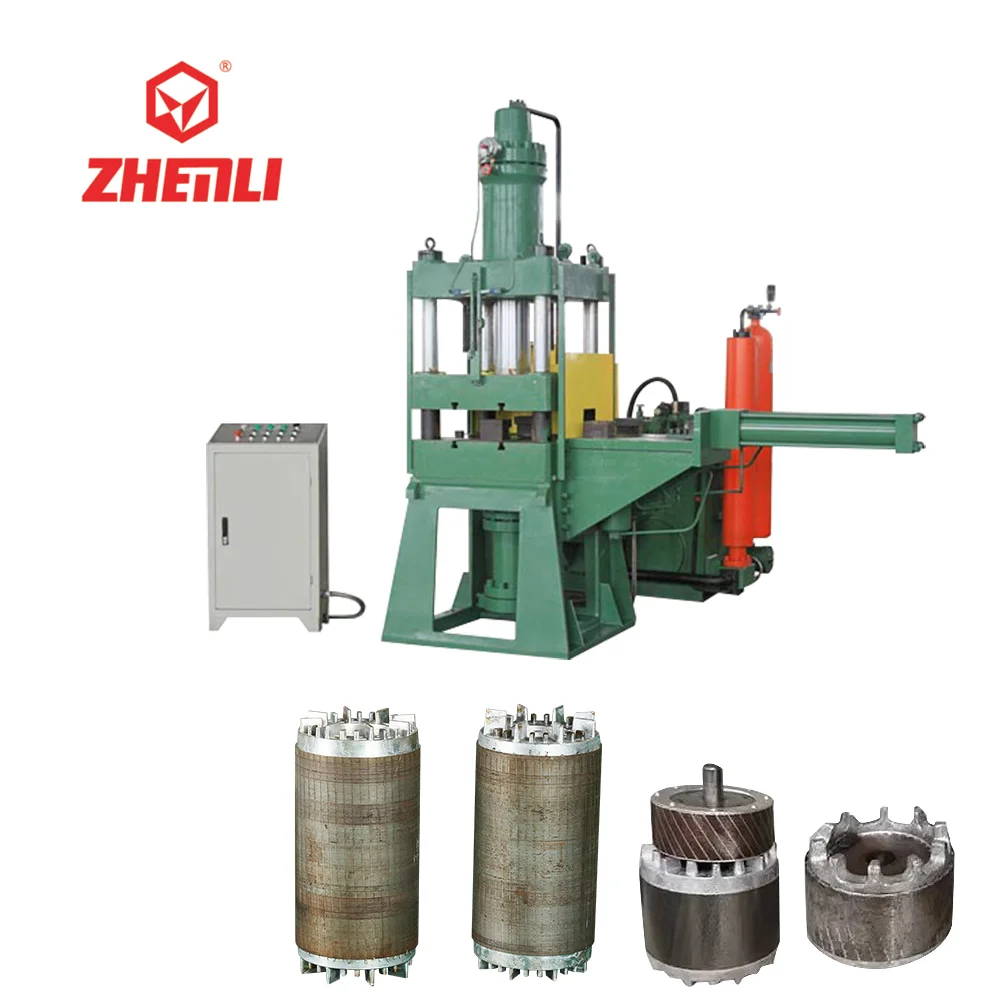
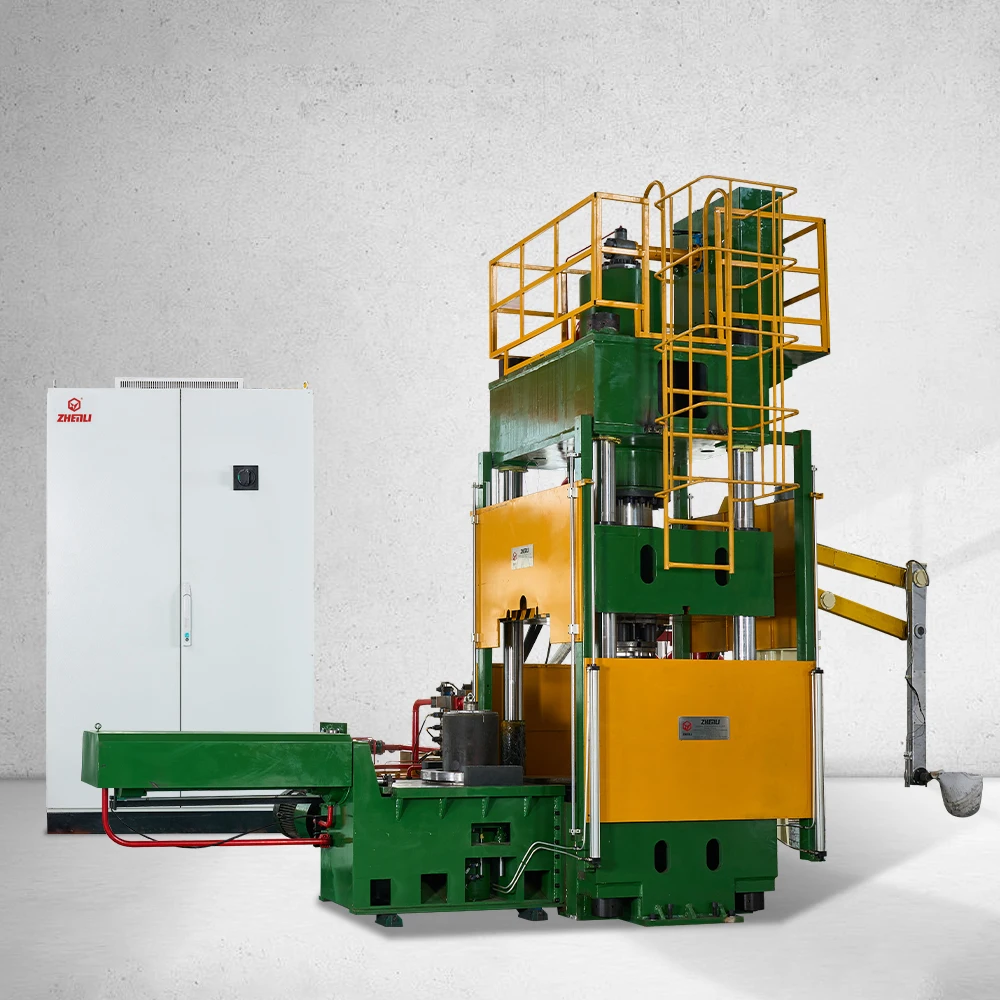
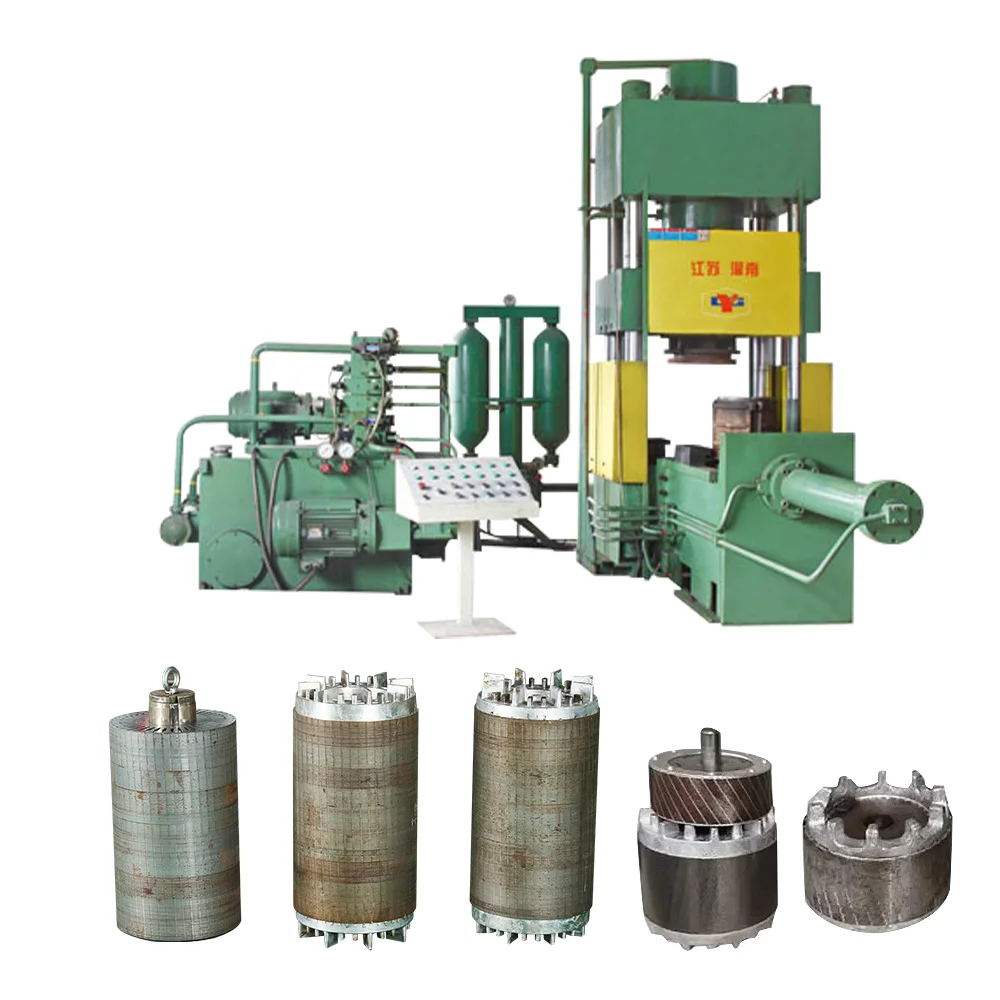
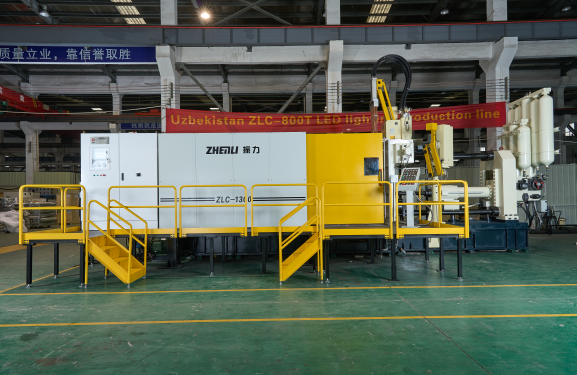
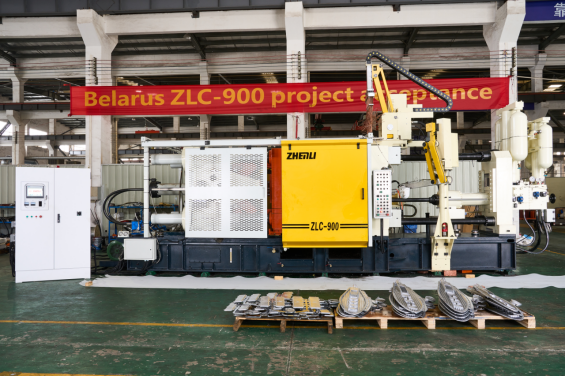
Aluminium die casting machines are specialized equipment that uses high pressure to force molten aluminum alloy into precision molds, producing lightweight, high strength components—and Zhenli’s aluminium die casting machines are optimized for automotive lightweighting, full automation, quality control, and durability, meeting the demands of new energy vehicles (NEVs) and traditional automotive, electronics, and aerospace industries. A primary focus of Zhenli’s aluminium die casting machines is supporting automotive lightweighting, a global trend driven by NEV battery life improvement and fuel efficiency regulations. The machines can cast aluminum parts with minimum wall thicknesses of 1.8mm—thinner than the 3mm minimum of many competitors—enabling the production of compact components like NEV battery frames (weight 15kg, wall thickness 2.0mm) and engine blocks (30kg, 2.5mm thickness). The use of these lightweight parts reduces vehicle weight by 10% 15%: for a NEV with a 500km range, this translates to an 8% 12% range extension (40 60km), while for a traditional gasoline car, it cuts fuel consumption by 5% 8% (0.3 0.5 L/100km). To ensure the structural integrity of thin walled parts, the machines feature a high pressure injection system with maximum pressures of up to 180 MPa. This pressure forces molten aluminum to fully fill complex mold cavities—including intricate internal channels (e.g., engine block water jackets) and fine ribs (2.0mm width)—eliminating defects like underfilling and air bubbles. Injection speed is precisely controllable (up to 600 mm/s), ensuring molten aluminum solidifies uniformly across thin sections, maintaining dimensional accuracy (±0.05mm) critical for automotive assembly. Full automation is integrated to reduce labor costs and improve consistency. Zhenli’s aluminium die casting machines form a complete automatic line, including: automatic aluminum ingot feeding (via conveyor belts), melting (furnace temperature controlled at 680 720℃), degassing (removing hydrogen to ≤0.15 ml/100g Al), injection, mold clamping, robotic part trimming (accuracy ±0.1mm), and inline quality inspection (vision systems detecting surface defects). This automation reduces labor requirements by 70% 80%: one operator monitors 2 3 machines, compared to 2 3 operators per semi automatic line. For a factory with 10 machines, this cuts annual labor costs by \(150,000 \)200,000. Automation also improves part consistency: the pass rate rises from 92% 94% (semi automatic) to 97% 98%, as human errors (e.g., uneven feeding, delayed trimming) are eliminated. A NEV battery frame manufacturer using Zhenli’s automatic lines reports zero fitment issues during vehicle assembly, a critical metric for automotive suppliers. Precise temperature control is a technical highlight, addressing aluminum’s specific melting characteristics (660℃). The machines use a dual temperature monitoring system (infrared sensors + thermocouples) that maintains molten aluminum temperature within 680 720℃, with an error of ±1℃. This prevents two common defects: cold shut (caused by low temperature, <670℃) and oxidation (caused by high temperature, >730℃, forming aluminum oxide impurities). The degassing system—using nitrogen or argon bubbling—removes hydrogen, which causes cracking during heat treatment. For example, when casting aluminum alloy 6061 (used in NEV structural parts), the low hydrogen content ensures the material retains 95% of its tensile strength (310 MPa) after heat treatment, meeting automotive safety standards (e.g., ISO 6012). Durability is ensured through high quality mold and component design. The molds are made of H13 hot work steel, subjected to quenching and tempering treatments to achieve a hardness of HRC 48 52—enhancing wear resistance. Under normal operation, each mold completes 100,000+ casting cycles before maintenance, 30% 50% longer than standard steel molds. The mold surface is coated with a ceramic layer that reduces aluminum adhesion, simplifying part ejection and extending mold life. For a factory producing 500,000 aluminum engine blocks annually, one mold lasts 2 3 years, reducing mold replacement costs by \(20,000 \)30,000 per year. The machines’ key components—such as injection plungers (nitrided steel) and hydraulic cylinders (high strength alloy)—have a service life of 5 7 years, minimizing maintenance downtime. Application wise, Zhenli’s aluminium die casting machines serve diverse sectors: in automotive, they produce NEV battery frames, engine blocks, and wheel weights (aluminum alloy 380); in electronics, they manufacture laptop chassis (6061) and 5G base station housings (ADC12); in aerospace, they create small structural parts (7075, with strict quality control). The machines comply with global automotive standards (IATF 16949) and environmental regulations (e.g., EU’s ELCD for energy efficiency), making them suitable for export markets. Zhenli offers customization, such as adding robotic arms for part handling or integrating IoT modules for remote monitoring (tracking production data and predictive maintenance). With comprehensive after sales support—including on site installation, operator training, and global spare parts delivery—Zhenli’s aluminium die casting machines provide long term value, helping businesses stay competitive in the rapidly evolving lightweight manufacturing landscape.

Frequently Asked Questions

Are there low pressure features in these machines?

Yes, some models have low pressure features. The webpage mentions a "Low Pressure Aluminium Die Casting Machine" variant. Low pressure helps molten aluminum flow gently into molds, minimizing turbulence and defects like air bubbles or cracks. This is critical for engine blocks (needing leak proof performance) and wheel weights (needing shape consistency).

Related Articles

What Are the Key Advantages of Modern Aluminum Die Casting Machines?

27

Oct

What Are the Key Advantages of Modern Aluminum Die Casting Machines?

Precision and Dimensional Accuracy in Aluminum Die Casting Machine Operations Modern aluminum die casting machines deliver ±0.25mm dimensional tolerances, enabling sub-millimeter precision essential for aerospace components and medical devic...
View More
What Factors Determine the Choice of Metal Casting Machinery?

27

Oct

What Factors Determine the Choice of Metal Casting Machinery?

Casting Method and Compatibility with Metal Casting Machinery How Different Casting Methods Influence Machinery Requirements What kind of casting gets chosen really affects what sort of machinery ends up being needed for metal casting operations, e...
View More
Why Consider a Supplier with Both R&D and Production Capabilities?

27

Oct

Why Consider a Supplier with Both R&D and Production Capabilities?

Faster Innovation and Shorter Time to Market Integration of R&D and production systems for faster innovation cycles Integrated R&D and production systems eliminate costly handoffs between teams, creating a closed-loop feedback process. Engineers ga...
View More
How to Ensure Quality Consistency in Zinc Die Casting Operations?

27

Oct

How to Ensure Quality Consistency in Zinc Die Casting Operations?

Material Selection and Alloy Integrity for Reliable Zinc Die Casting Importance of Alloy Type in Zinc Die Casting Properties Choosing the right zinc alloy makes all the difference when it comes to how well something performs mechanically and how ma...
View More

customer evaluation

Sutton

We make aluminum brackets for cars with this machine. The bracket’s hole tolerance is ±0.02mm, which fits car assembly requirements perfectly. The die casting process is fast—1.8 minutes per bracket. Daily output is 800 brackets, and the defect rate is under 0.5%. It’s a key machine for our auto parts production.

Get a Free Quote

Our representative will contact you soon.
Email
Mobile/WhatsApp
Name
Company Name
Message
0/1000
Lightweight Part Production for Automotive Efficiency

Lightweight Part Production for Automotive Efficiency

This aluminium die casting machine specializes in producing lightweight aluminum parts—critical for the automotive industry’s goal of improving fuel efficiency. Aluminum parts (e.g., engine brackets, wheel hubs, radiator cores) produced by this machine are 30–40% lighter than steel equivalents, reducing overall vehicle weight and lowering fuel consumption (by approximately 5–8% for every 100kg of weight saved). The machine’s high pressure injection (150–200MPa) ensures aluminum fills complex mold cavities (e.g., thin walled brackets with integrated ribs) completely, producing strong yet lightweight parts that meet automotive safety standards (e.g., withstand 100kN of impact force).
Precise Temperature Control for Aluminum Melting

Precise Temperature Control for Aluminum Melting

Aluminum’s specific melting point (660℃) requires precise temperature control to avoid overheating (which causes oxidation) or underheating (which leads to incomplete melting). This machine uses a dual sensor temperature control system that monitors the molten aluminum bath in real time, adjusting the heating element output to keep temperatures within ±3℃ of 660℃. It also has a degassing system that removes oxygen from molten aluminum (preventing porosity) and a flux injection system that eliminates impurities (e.g., oxides). This precise control ensures aluminum has the right flowability and purity, producing parts with high mechanical strength (tensile strength of 250–300MPa for aluminum alloys).
High Pressure Injection for Complex Aluminum Parts

High Pressure Injection for Complex Aluminum Parts

Complex aluminum parts (e.g., engine cylinder heads with internal coolant channels, transmission housings with multiple bosses) require high pressure to fill intricate mold cavities. This machine delivers injection pressure of 150–250MPa, pushing molten aluminum into every corner of the mold—even narrow channels (as small as 2mm) or thin walls (1.5–2mm). The high pressure also ensures the aluminum adheres tightly to the mold, capturing fine details (e.g., threaded holes, logos) without defects. For automotive manufacturers, this means producing one piece complex parts that eliminate the need for assembly (reducing labor costs and potential assembly failures).
WhatsApp WhatsApp
WhatsApp
Email Email Inquiry Inquiry TopTop