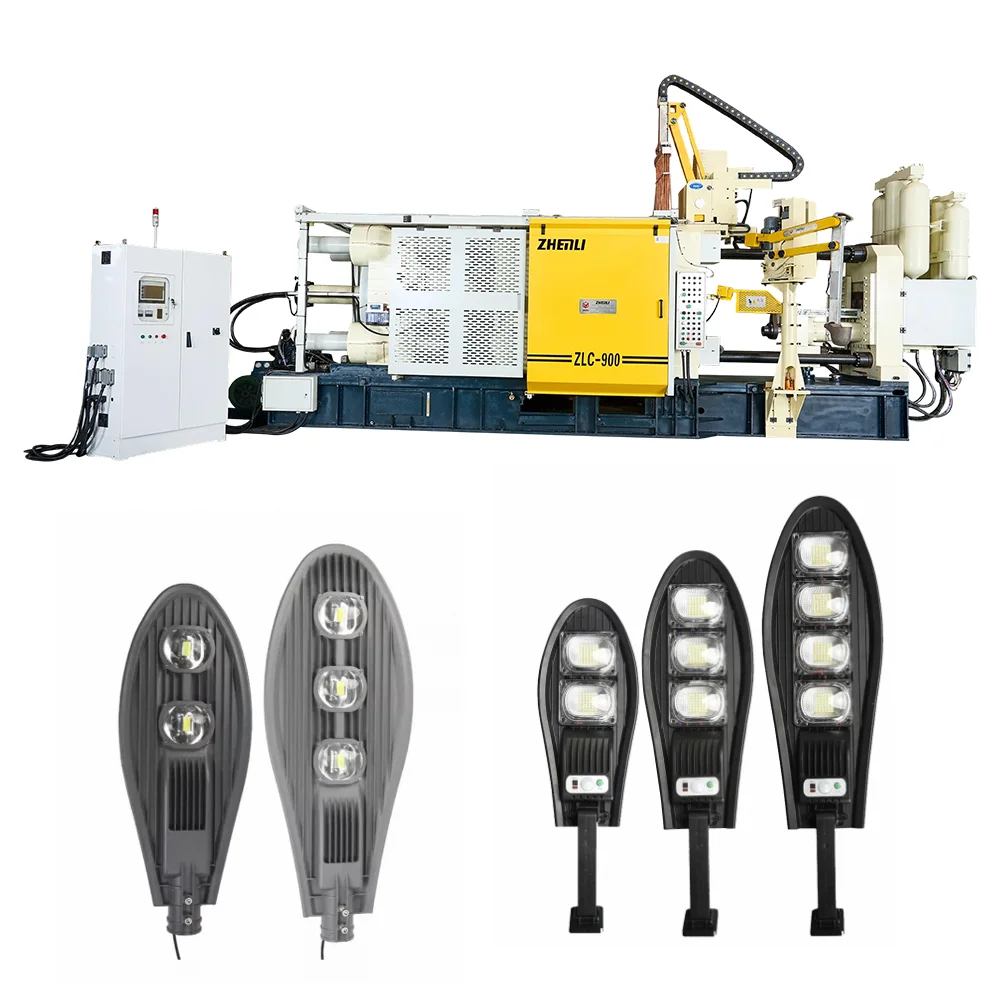
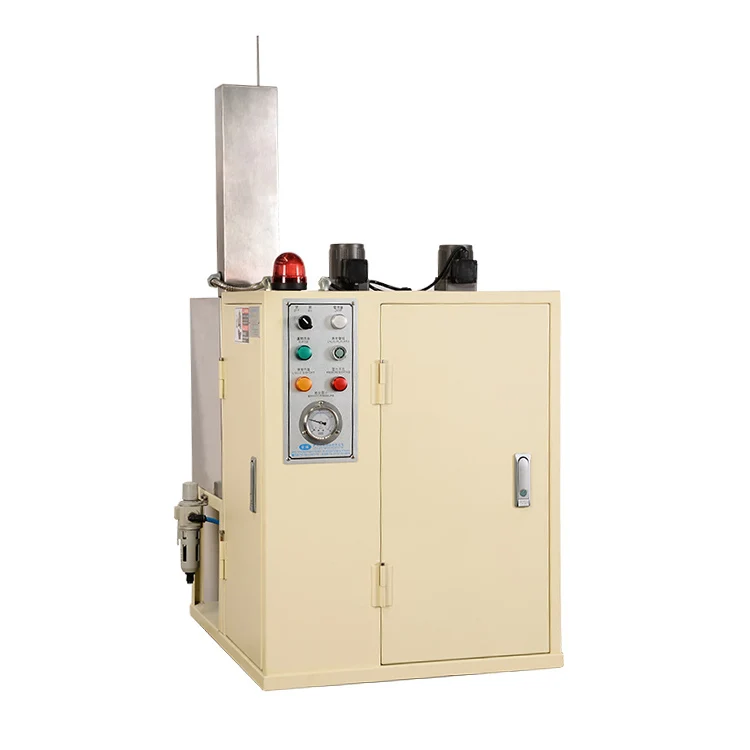
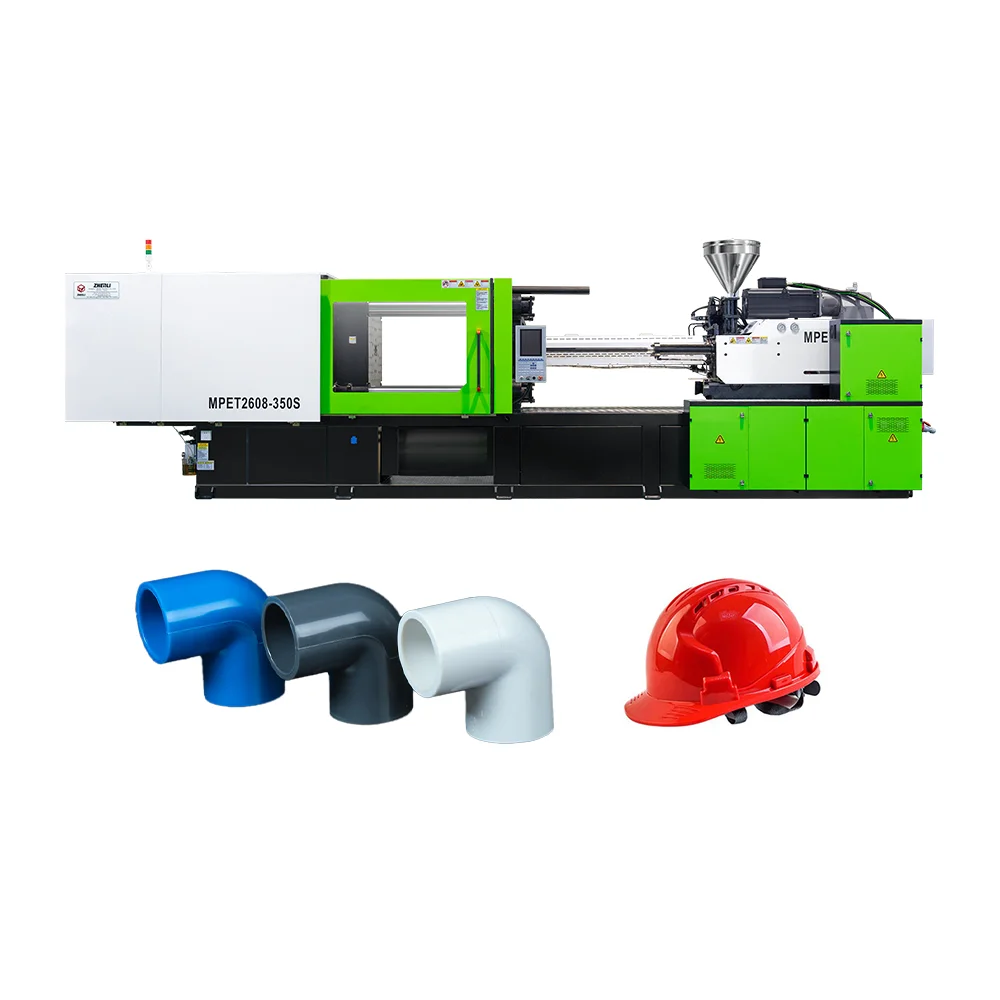
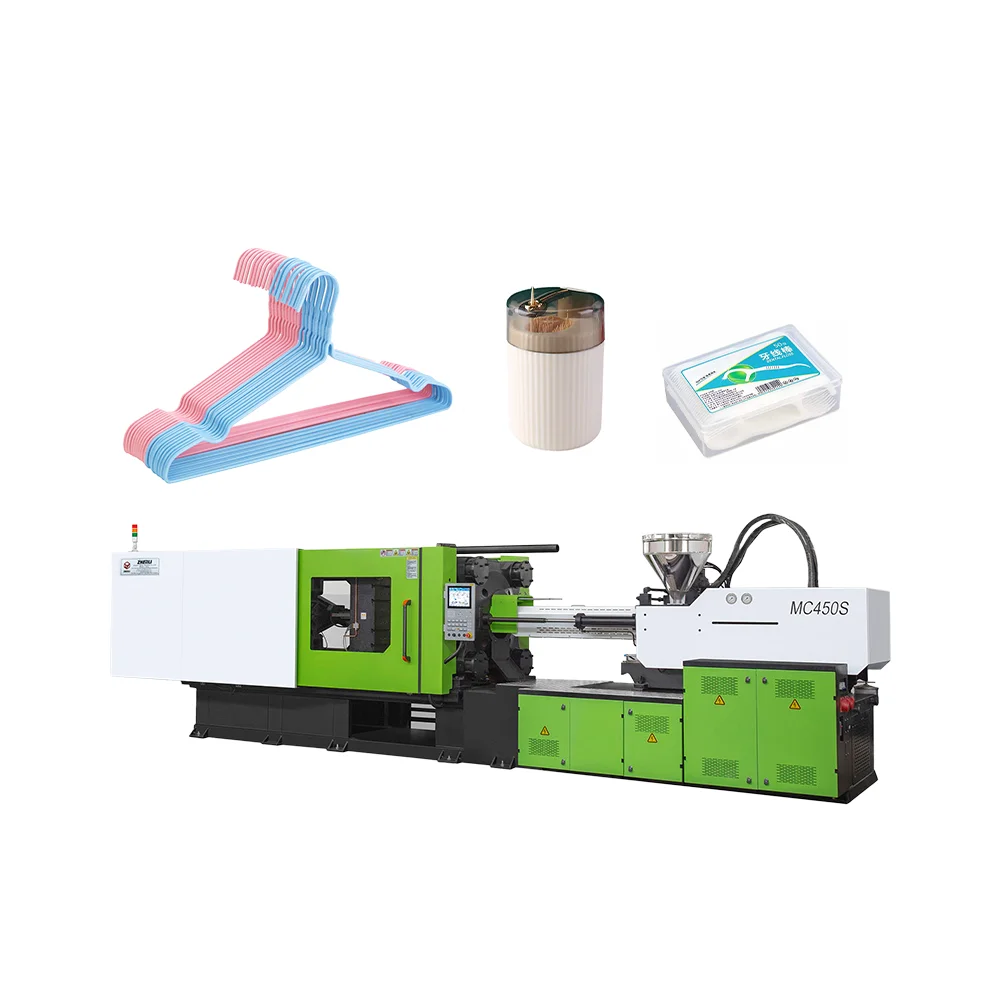
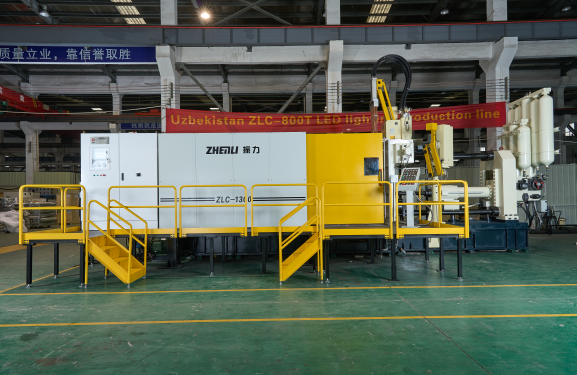
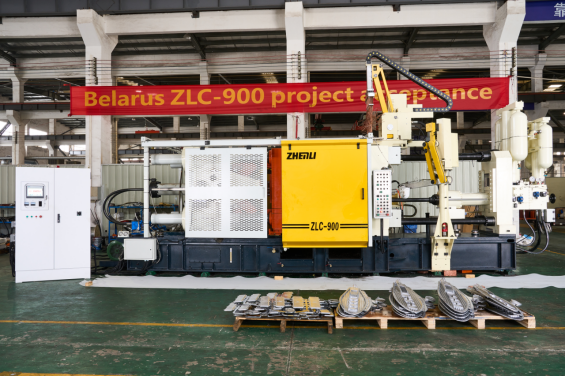
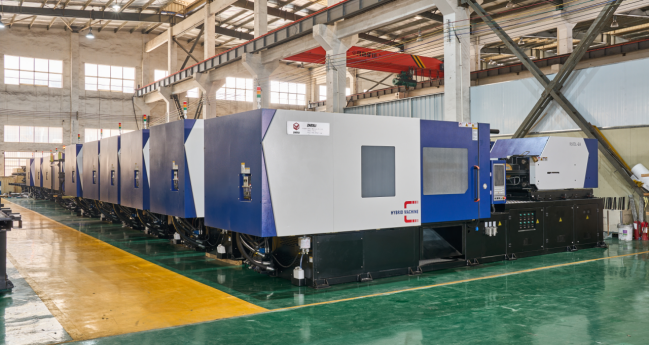
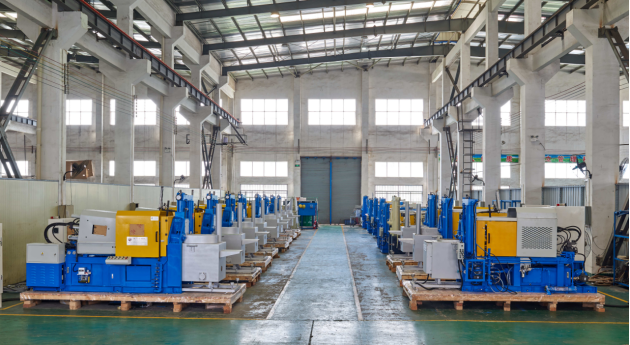
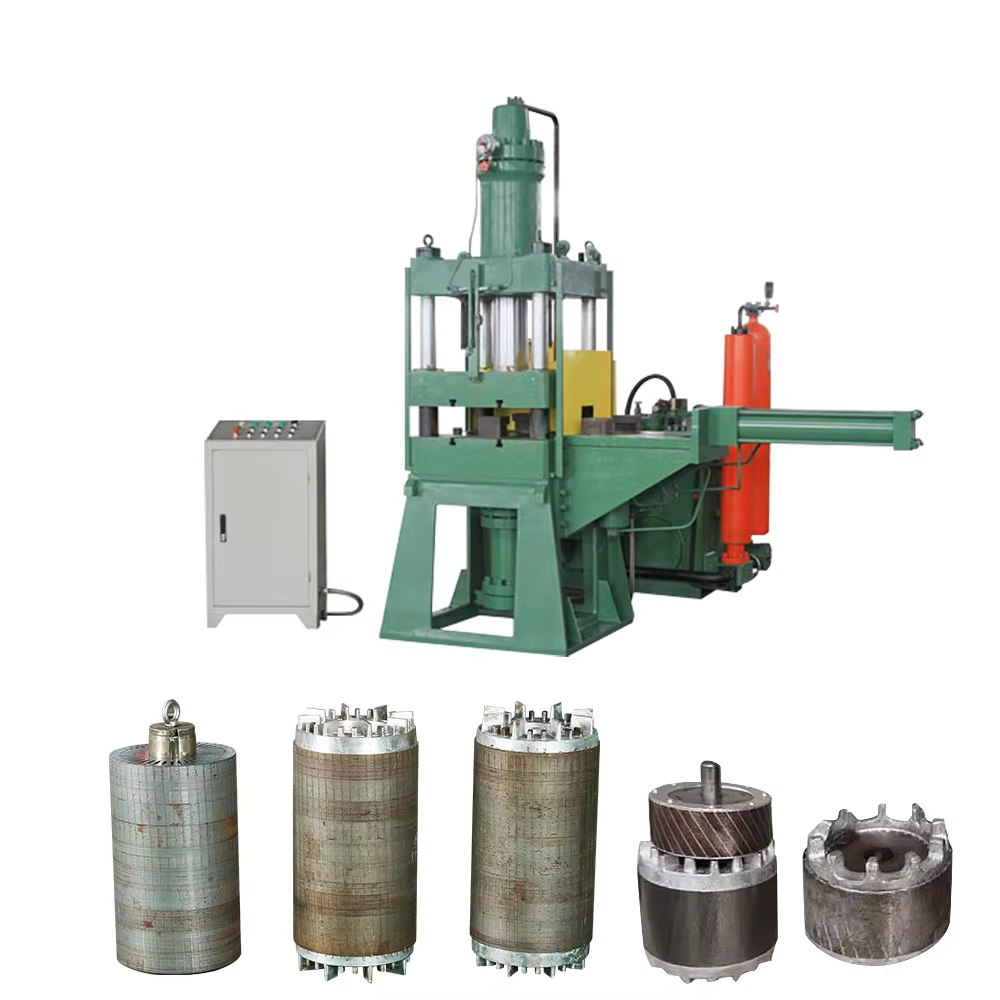
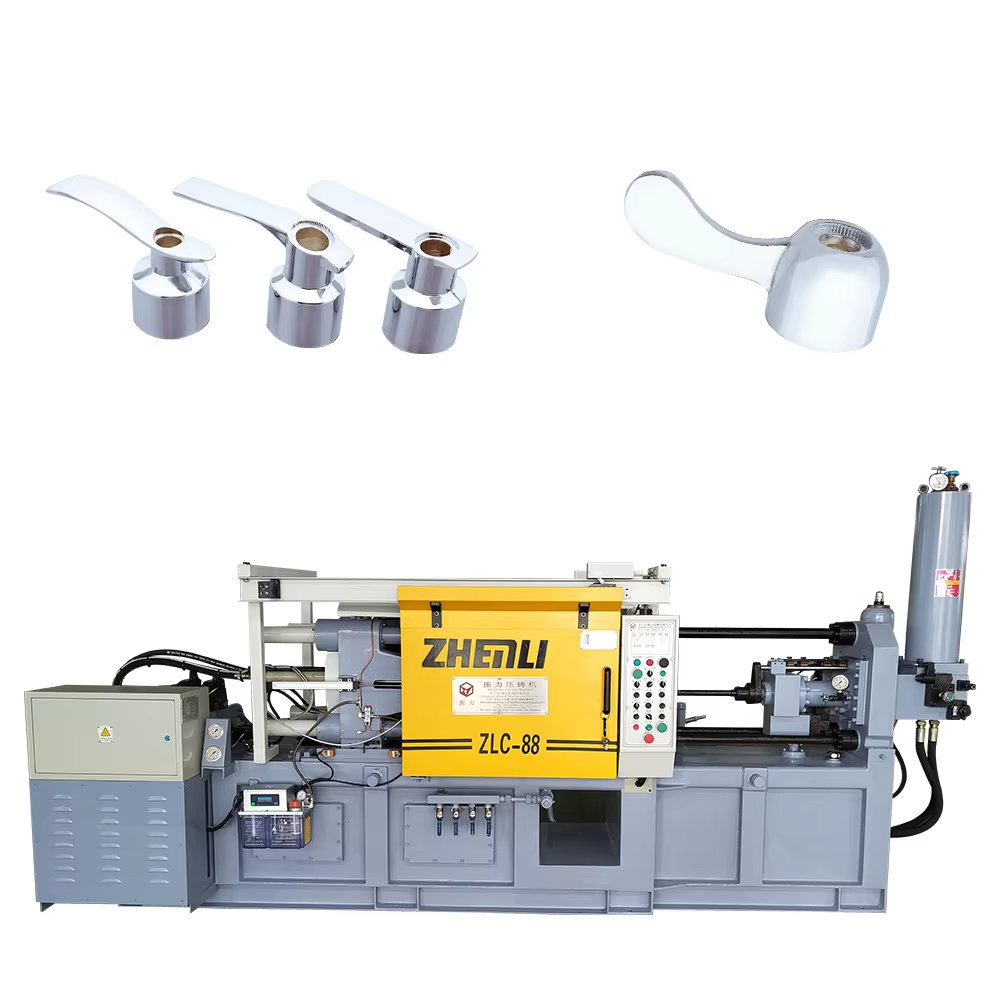
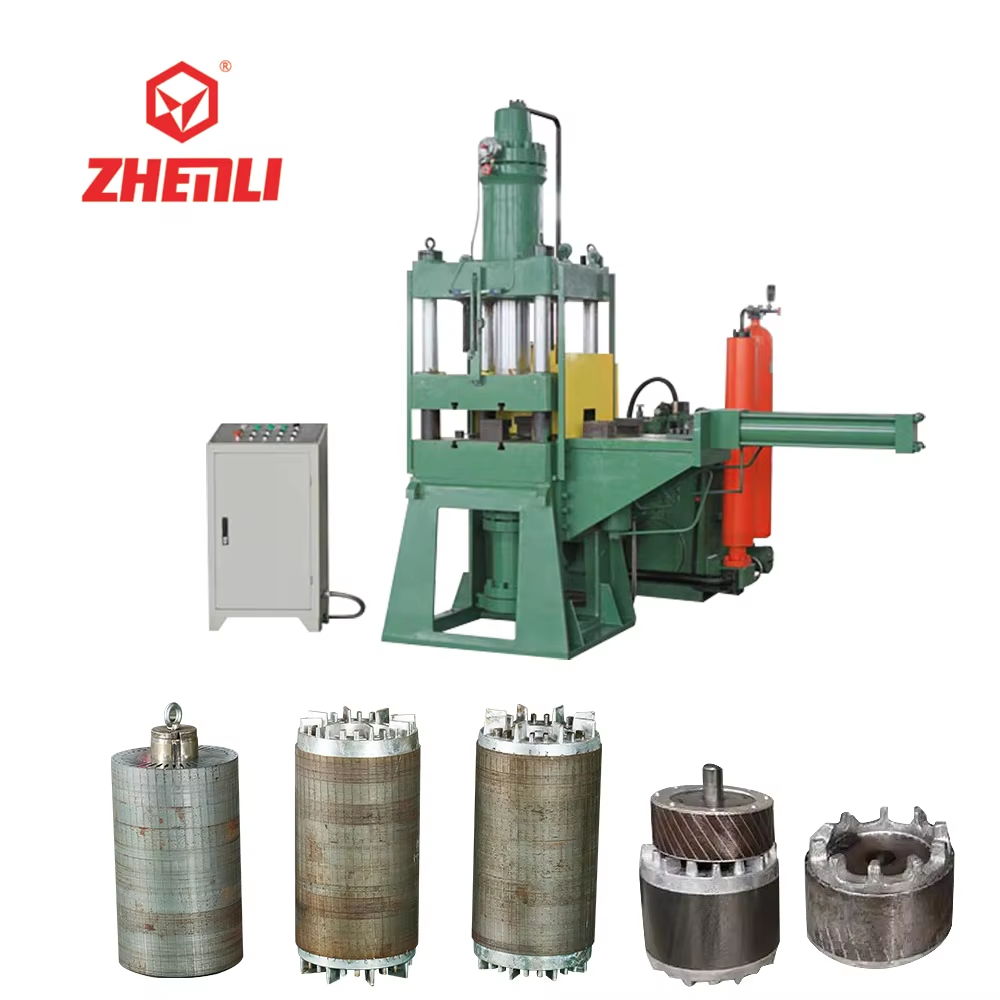
The price of a casting machine is a multifaceted decision factor that balances technical specifications, configuration flexibility, customization needs, and long term value—critical for manufacturers across diverse industries and global markets. Core determinants of pricing include the machine’s tonnage (clamping force), which ranges from 12 tons (small precision parts) to 4500 tons (large structural components), with higher tonnage models commanding premium pricing due to robust structural frames, high performance hydraulic systems, and heavy duty components. Configuration type significantly impacts cost: hot chamber machines (for low melting point alloys like zinc and lead) are typically more cost effective for small to medium tonnages, while cold chamber machines (for aluminum, brass, and magnesium) require additional components like ladling systems, increasing upfront investment. Control system sophistication plays a key role—basic manual controls offer entry level affordability, while advanced Siemens or ARCUCHI intelligent controllers with real time monitoring, data logging, and automation integration add value but raise costs, justifying the expense through improved productivity and quality. Customization requirements, such as specialized furnace types (electric, natural gas, diesel), automated mold change systems, robotic part extraction, or drawing based adaptations for unique part geometries, contribute to price variations, though modular design from leading manufacturers minimizes unnecessary costs by leveraging standardized core components. A critical distinction is the inclusion of value added services: reputable suppliers embed technical consulting, mold compatibility testing, sample production, global logistics, on site installation, commissioning, and operator training in their pricing, eliminating hidden post purchase expenses. Economies of scale from large manufacturing facilities (e.g., 20,000 ㎡ production spaces with over 20 CNC precision machines) enable competitive pricing without compromising quality, as bulk component sourcing and efficient production processes reduce manufacturing overhead passed to customers. Long term cost considerations, often overlooked, include energy efficiency—machines with double proportional hydraulic systems and variable frequency drives reduce operational costs by 15–25%—and durability, which minimizes maintenance and replacement expenses over the machine’s lifecycle. Volume discounts are common for bulk purchases, and flexible payment terms (letters of credit, installment plans) accommodate diverse business models, from SMEs to multinational corporations. Pricing typically ranges from \(30,000 (12 ton hot chamber) to \)800,000+ (4500 ton cold chamber), with transparent quotations outlining all inclusions. For global customers, consistent pricing across 50+ countries and regional after sales support (including spare parts delivery within 48 hours) ensure total cost of ownership is predictable, making the initial investment a strategic decision rather than a mere expense.
 EN
EN