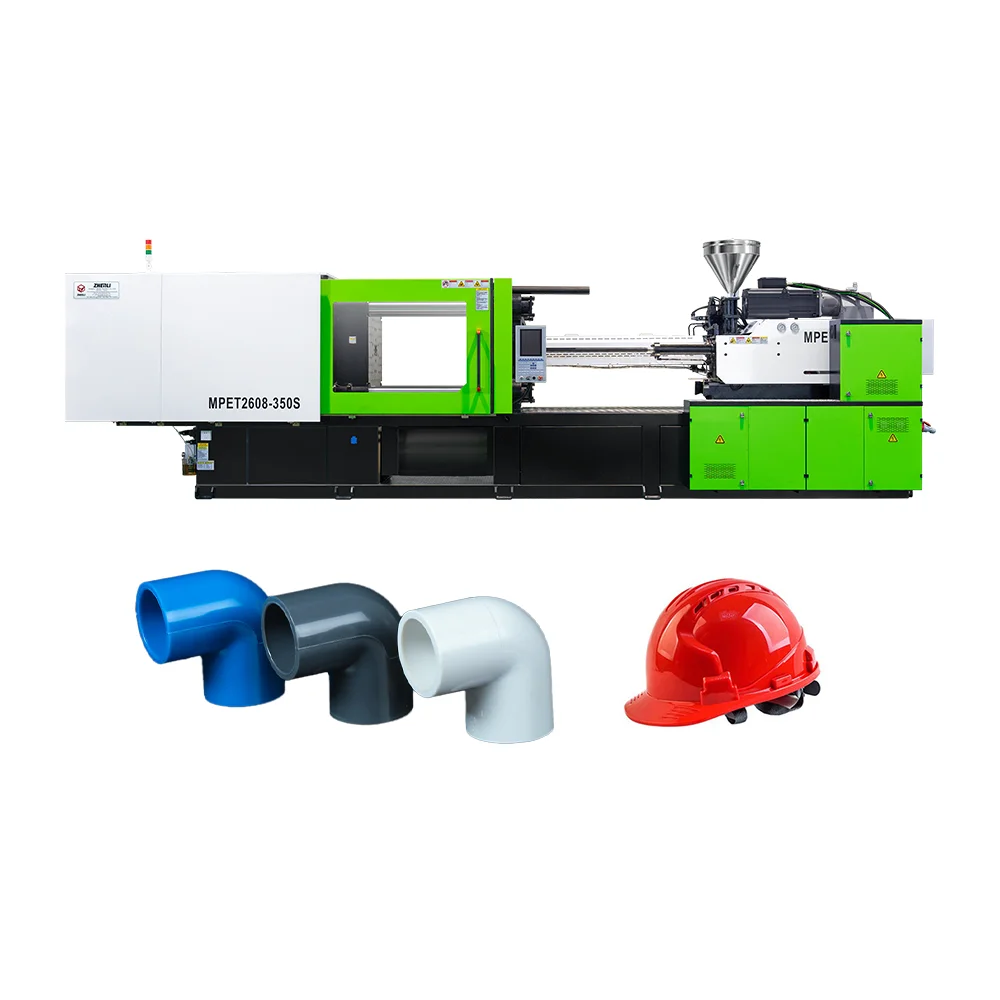
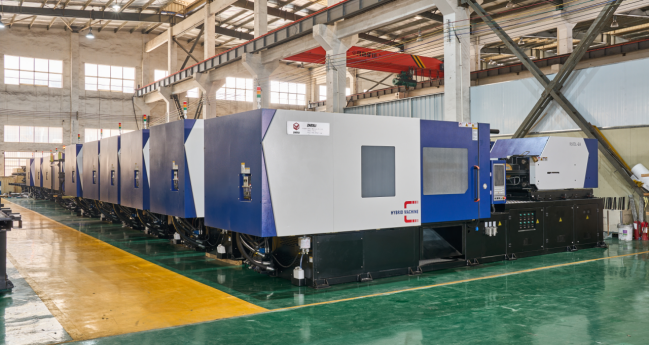
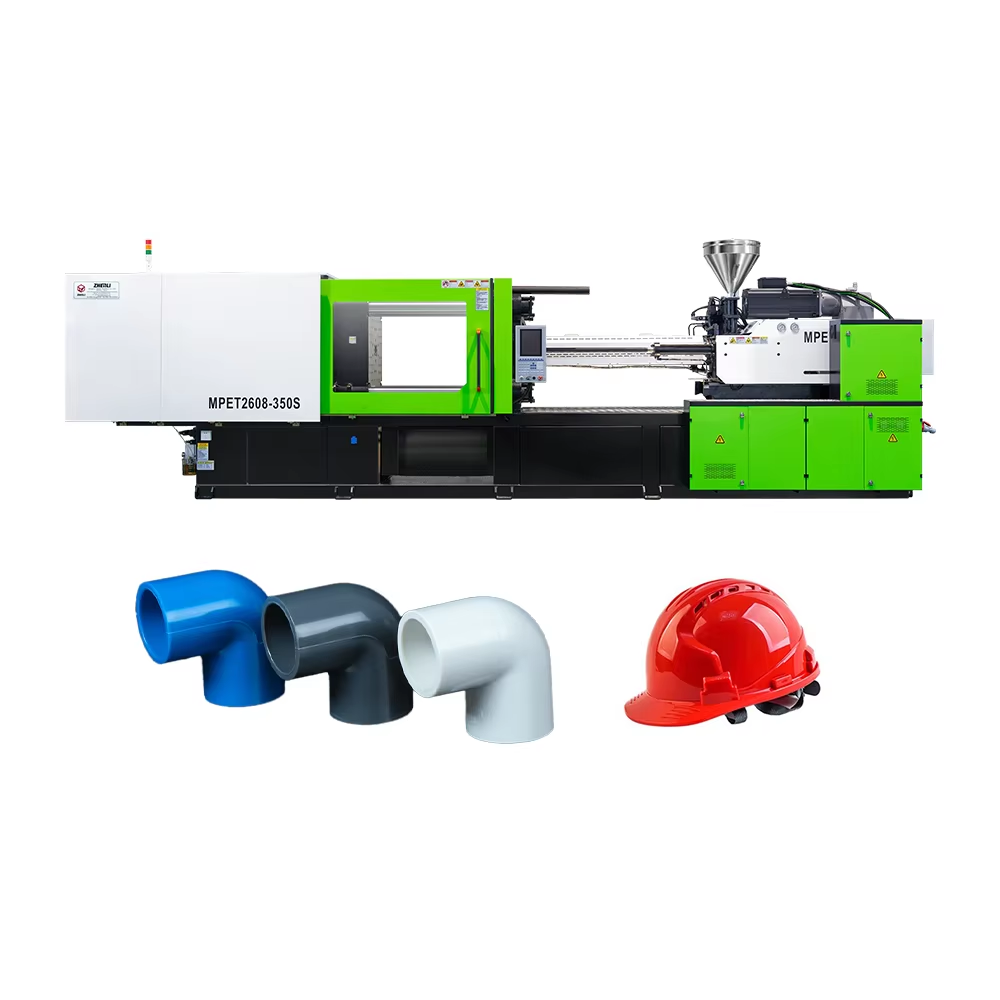
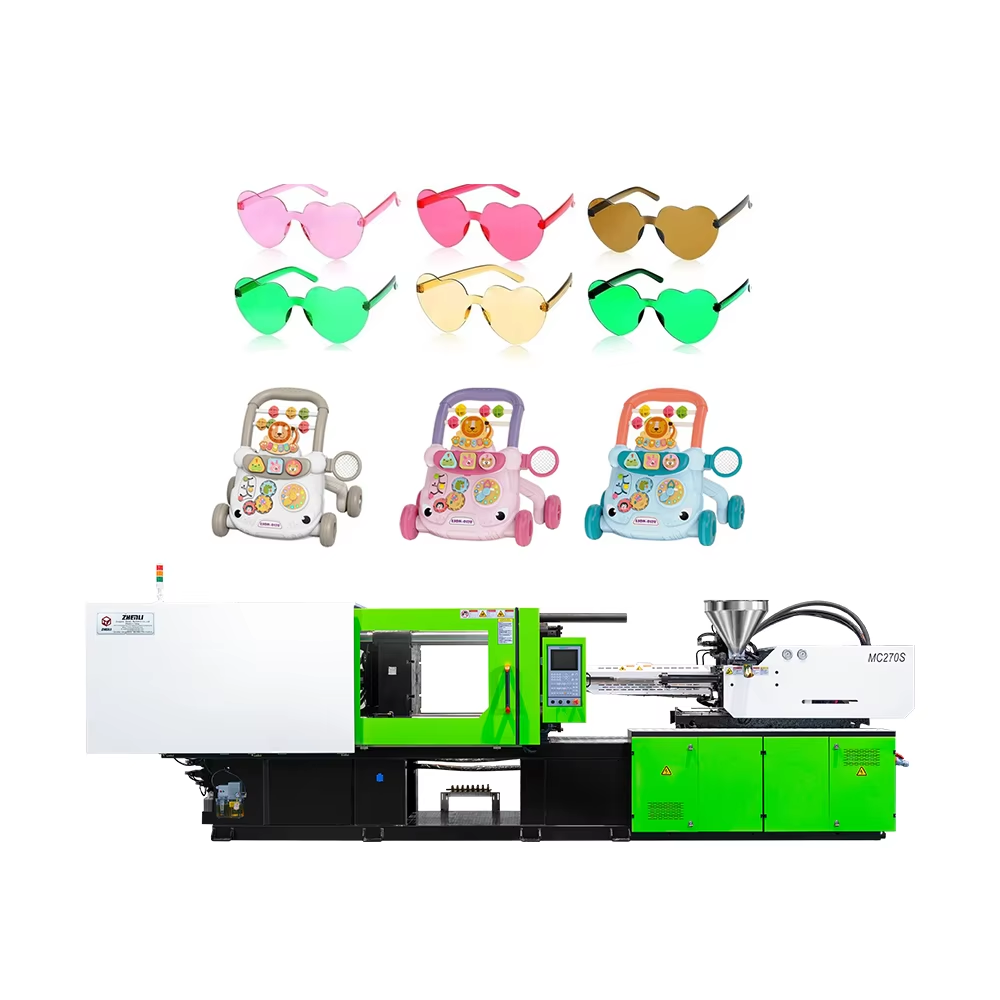
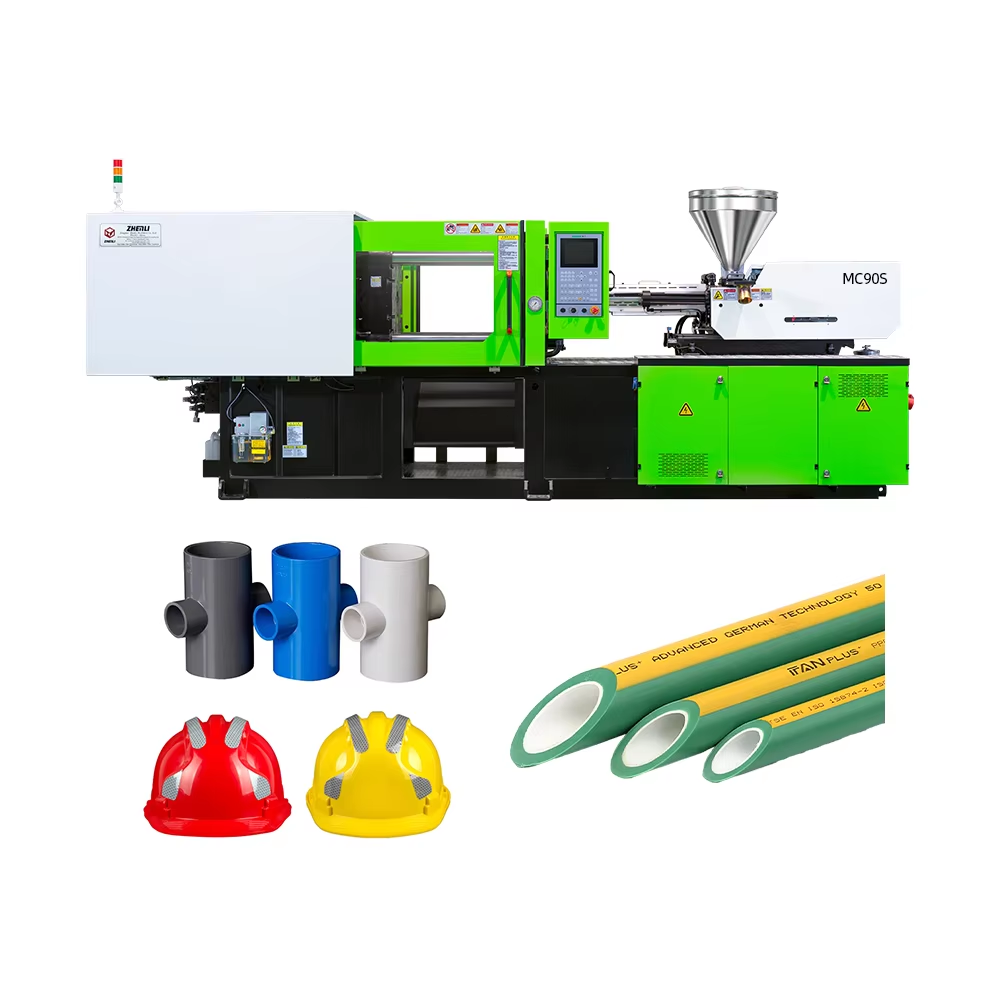
Plastic injection molding machines are specialized variants of injection molding technology, optimized to process a wide range of thermoplastics and thermosets into high precision, consistent components—and Zhenli’s plastic injection molding machines are engineered to maximize plastic material performance, streamline production, and meet the strict quality demands of industries like electronics, medical devices, and household appliances. A primary advantage of Zhenli’s plastic injection molding machines is their exceptional compatibility with diverse plastic materials, supporting over 15 types including PP, ABS, PET, PVC, EVA, TPU, and PC. Each machine’s control system allows precise adjustment of parameters to match material specific properties: for low melting point PP (160 220℃), the machine uses moderate heating and fast injection speeds; for high temperature PC (260 320℃), it employs gradual heating to prevent thermal degradation and slower injection to avoid internal stress; for flexible TPU (used in phone cases), it adjusts cooling time to maintain elasticity. This versatility eliminates the need for material specific machines, enabling manufacturers to switch between products (e.g., from PP food containers to ABS laptop shells) with minimal setup time—typically 15 20 minutes for parameter adjustments and mold changes. For a factory producing 5 different plastic products monthly, this flexibility reduces production downtime by 20% 25% compared to using dedicated machines. The machines’ full automatic workflow is another critical feature, integrating automatic material feeding (via vacuum loaders), mold clamping, injection, cooling, and part ejection. This eliminates manual intervention in core processes, reducing labor requirements by 50% 60%: one operator can monitor 2 3 machines, whereas semi automatic systems require one operator per machine. For a facility with 8 machines, this translates to annual labor savings of \(40,000 \)60,000. Automation also improves consistency: the pass rate of finished parts rises from 92% 94% (semi automatic) to 97% 98%, as human errors (e.g., uneven feeding or delayed mold clamping) are eliminated. For example, when producing USB Type C connectors (with dimensional tolerance ±0.03mm), the automatic system ensures each connector meets specifications, avoiding costly rework. Surface quality is a key focus in Zhenli’s design, critical for consumer facing products. The machines use high precision mold guiding systems (gap ≤0.01mm) and smooth injection flow control to achieve parts with surface roughness (Ra) ≤0.8μm. This eliminates the need for post processing steps like polishing or painting—reducing production time by 15% 20% and avoiding surface damage (e.g., scratches from manual polishing). For sunglasses frames (made of PC+ABS), this means the finished product has a glossy, uniform surface that meets luxury brand standards. The machines also comply with global environmental and safety regulations: closed barrel designs reduce VOC emissions to <50 mg/m³ (meeting EU REACH and China GB 18583 2008), and food grade plastic processing options include stainless steel material contact parts (compliant with FDA and EU 10/2011). To support smart manufacturing, Zhenli’s plastic injection molding machines integrate IoT modules that connect to a cloud based platform. Operators can monitor real time data (production count, temperature, pressure) via mobile apps or desktop dashboards, regardless of location—ideal for multi site operations. The platform also provides predictive maintenance alerts: for example, it notifies users when a mold’s cycle count approaches its 50,000 cycle maintenance threshold, preventing unexpected breakdowns. Downtime for maintenance is reduced from 24 hours (traditional on site service) to 4 6 hours (remote troubleshooting + on site support), minimizing production losses. Zhenli offers further customization to meet specific needs: for multi color parts (e.g., two tone toothbrushes), machines can be equipped with dual barrel injection units; for micro parts (e.g., electronic sensors weighing <0.5g), they can integrate micro injection systems with precision screws (diameter 12mm). These adaptations make the machines suitable for niche markets, such as medical devices (producing plastic syringes with tight tolerance) or automotive electronics (manufacturing sensor housings resistant to high temperatures). With a focus on durability—key components like injection screws (nitrided steel) and mold guide rails (stainless steel) have a service life of 3 5 years—Zhenli’s plastic injection molding machines provide reliable performance for long term production, making them a trusted choice for global manufacturers.
 EN
EN