Jiangmen Zhenli Machinery: Comprehensive Plastic Injection Equipment & Turnkey Molding Services
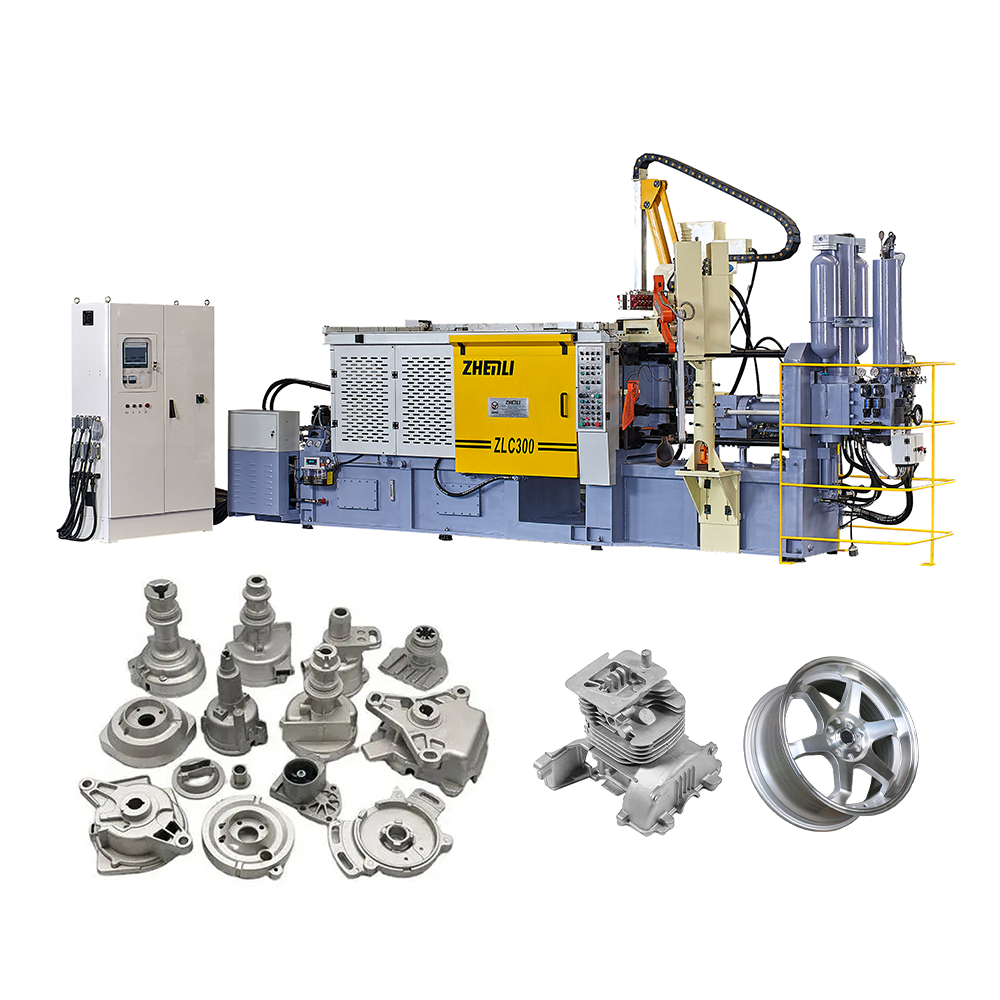
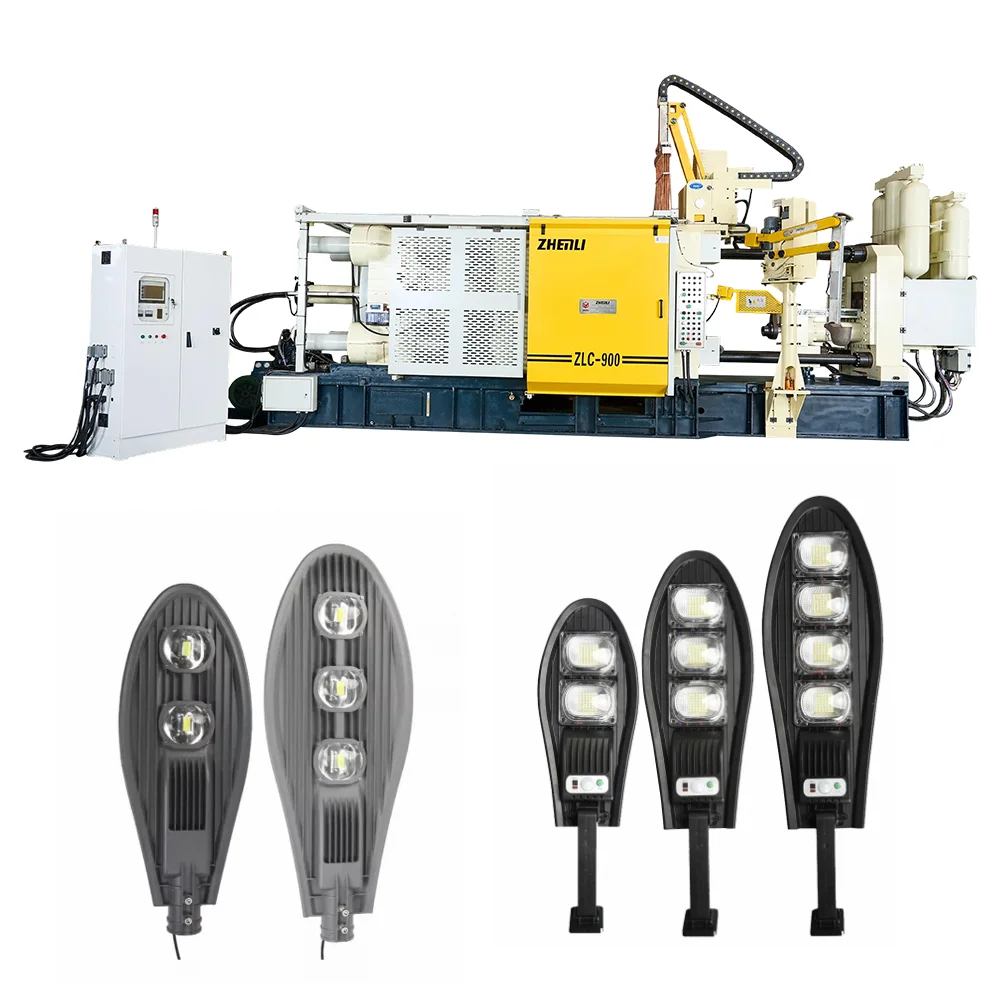
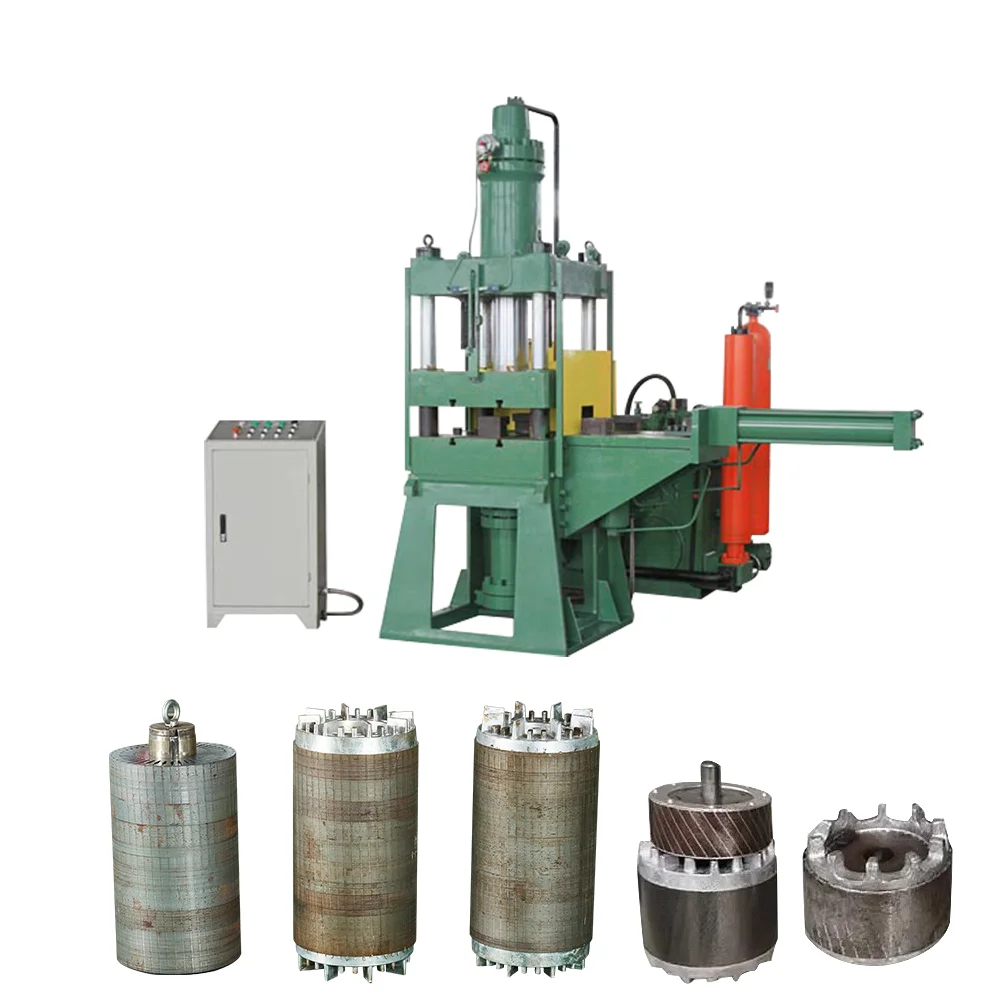
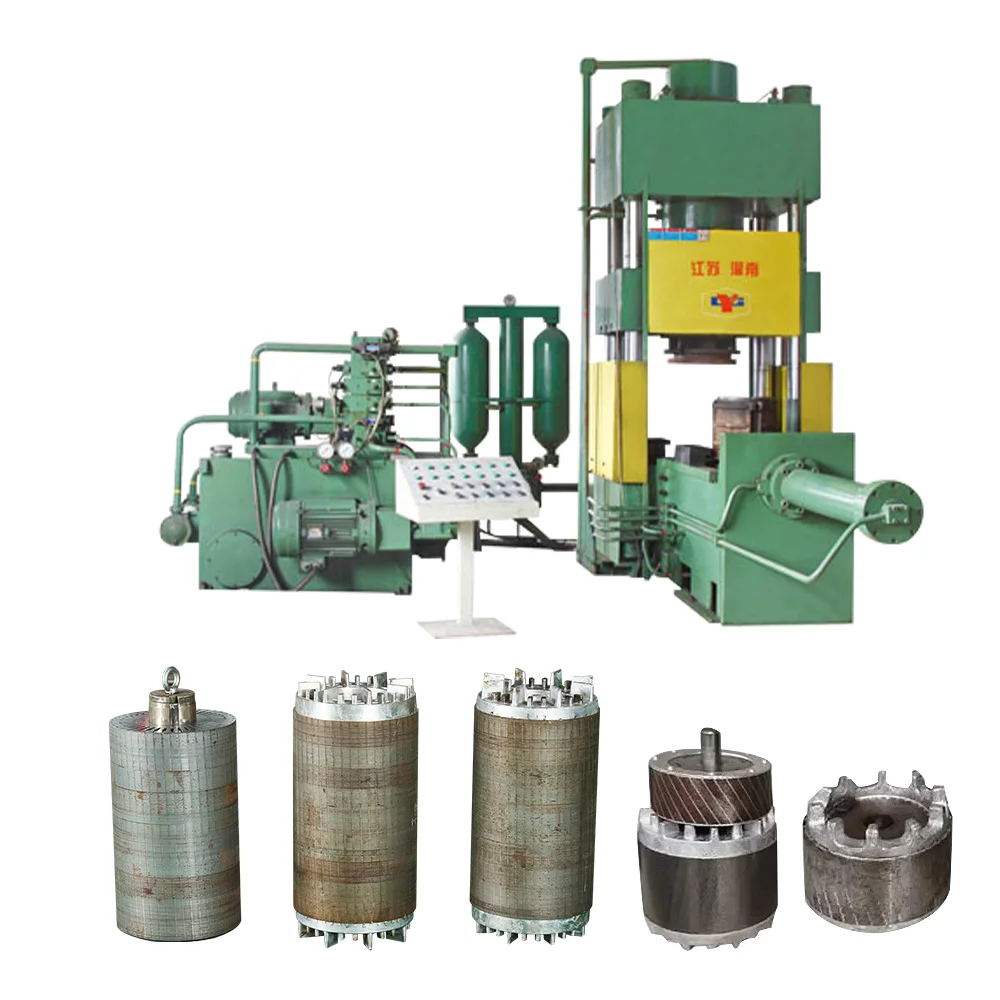
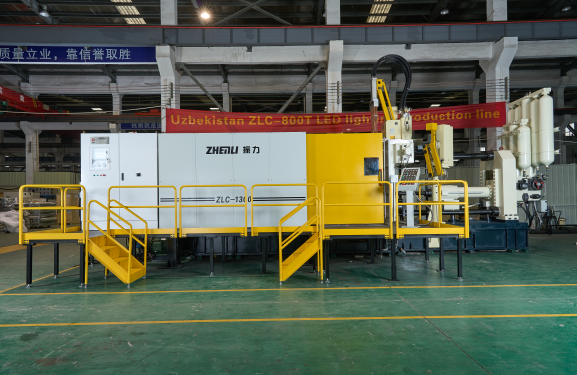
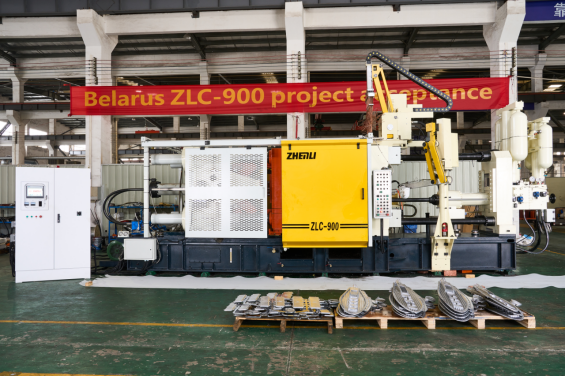
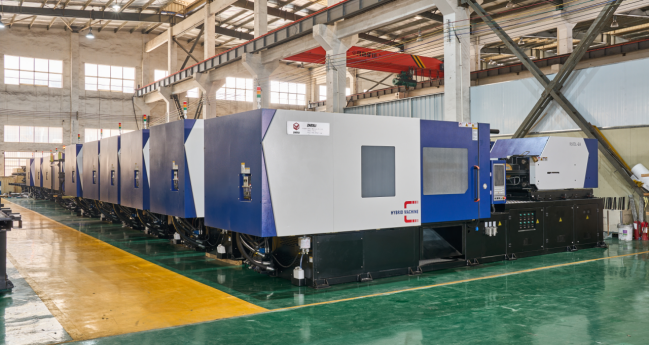
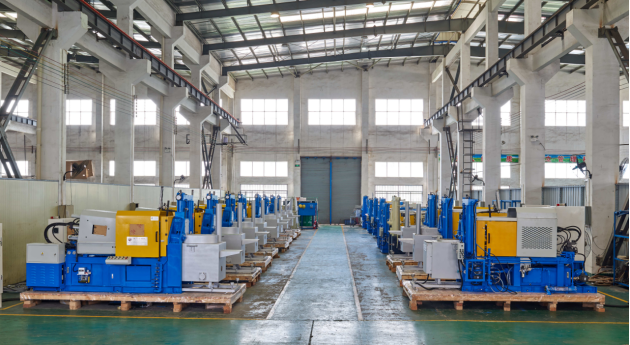
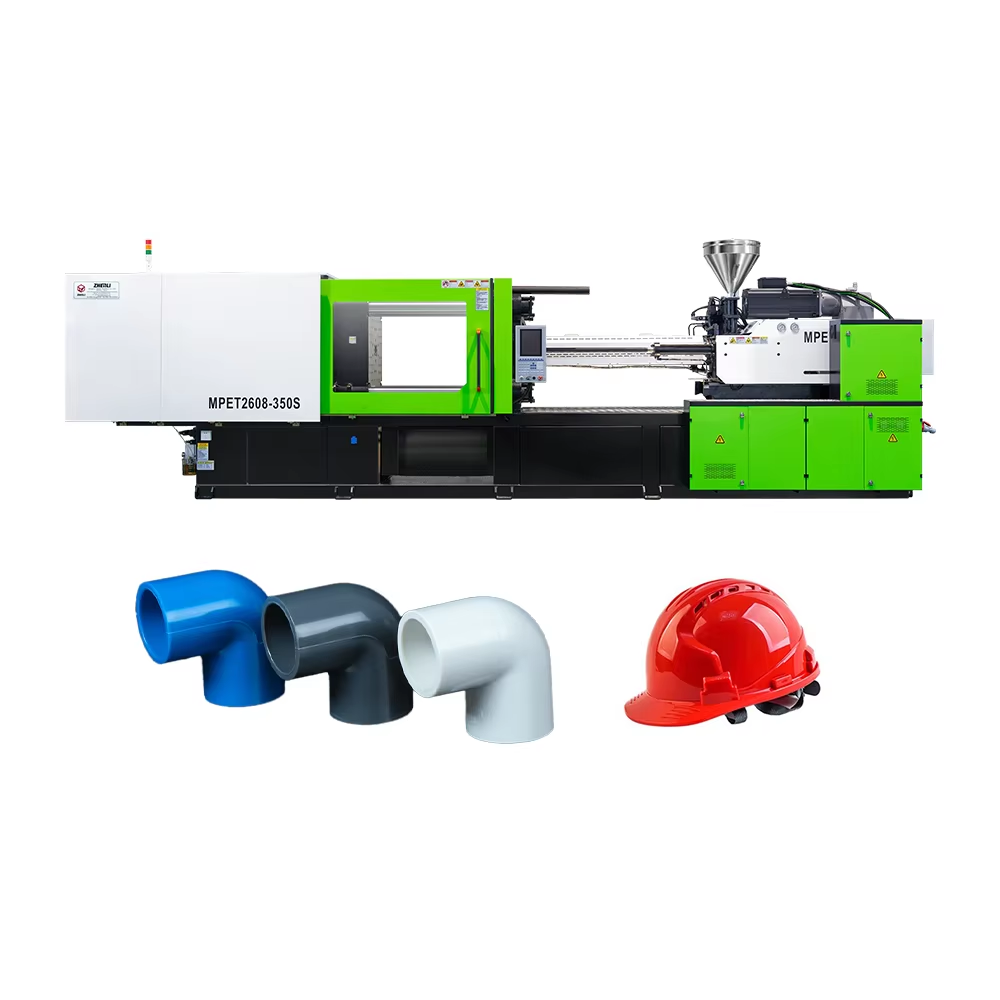
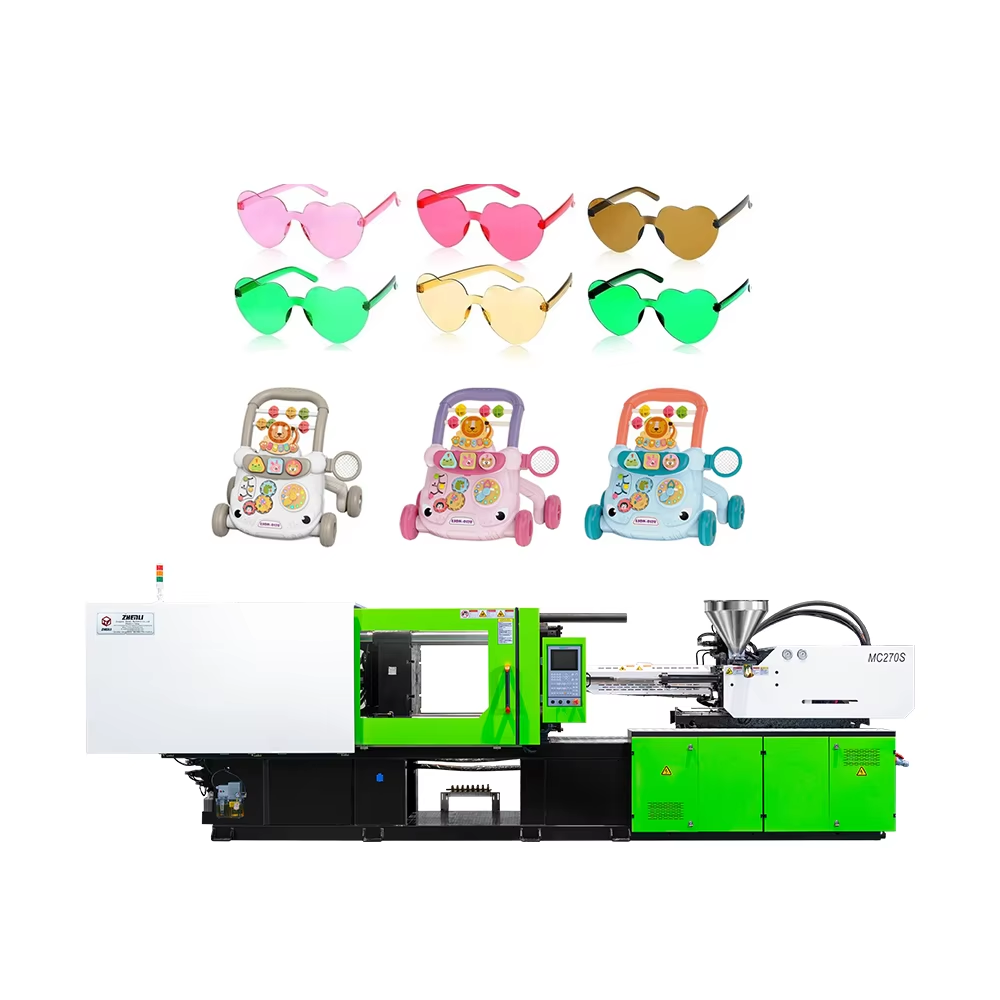
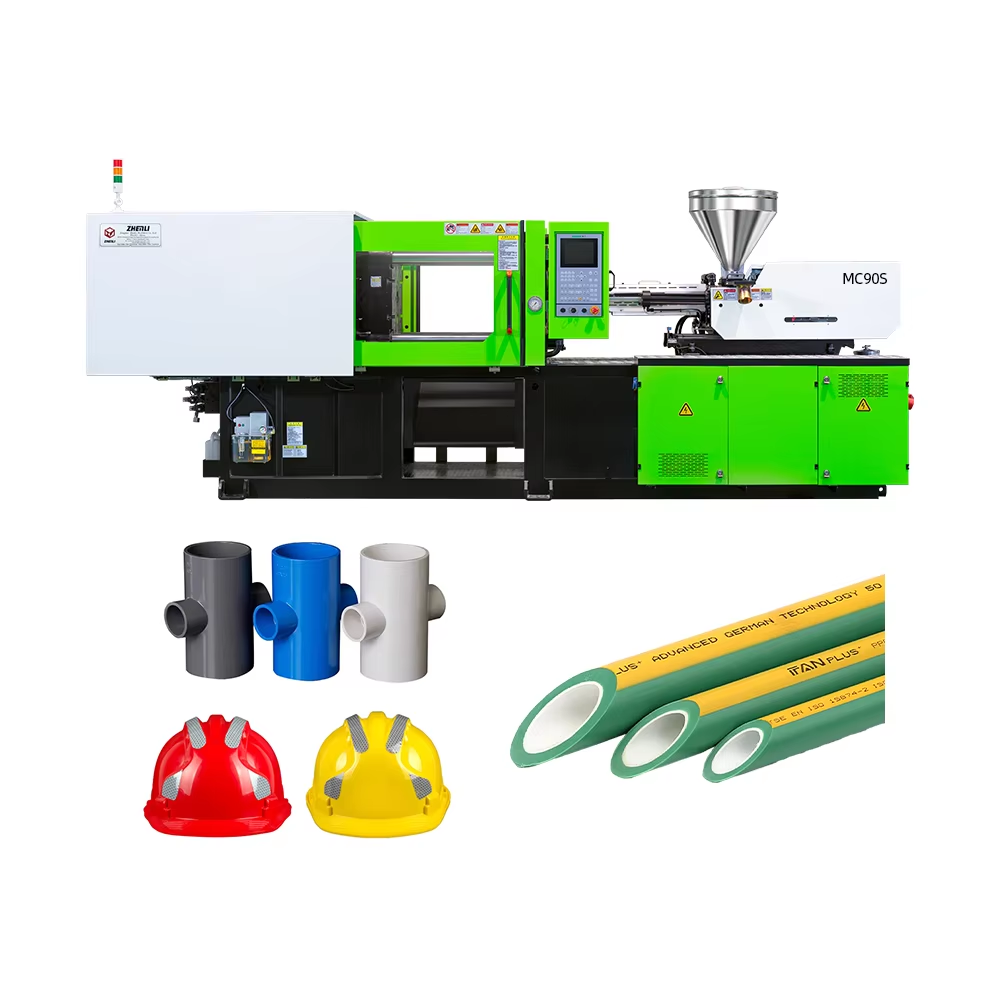
Jiangmen Zhenli Machinery Co., Ltd. supplies full-line plastic injection equipment, including plastic injection machines (ZLMC series), injection moulds, servo sprayers, auto ladle machines, and metal melting furnaces. Certified by ISO, CE, and patents, the equipment features double-proportional hydraulic systems, intelligent control, and high stability, suitable for various plastic materials. The company offers one-stop solutions: technical consulting, drawing design, manufacturing, testing, packing, shipment, and commissioning. With a 20,000 ㎡ factory, 50+ sales countries, and customization capabilities, Zhenli ensures seamless integration of equipment, energy efficiency, and reliable performance for automotive, electrical, packaging, and industrial sectors, backed by global after-sales support.
Get A Quote
 EN
EN