Jiangmen Zhenli Machinery: Reliable Horizontal Injection Molding Machines & Integrated Solutions
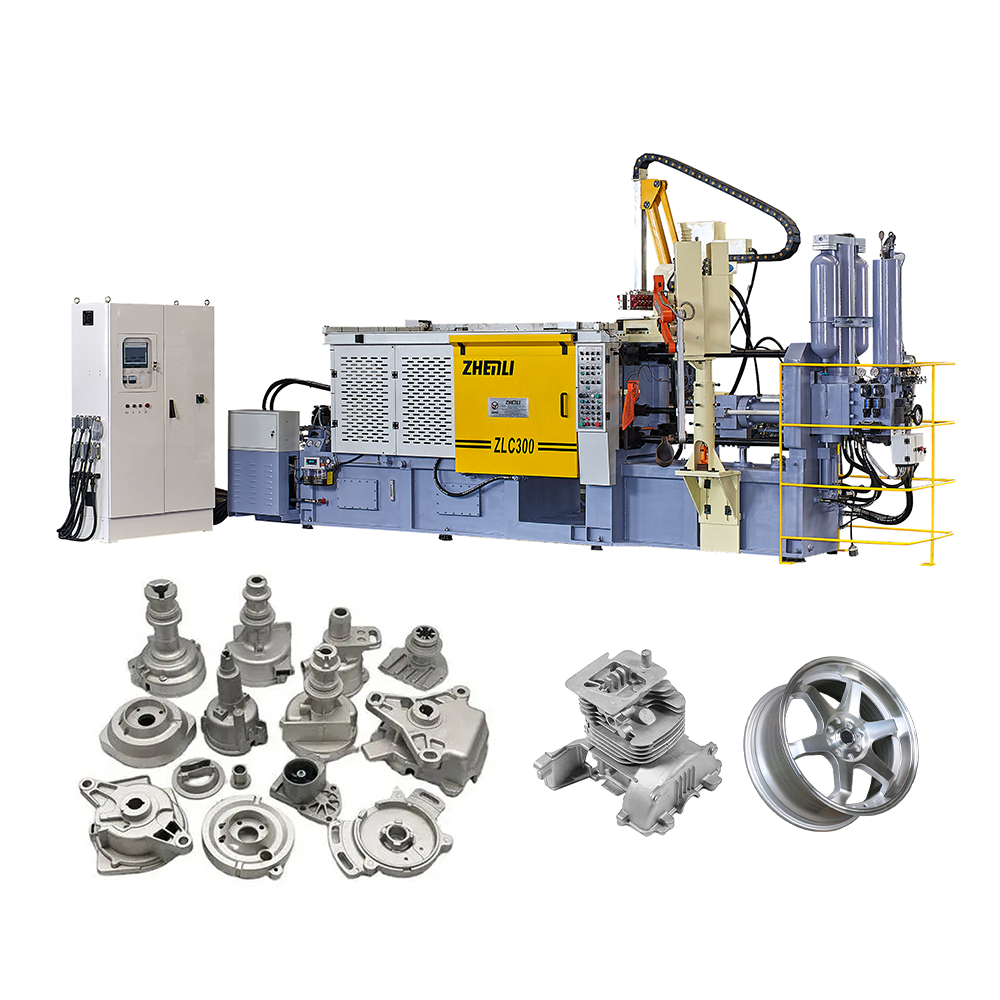
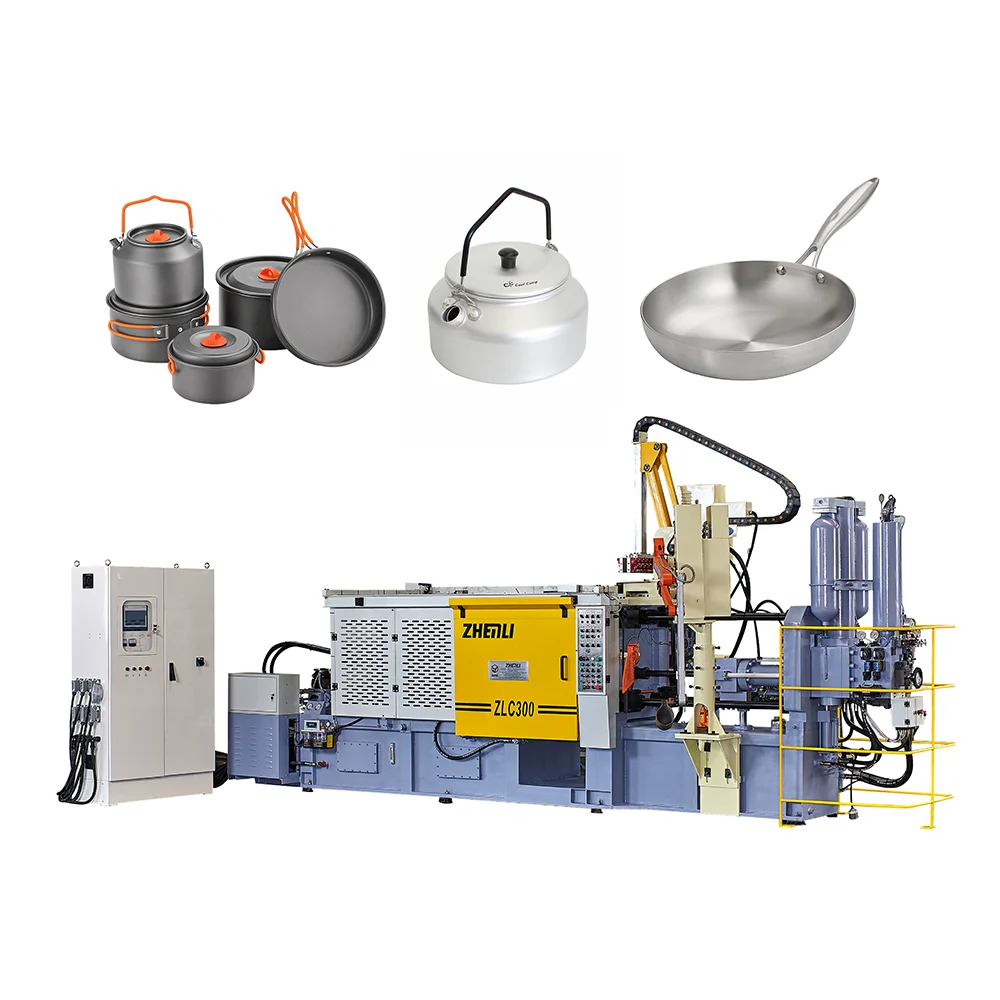
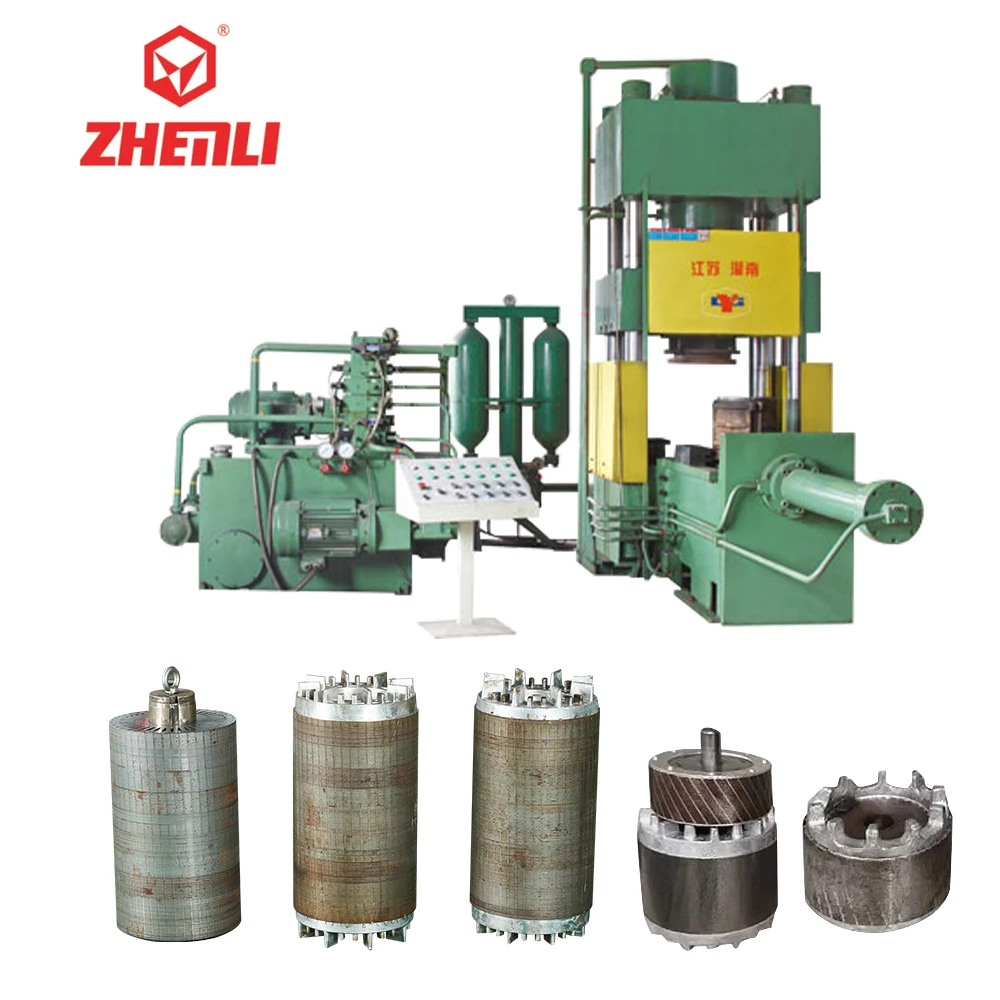
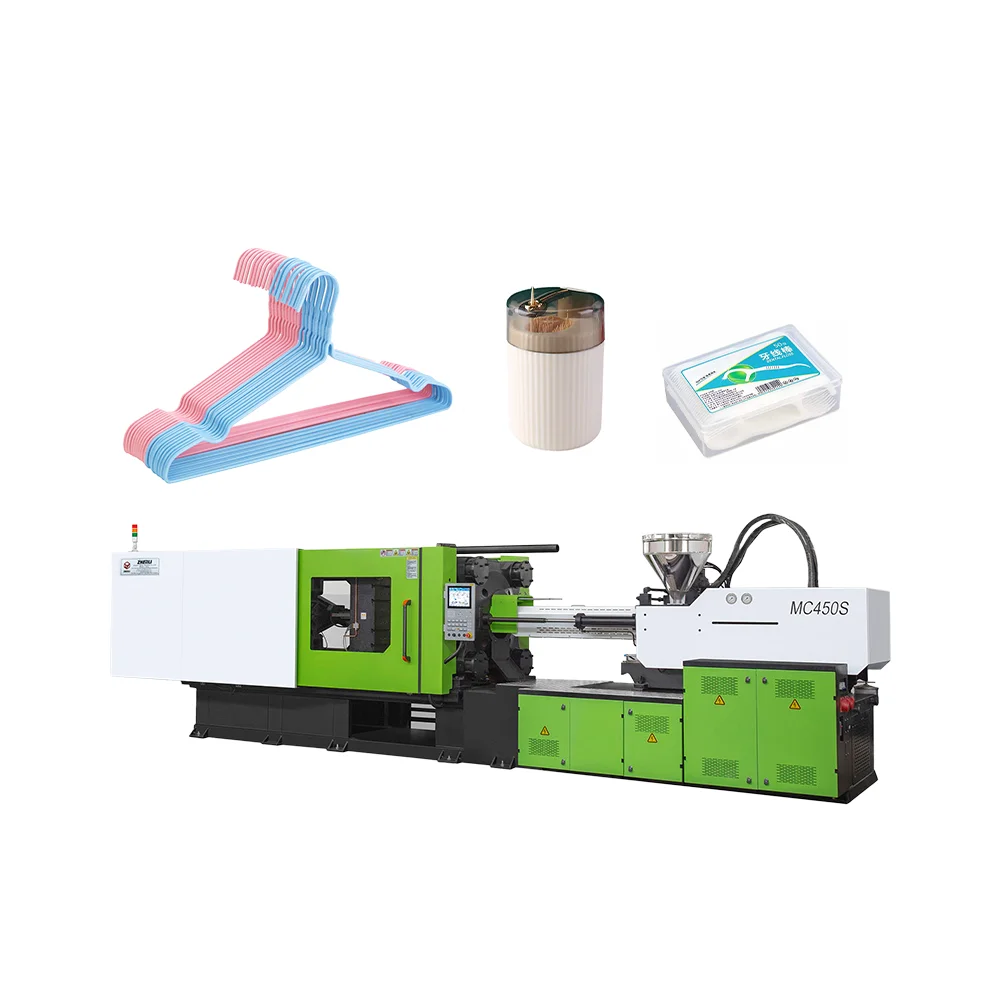
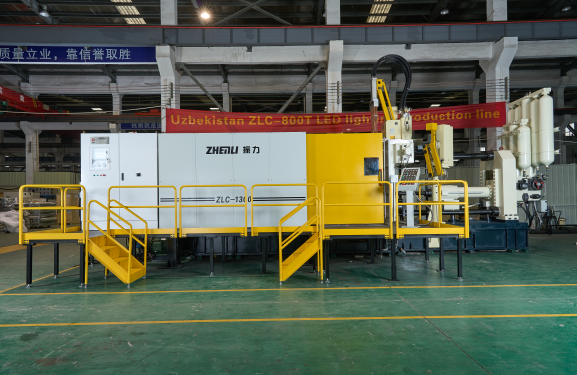
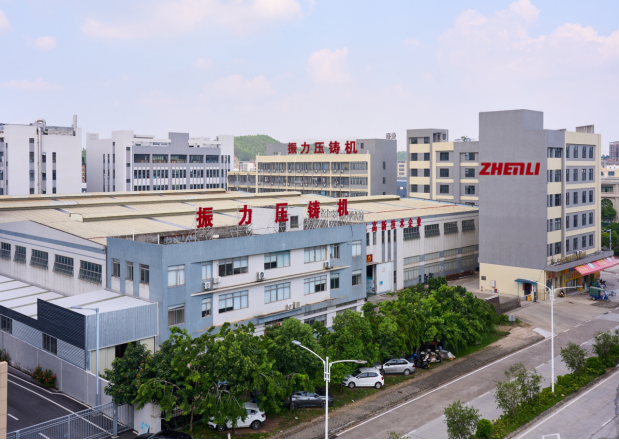
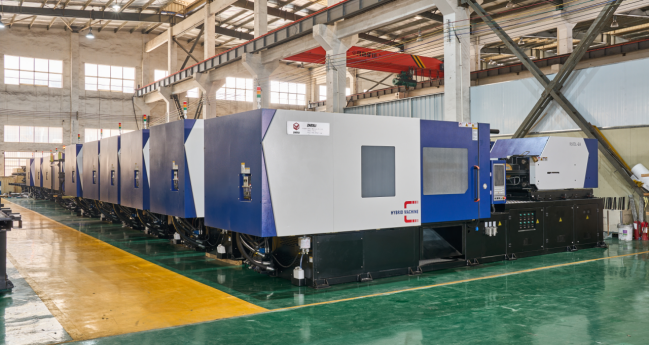
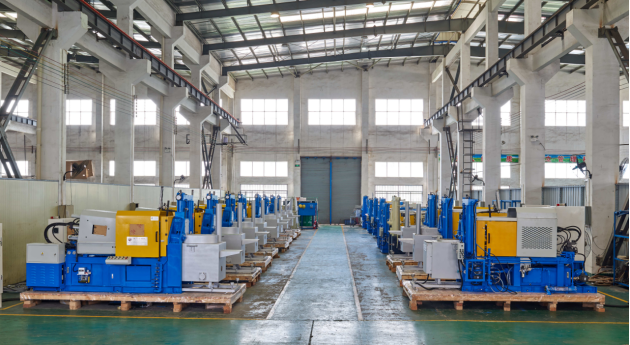
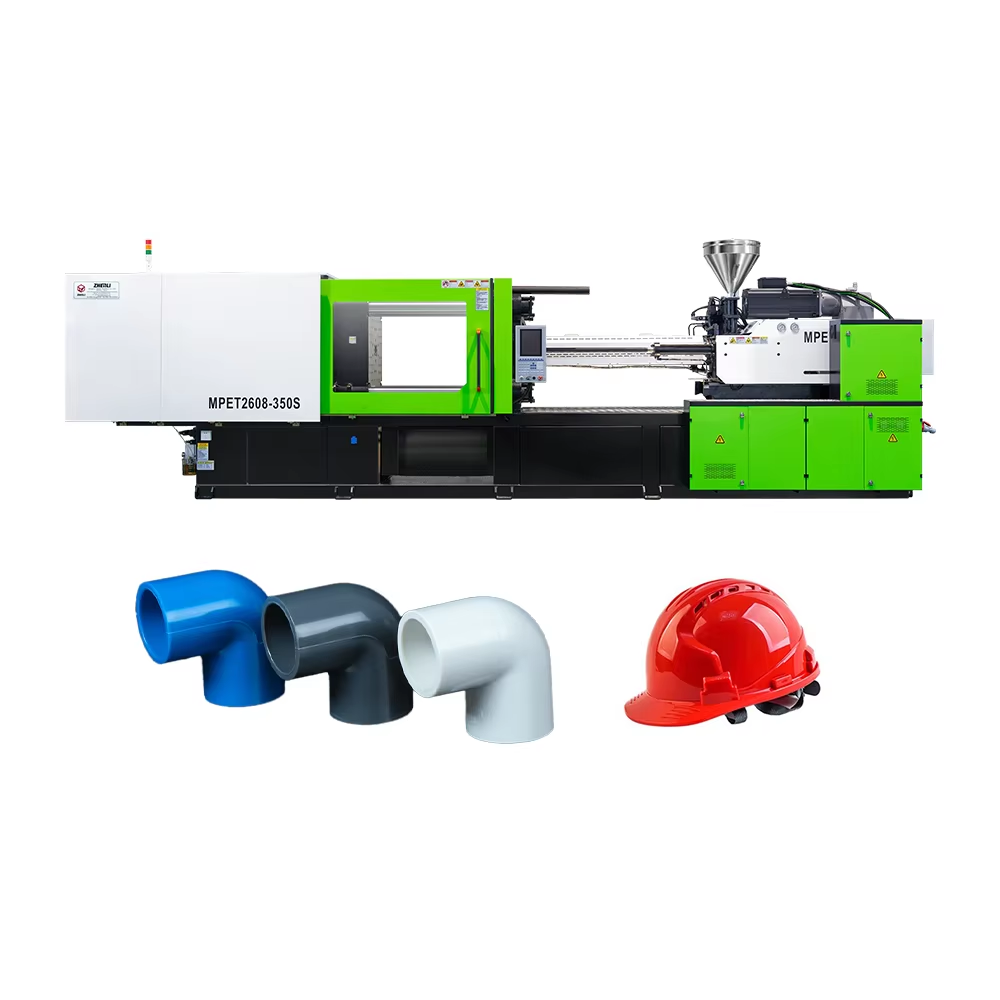
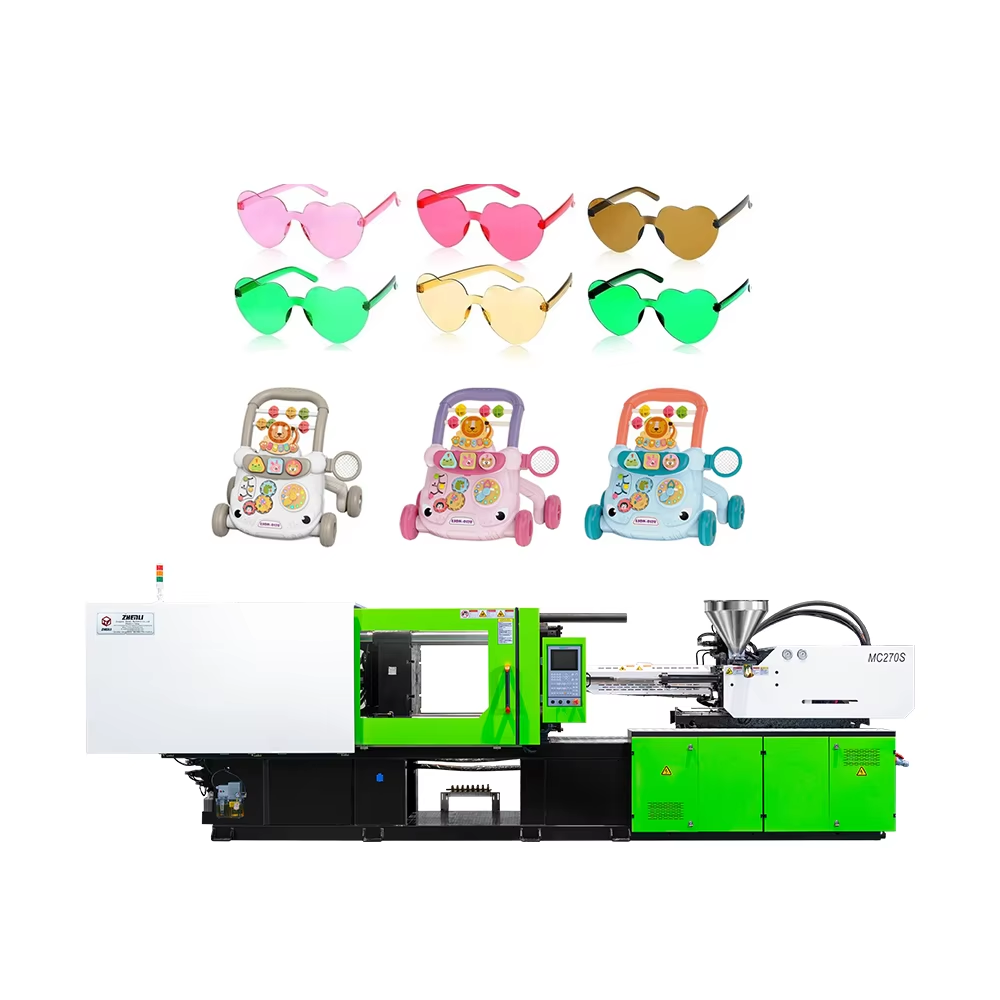
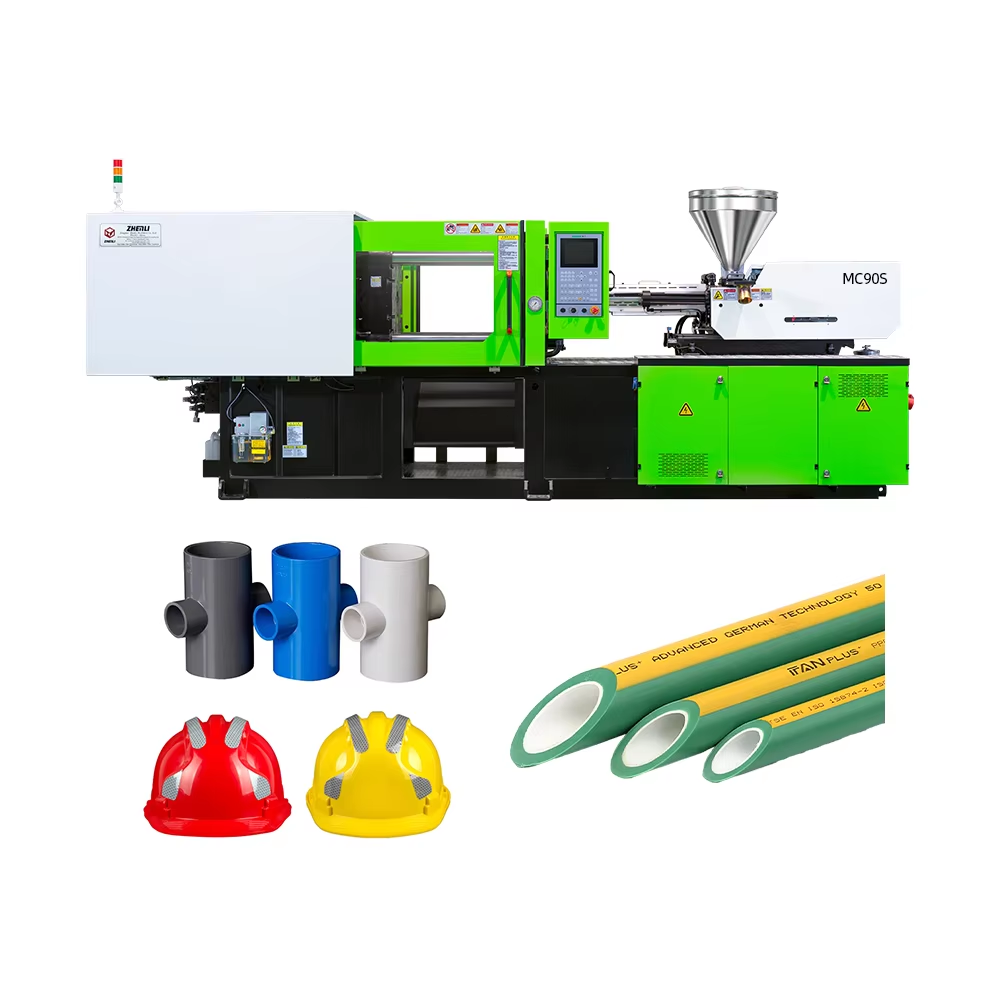
Jiangmen Zhenli Machinery Co., Ltd. specializes in horizontal injection molding machines (ZLMC series), featuring horizontal mold clamping and injection units for efficient plastic component production. These machines are equipped with intelligent controllers, precise mold adjustment, and stable injection systems, complying with ISO 9001, CE, and EN standards. Suitable for automotive, electrical, consumer goods, and industrial sectors, the horizontal design ensures easy mold access, automation integration, and high productivity. The company provides one-stop services: technical consulting, customization, sample testing, and global commissioning. With a 20,000 ㎡ factory, 20+ CNC machines, and sales in 50+ countries, Zhenli’s horizontal injection molding machines offer durability, energy efficiency, and global after-sales support, meeting diverse molding needs worldwide.
Get A Quote
 EN
EN