Jiangmen Zhenli Machinery: Large-Scale Big Injection Molding Machines & Industrial Molding Solutions
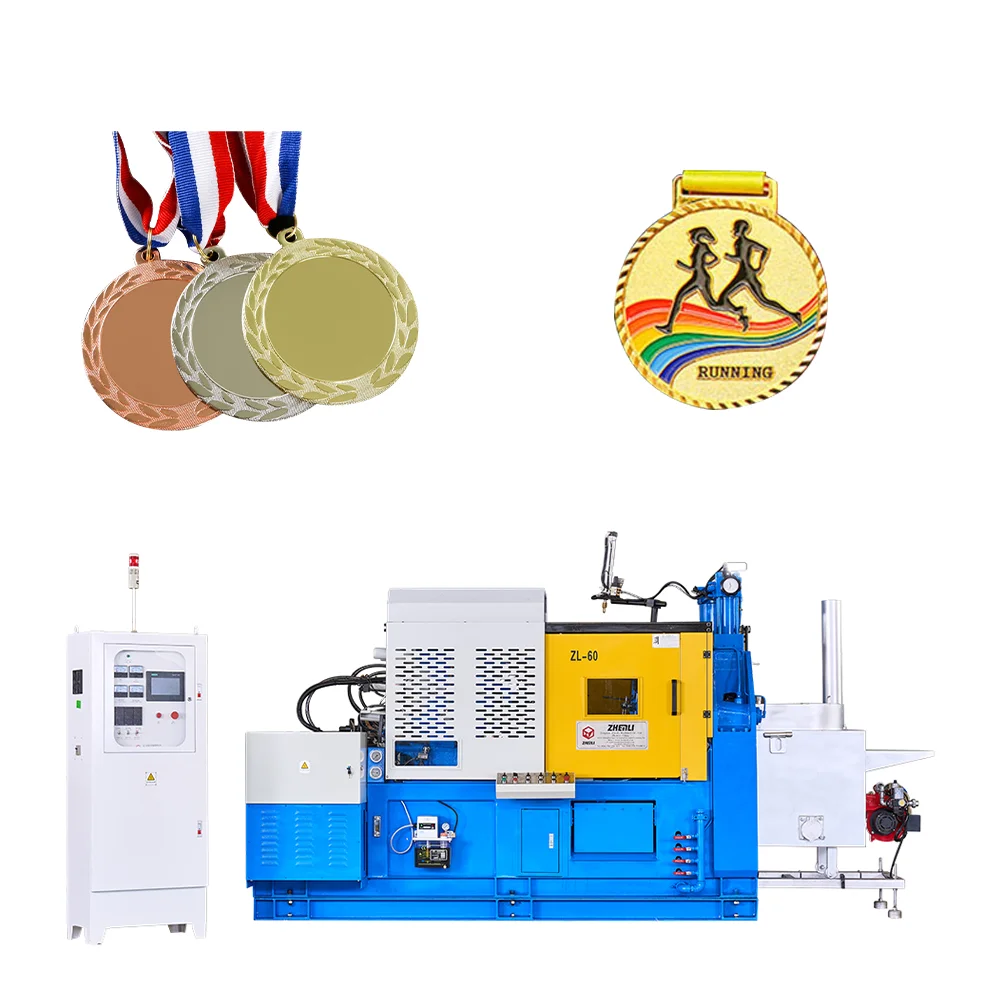
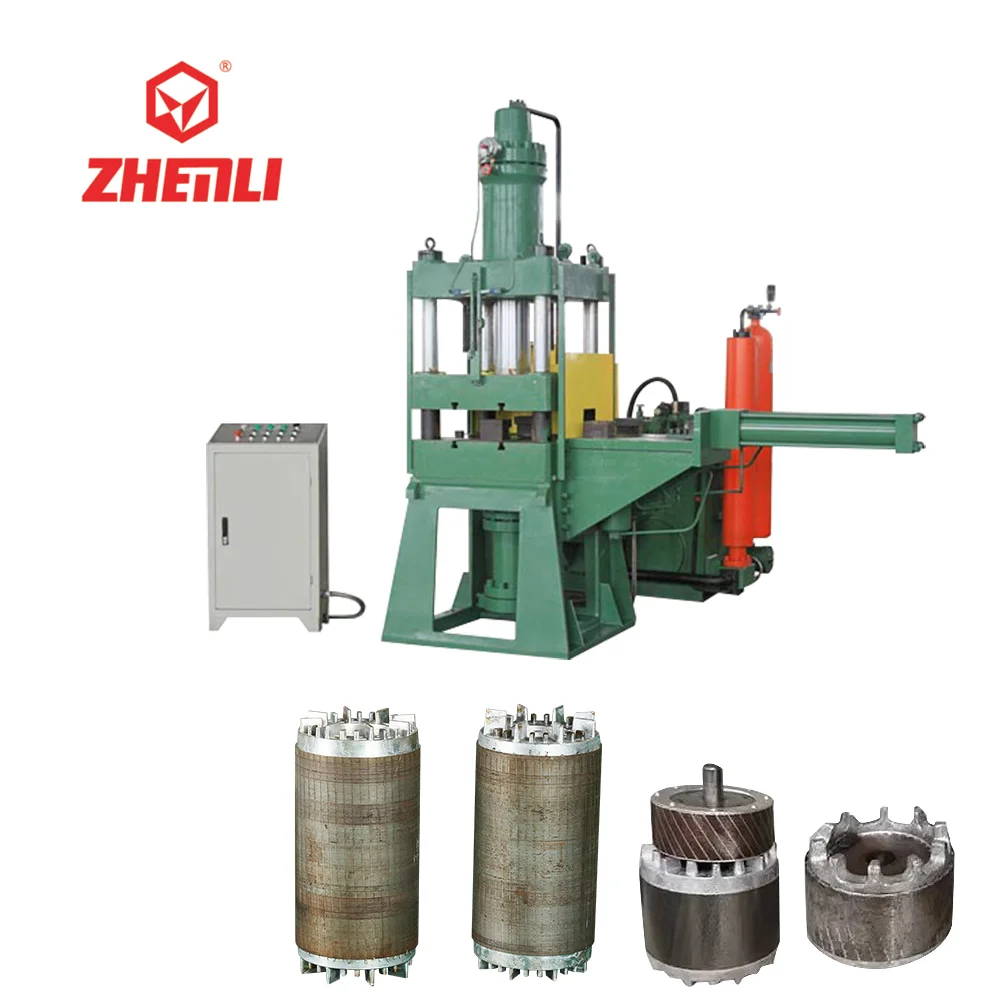
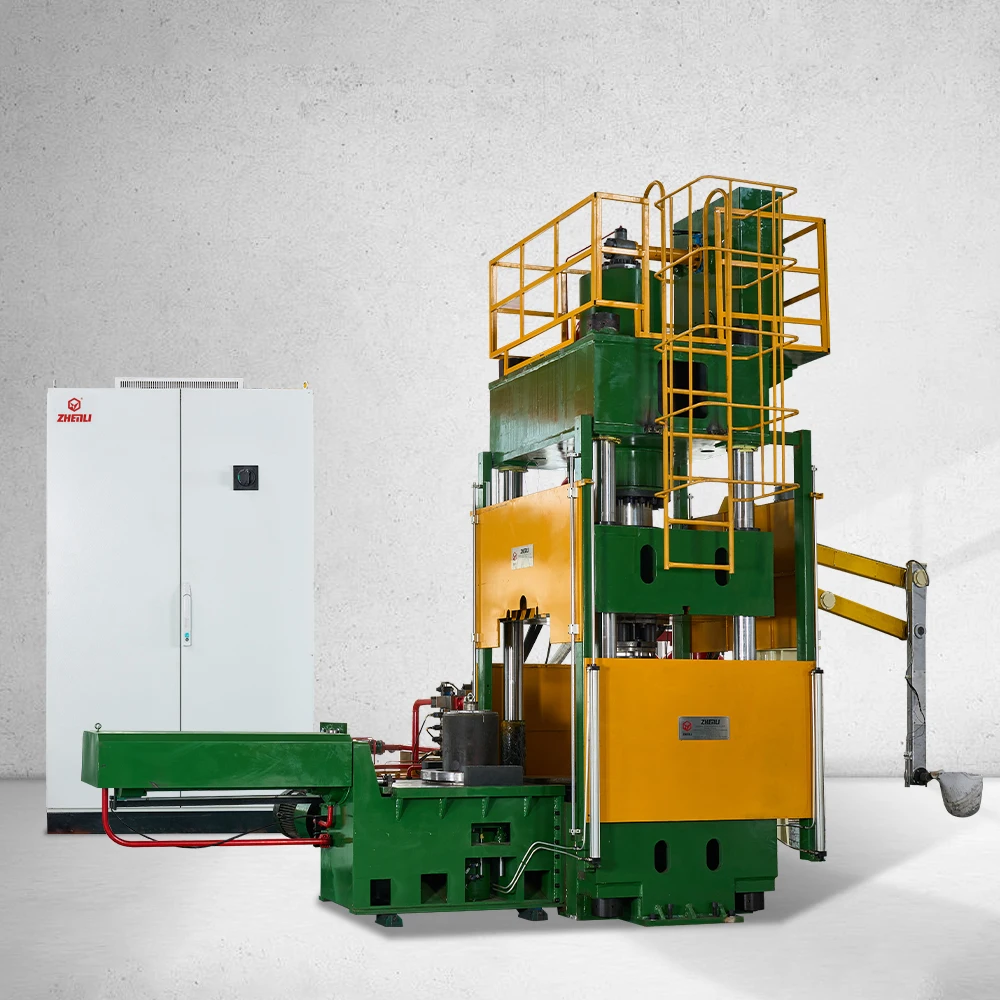
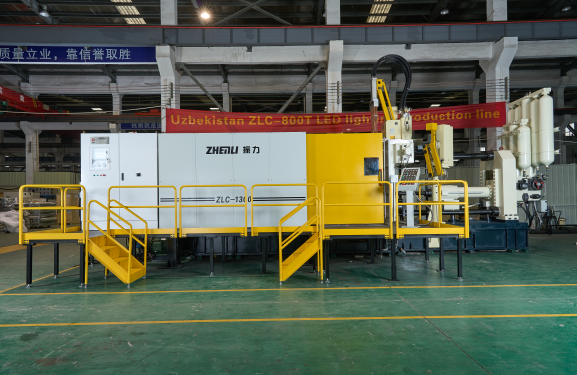
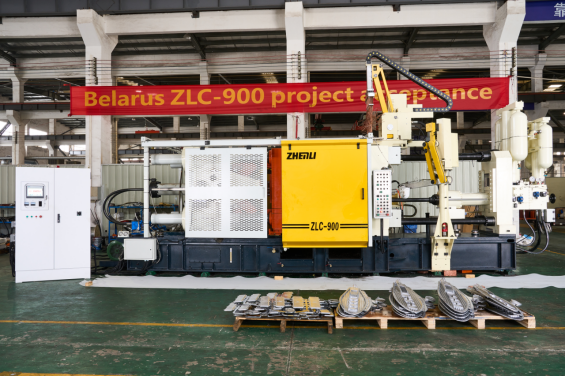
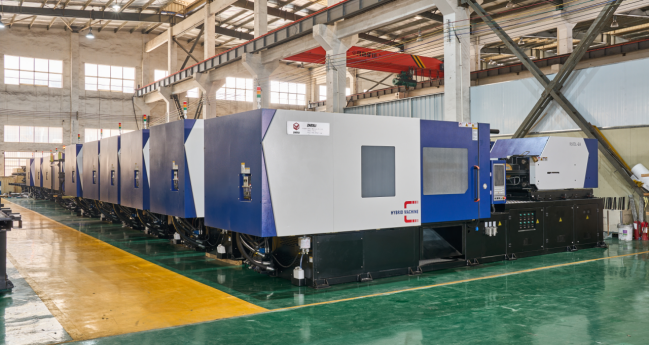
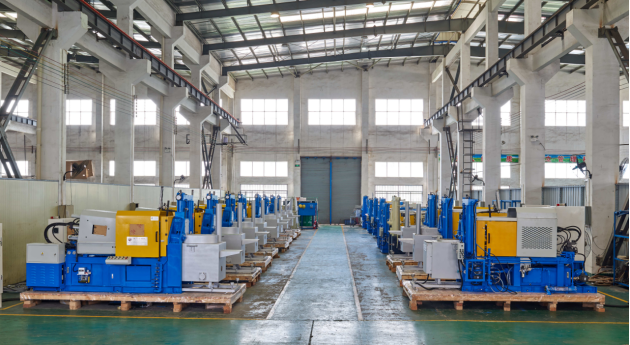
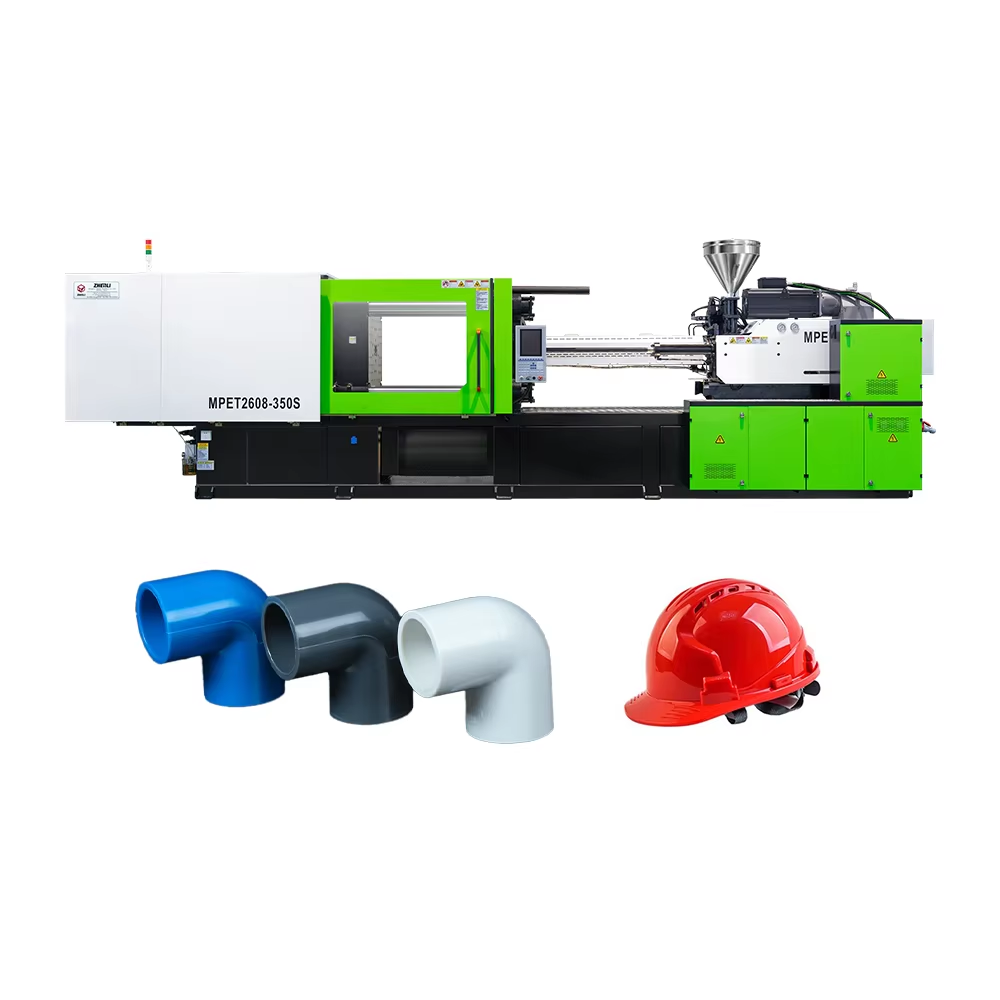
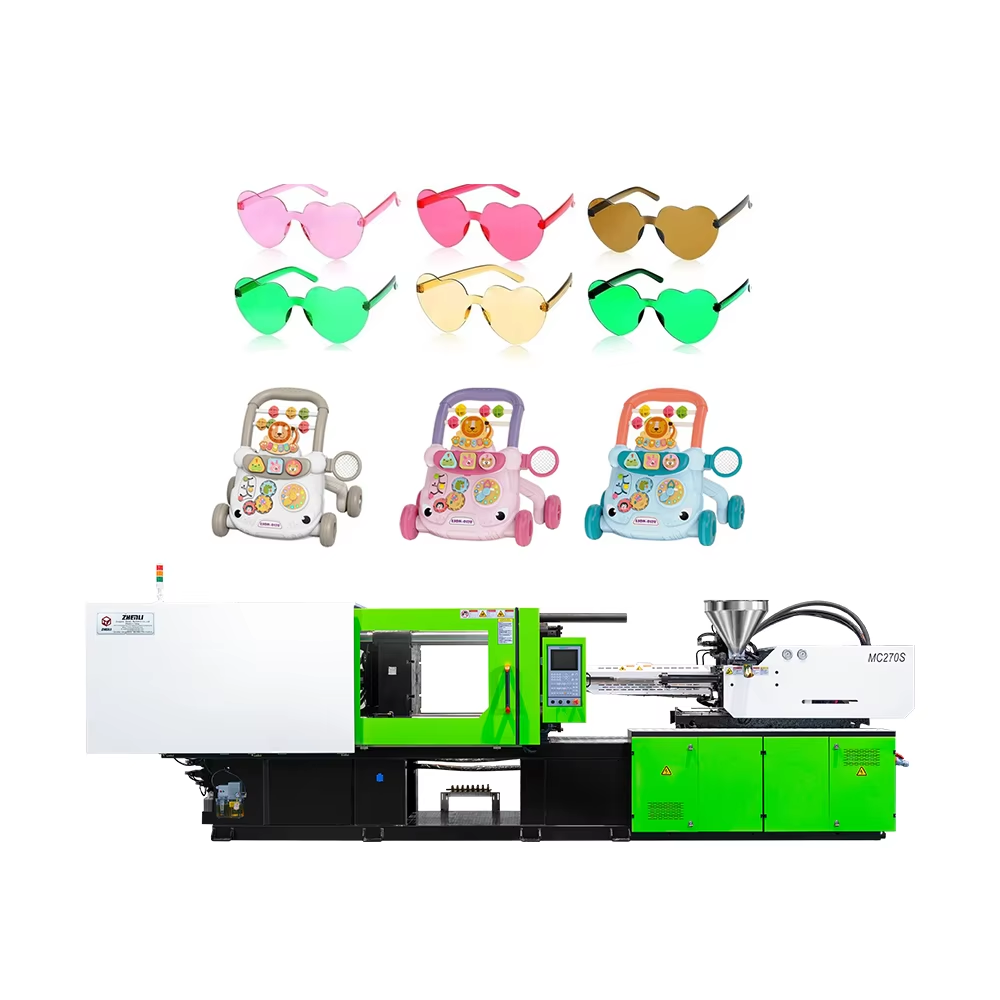
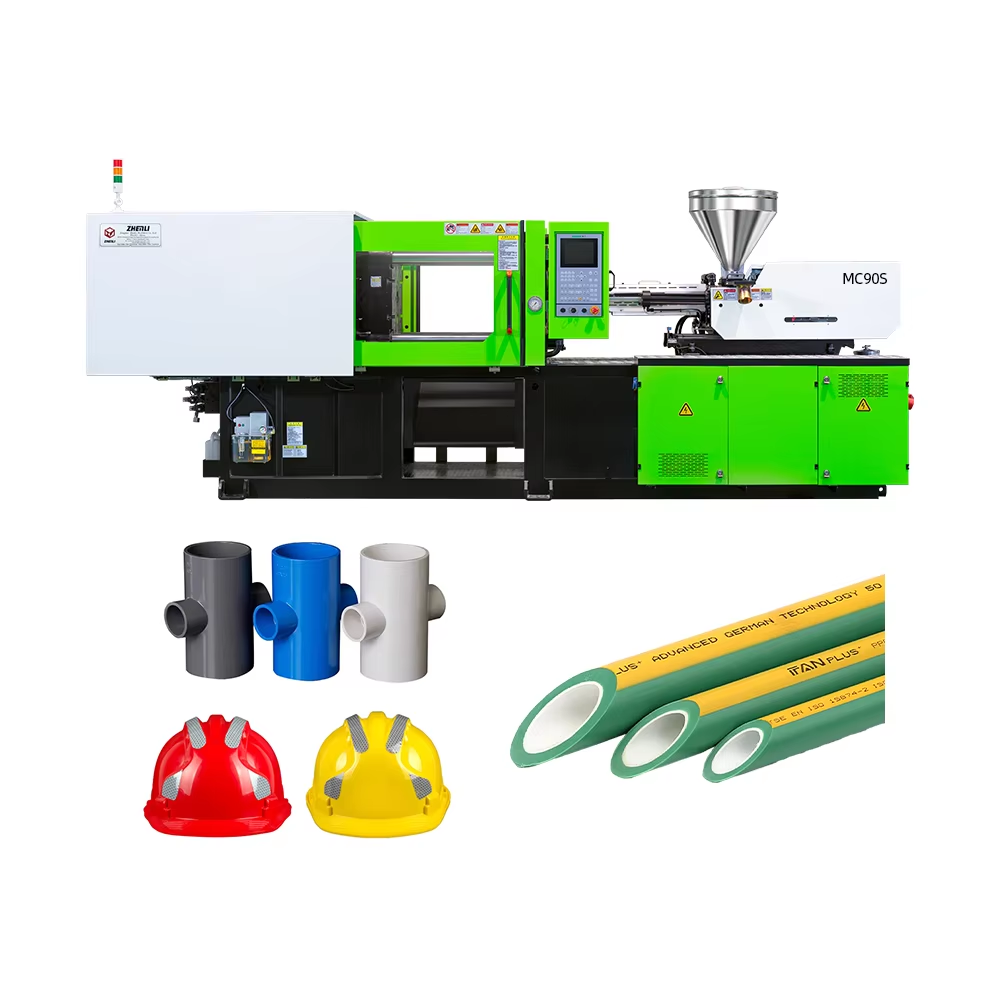
Jiangmen Zhenli Machinery Co., Ltd. manufactures big injection molding machines (up to high tonnages like ZLMC2600S), designed for large plastic components in automotive, industrial machinery, and construction sectors. These machines feature robust die clamping mechanisms, powerful injection systems, and intelligent control, complying with ISO and CE standards. Backed by a 20,000 ㎡ factory, 20+ CNC precision machines, and one-stop services (technical consulting, design, manufacturing, testing, installation), the company supports customization to meet specific large-part requirements. Selling to 50+ countries, Zhenli’s big injection molding machines ensure stable performance, short production cycles, and global after-sales support, providing cost-effective solutions for high-volume large-component production.
Get A Quote
 EN
EN