Jiangmen Zhenli Machinery: High-Precision All Electric Injection Molding Machines & Global Support
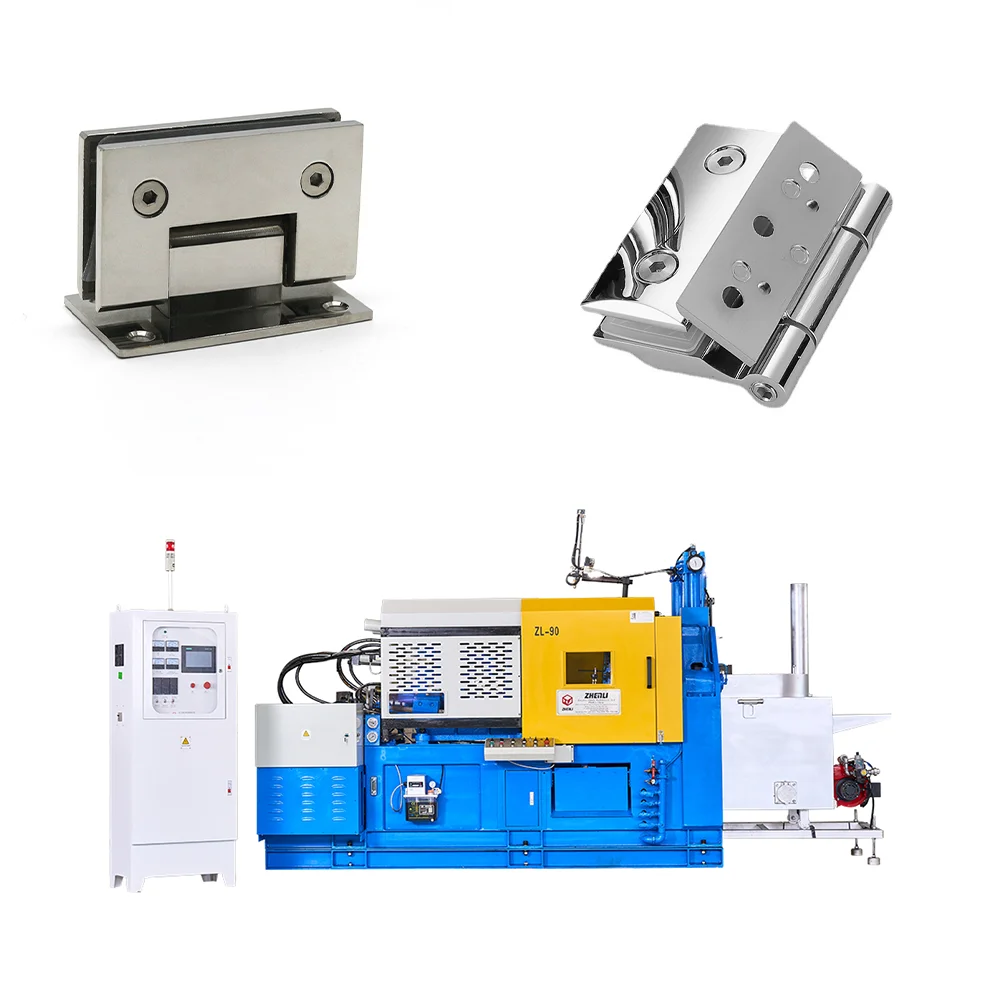
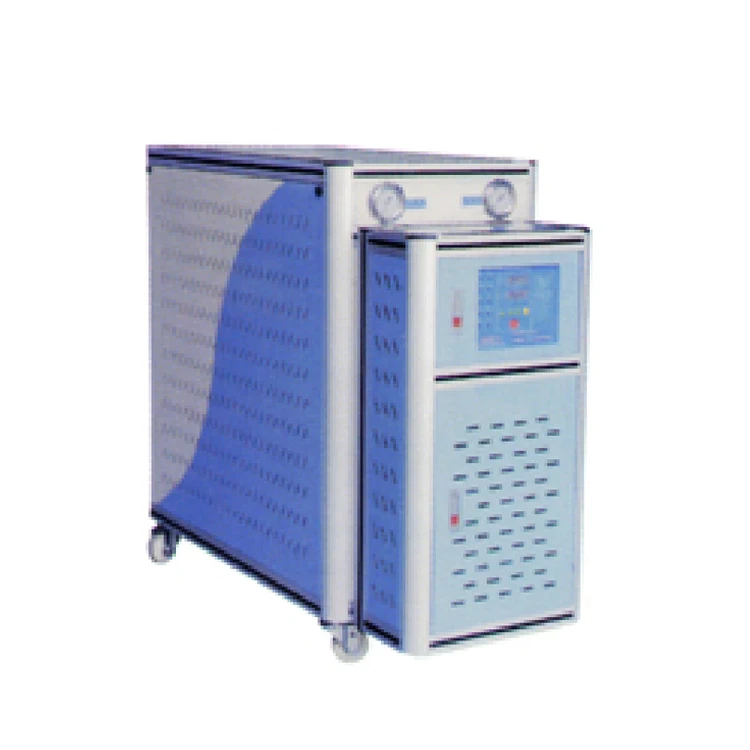
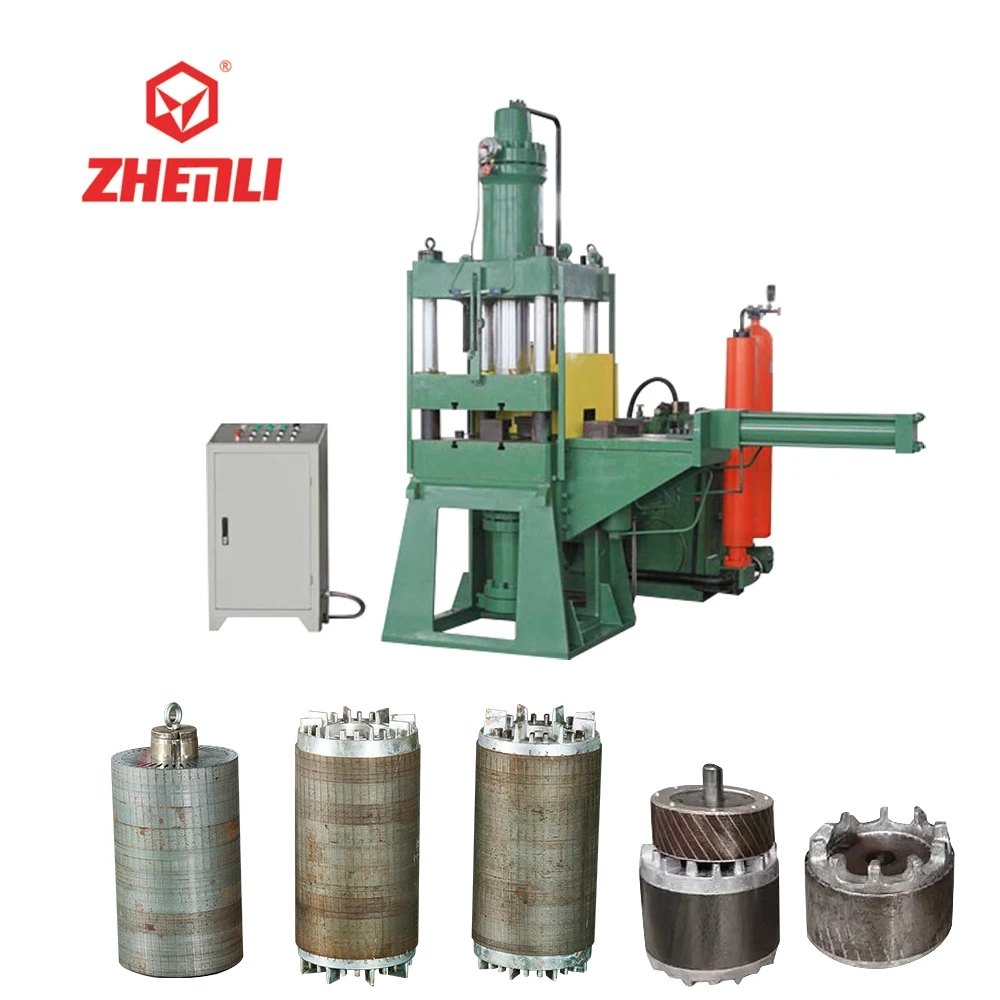
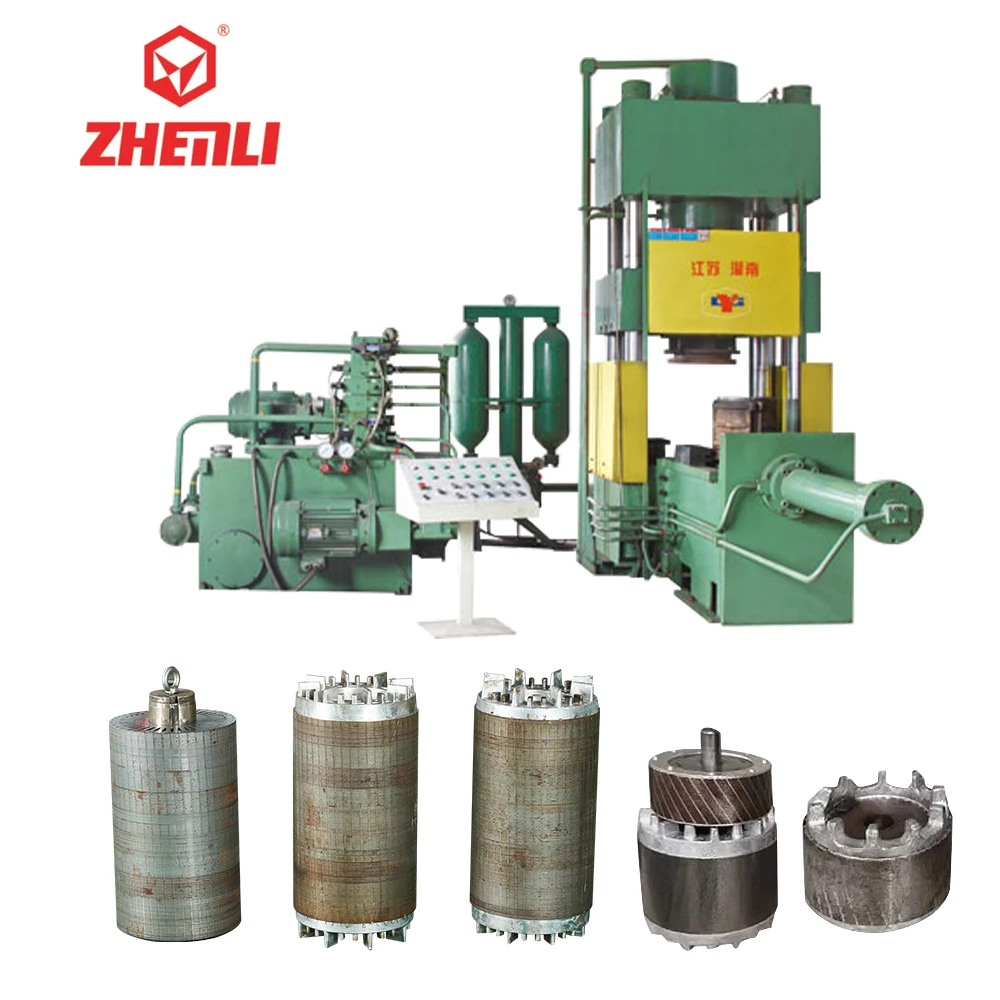
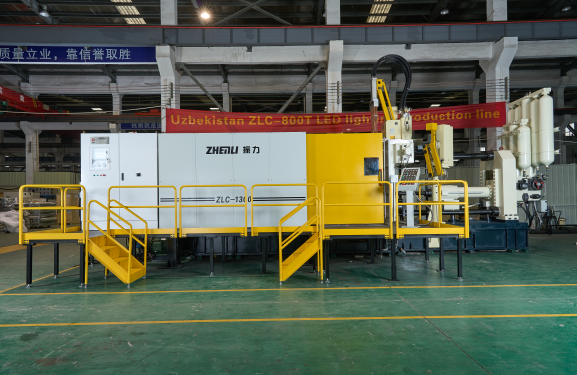
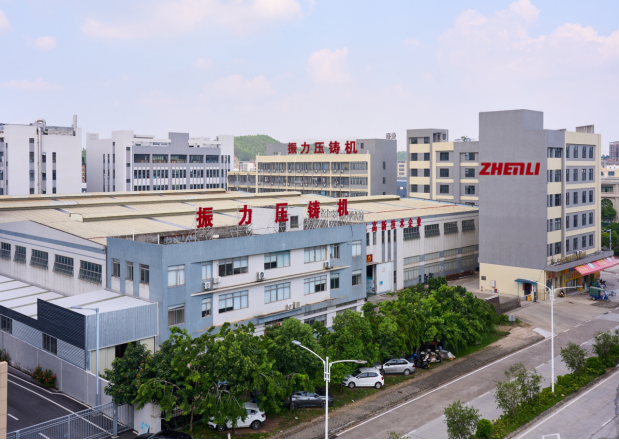
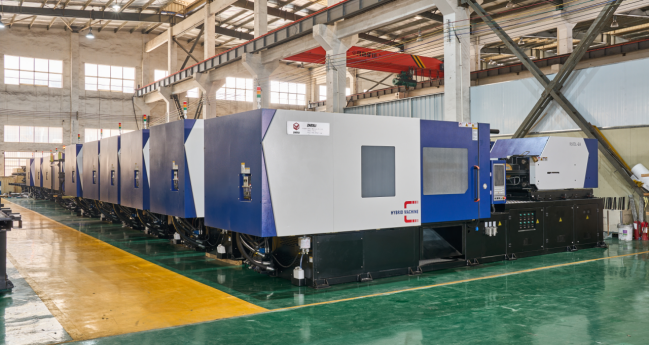
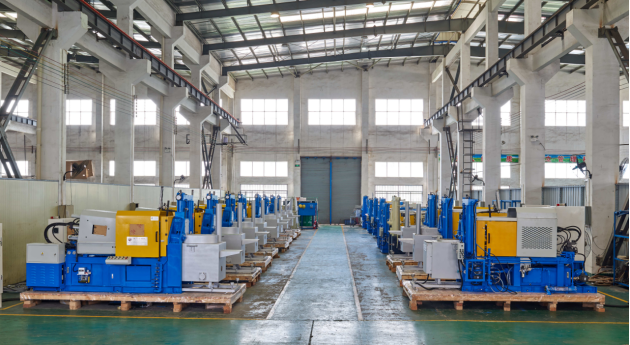
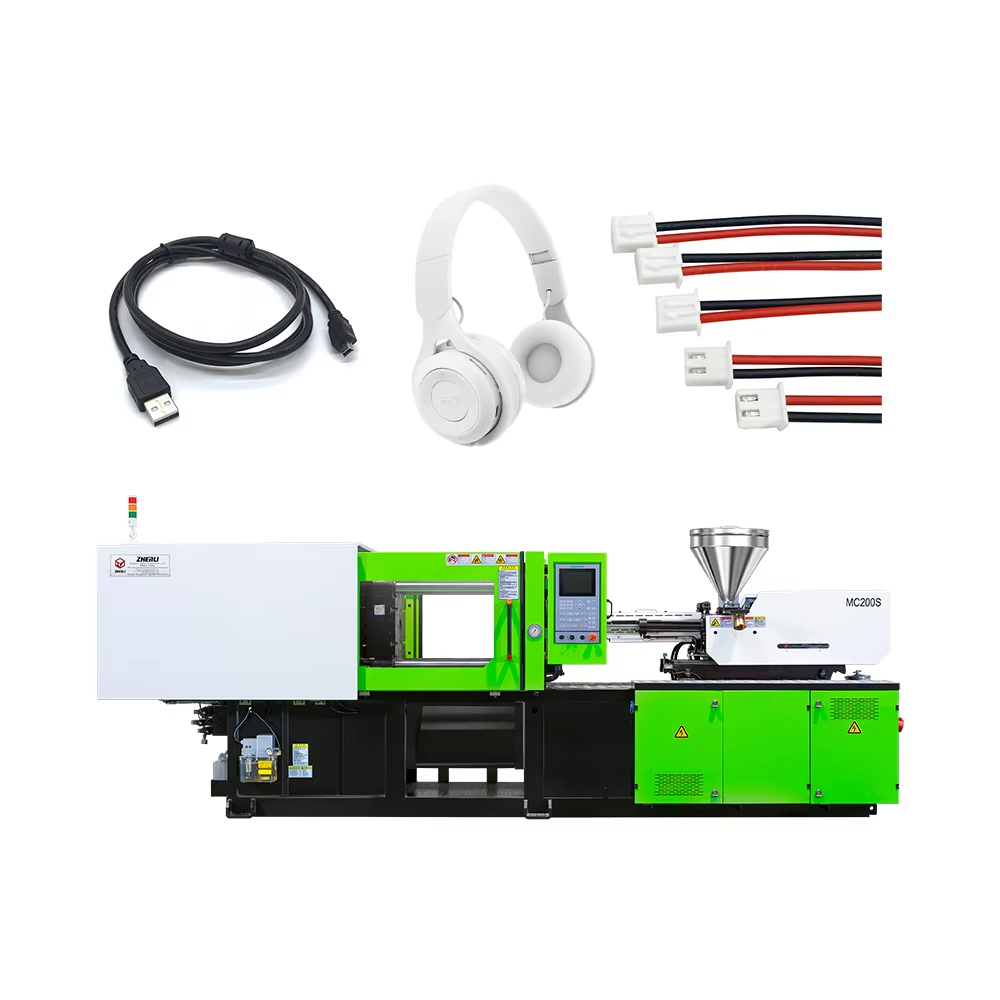
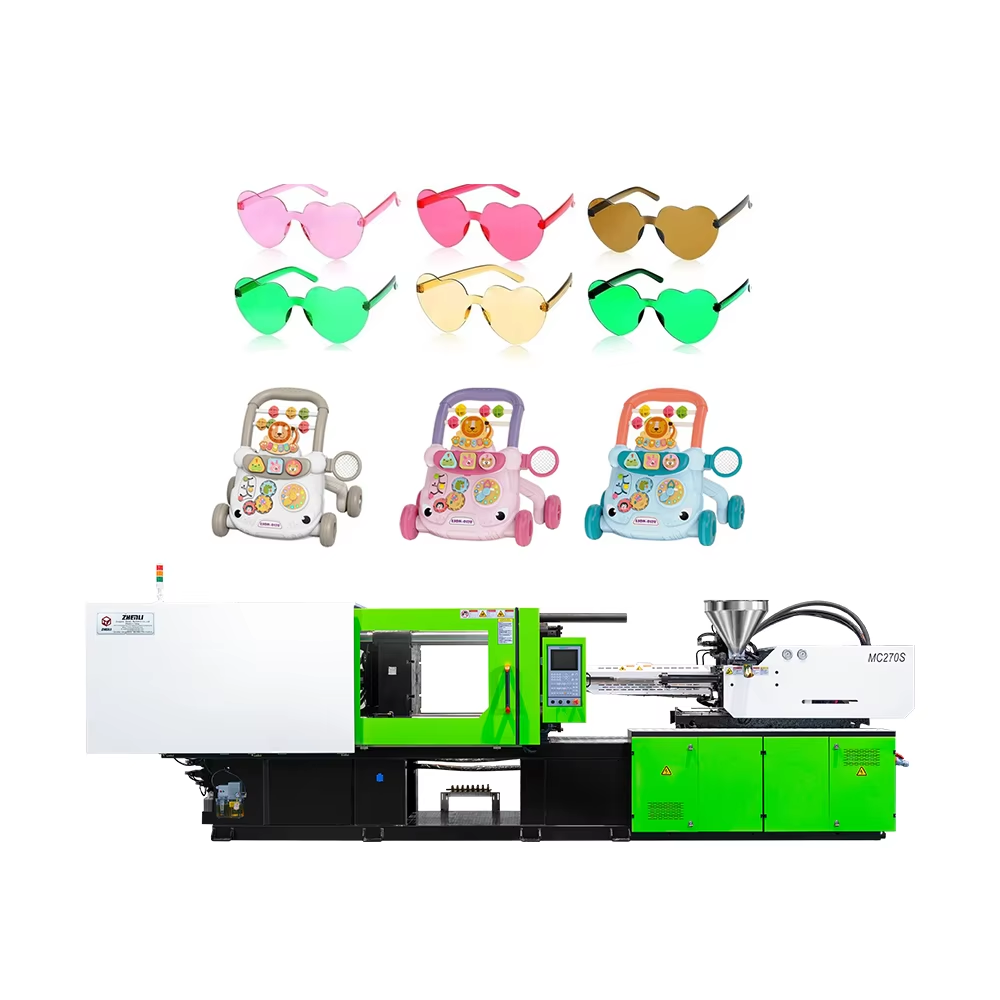
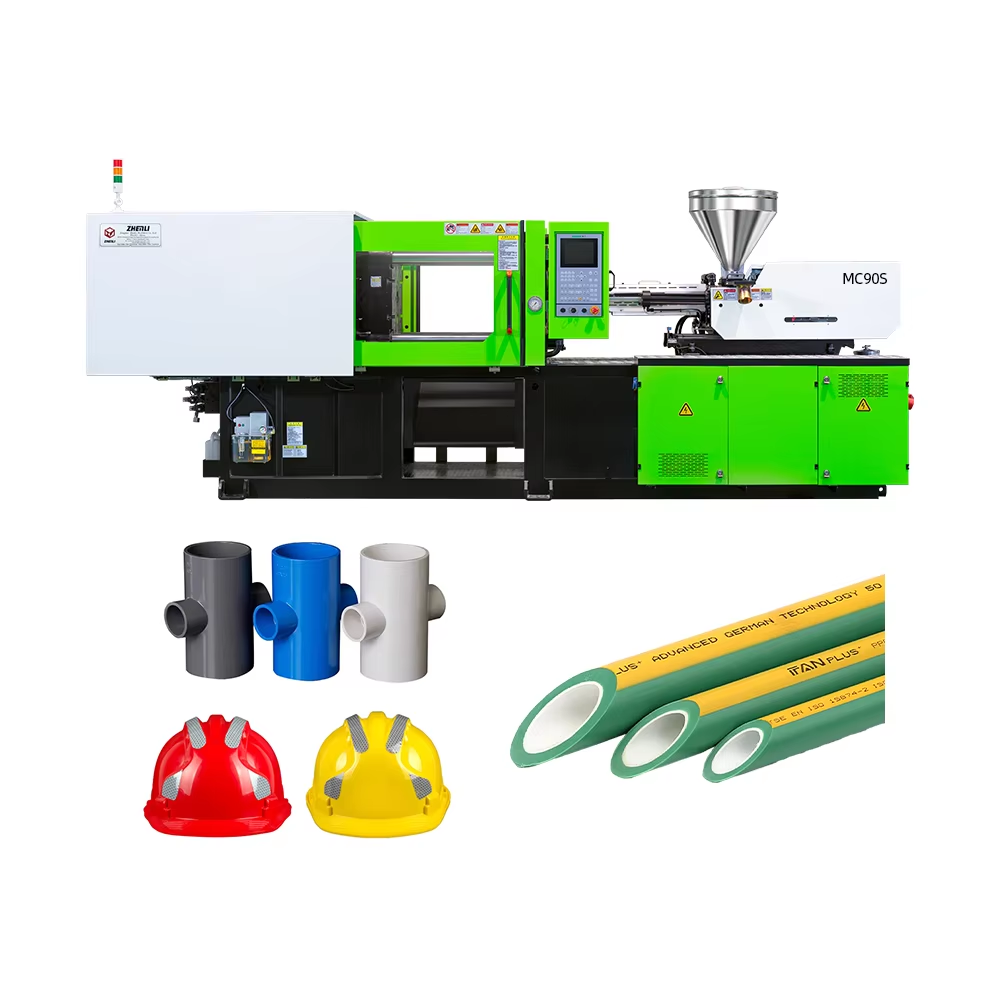
Jiangmen Zhenli Machinery Co., Ltd. offers advanced all electric injection molding machines, featuring intelligent computer controllers (Siemens/ARCUCHI), precise servo drives, and energy-efficient operation. Certified by ISO 9001 and CE, these machines ensure high repeatability, low noise, and clean production, suitable for precision plastic components. Complemented by die casting machines and peripheral equipment, the company provides one-stop services: technical consulting, customization (minor/drawing-based), sample testing, and global commissioning. With a 20,000 ㎡ factory, 20+ CNC machines, and sales in 50+ countries, Zhenli’s all electric injection molding machines cater to electronics, medical, and automotive industries, delivering superior performance, reduced energy consumption, and timely after-sales support.
Get A Quote
 EN
EN