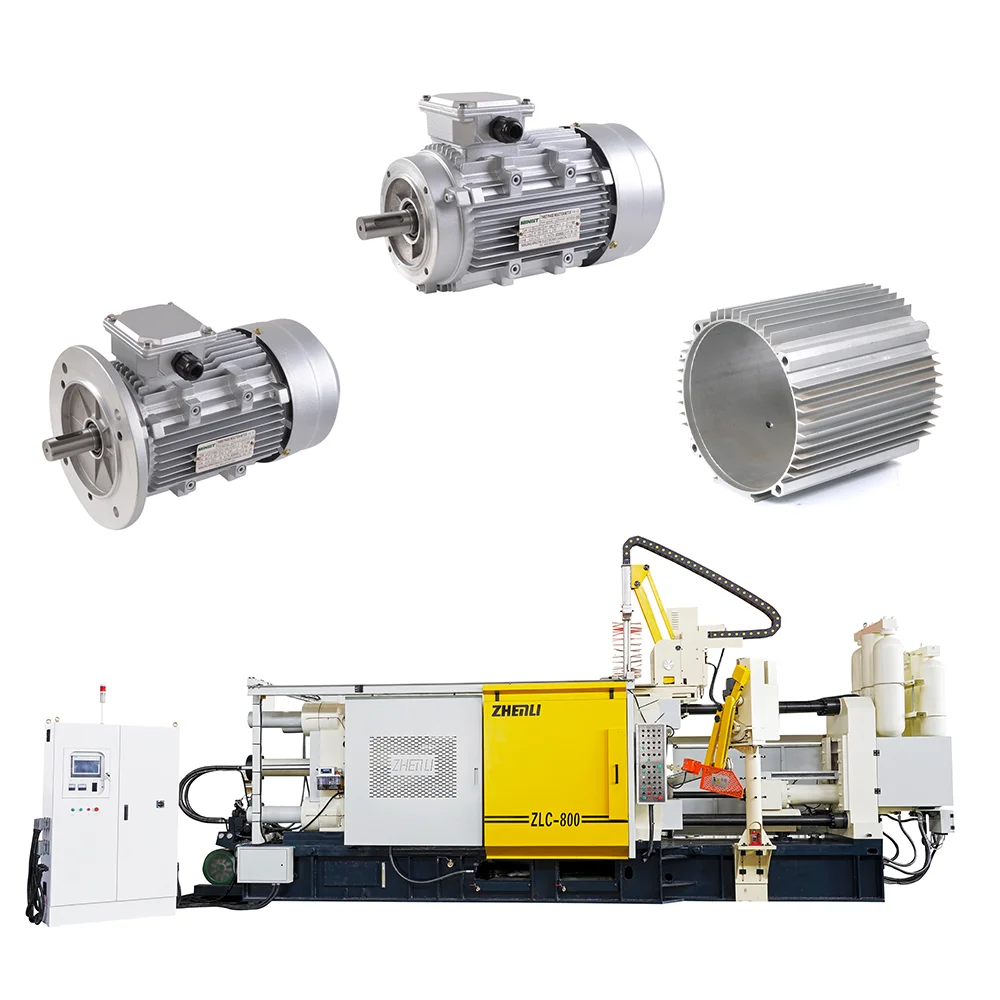
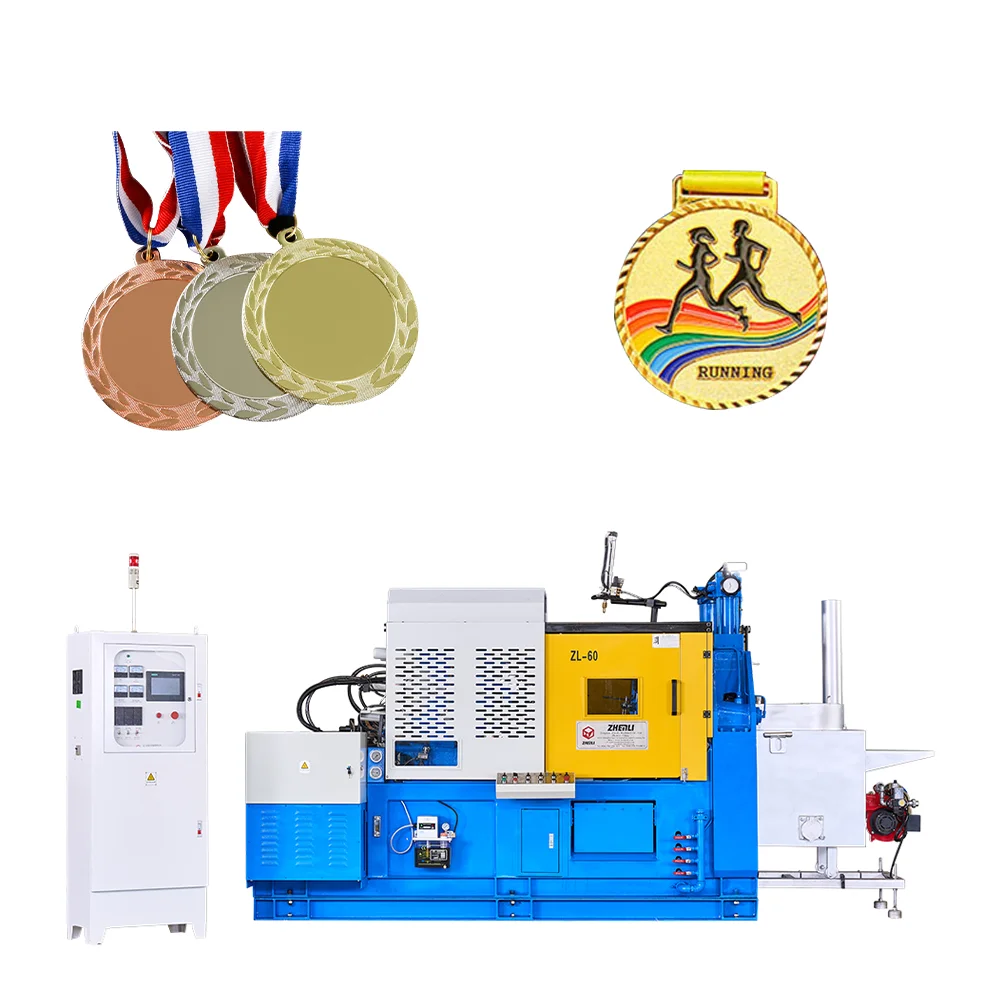
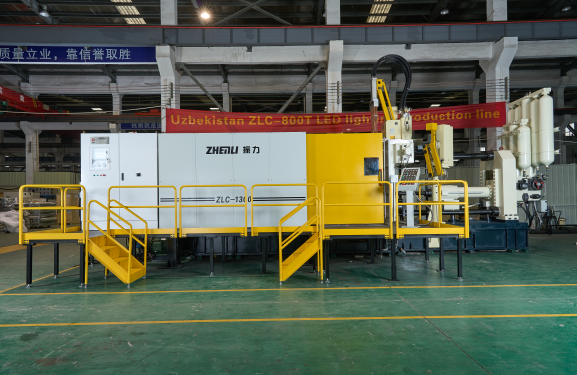
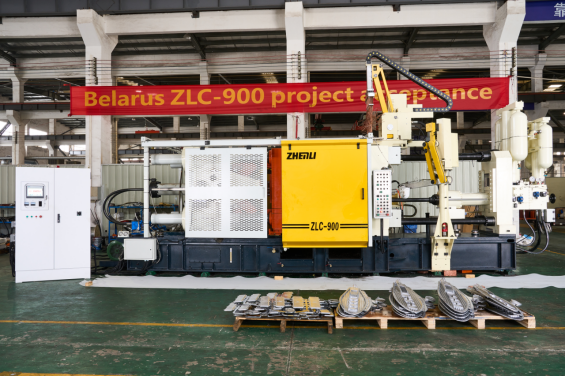
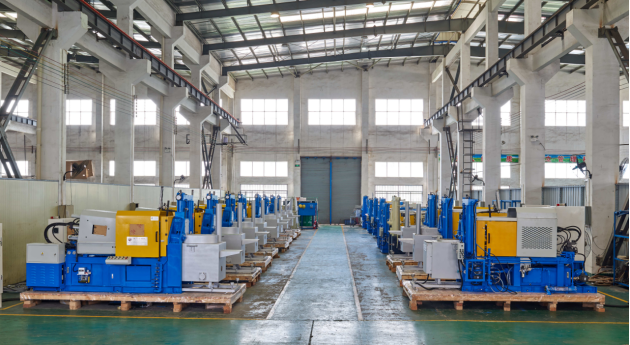
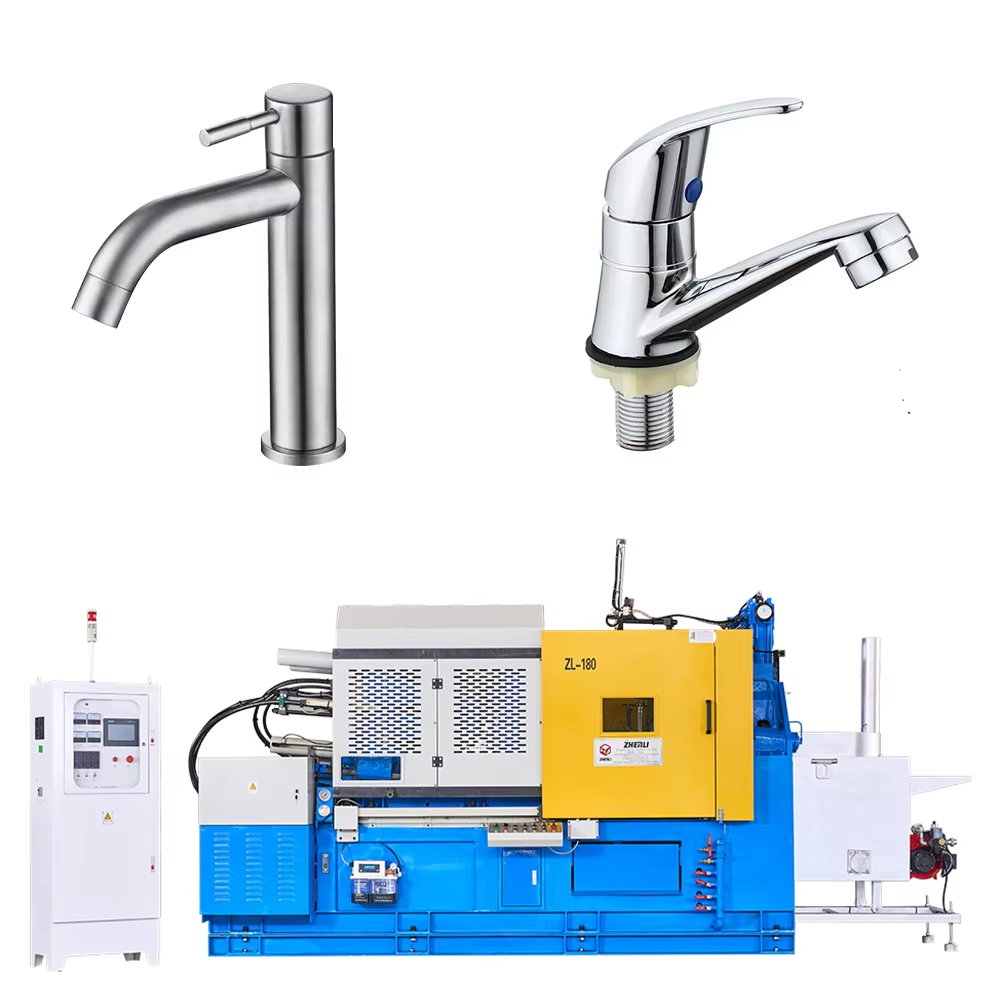
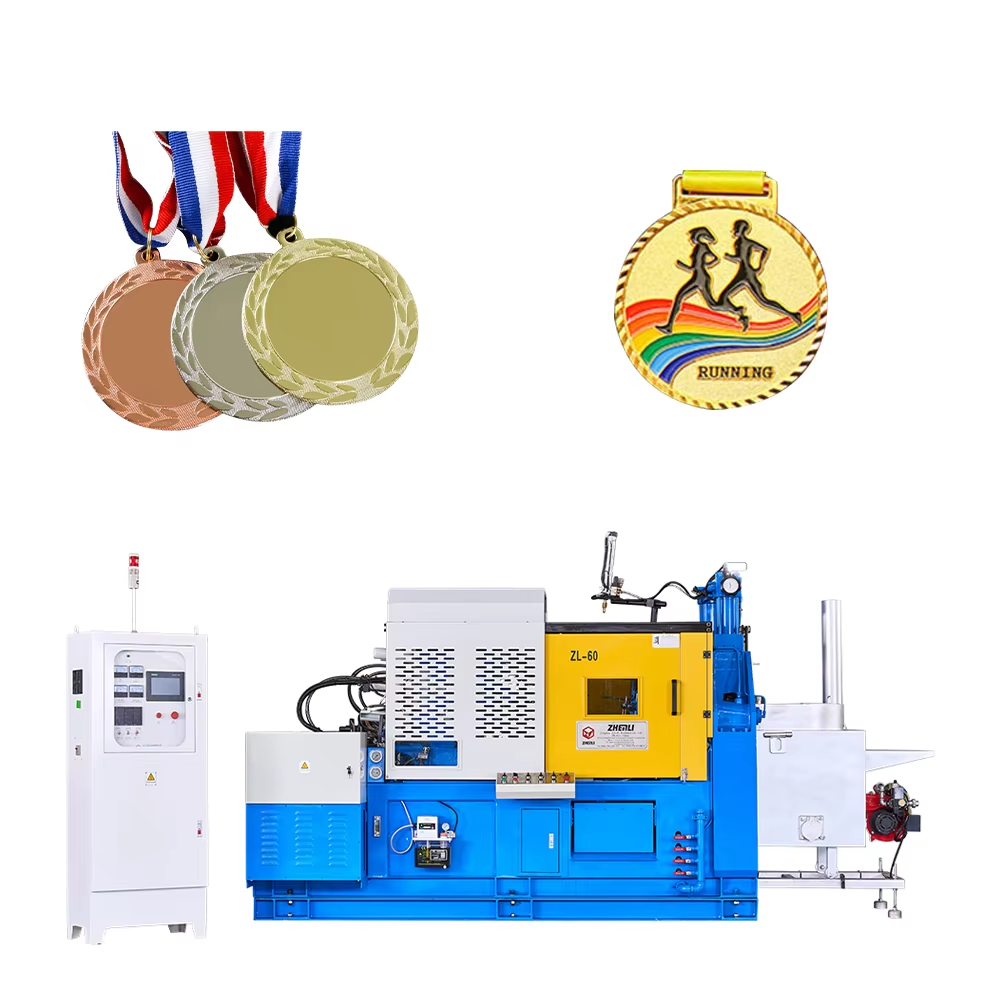
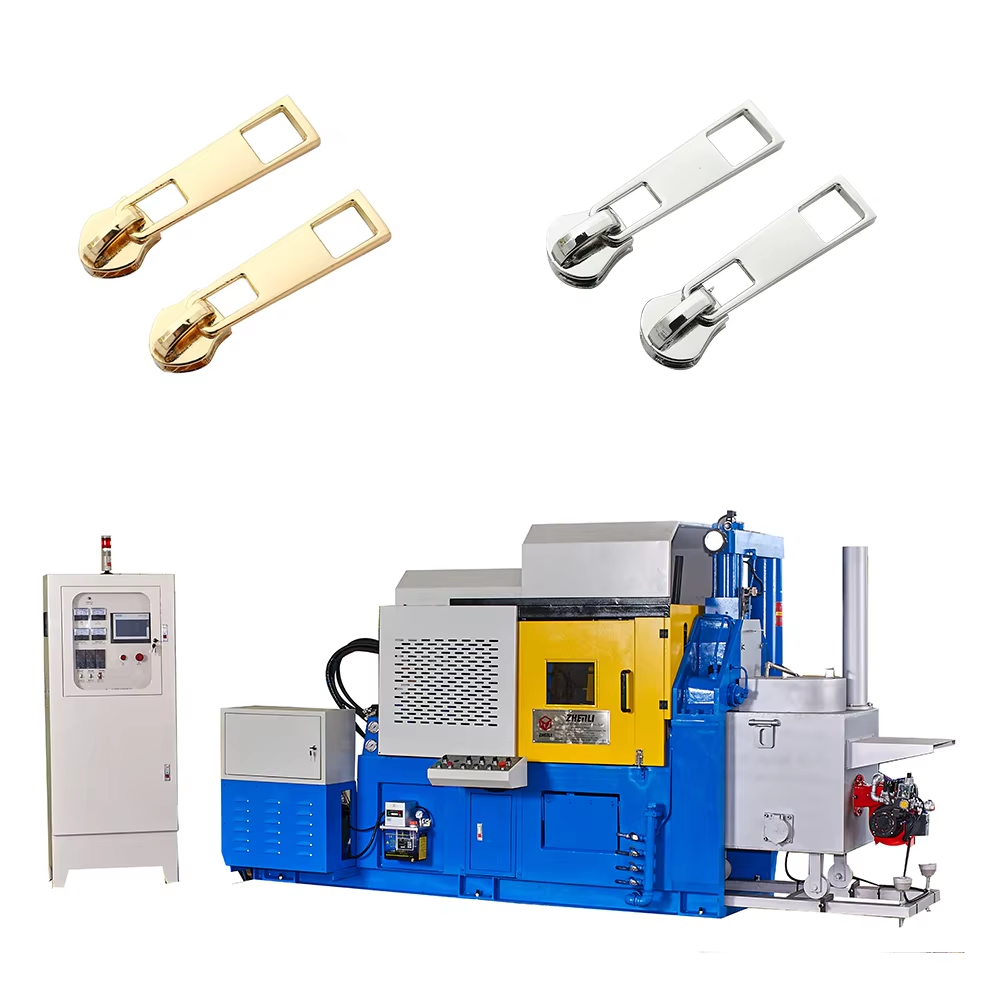
Zinc die casting machines are specialized for processing zinc alloys, which offer unique advantages such as low melting points, excellent fluidity, and good corrosion resistance—making them ideal for small, intricate parts like consumer electronics components, hardware, and toys—and Zhenli’s zinc die casting machines are engineered to maximize these material benefits while delivering high efficiency, precision, and cost effectiveness. A defining characteristic of Zhenli’s zinc die casting machines is their optimization for zinc alloy’s low melting point (380 420℃), which translates to significant energy savings compared to machines designed for higher melting metals like aluminum. The machines use low power, high efficiency heating elements and a heat retaining molten metal tank that minimizes heat loss, reducing electricity consumption by 30% 40% per casting cycle compared to aluminum die casting machines. For example, producing 1,000 zinc alloy zipper pulls (each weighing 5g) consumes only 8 10 kWh of electricity with a Zhenli zinc die casting machine, whereas an aluminum die casting machine would use 14 16 kWh for the same number of parts. This energy efficiency is particularly valuable for high volume production, where even small per cycle savings accumulate to substantial annual cost reductions—for a factory producing 100,000 zinc parts daily, the annual electricity savings can reach \(15,000 \)20,000. Precision is another core strength of Zhenli’s zinc die casting machines, driven by the need to produce small, detailed parts with tight dimensional tolerances. The machines feature high precision injection nozzles with diameter errors of ≤0.05mm and finely machined mold cavities that replicate intricate part details, such as the tiny gears in a toy mechanism or the threaded holes in an electronic connector. Zinc alloy’s excellent fluidity, combined with the machines’ controlled injection speed (adjustable from 100 500 mm/s), ensures that molten zinc fully fills even the smallest mold features, resulting in parts with surface roughness (Ra) as low as 0.8μm. This level of surface quality eliminates the need for post processing steps like polishing or grinding—steps that are often required for parts produced by other die casting methods—reducing production time by 15% 20% and avoiding surface damage (such as scratches) that can compromise part aesthetics or functionality. For consumer electronics manufacturers producing parts like smartphone charging port housings, this precision and surface quality are critical, as the parts must fit seamlessly with other components and meet strict visual standards. To further enhance production efficiency, Zhenli’s zinc die casting machines are equipped with a rapid water cooling system that accelerates the solidification of molten zinc alloy. The cooling system circulates chilled water through the mold, reducing the solidification time of small zinc parts to 10 15 seconds—far faster than the 20 30 seconds of air cooled machines. When combined with automatic mold clamping and part ejection, this rapid cooling shortens the total casting cycle to 25 30 seconds for small parts like key blanks or jewelry clasps. Compared to zinc die casting machines with air cooling, Zhenli’s water cooled models increase hourly production by 20% 25%—a 500 part per hour capacity becomes 600 625 parts per hour—enabling manufacturers to meet high volume orders more quickly and take on additional business without expanding equipment fleets. Durability and low maintenance are also key design priorities for Zhenli’s zinc die casting machines, addressing the challenge of zinc alloy’s potential to cause corrosion in machine components. Critical parts like the feeding tubes and mold surfaces are made from corrosion resistant materials: the feeding tubes use stainless steel (304 grade) that resists rust and zinc oxide buildup, while the mold surfaces are coated with a chrome plated layer that prevents zinc adhesion and reduces wear. These materials extend maintenance intervals from once a month (for standard machines) to once every 3 months, reducing downtime and maintenance labor costs. The feeding tubes’ smooth inner walls also prevent zinc residue accumulation, ensuring consistent material flow and avoiding blockages that can halt production—an issue that plagues many lower quality zinc die casting machines. Additionally, the machines’ hydraulic systems use zinc compatible hydraulic oil that maintains viscosity and lubrication properties even when in contact with small amounts of molten zinc, further extending component life. Zhenli’s zinc die casting machines are designed with user friendliness in mind, featuring intuitive control panels that allow operators to adjust parameters (temperature, pressure, cycle time) with minimal training. The panels support multiple languages, making them suitable for global workshops, and include built in tutorials for new operators. The machines also integrate with Zhenli’s IoT platform, enabling remote monitoring of production data (e.g., cycle count, defect rate) and real time alerts for potential issues (e.g., low zinc levels in the tank). This connectivity allows managers to optimize production schedules and address problems quickly, even when off site. Application wise, these machines serve a wide range of industries: in consumer electronics, they produce zinc alloy components like laptop hinges and headphone casings; in hardware, they manufacture door handles and cabinet knobs; in toys, they create detailed action figure parts. Their ability to handle small part sizes (from 1g to 5kg) and high production volumes makes them a staple for businesses focused on mass produced, precision zinc components. With Zhenli’s comprehensive after sales support—including mold design assistance, on site maintenance, and spare parts supply—these machines provide a reliable, long term solution for zinc die casting needs, helping businesses balance quality, efficiency, and cost.
 EN
EN