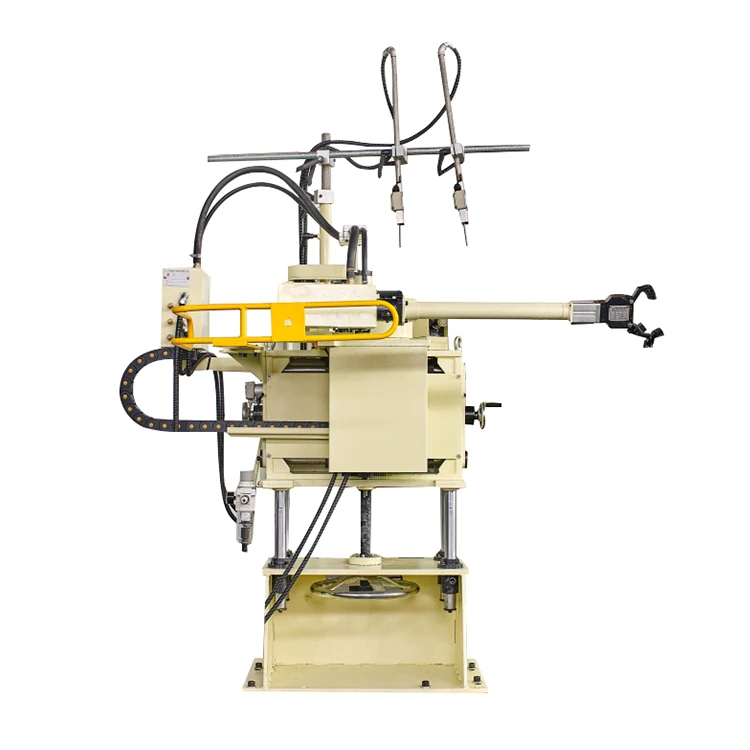
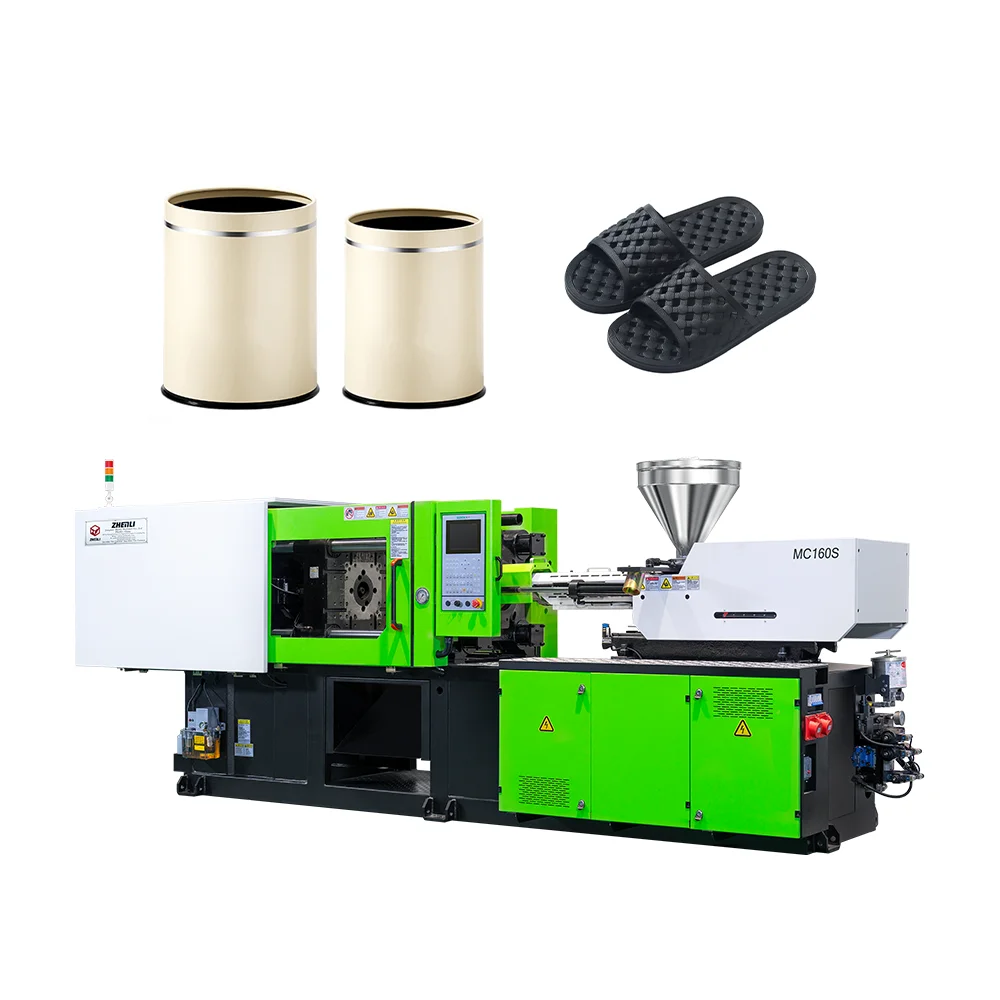
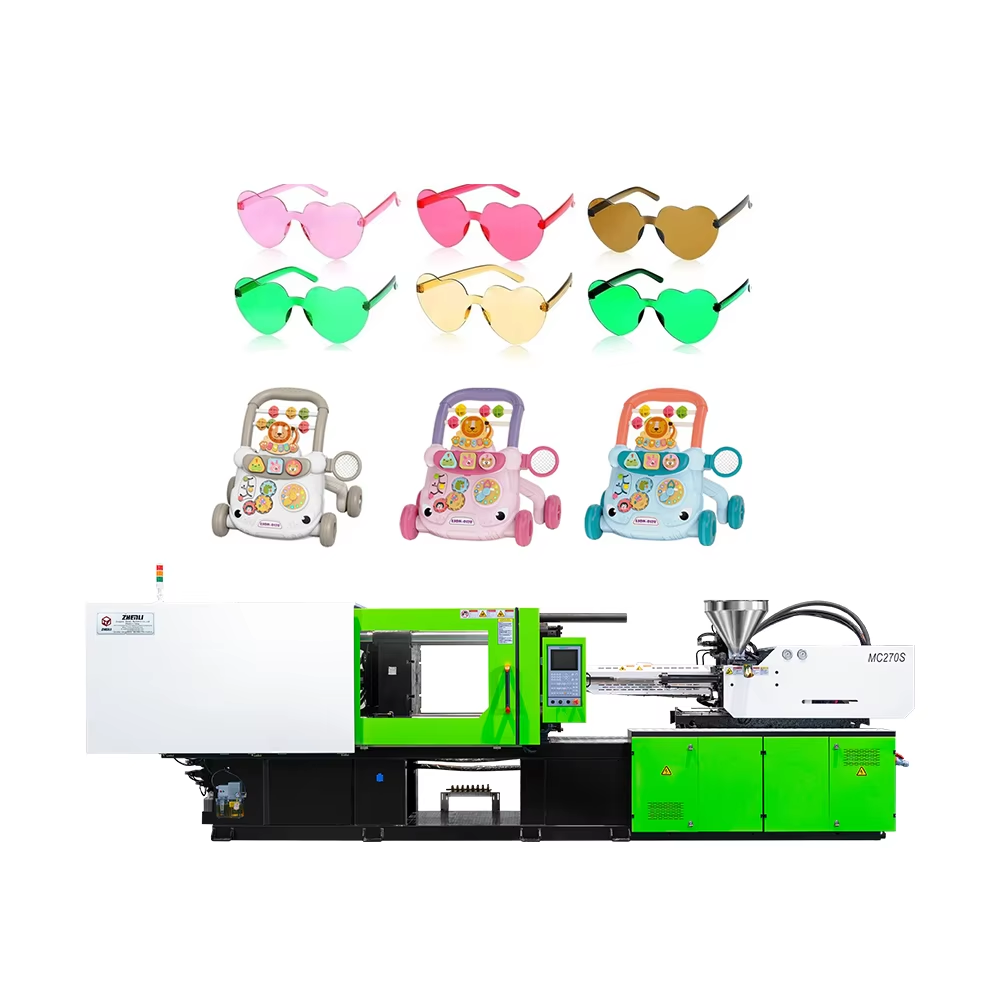
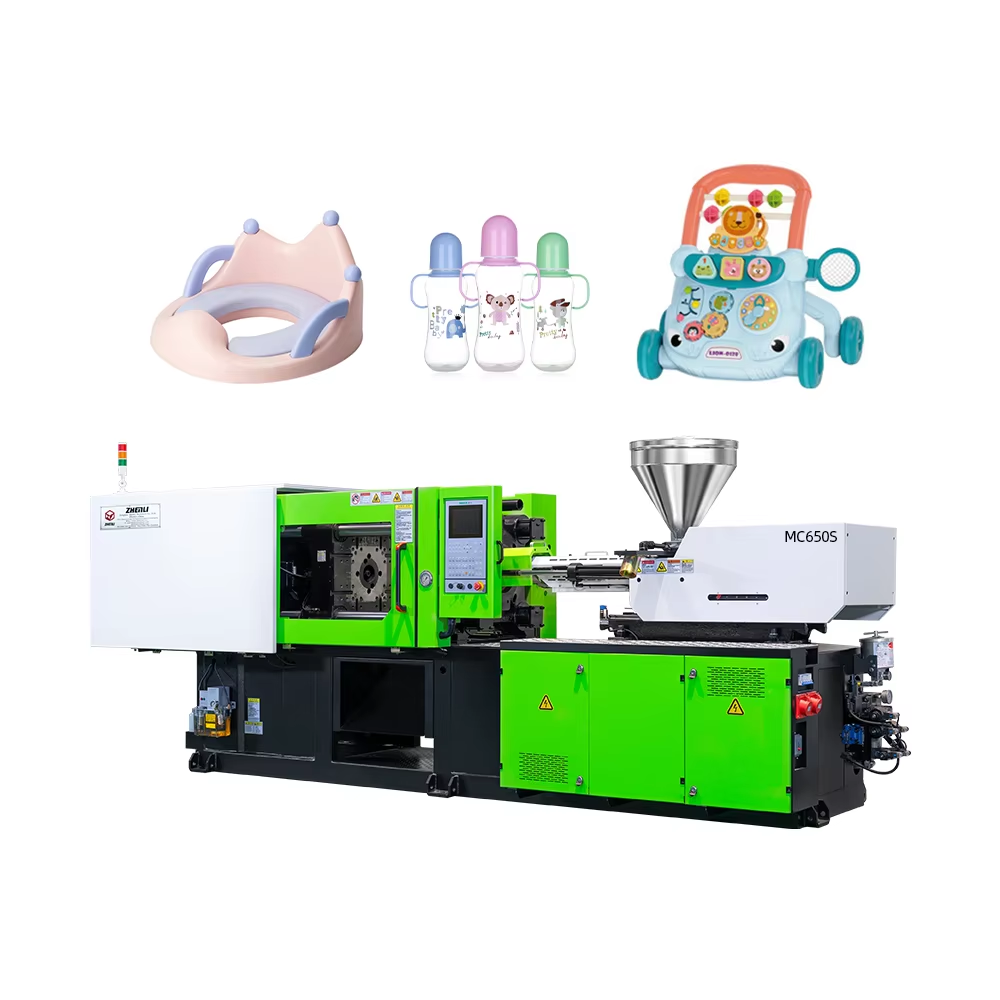
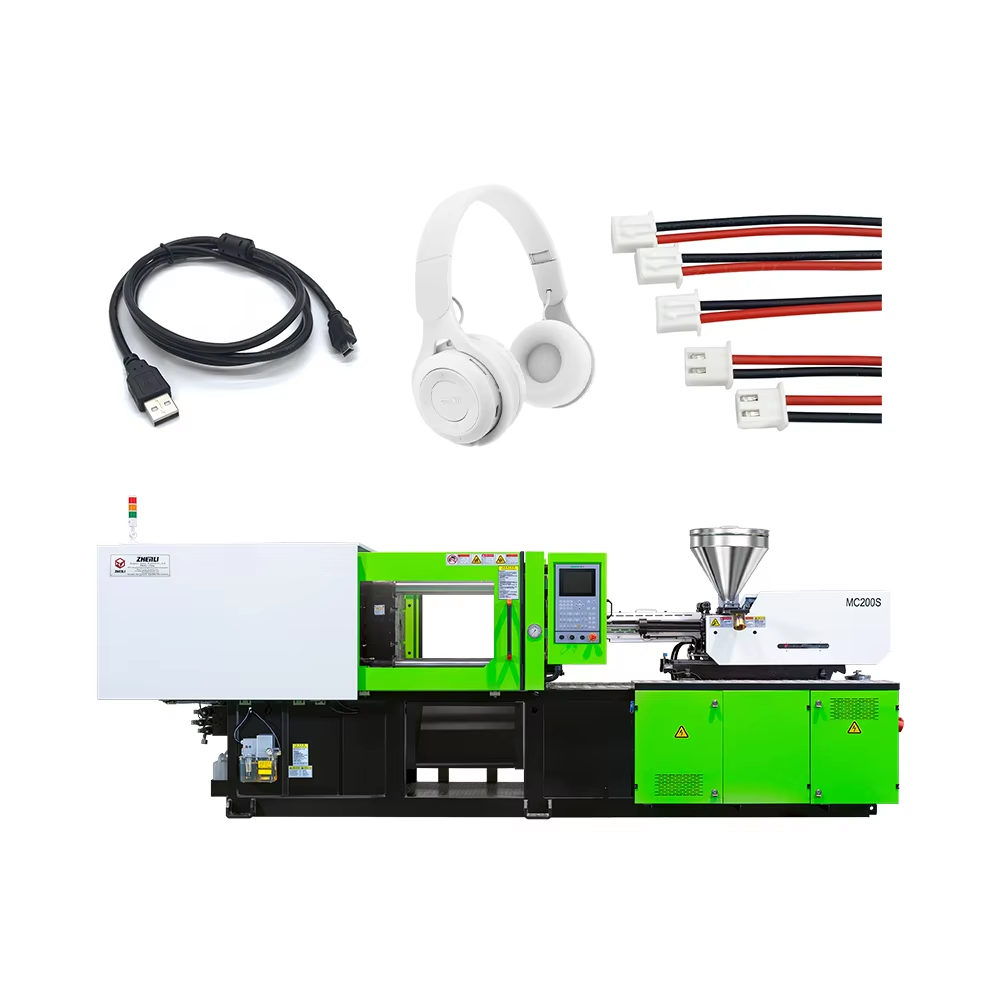
Plastic injection machine price is a multifaceted investment decision shaped by technical capabilities, configuration flexibility, customization needs, and long term operational value—critical for manufacturers producing plastic components across industries. Core factors influencing price include the machine’s tonnage (clamping force), which ranges from 10 tons (small precision parts like electrical connectors) to 5000 tons (large structural parts like automotive bumpers), with higher tonnage models commanding higher prices due to robust structural frames, more powerful drive systems, and larger injection units. Drive type is a primary price differentiator: hydraulic plastic injection machines are the most cost effective (starting at \(35,000 for 10 ton models), ideal for heavy duty, high volume applications; electric machines (starting at \)65,000) offer superior precision, energy efficiency (30–40% lower power consumption), and cleaner operation—making them ideal for medical, electronic, and high precision parts; hybrid machines (starting at \(55,000) balance hydraulic power with electric efficiency, offering a mid range price point for versatile production. Injection unit specifications impact price, including shot weight (capacity to inject molten plastic), screw diameter, and barrel design—specialized units for engineering plastics (PEEK, nylon) or recycled materials (rPET) add \)8,000–\(30,000 due to modified screws, heating zones, and material handling systems. Control system sophistication plays a key role: basic digital controls are standard for entry level machines, while advanced intelligent controllers (Siemens, Fanuc) with real time monitoring, data logging, recipe storage (50+ configurations), and SPC capabilities add \)6,000–\(25,000—justifying the cost through improved process consistency and reduced downtime. Customization options contribute to price variations, such as multi cavity mold compatibility (up to 128 cavities for small parts: \)7,000–\(30,000), automation integration (robotic part extractors, inline inspection systems: \)16,000–\(45,000), cleanroom compatible designs (for medical applications: \)22,000–\(65,000), and mold temperature control systems (±1°C accuracy: \)3,000–\(10,000). Value added services included in reputable suppliers’ prices eliminate hidden costs: technical consulting to optimize machine selection for plastic type (PP, ABS, PVC, engineering resins), mold compatibility testing, sample production validation, global logistics (containerization, customs documentation), on site installation and commissioning, operator training, and a 12–24 month warranty on core components. Economies of scale from large manufacturing facilities enable competitive pricing, with bulk component sourcing reducing production costs passed to customers. Long term operational savings—energy efficiency (electric machines cut power costs by 25–40%), low maintenance requirements (high quality components), and high productivity (fast cycle times)—offset upfront price differences. Volume discounts of 5–15% apply to bulk purchases, and flexible payment terms (letters of credit, installment plans) accommodate diverse business needs. Plastic injection machine prices typically range from \)35,000 (10 ton hydraulic) to $1,200,000+ (5000 ton hybrid), with transparent quotations outlining all inclusions. For global customers, consistent pricing across 50+ countries and regional after sales support (spare parts delivery within 48 hours) ensure predictable total cost of ownership—making the investment aligned with production goals and profitability.
 EN
EN