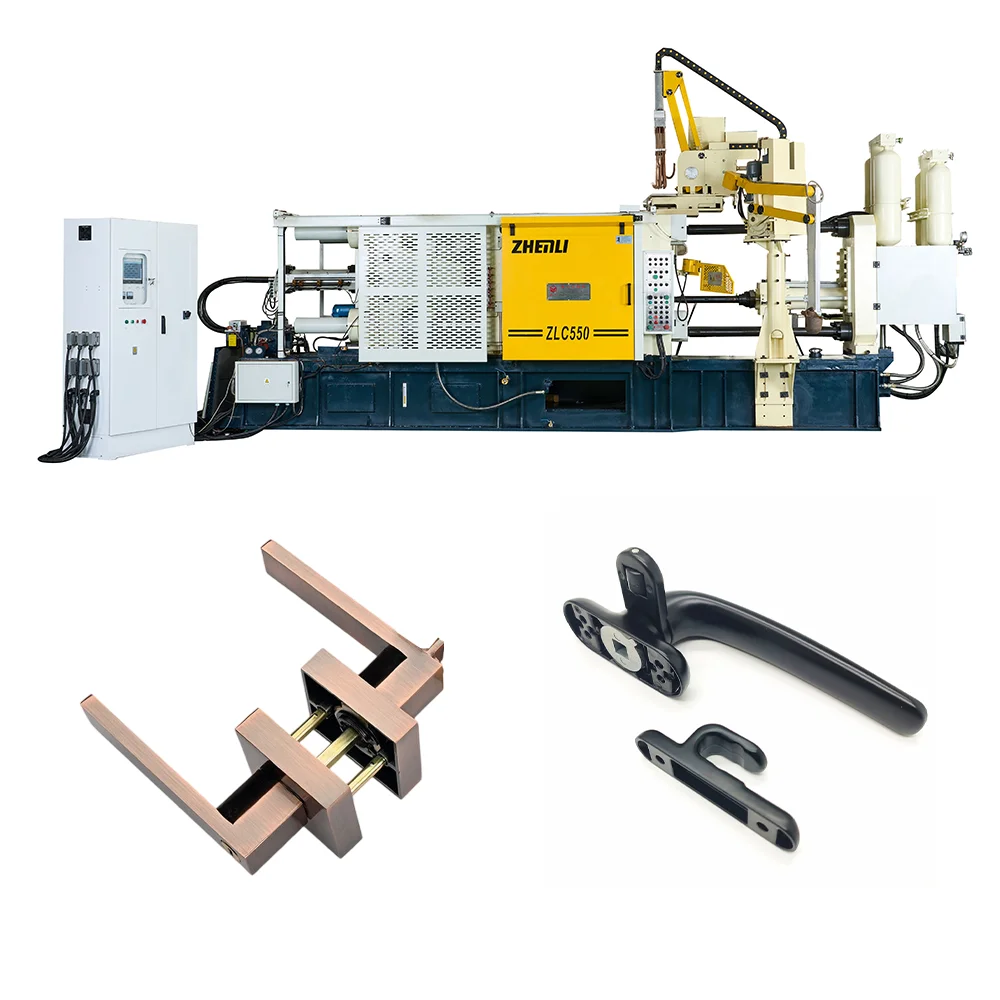
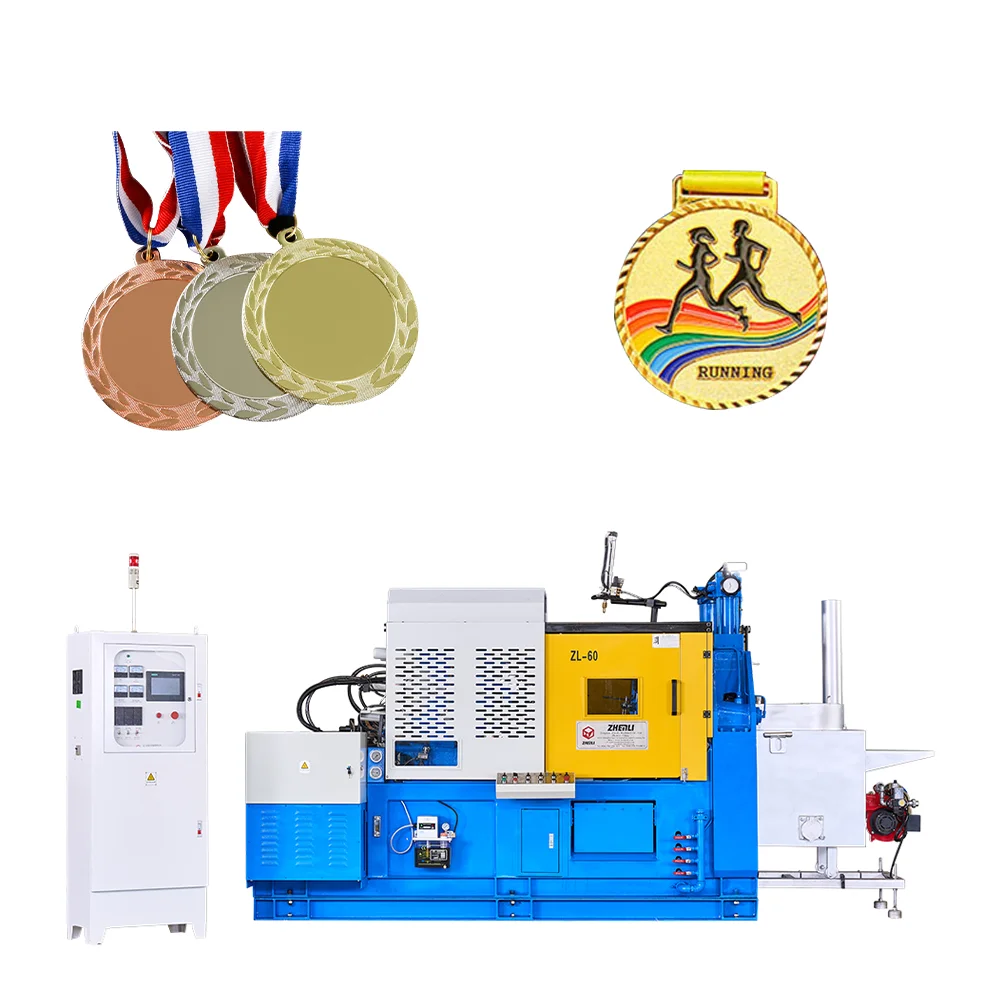
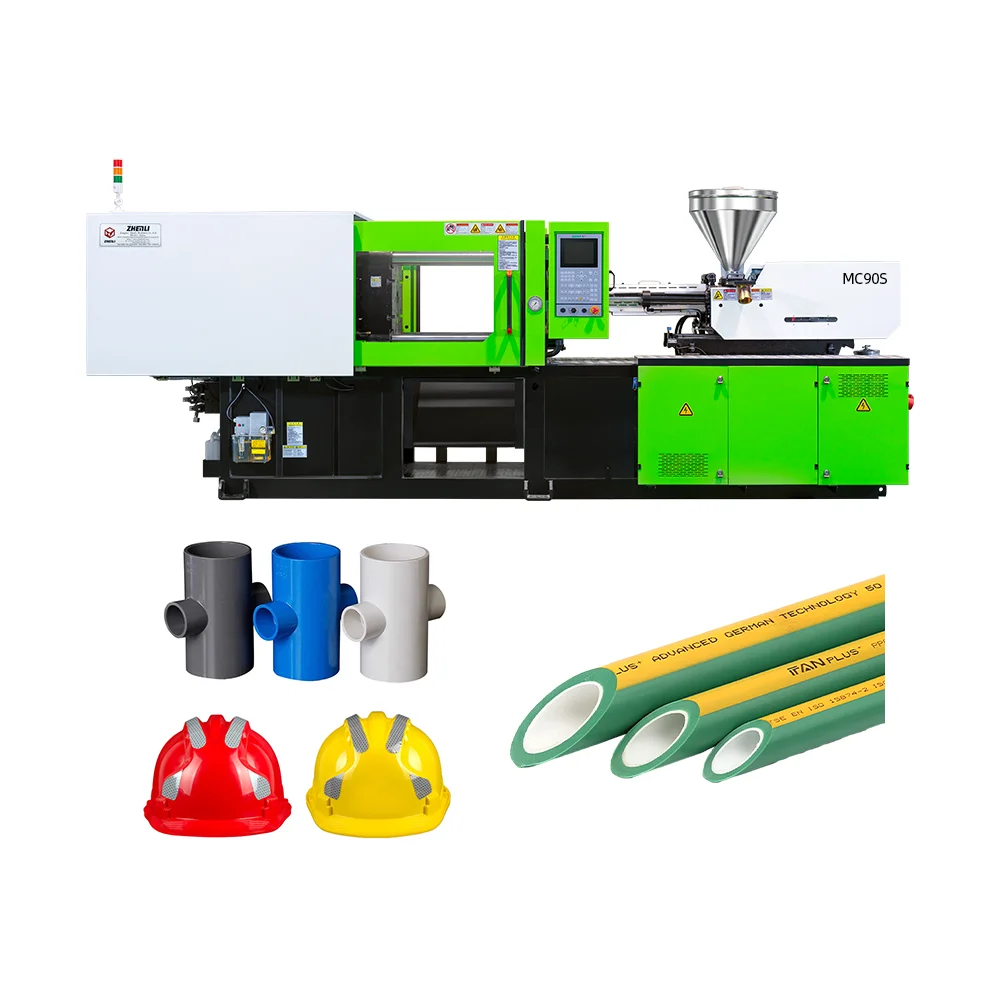
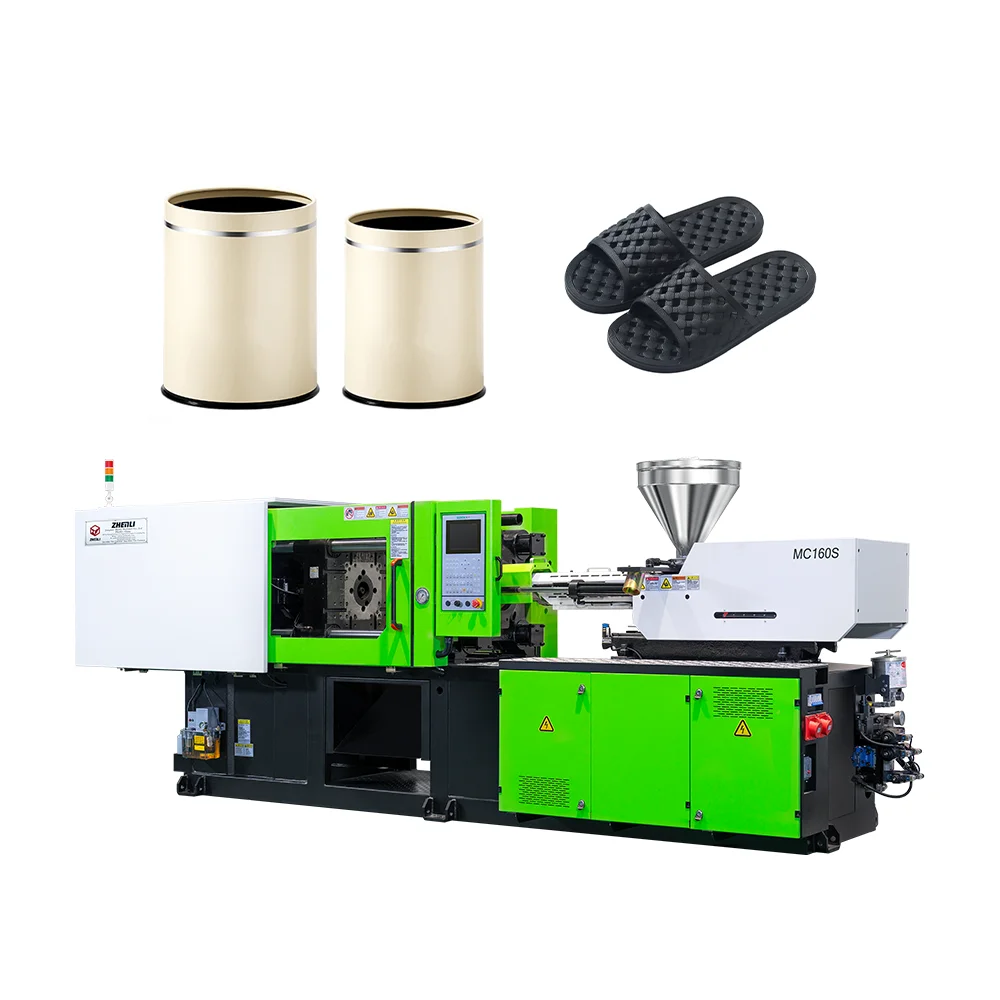
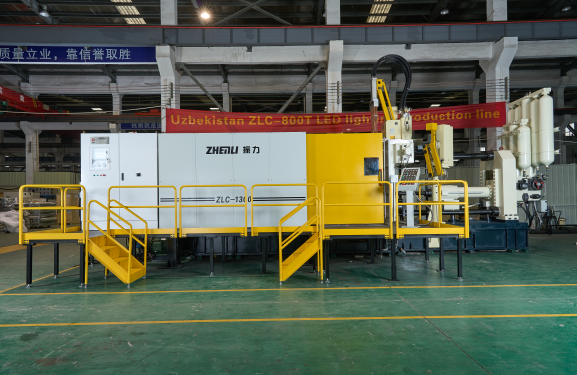
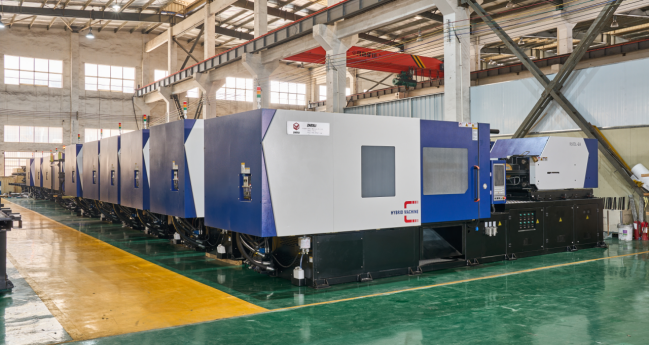
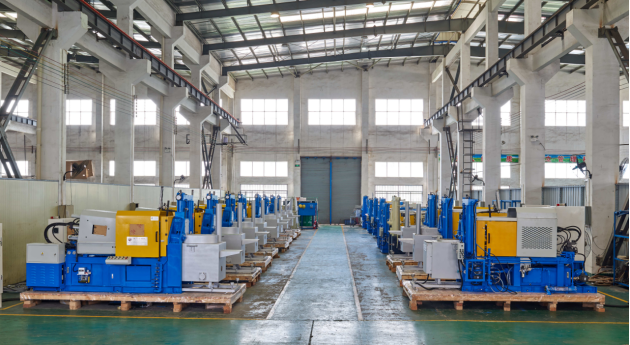
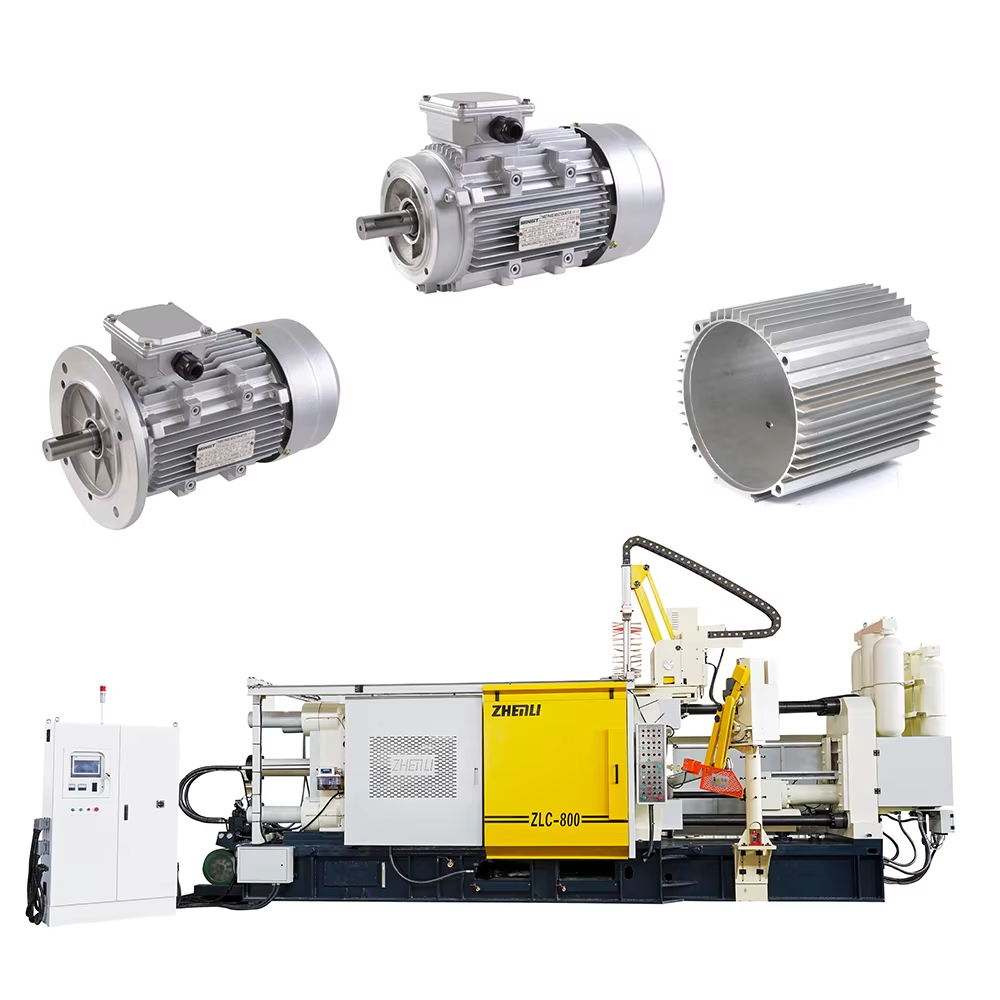
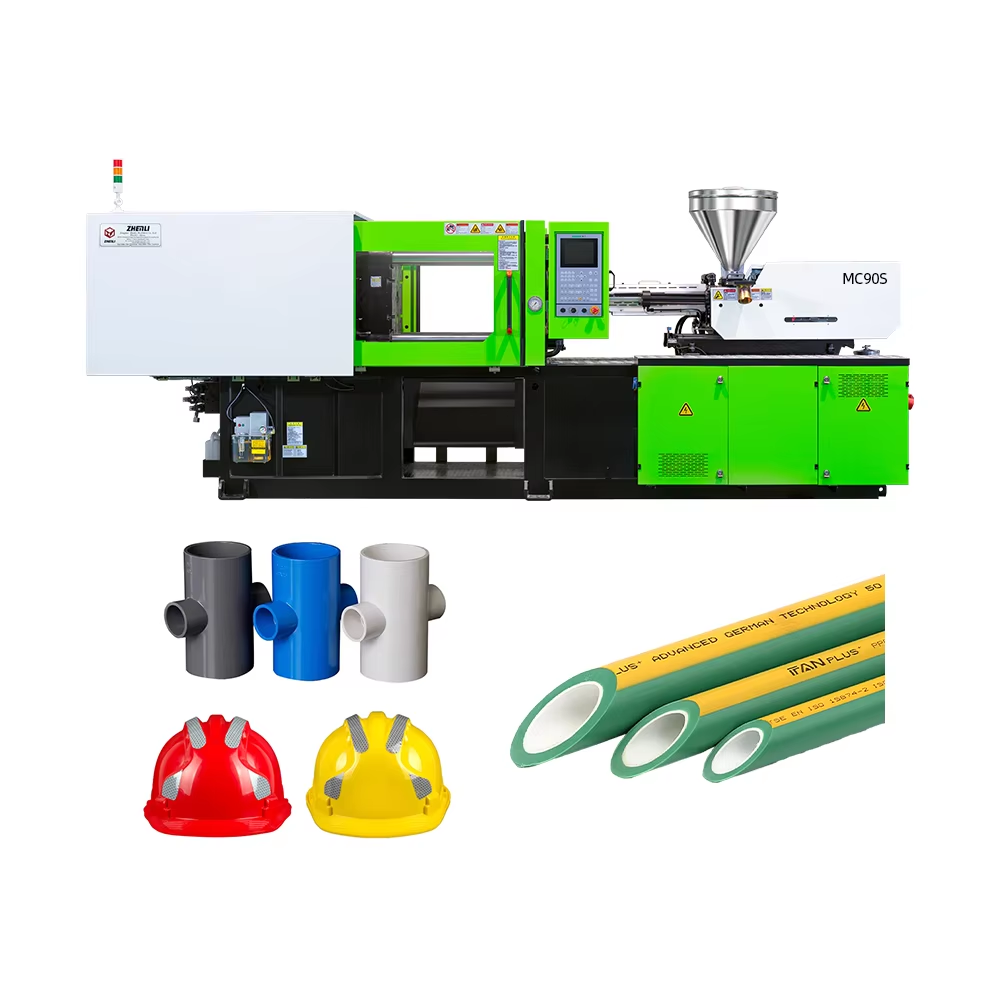
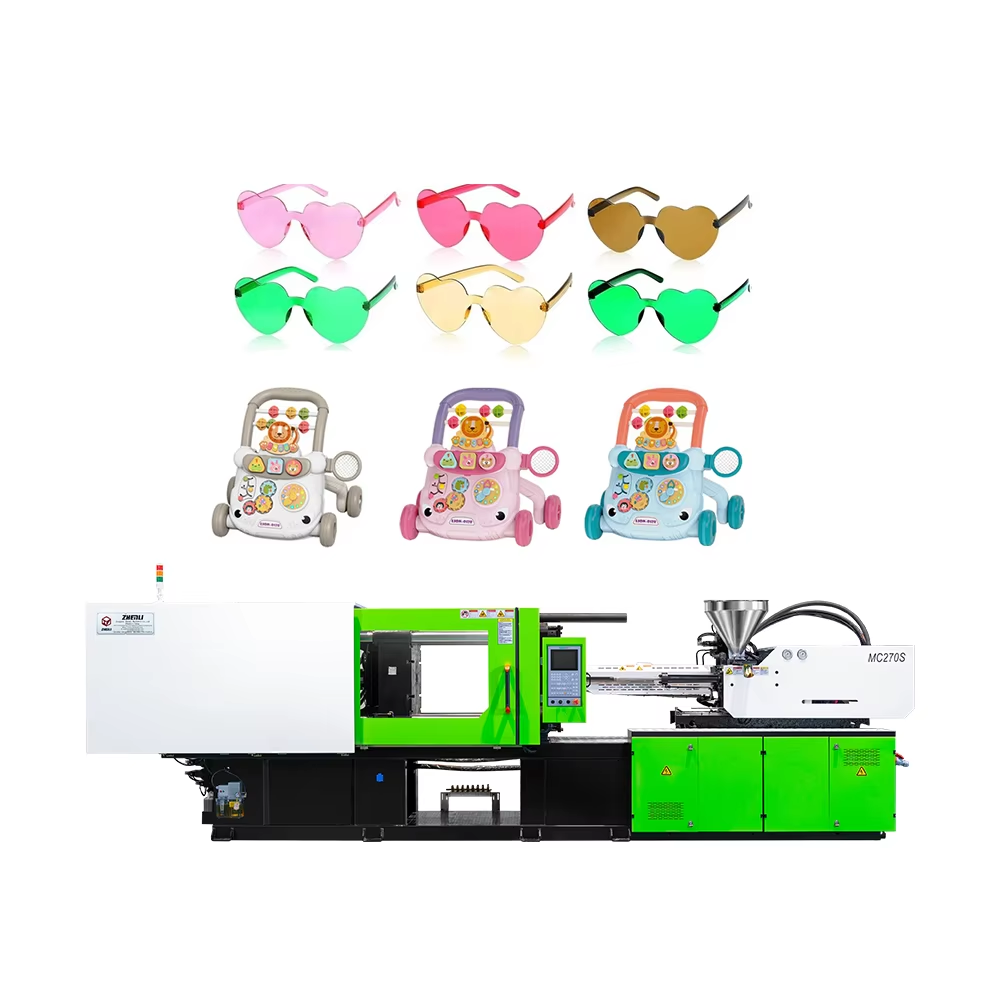
A molding machine for plastic is a specialized industrial tool designed to transform plastic resins (thermoplastics, thermosets, composites) into finished components via diverse molding processes—including injection, extrusion, blow, compression, and rotational molding—catering to industries such as automotive, electronics, packaging, medical devices, and consumer goods. These machines are engineered to address plastic’s unique properties (melting point, viscosity, flow rate) and adapt to diverse production requirements, from small batch prototypes to high volume mass production. Injection molding machines, the most common type of plastic molding machine, feature a heated barrel that melts plastic pellets, a screw that injects molten plastic into a mold cavity at high pressure (50–200 MPa), and a clamping unit (10–5000 tons) that secures the mold during injection. They are available in horizontal (high volume production) and vertical (insert molding) designs, with drive systems including hydraulic (powerful, cost effective), electric (precision, energy efficient), and hybrid (balanced performance). Extrusion molding machines are specialized for continuous profiles—pipes, sheets, cables, and profiles—featuring a single screw extruder that melts and conveys plastic through a die, followed by a cooling system to set the shape. Screw diameters range from 20 to 200 mm, with output rates up to 1000 kg/h, making them ideal for construction, packaging, and automotive industries. Blow molding machines produce hollow parts (bottles, containers, tanks) via extrusion blow (continuous parison) or injection blow (preform based) processes, with multi cavity molds enabling high volume production (up to 2000 bottles/h). Compression molding machines are used for thermoset plastics and composites, applying heat and pressure (10–50 MPa) to mold materials into parts like automotive gaskets and electrical components. Rotational molding machines use centrifugal force to coat the inside of a mold with molten plastic, producing large, hollow parts (tanks, playground equipment) with uniform wall thickness. Key features of modern plastic molding machines include intelligent control systems (Siemens, Fanuc) with real time parameter adjustment (temperature, pressure, speed), recipe storage for 50+ part configurations, and data logging for traceability. Energy efficiency is optimized via variable frequency drives, heat recovery systems, and electric drives—reducing power consumption by 25–40%. Safety features comply with global standards (CE, OSHA, ISO 13849), including safety fences, emergency stops, and interlocks. Customization options include specialized material handling (dryers for moisture sensitive resins), automation integration (robotic part extraction, inline inspection), and mold compatibility adaptations. Leading manufacturers offer one stop service, including technical consulting to select the right molding process, mold design support, sample production, on site installation and commissioning, operator training, and global after sales support. Whether producing small electrical connectors, large plastic tanks, or precision medical devices, molding machines for plastic deliver the versatility, efficiency, and quality required to meet the diverse needs of global plastic manufacturing.
 EN
EN