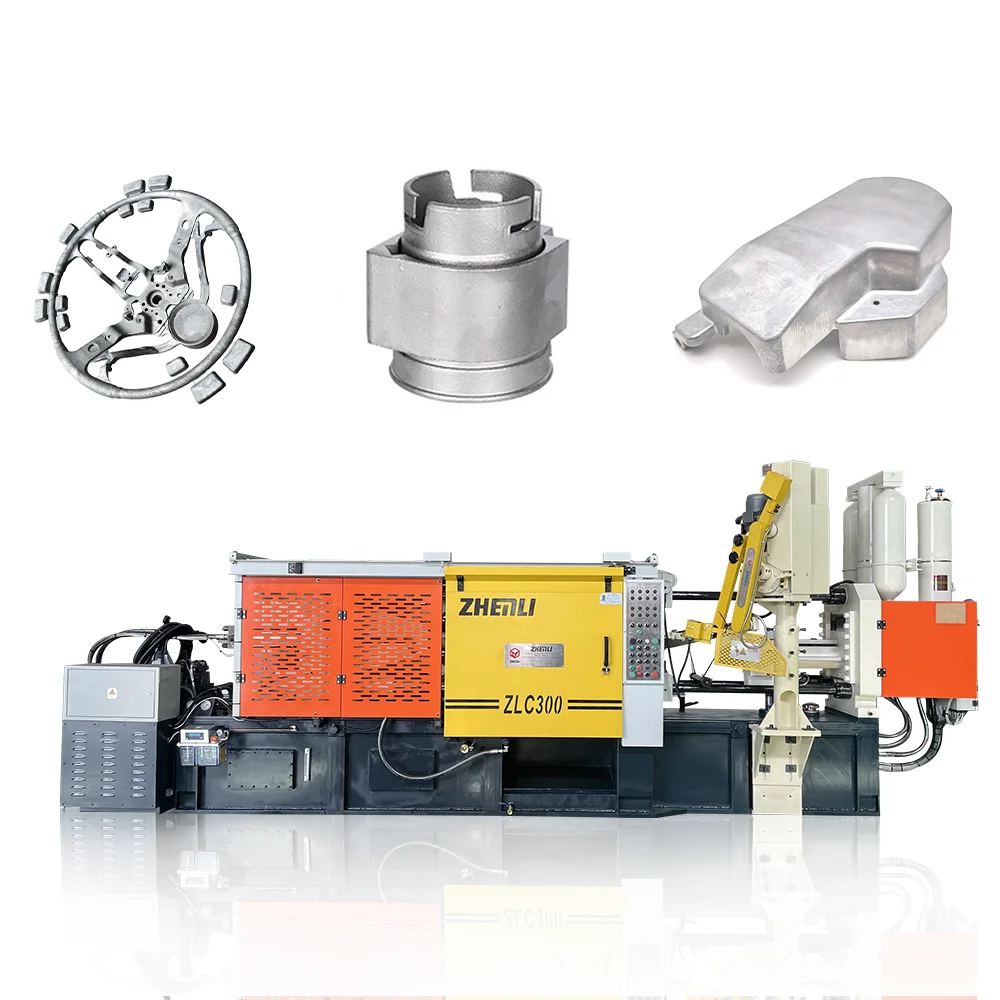
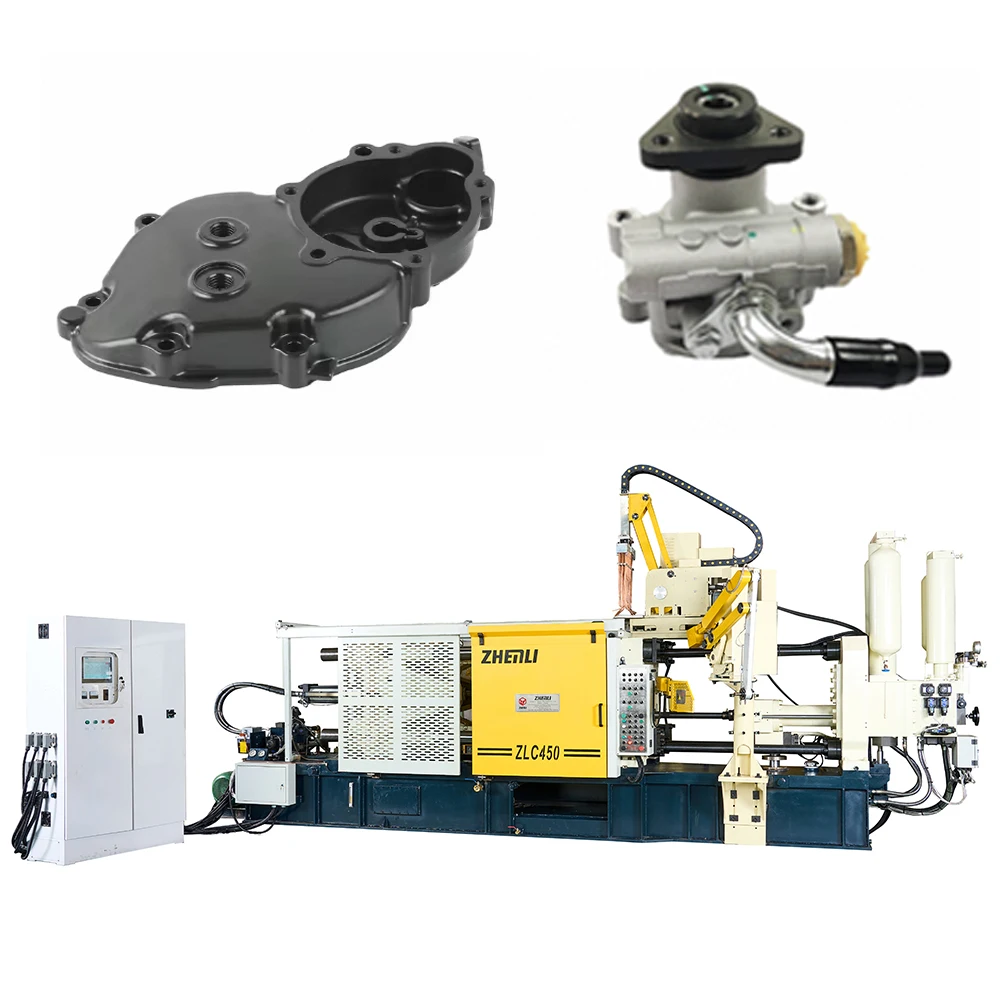
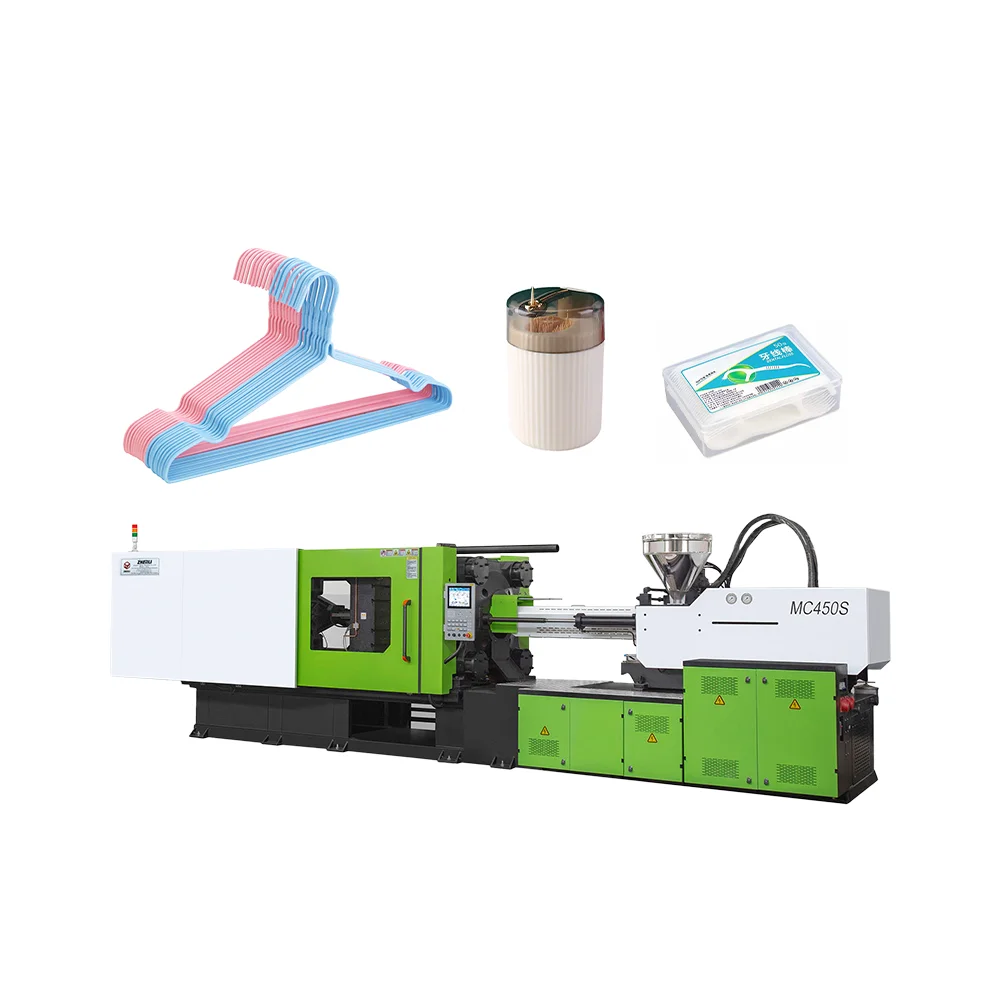
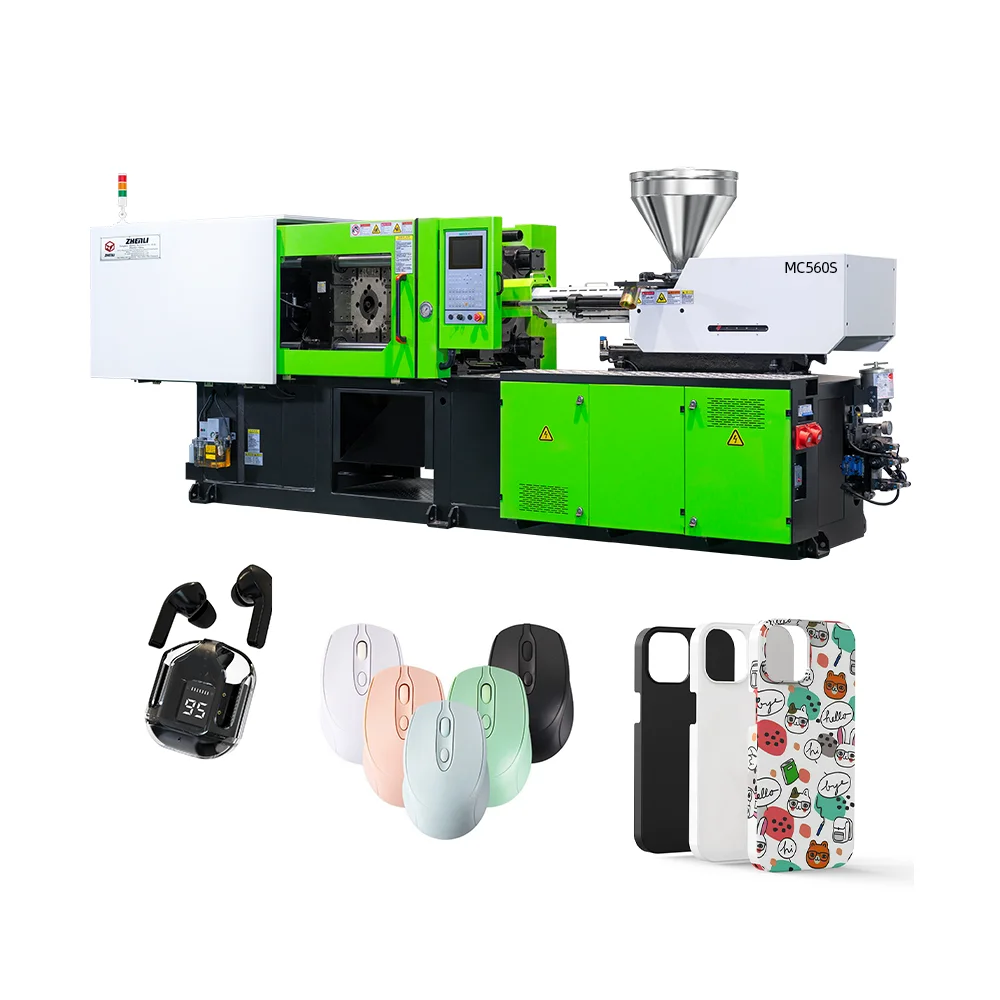
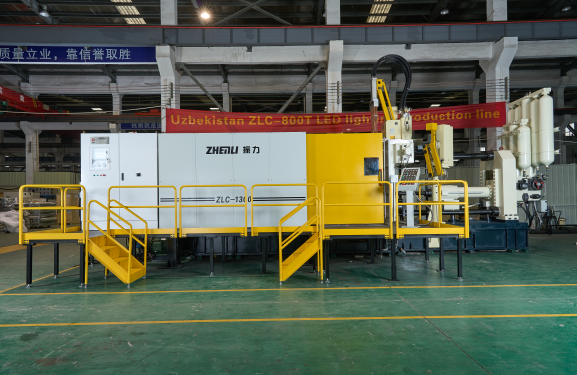
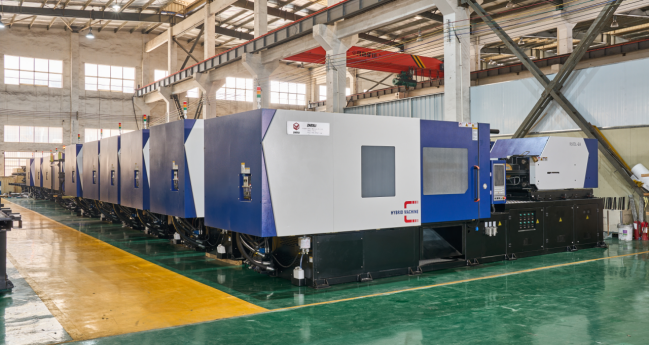
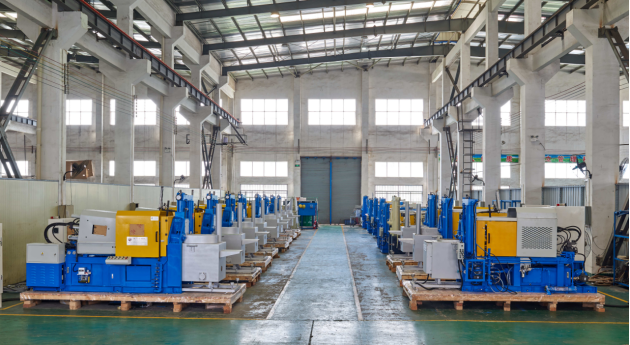
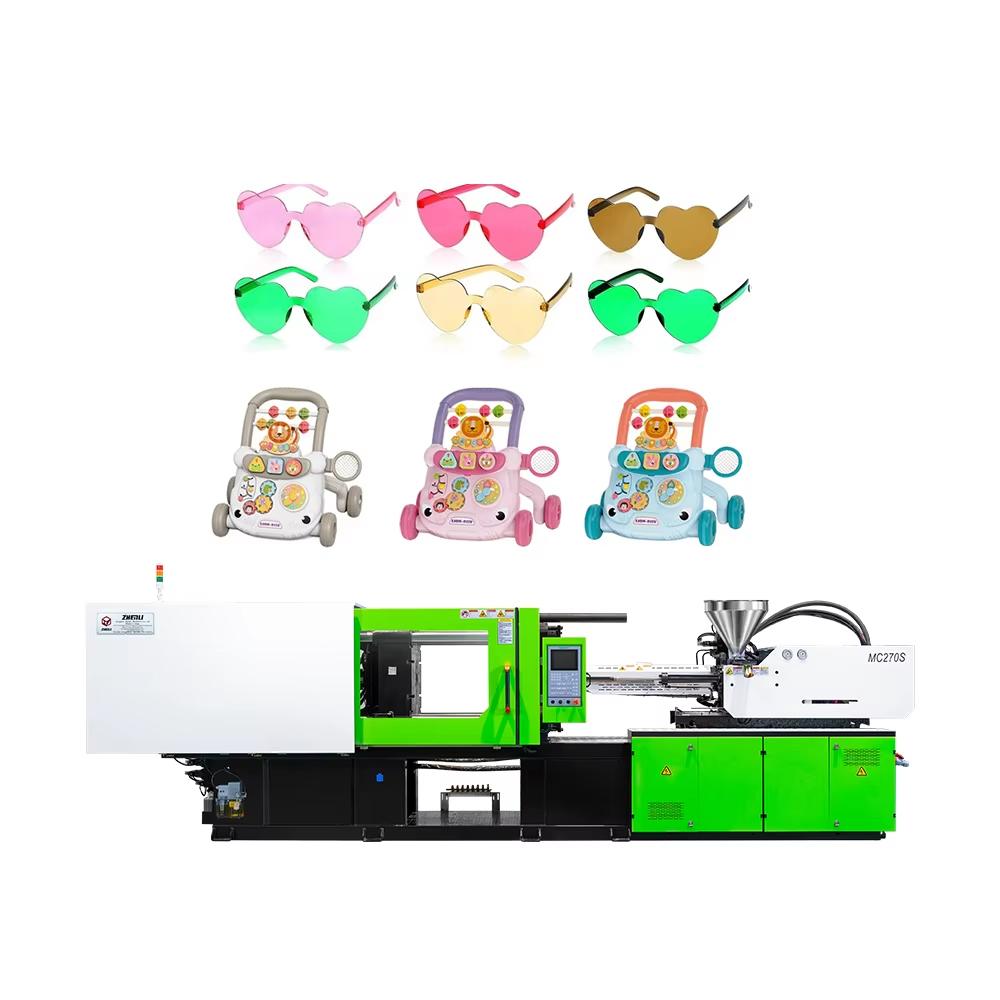
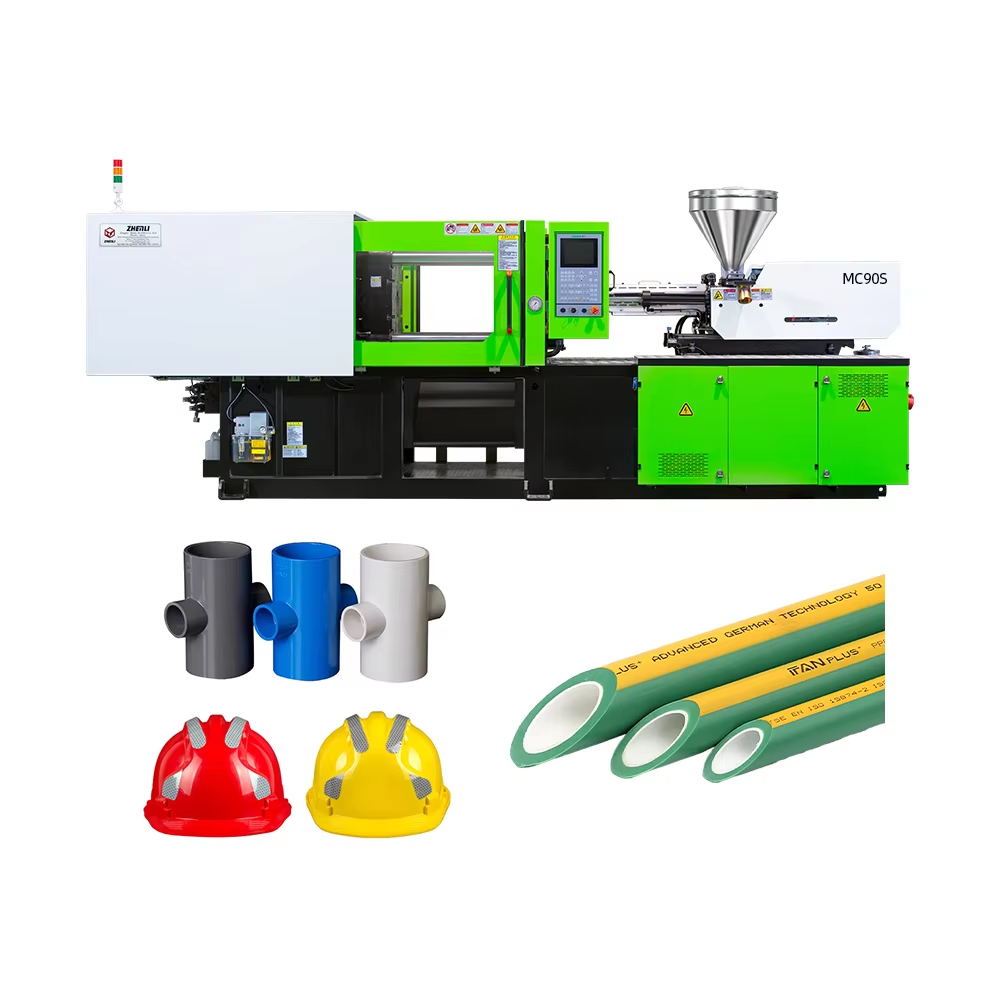
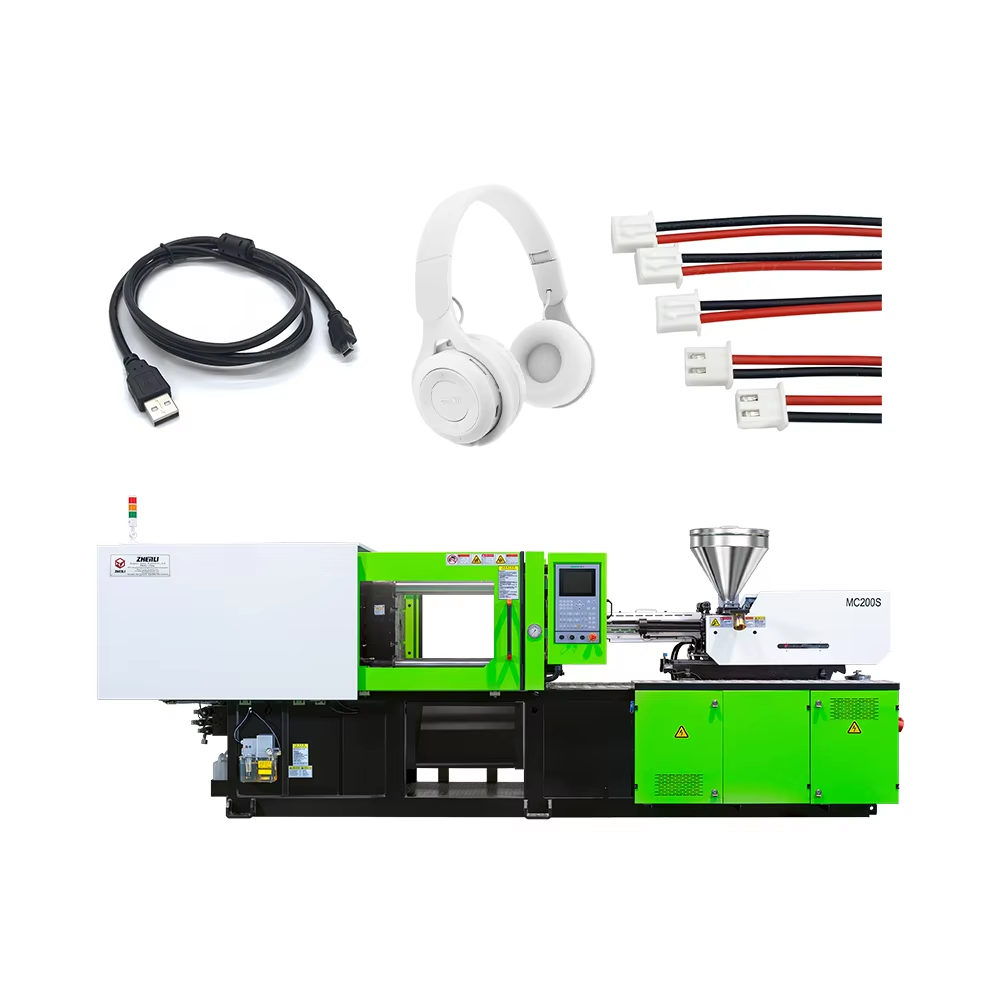
A molding machine injection (injection molding machine) is a precision engineered industrial system designed to produce high volume, complex components by injecting molten material (plastics, metals, silicone, composites) into a closed mold cavity—setting the standard for efficiency and accuracy in modern manufacturing. This machine’s design is optimized to handle the unique challenges of injection molding, including precise temperature control, uniform material mixing, high pressure injection, and consistent mold clamping—all while minimizing defects and maximizing productivity. The machine’s material handling system begins with a hopper that feeds raw material (pellets, powder) into a heated barrel, where optional pre drying ensures moisture sensitive materials (e.g., PET, nylon) are processed without degradation. The barrel, equipped with zone heating elements (±1°C accuracy), melts the material gradually as it is conveyed by a rotating screw—ensuring complete melting and homogenization. The screw’s flight design is tailored to the material: high shear flights for mixing plastics, low shear for shear sensitive silicone, and hardened steel flights for abrasive metal powders. Once molten, the screw acts as a plunger to inject the material into the mold cavity at controlled pressures (50–200 MPa) and speeds (0.5–15 m/s)—critical for filling intricate mold details and thin walls (1–2 mm) without air entrapment or shrinkage. The clamping unit, the machine’s backbone, delivers clamping force (10–5000 tons) to secure the mold during injection—preventing flash and maintaining dimensional accuracy (tolerance ±0.02 mm). Driven by hydraulic, electric, or hybrid systems, the clamping unit features precise platen movement (±0.01 mm positioning) and quick mold changeover capabilities (15–30 minutes) to support flexible production. After injection, the mold remains closed during the cooling phase, where a temperature controlled cooling system (water or air) solidifies the material—with cooling time optimized via the machine’s control system to balance cycle time and part integrity. The intelligent control system (Siemens, Fanuc) serves as the machine’s nerve center, enabling real time monitoring of temperature, pressure, speed, and cycle time. It stores 50–100 process recipes for quick changeovers, supports data logging for traceability, and integrates predictive maintenance alerts to minimize downtime. Safety features comply with global standards (CE, OSHA, ISO 13849), including safety interlocks, emergency stop buttons, pressure relief valves, and enclosed processing areas. Energy efficiency is a key focus, with modern machines incorporating variable frequency drives, regenerative power systems, and heat recovery—reducing energy consumption by 25–40%. Customization options include multi cavity mold compatibility, specialized injection nozzles for micro injection, automation integration (robotic part extraction, inline inspection), and cleanroom modifications for medical applications. Leading manufacturers offer end to end support, including technical consulting, mold design optimization, sample production, on site installation, operator training, and 24/7 after sales service. Whether producing automotive components, electronic enclosures, medical devices, or consumer goods, molding machine injection delivers the precision, scalability, and reliability required to excel in competitive global markets.
 EN
EN