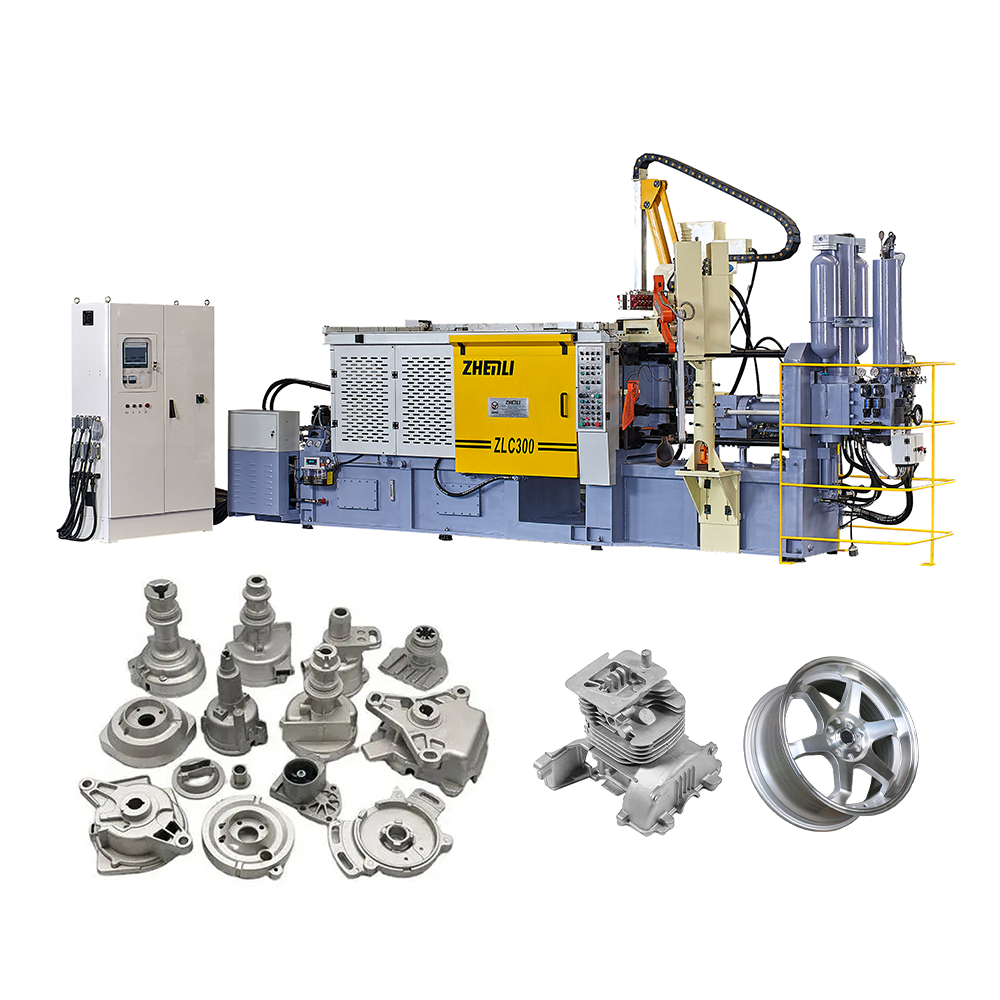
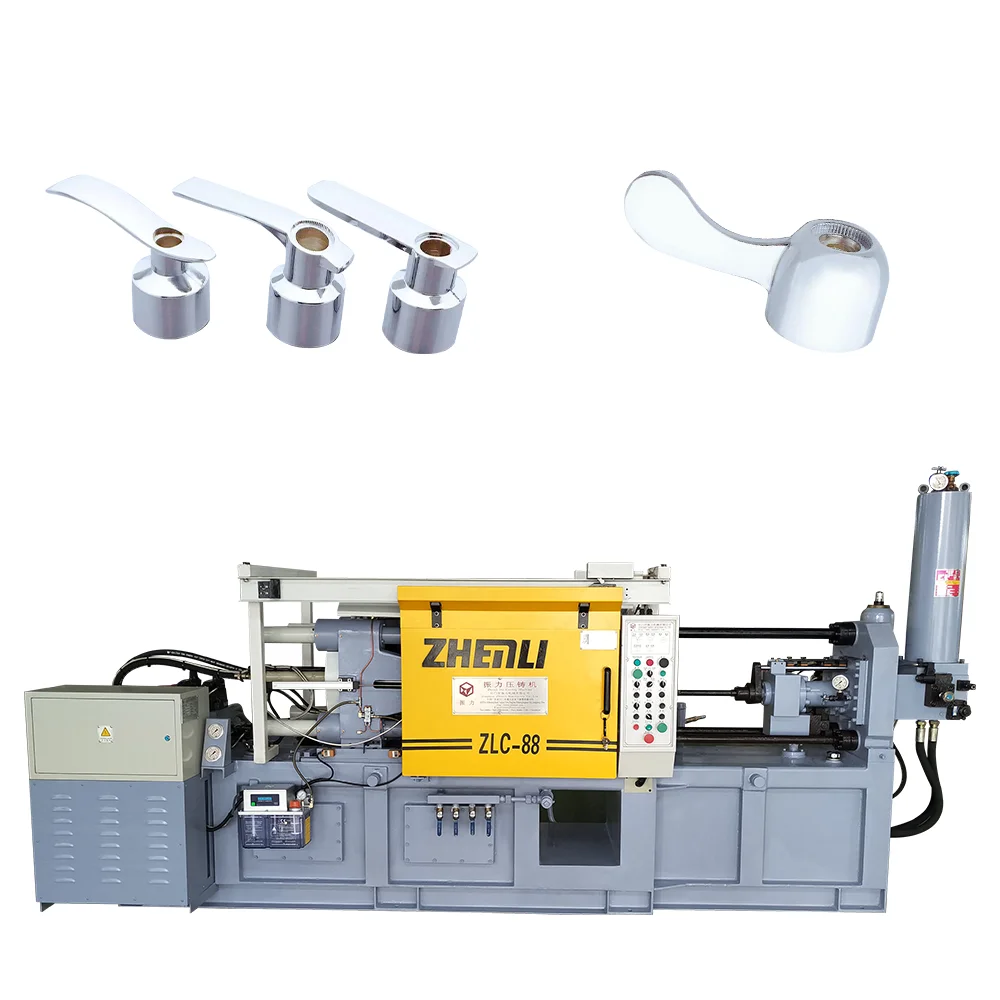
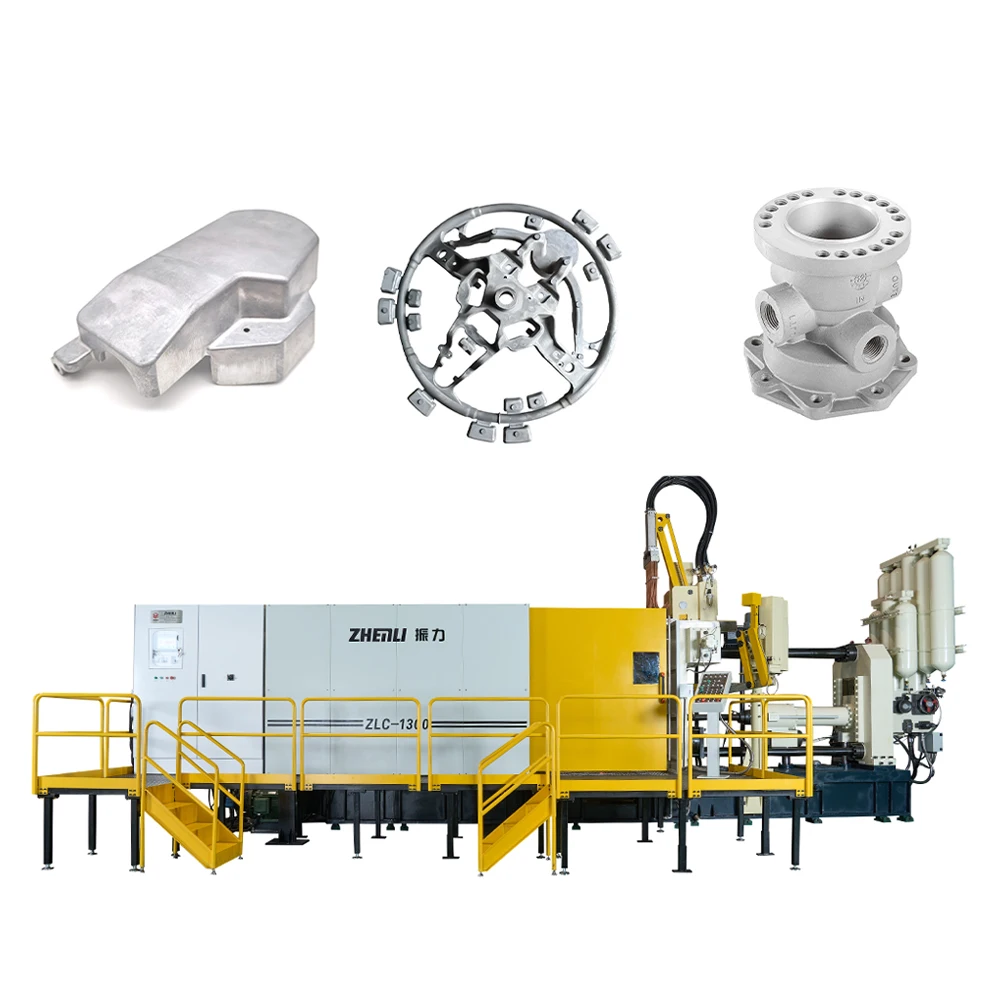
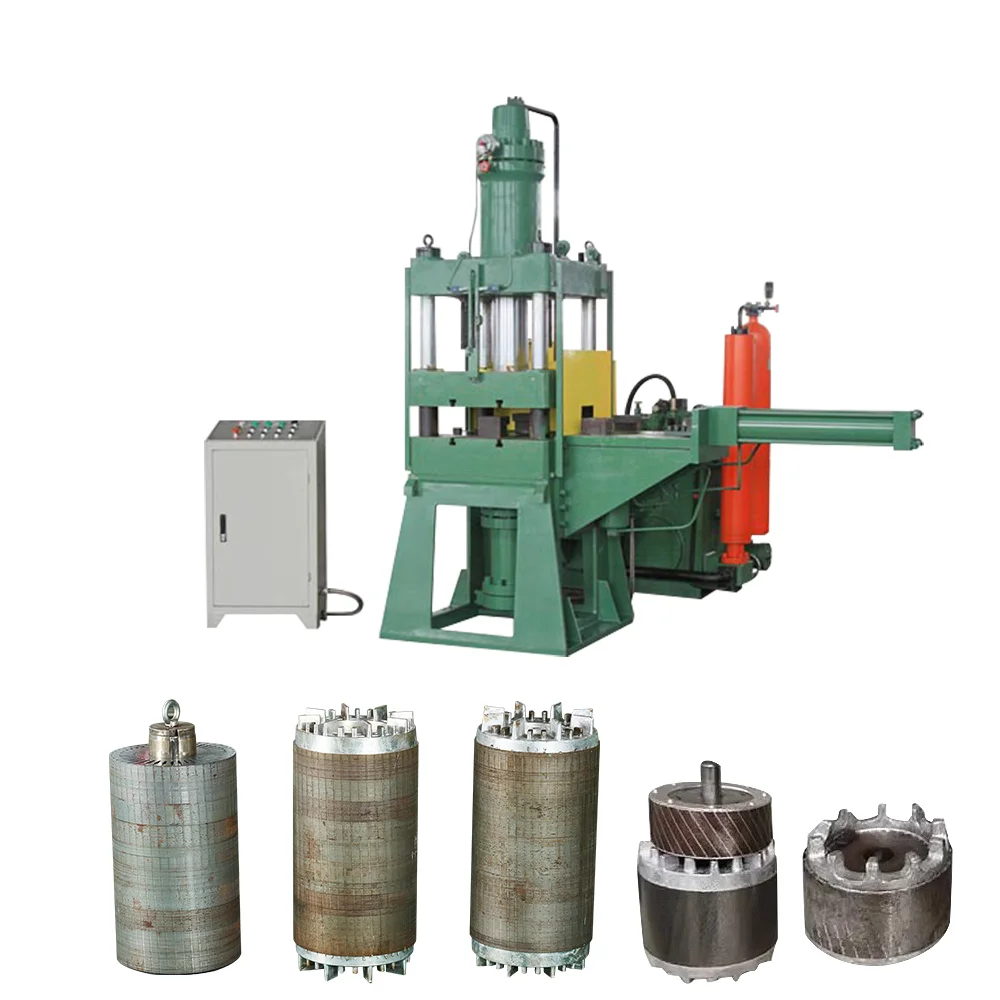
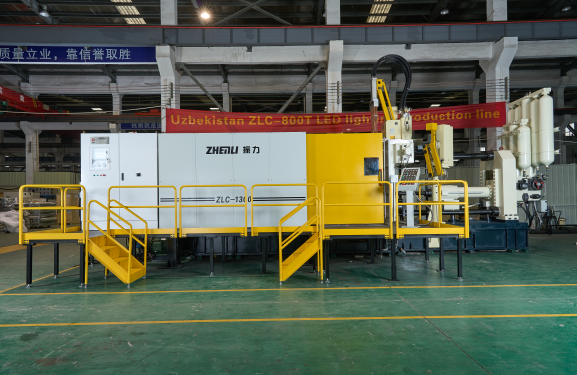
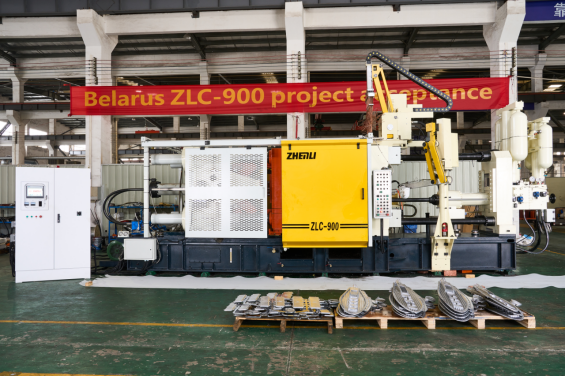
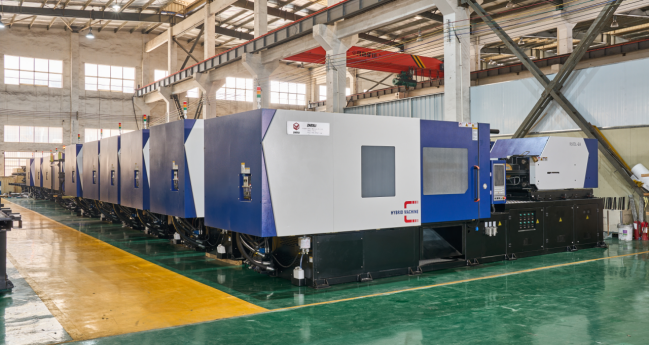
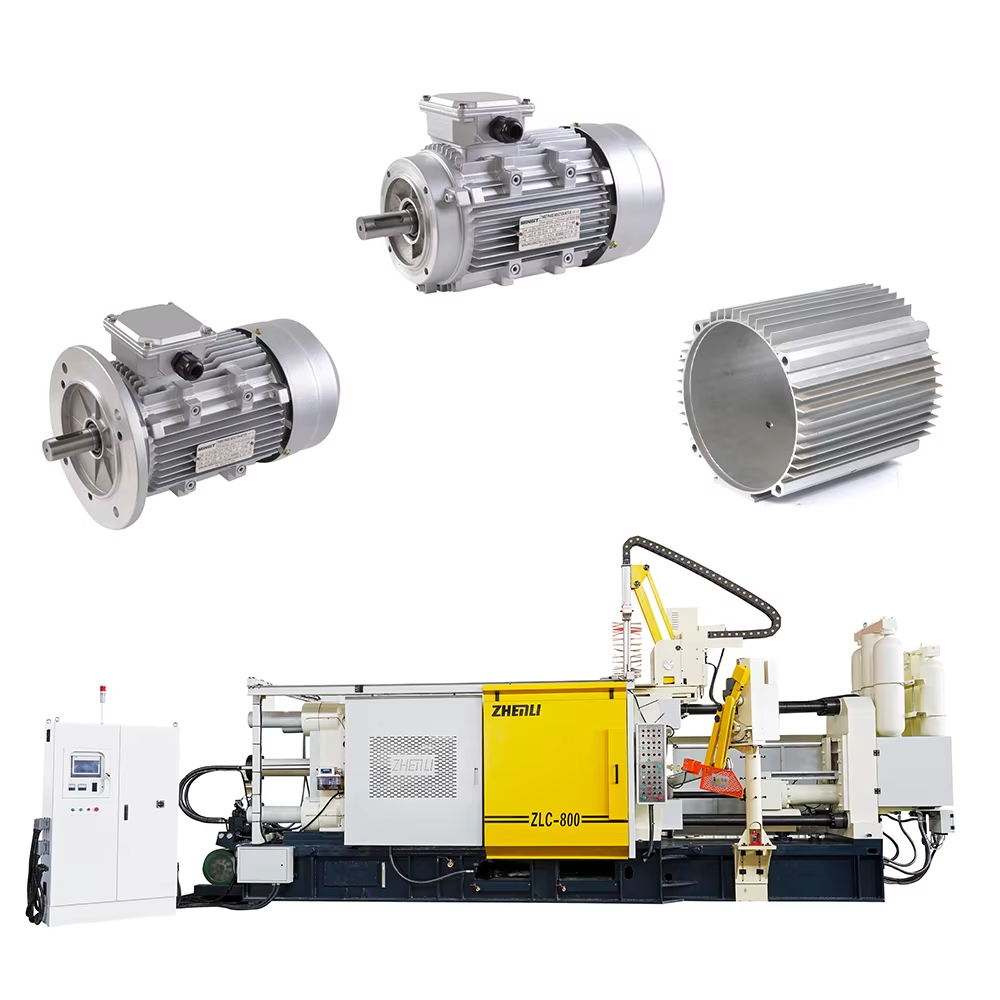
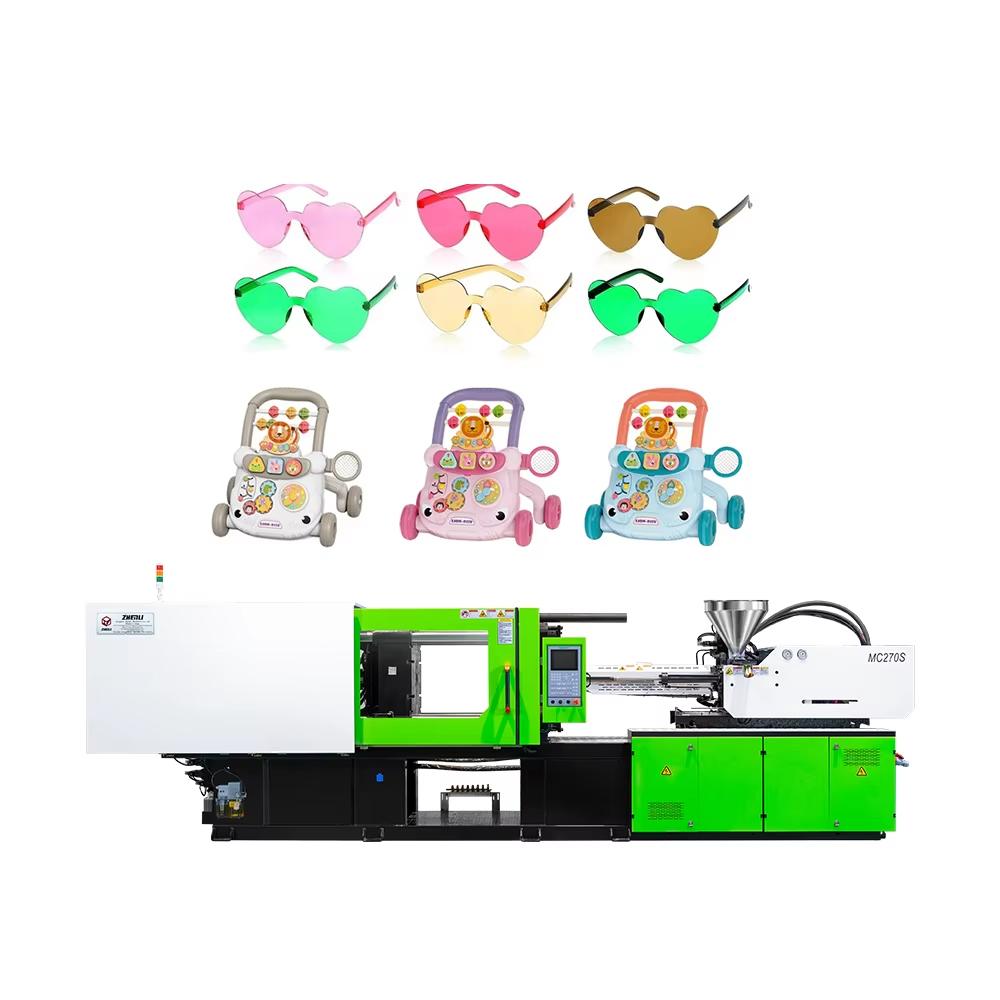
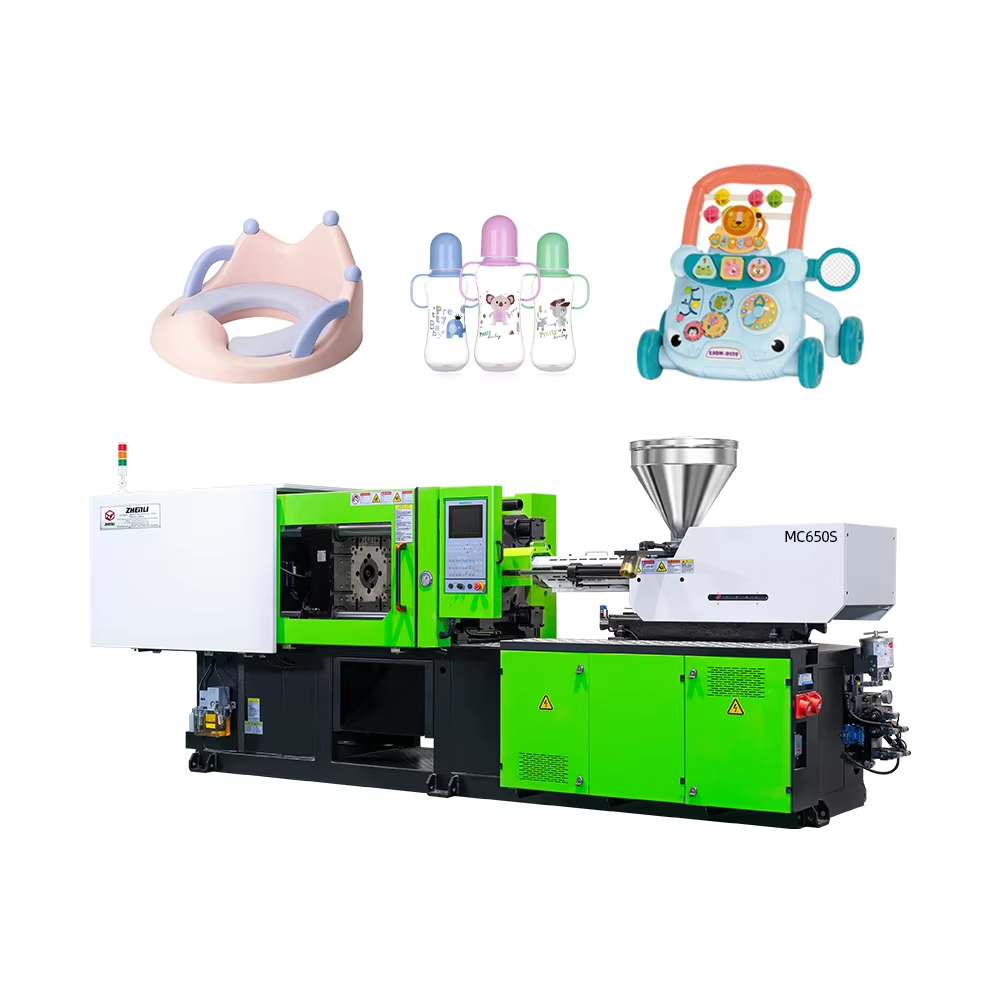
Horizontal injection machine is the most common type of injection molding machine, defined by its horizontal alignment of the injection unit and mold clamping system—offering unparalleled versatility, efficiency, and scalability for manufacturing plastic, metal, and composite components. These machines dominate industrial production lines across industries, from automotive and electronics to packaging and medical devices, due to their ability to handle diverse materials, part sizes, and production volumes. The horizontal design’s key advantage is its compatibility with automation: robotic arms can easily access the mold area to extract parts, trim runners, or insert components (insert molding), reducing cycle times and labor costs. The mold clamping unit, available in tonnages from 10 to 5000 tons, features a fixed platen (mounted to the machine frame) and a moving platen (driven by servo hydraulic, electric, or hybrid drives) that secures the mold with uniform clamping force—ensuring ±0.01 mm positioning accuracy to prevent flash and maintain dimensional consistency (tolerance ±0.02 mm). The injection unit, mounted horizontally on the same axis as the mold, includes a heated barrel with zone temperature control (±2°C) and a screw (single or twin) that melts and homogenizes raw material (plastic pellets, metal powder feedstock). The screw design varies by material: high shear screws for mixing plastics, low shear screws for metal feedstocks, and specialized screws for engineering plastics (e.g., PEEK, nylon) or biodegradable materials (e.g., PLA). The injection system delivers molten material at controlled speeds (0.1–15 m/s) and pressures (10–200 MPa), ensuring complete filling of complex mold geometries (internal channels, thin walls as low as 0.5 mm). Equipped with an advanced intelligent control system (Siemens, Fanuc, ARCUCHI), the machine offers real time monitoring of key parameters (barrel temperature, injection pressure, mold temperature, cycle time), recipe storage for 50–100 part configurations, and data logging for SPC and traceability. Energy efficiency is a key design focus, with electric and hybrid drives reducing power consumption by 25–35% compared to traditional hydraulic models. Safety features include safety fences, light curtains, emergency stop buttons, pressure relief valves, and interlocks that prevent operation when the mold is open—complying with CE, OSHA, and ISO 13849 standards. Customization options include multi cavity mold compatibility (up to 128 cavities for small parts), specialized injection units for high temperature materials, and integration with downstream equipment (conveyors, packaging machines). Leading manufacturers offer one stop service, including technical consulting to optimize part design for injection molding, mold compatibility testing, sample production, on site installation and commissioning, operator training, and 24/7 after sales support with regional spare parts warehouses. Whether producing high volume plastic bottles, precision automotive components, or medical devices, horizontal injection machines deliver consistent quality, high productivity, and cost effectiveness—making them the backbone of modern manufacturing.
 EN
EN