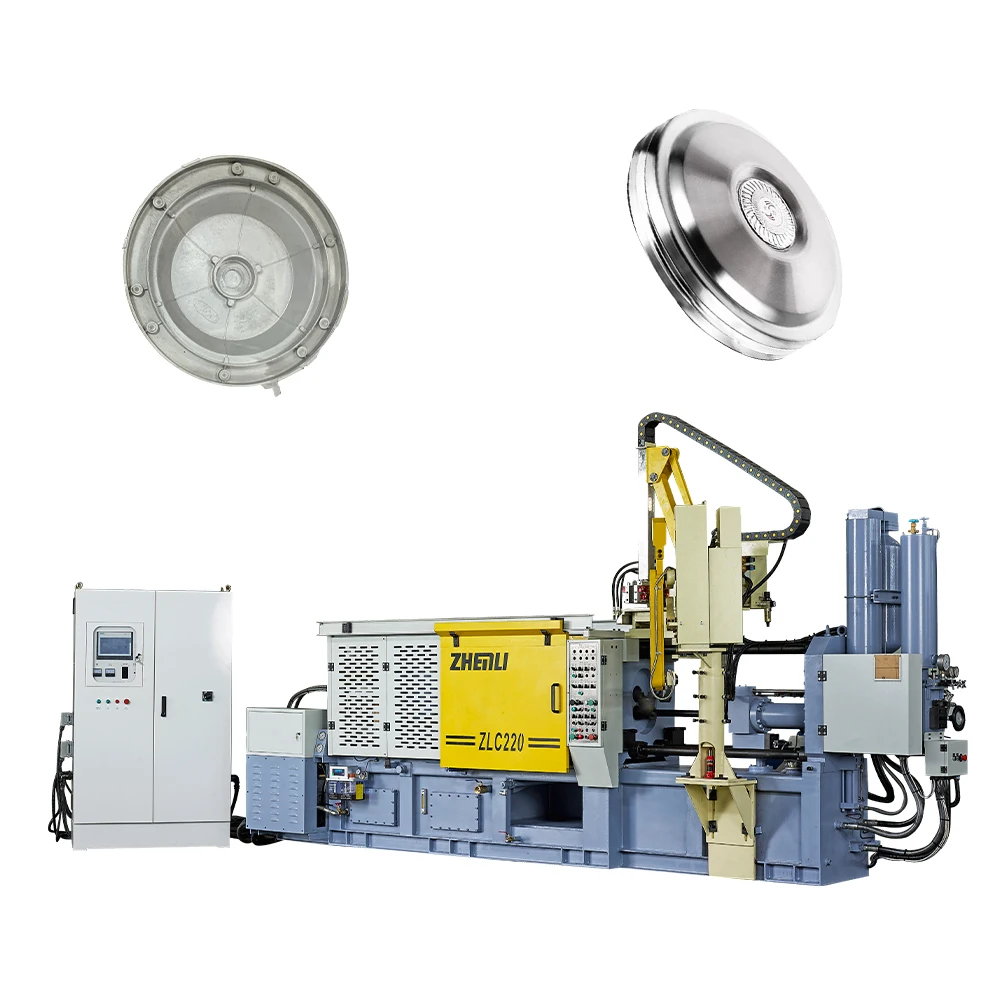
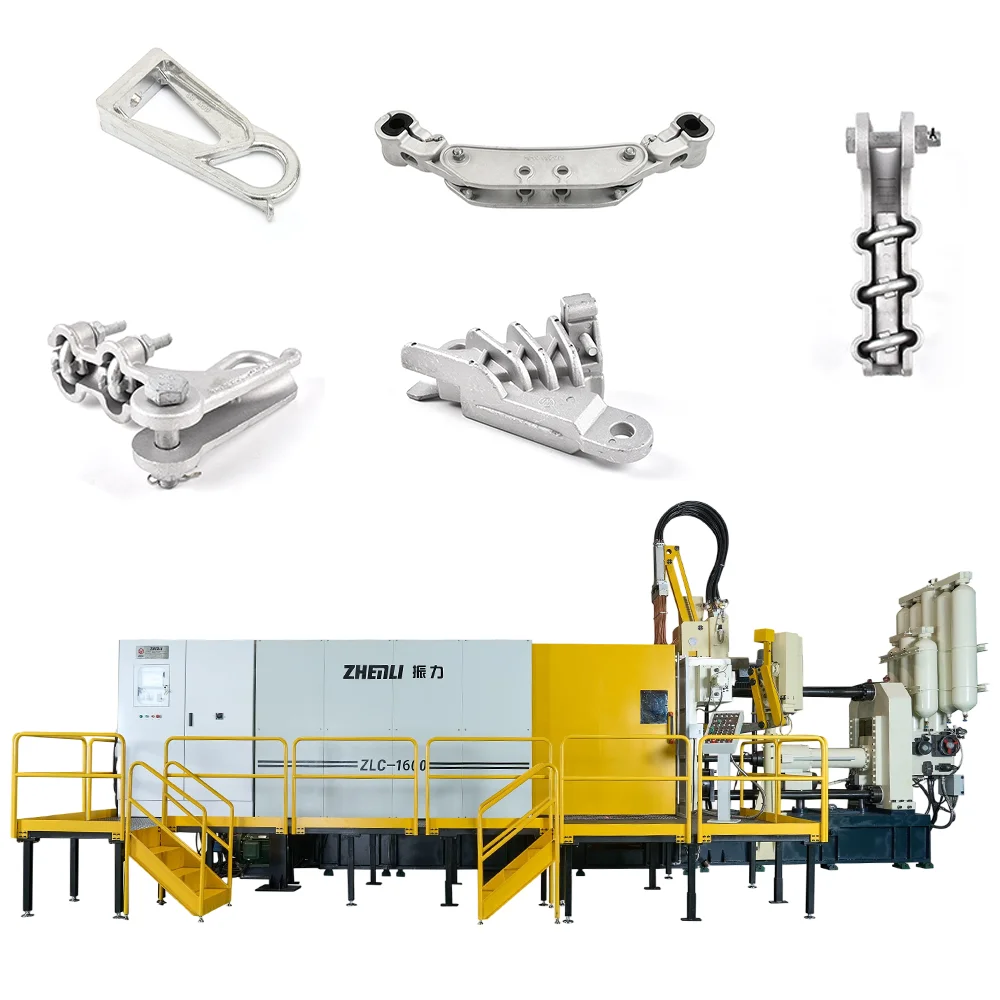
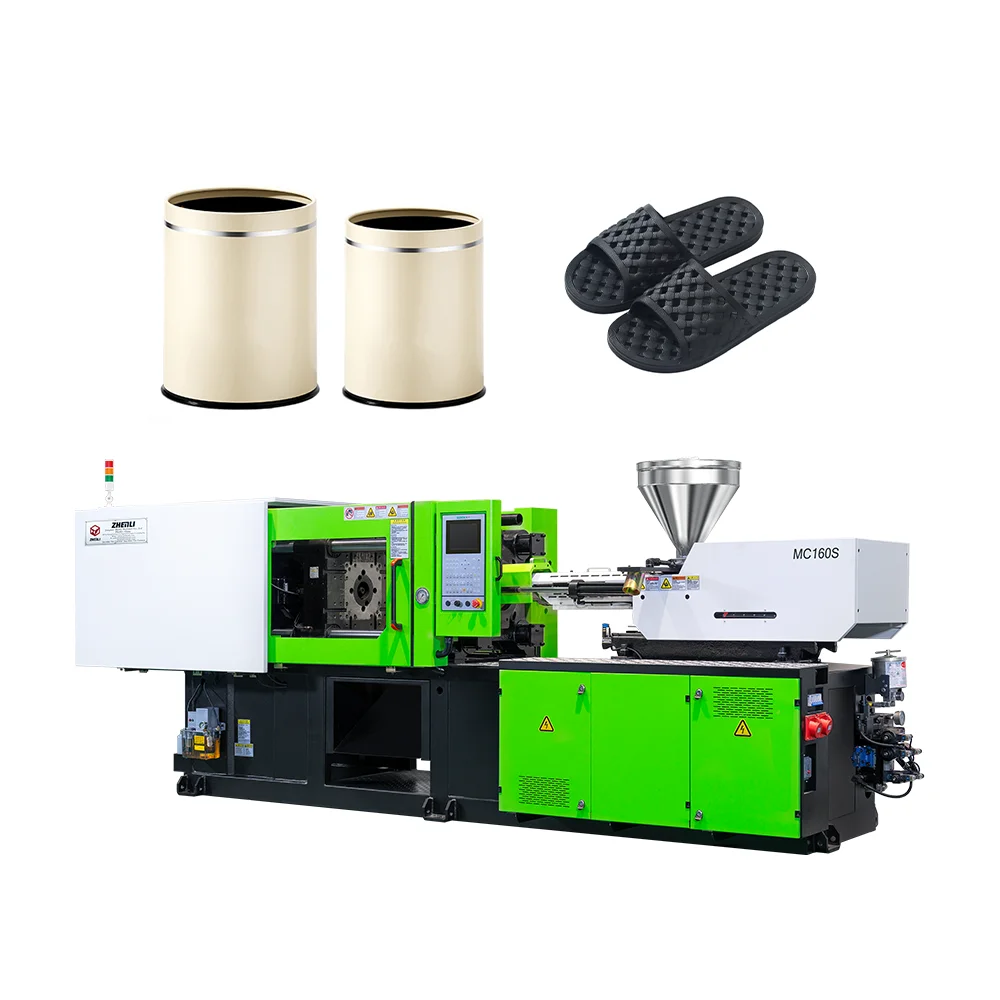
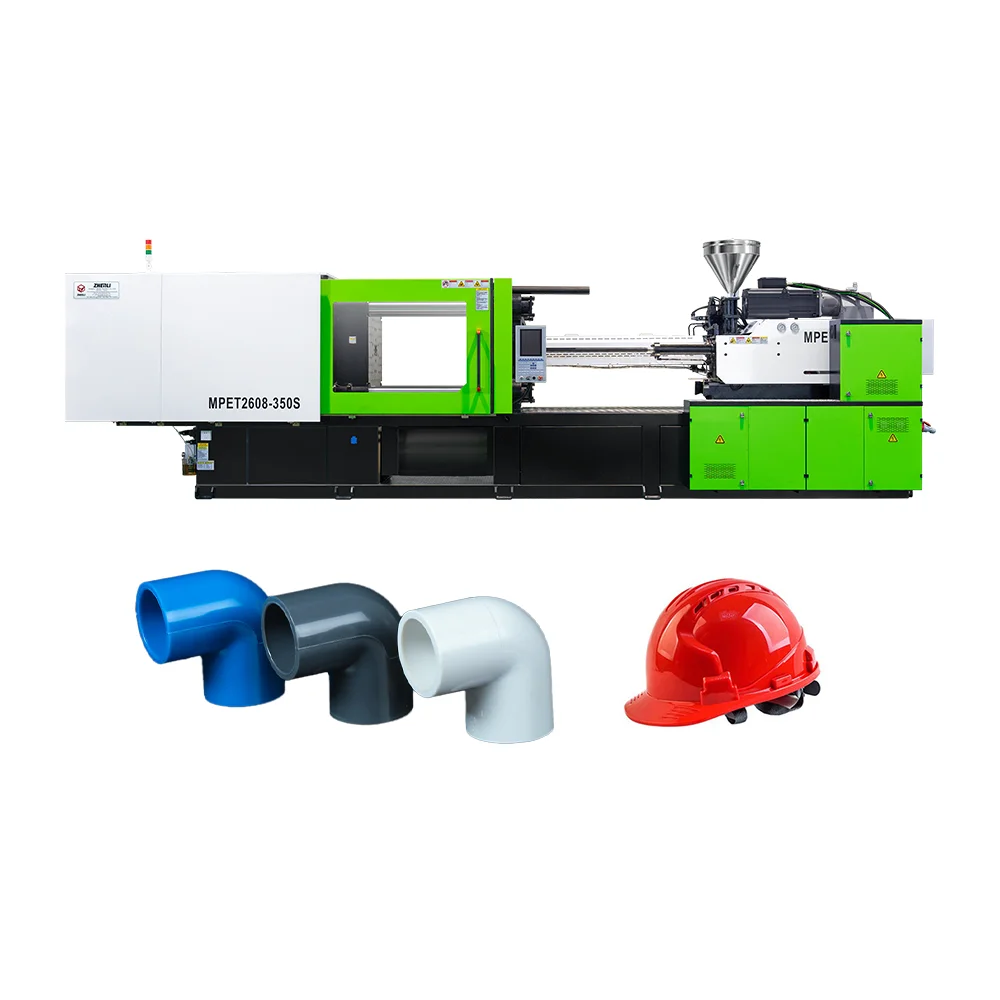
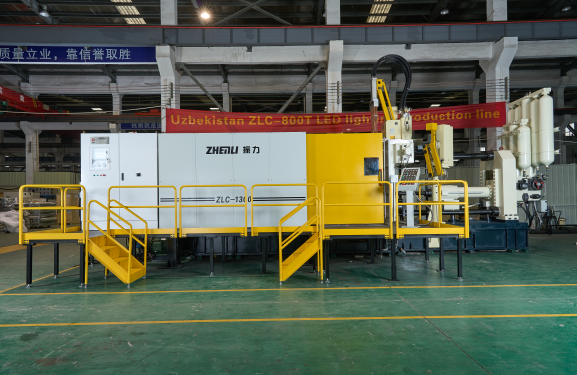
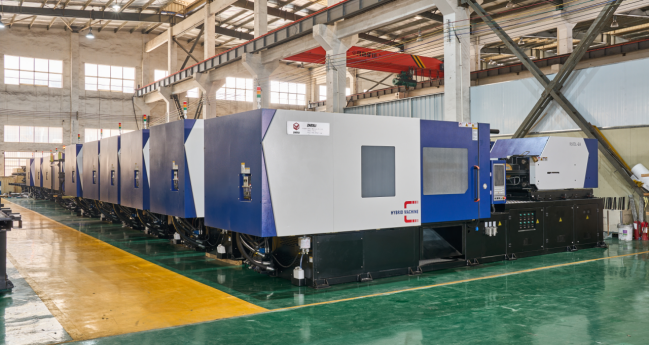
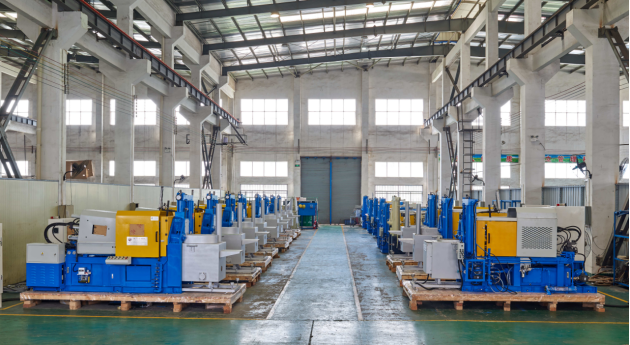
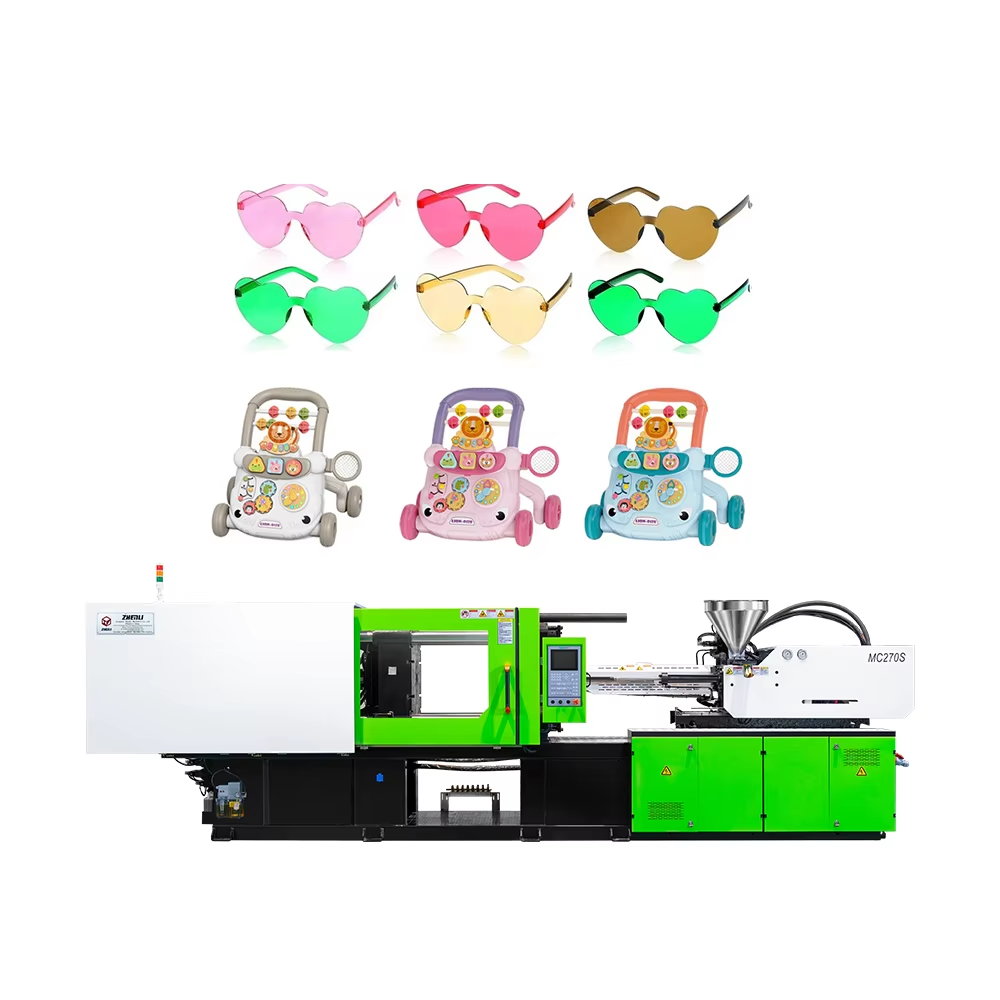
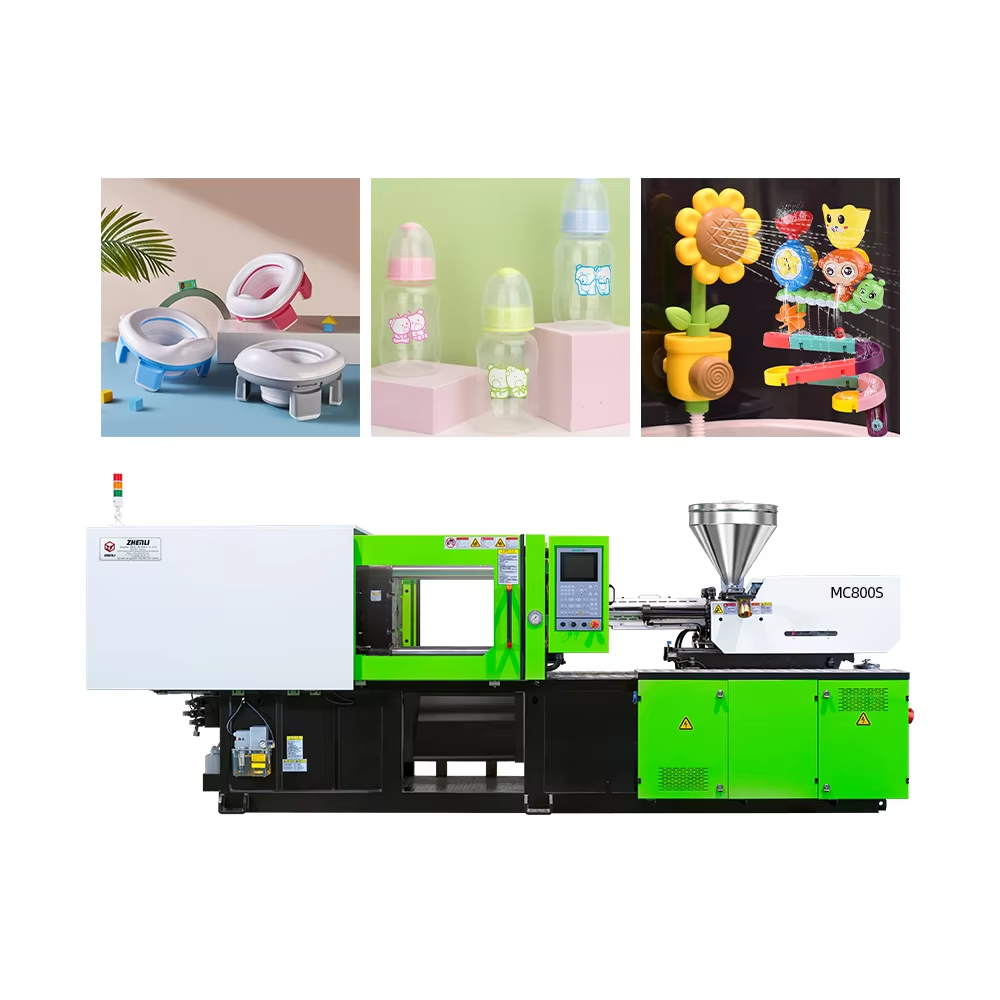
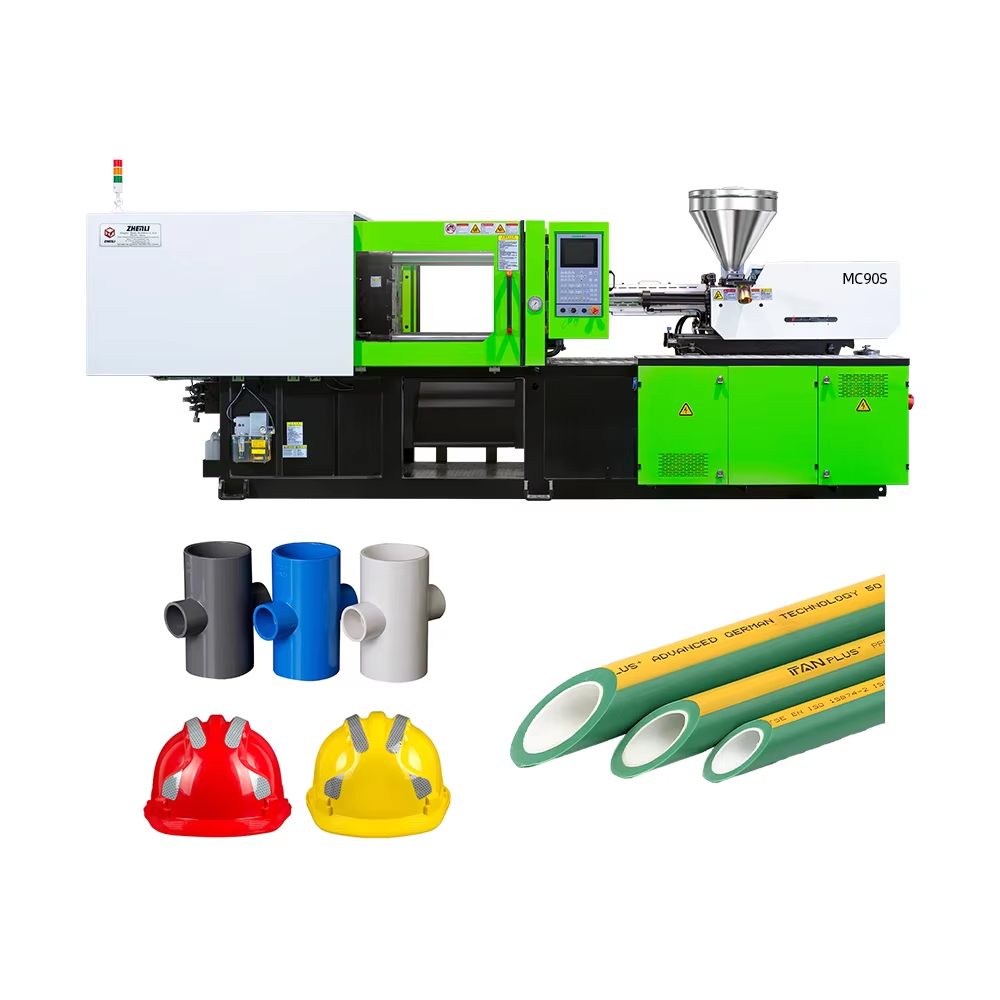
Plastic injection molders refer to both the specialized equipment (plastic injection molding machines) and the manufacturers that use this equipment to produce precision plastic components—serving as critical enablers of modern manufacturing across industries. As equipment, plastic injection molders are engineered to melt plastic resins (thermoplastics, thermosets, composites) and inject the molten material into a mold cavity at high pressure, producing parts with complex geometries, tight tolerances, and consistent quality. These machines range in tonnage from 10 to 5000 tons, with drive systems including hydraulic (powerful, cost effective for heavy duty applications), electric (precision, energy efficient for medical/electronic parts), and hybrid (balancing power and efficiency). Key components include a heated barrel (zone temperature control ±2°C) for melting plastic, a screw that mixes and injects molten material at pressures of 50–200 MPa and speeds of 0.5–15 m/s, and a clamping unit that secures the mold with uniform force to prevent flash. Equipped with intelligent control systems (Siemens, Fanuc), plastic injection molders offer real time monitoring and adjustment of process parameters, recipe storage for 50+ part configurations, and data logging for traceability—critical for industries like automotive (IATF 16949) and medical (FDA/ISO 13485). As manufacturers, plastic injection molders specialize in transforming customer designs into finished plastic components, offering end to end services including design for manufacturability (DFM) consulting, mold design and manufacturing, sample production, full scale production, and post processing (trimming, painting, assembly). These manufacturers leverage their expertise in plastic materials (PP, ABS, PVC, engineering plastics like PEEK) and machine operation to optimize production processes, reduce costs, and ensure part quality. For equipment suppliers, plastic injection molders (as customers) require machines tailored to their specific needs: high speed machines for packaging, micro injection machines for small components, and multi cavity machines for high volume production. Suppliers support plastic injection molders with technical consulting, mold compatibility testing, installation and commissioning, operator training, and 24/7 after sales support—ensuring minimal downtime and maximum productivity. Key considerations for plastic injection molders when selecting equipment include material compatibility, production volume, part complexity, energy efficiency, and automation capabilities. Modern plastic injection molders (equipment) prioritize sustainability, with energy efficient drives, recycled material compatibility, and waste reduction features—aligning with manufacturers’ environmental goals. Whether as equipment or manufacturers, plastic injection molders play a vital role in producing the plastic components that power everyday life—from automotive parts and electronic devices to medical tools and consumer goods—delivering precision, efficiency, and reliability in global manufacturing.
 EN
EN