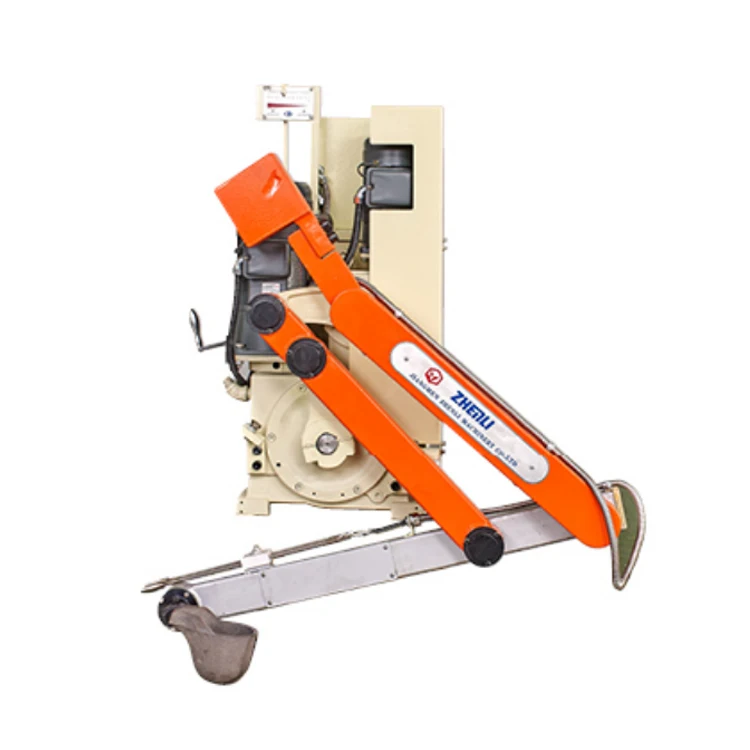
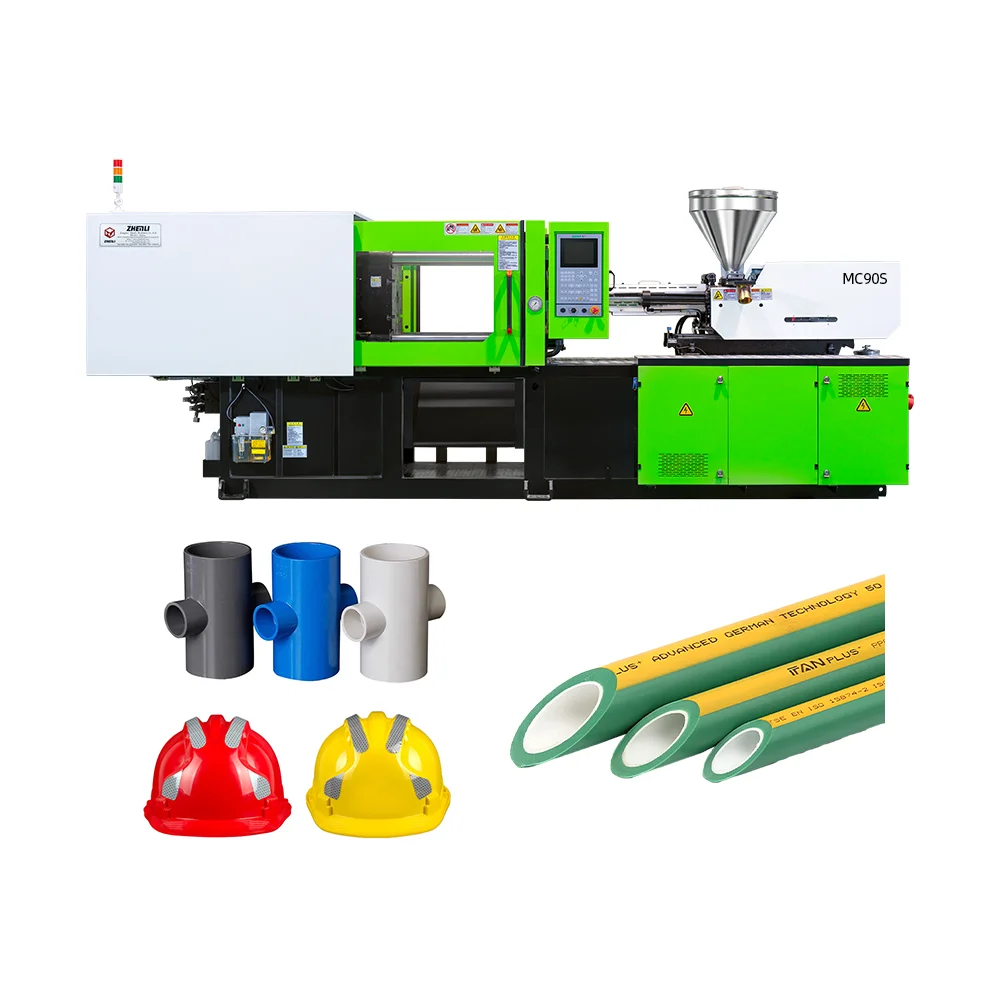
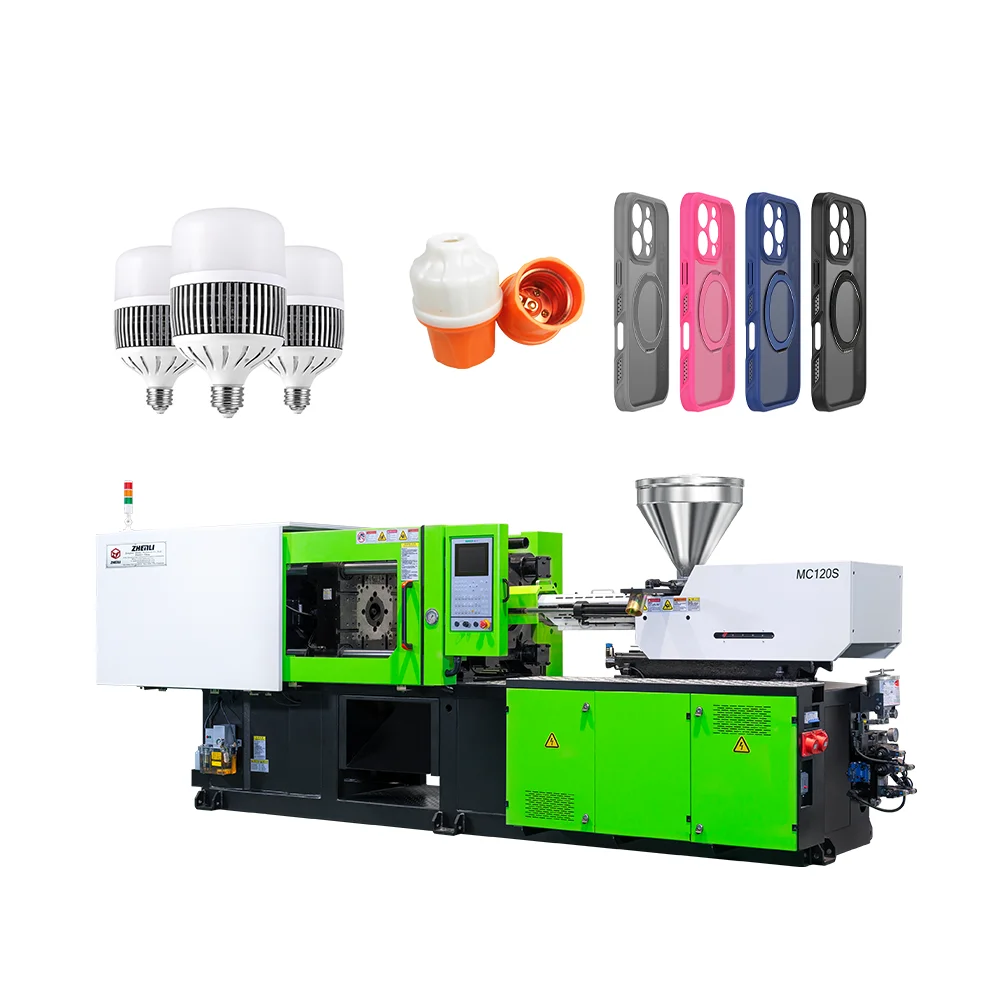
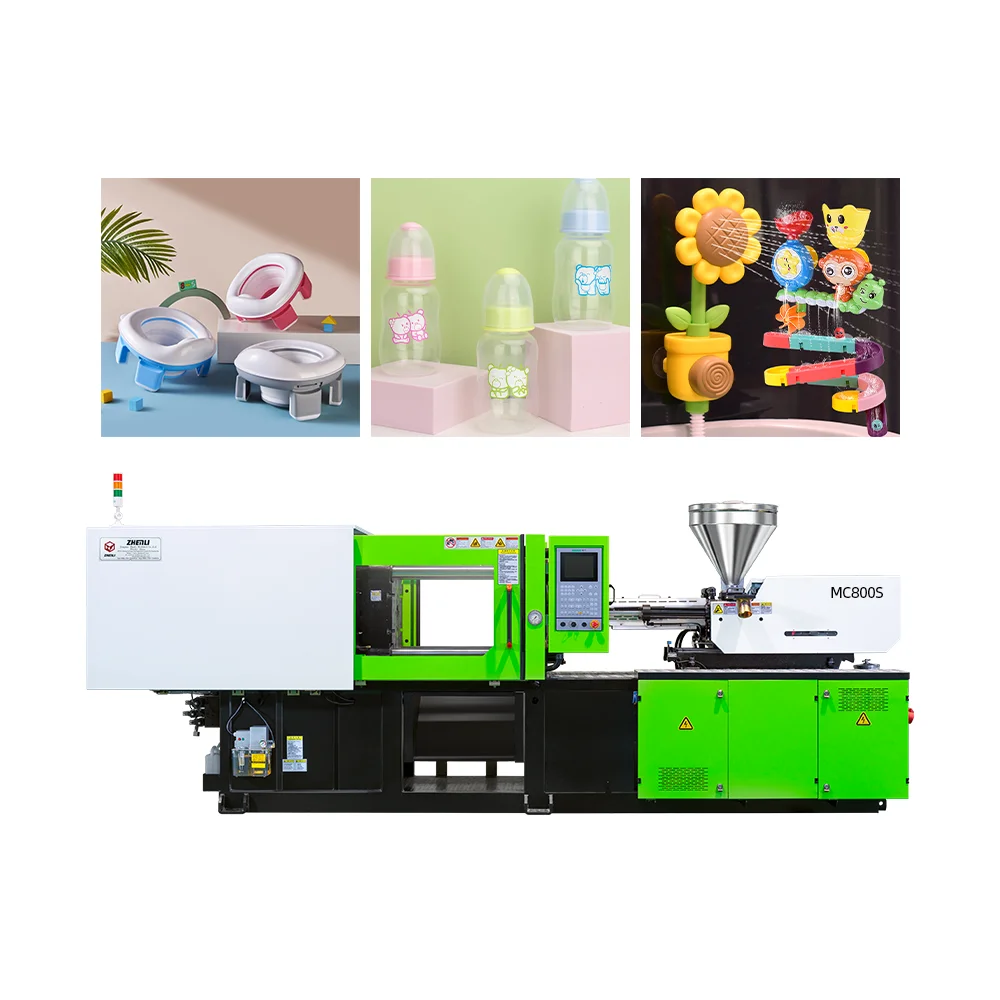
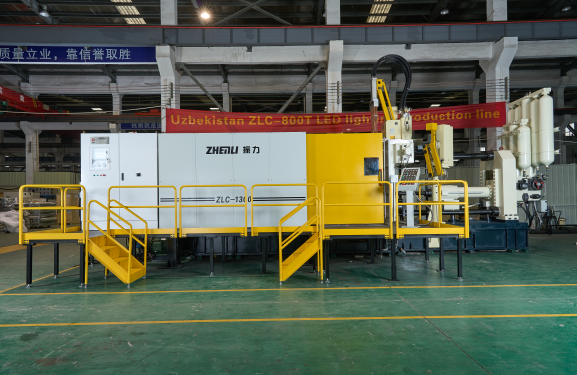
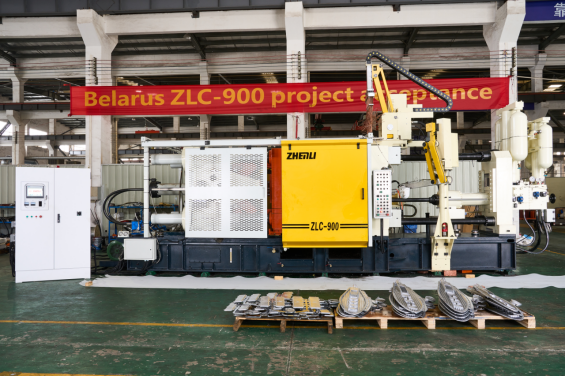
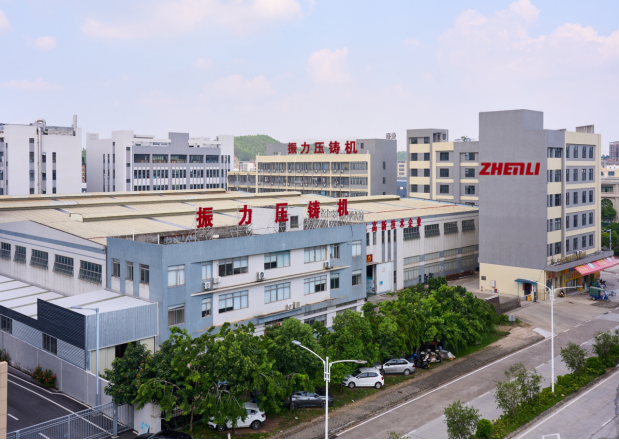
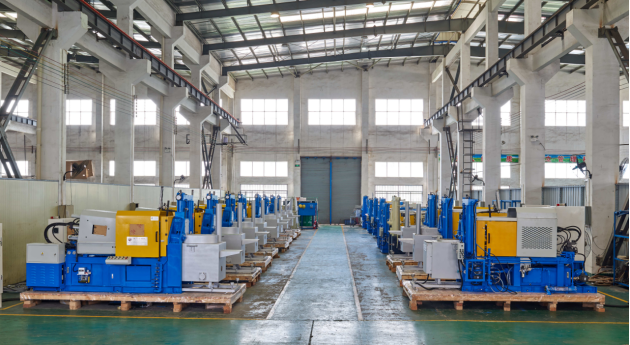
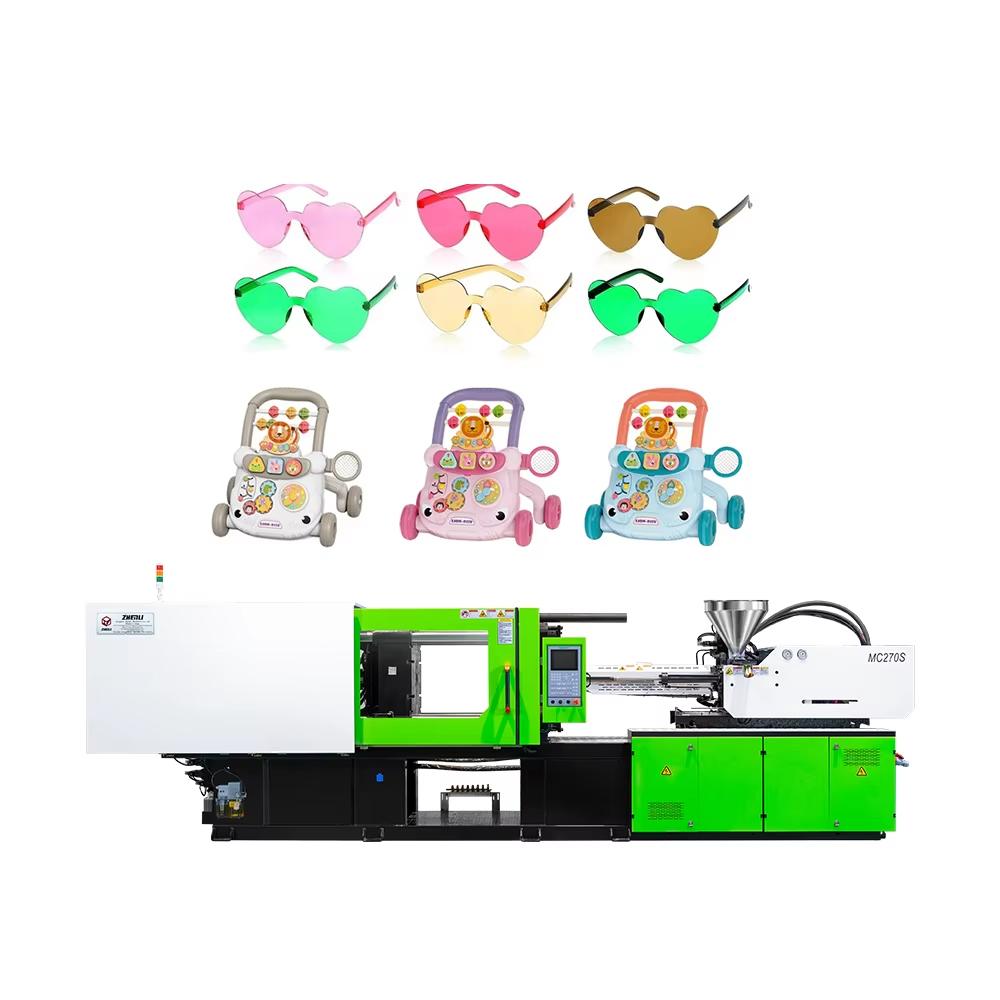
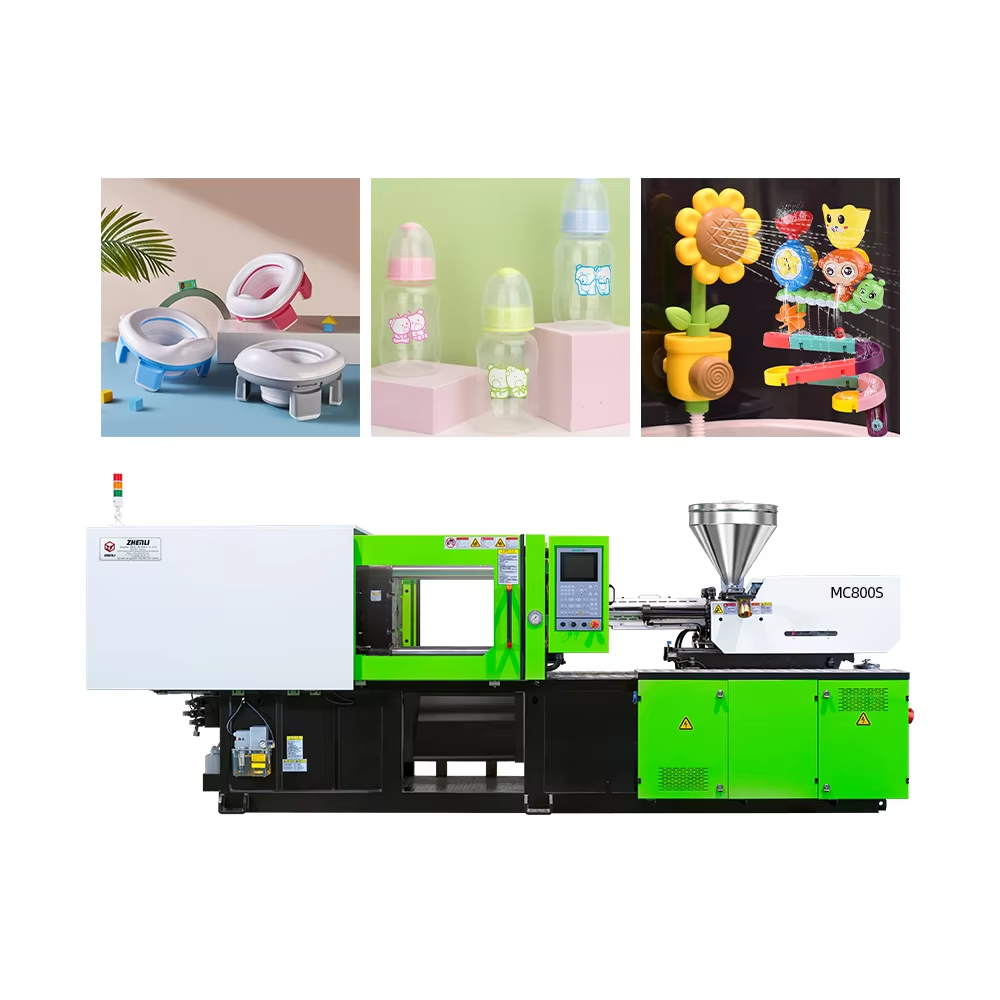
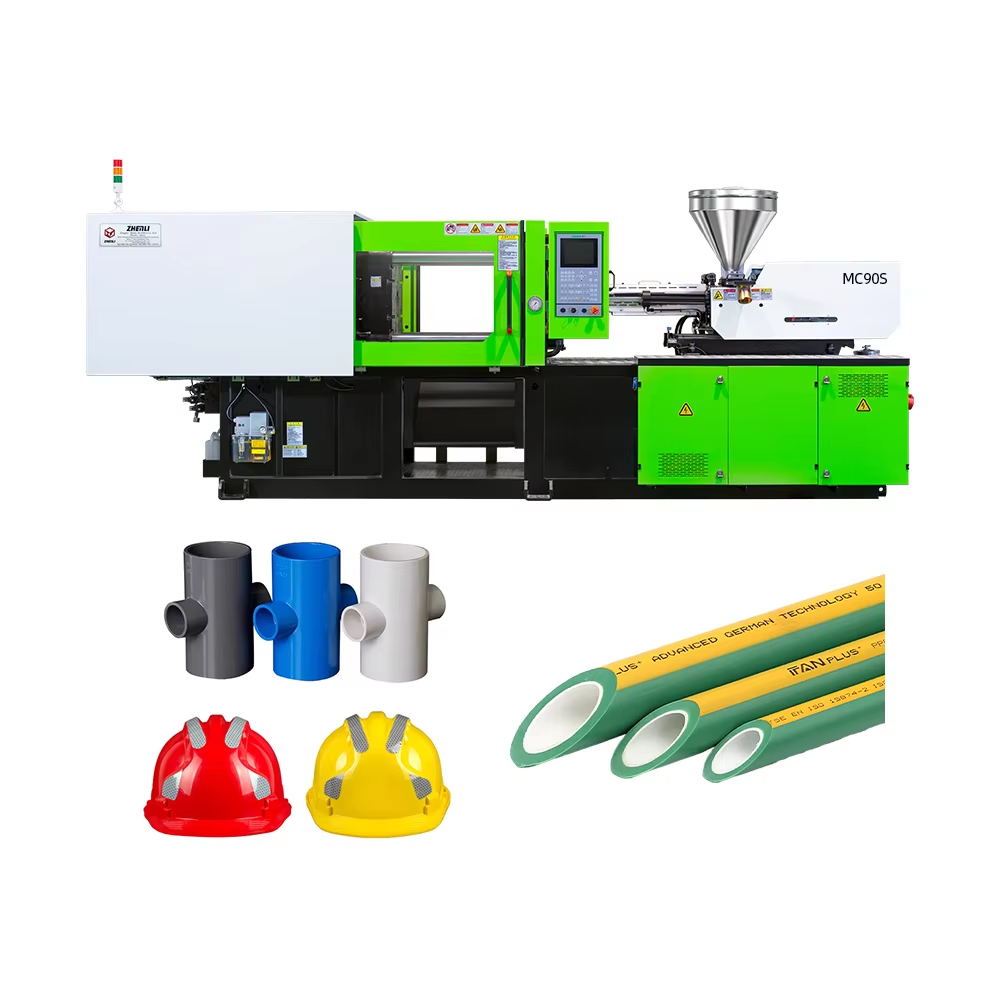
PVC (Polyvinyl Chloride) molding machine is a specialized injection molding or extrusion machine designed to process PVC resin—one of the most versatile and widely used plastics—into a diverse range of products, including pipes, profiles, fittings, packaging, automotive parts, and consumer goods. PVC’s unique properties (rigidity, flexibility, chemical resistance, low cost) make it ideal for numerous applications, but its processing requires specialized equipment to address challenges such as thermal instability (degradation at high temperatures) and sensitivity to shear force. The PVC molding machine features key adaptations for these requirements: a low shear screw design (to minimize heat generation and prevent degradation), a heated barrel with precise temperature control (160–190°C, ±2°C) divided into multiple zones, and a specialized nozzle with temperature regulation to maintain molten PVC integrity. The screw and barrel are constructed from hardened steel with corrosion resistant coatings (e.g., chrome or nitride) to withstand PVC’s corrosive nature, especially when processing rigid PVC (which contains stabilizers and fillers). For injection molding applications, the machine’s clamping unit (tonnages 50–5000 tons) utilizes servo hydraulic or electric drives to secure molds with uniform force—ensuring dimensional consistency of parts like PVC fittings, electrical enclosures, and automotive trim (tolerance ±0.03 mm). The injection system delivers molten PVC at controlled speeds (0.5–8 m/s) and pressures (80–150 MPa), avoiding shear induced degradation and ensuring complete mold filling. For extrusion applications (pipes, profiles, sheets), the machine features a single screw extruder with a die head tailored to the product shape, followed by a cooling system (water bath or air cooling) to set the PVC’s form. Equipped with an intelligent control system (Siemens, Fanuc), the machine allows real time adjustment of temperature, pressure, screw speed, and cooling time—with recipe storage for 50+ product configurations. Safety features include enclosed processing areas, fume extraction systems (to remove hydrochloric acid fumes released if PVC degrades), emergency stop buttons, and safety interlocks—complying with CE, OSHA, and REACH standards (for environmental compliance). Energy efficiency is optimized via variable frequency drives, heat recovery systems, and insulation for the barrel and die—reducing power consumption by 15–20%. Customization options include specialized dies for extrusion (pipe diameters 10–1000 mm, profile shapes), multi cavity molds for injection molding (fittings, small parts), and integration with downstream equipment (cutting machines, printing systems for pipe labeling). Leading manufacturers offer one stop service, including technical consulting to select the right PVC grade (rigid, flexible, recycled) and machine configuration, mold/die design, sample production validation, on site installation and commissioning, operator training (on PVC processing best practices), and global after sales support. Whether producing high volume PVC pipes for construction or custom injection molded PVC components for electronics, PVC molding machines deliver consistent quality, durability, and cost effectiveness—meeting the diverse needs of industries worldwide while adhering to environmental and safety standards.
 EN
EN