PET Injection Machine: High-Efficiency Solutions for Packaging

[email protected]         +86-13302590675

Get a Free Quote

Our representative will contact you soon.
Email
Mobile/WhatsApp
Name
Company Name
Message
0/1000

PET Injection Machine - High-Efficiency Solutions for PET Products by Zhenli

This page presents PET injection machines specialized for processing PET materials (bottle preforms, food containers, packaging). Jiangmen Zhenli’s models feature high-speed injection units, precise temperature control, and energy-saving designs to ensure consistent PET product quality. Equipped with intelligent controllers, they support high-volume production and easy parameter adjustment. The page details technical specs, application scenarios (packaging, beverage industry), customization options, and ISO/CE certifications. Zhenli delivers reliable PET injection solutions to 50+ countries, backed by professional installation, training, and after-sales support.
Get A Quote

Advantages of the product

Energy Saving Design for Long Term Cost Reduction

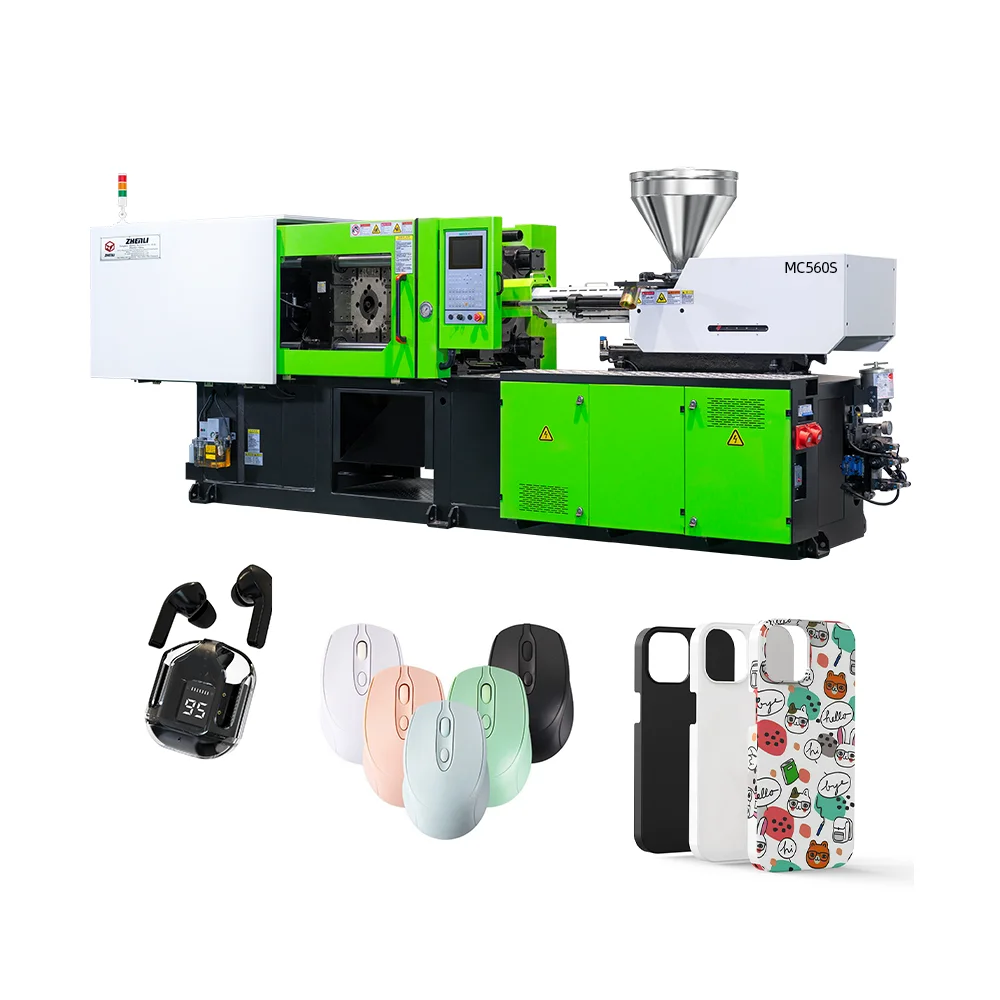
Adopting energy efficient servo motors and heat insulation layers, the machines consume 15% 20% less electricity than traditional hydraulic injection molding machines. A 560 Ton MC560S machine running 8 hours a day uses about 48 kWh of electricity, while a similar traditional machine uses 60 65 kWh. Additionally, the heat insulation layer reduces heat loss from the barrel by 50%+, lowering the load on the heating system. Over 5 years of use, each machine can save approximately \(20,000 \)25,000 in electricity costs, aligning with enterprises’ energy saving and emission reduction goals.

Related products

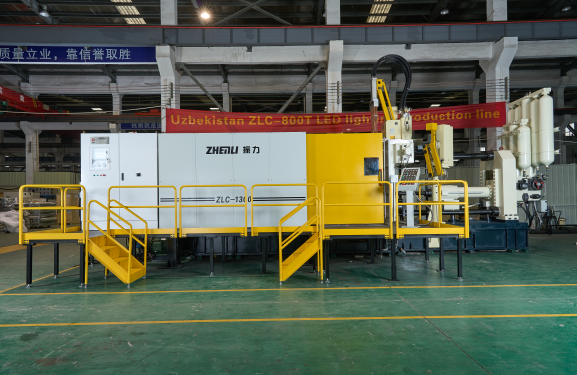
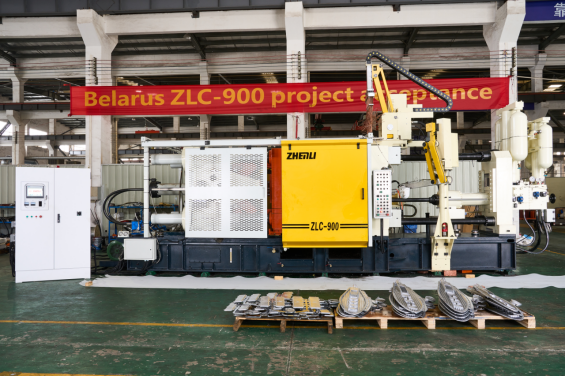
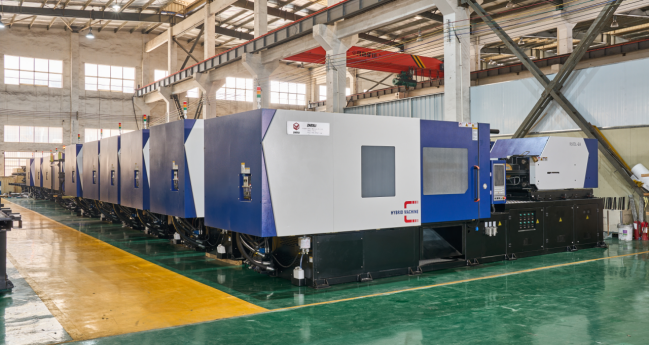
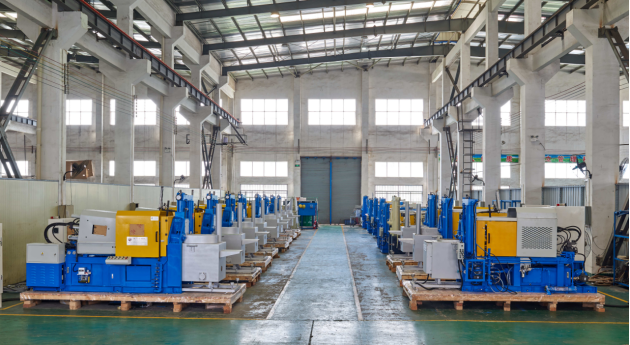
PET (Polyethylene Terephthalate) injection machine is a specialized injection molding machine designed to process PET resin—known for its high strength, clarity, barrier properties, and recyclability—into precision components such as preforms (for plastic bottles), packaging containers, automotive parts, and electrical enclosures. These machines address PET’s unique processing requirements: high melting temperature (250–270°C), low moisture tolerance (requiring pre drying), and tendency to crystallize, requiring precise temperature and pressure control. The core of the PET injection machine is its specialized injection unit, featuring a high temperature barrel (with zone heating for uniform temperature distribution) and a twin screw or single screw design with a mixing section—ensuring thorough melting, homogenization, and dehumidification of PET resin. The screw is constructed from hardened steel with a wear resistant coating (e.g., nitride or chrome) to withstand PET’s abrasive nature, while a precise check ring prevents resin backflow during injection. The injection system delivers molten PET at controlled speeds (1–10 m/s) and pressures (100–180 MPa), ensuring complete filling of mold cavities—critical for preforms with thin walls (1–3 mm) and intricate neck finishes (threads, seals). The die clamping unit, available in tonnages from 50 to 500 tons, utilizes a servo hydraulic or electric drive system with high clamping force retention and precise positioning (±0.01 mm)—ensuring dimensional consistency of preforms (tolerance ±0.02 mm) and preventing flash. Equipped with an advanced intelligent control system (Siemens, Fanuc), the machine offers real time adjustment of key parameters (barrel temperature, injection speed/pressure, cooling time) and recipe storage for 50+ preform designs (10–300 mm neck size). A built in resin drying system (dehumidifying dryer with temperature control ±5°C) ensures PET resin moisture content is below 0.02%, preventing hydrolysis and maintaining material properties. Automation integration includes robotic preform extraction (with grippers designed to avoid surface damage), inline quality inspection (vision systems for neck finish and wall thickness), and automatic mold change systems—reducing cycle times to as low as 15 seconds per preform. Energy efficiency is optimized via variable frequency drives, heat recovery systems, and electric drive options (reducing power consumption by 25–30%). Safety features comply with CE, OSHA, and ISO 13849 standards, including emergency stops, safety interlocks, and thermal guards. Leading manufacturers offer customization options: modified injection units for recycled PET (rPET), multi cavity mold compatibility (up to 96 cavities for high volume production), and integration with blow molding machines for turnkey bottle production lines. One stop service includes technical consulting to optimize preform design, mold compatibility testing, sample production, on site installation, operator training, and global after sales support. For manufacturers in the beverage, packaging, and consumer goods industries, PET injection machines deliver high productivity, consistent quality, and sustainability—enabling the production of recyclable, high performance PET components that meet global market demands.

Frequently Asked Questions

Are there automatic injection molding machines on the webpage?

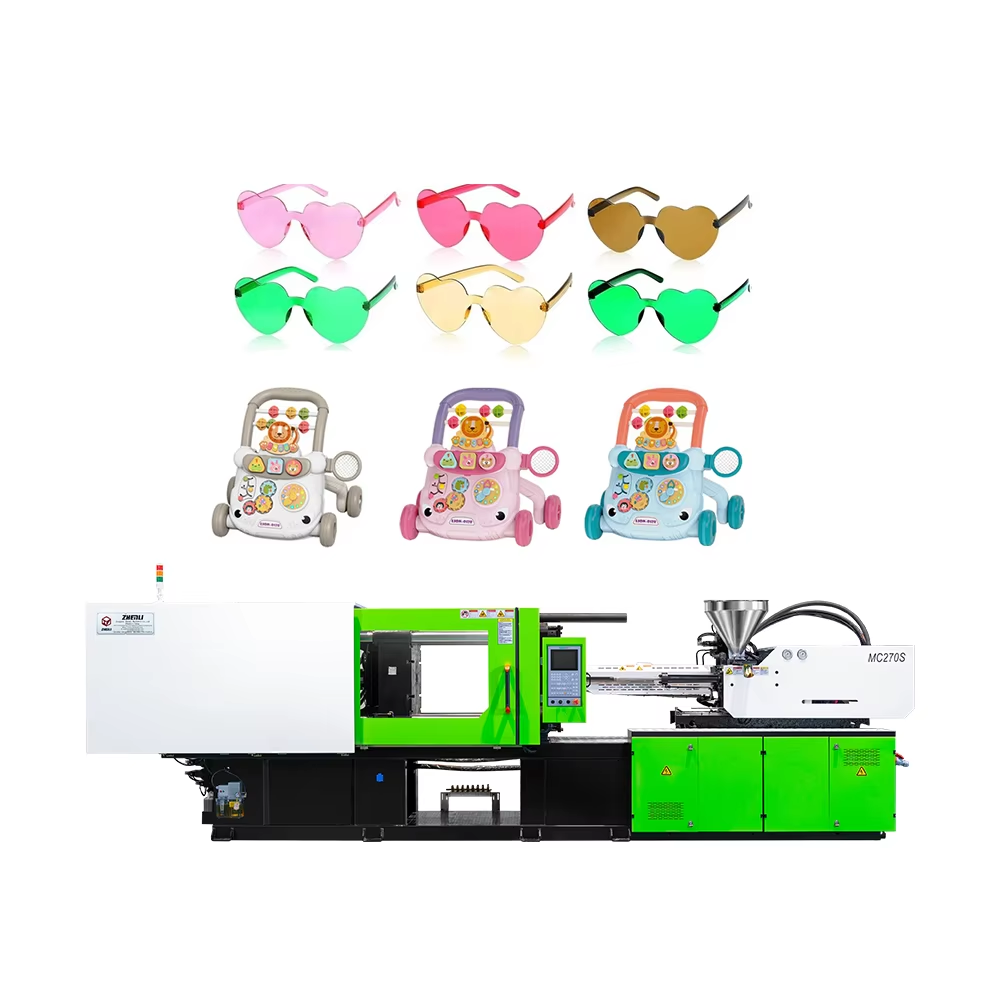
Yes, the webpage mentions a "Fully Automatic" injection molding machine designed for producing sunglasses. This automatic model likely streamlines the entire production process—from plastic melting to part ejection—without heavy manual intervention. It helps improve production efficiency, reduce human error, and ensure consistent quality for high volume sunglasses manufacturing.

Related Articles

What Are the Key Advantages of Modern Aluminum Die Casting Machines?

27

Oct

What Are the Key Advantages of Modern Aluminum Die Casting Machines?

Precision and Dimensional Accuracy in Aluminum Die Casting Machine Operations Modern aluminum die casting machines deliver ±0.25mm dimensional tolerances, enabling sub-millimeter precision essential for aerospace components and medical devic...
View More
What Factors Determine the Choice of Metal Casting Machinery?

27

Oct

What Factors Determine the Choice of Metal Casting Machinery?

Casting Method and Compatibility with Metal Casting Machinery How Different Casting Methods Influence Machinery Requirements What kind of casting gets chosen really affects what sort of machinery ends up being needed for metal casting operations, e...
View More
What Should You Look for in an Injection Molding Machine Supplier?

27

Oct

What Should You Look for in an Injection Molding Machine Supplier?

Evaluate Machine Specifications Aligned with Your Product Design Picking the right injection molding machine for a specific product design means looking at three main specs: clamping force measured in tons, injection volume in ounces or cubic centi...
View More
How to Ensure Quality Consistency in Zinc Die Casting Operations?

27

Oct

How to Ensure Quality Consistency in Zinc Die Casting Operations?

Material Selection and Alloy Integrity for Reliable Zinc Die Casting Importance of Alloy Type in Zinc Die Casting Properties Choosing the right zinc alloy makes all the difference when it comes to how well something performs mechanically and how ma...
View More

customer evaluation

Bailey

Our workshop hired 5 new workers last month. They mastered this machine in 3 days thanks to the intuitive touchscreen and clear operation guide. The machine has error prompts (e.g., low plastic supply) that help new staff avoid mistakes. It’s a great choice for factories with high staff turnover.

Get a Free Quote

Our representative will contact you soon.
Email
Mobile/WhatsApp
Name
Company Name
Message
0/1000
High Precision for Complex Plastic Parts

High Precision for Complex Plastic Parts

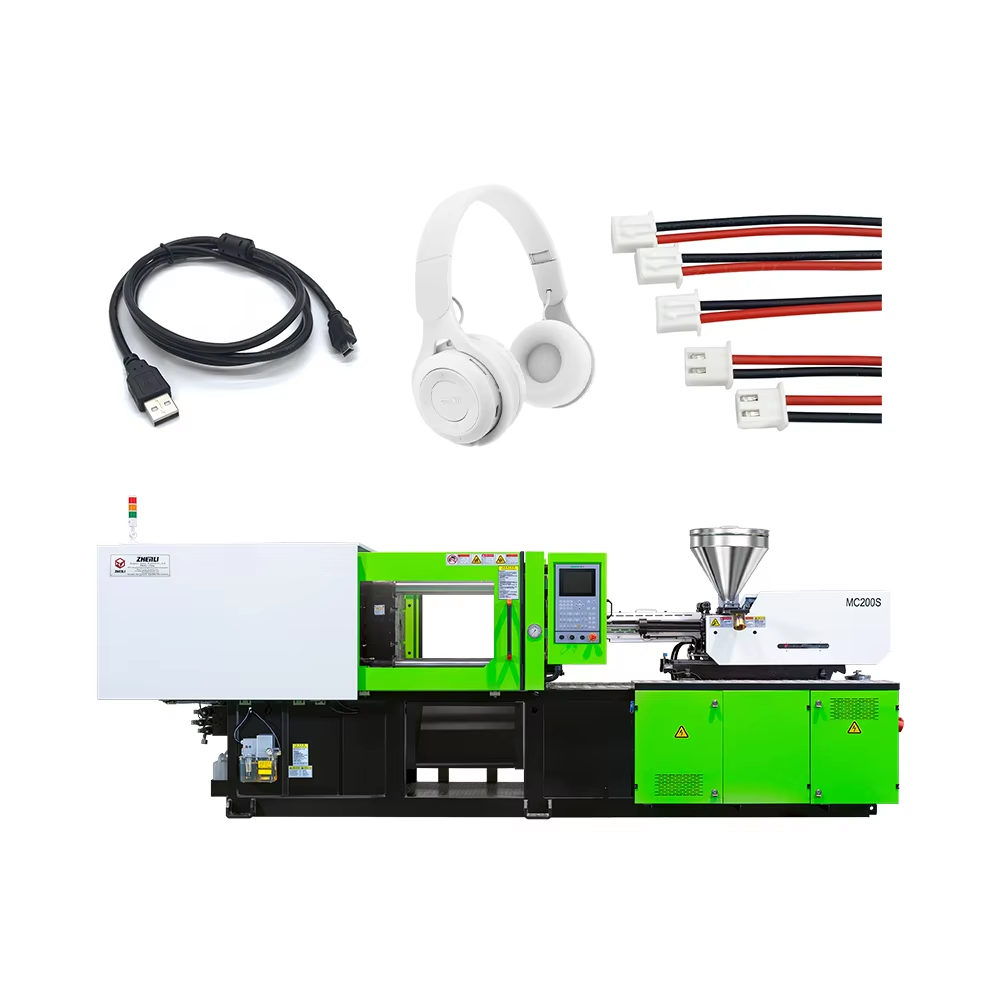
This injection molding machine delivers exceptional precision, with a tolerance of ±0.02mm for critical features like threaded holes in plastic jar lids and ±0.03mm for thin walled parts such as headphone shells. Its advanced PLC control system regulates injection pressure (50–150MPa) and temperature (180–280℃) in real time, ensuring molten plastic flows evenly into mold cavities. This prevents defects like air bubbles or sink marks, making it ideal for producing high quality plastic components for electronics, automotive, and consumer goods industries. For example, it consistently produces USB cable casings with a smooth surface finish (Ra 0.4μm), meeting premium client requirements.
Efficient Production to Boost Output

Efficient Production to Boost Output

Designed for high productivity, this machine achieves a cycle time as short as 1.2 minutes per plastic part (e.g., small toy components), 30% faster than traditional models. It heats up quickly (reaching operating temperature in 25 minutes) and uses an optimized cooling system to reduce part solidification time by 20%. For factories running 12 hour shifts, this translates to a daily output increase of 400–600 parts, helping meet tight order deadlines. The machine also supports continuous 24/7 operation with minimal performance degradation, suitable for large batch production of high demand items like plastic bottle caps.
Wide Compatibility with Plastic Materials

Wide Compatibility with Plastic Materials

This machine works seamlessly with various plastic types, including PVC, PET, PP, ABS, and PC—covering most common materials for plastic products. It adjusts heating temperatures and injection speeds based on material properties: for example, it uses lower temperatures (180–220℃) for PP and higher temperatures (230–280℃) for PC. This versatility allows factories to switch between producing different products (e.g., PVC pipes, ABS phone cases, PP storage boxes) without investing in separate equipment. The machine’s material feeding system also handles both granular and pelletized plastics, further enhancing its flexibility.
WhatsApp WhatsApp
WhatsApp
Email Email Inquiry Inquiry TopTop