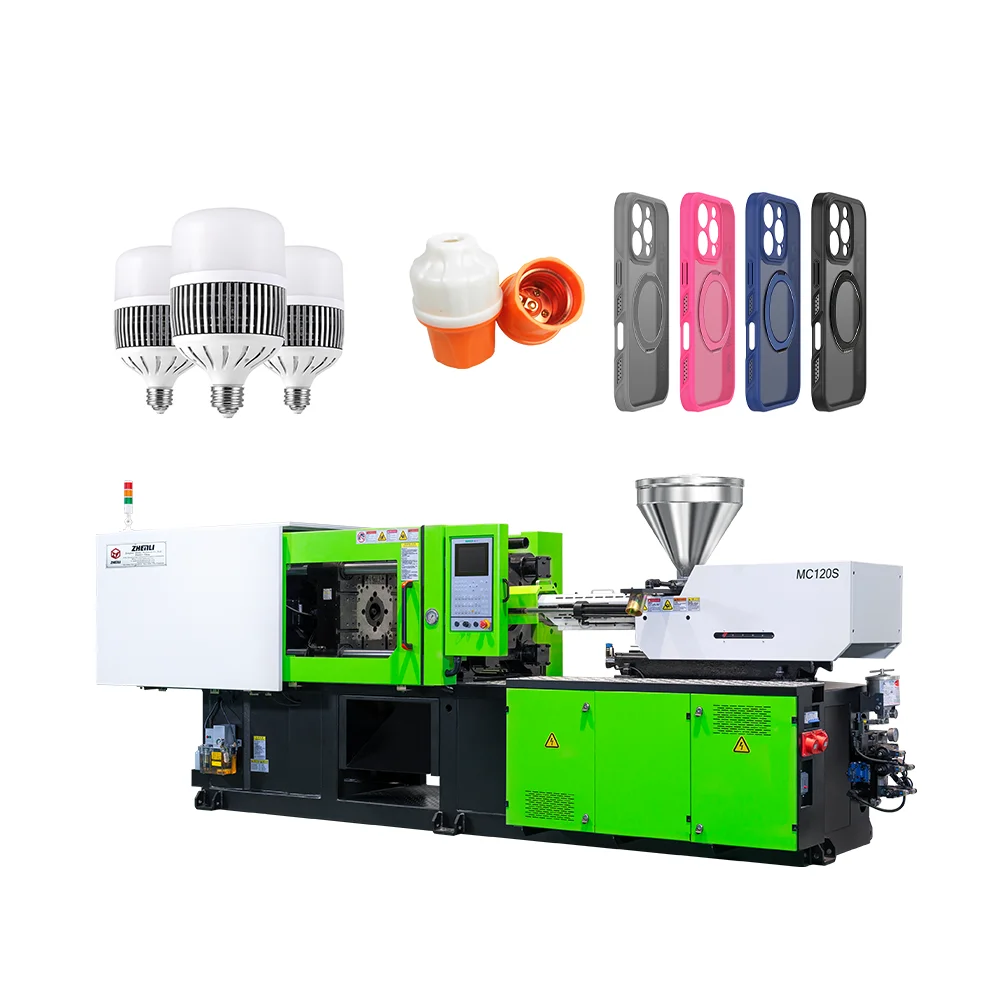
Injection molding molds are precision engineered tools essential for shaping thermoplastic and thermoset materials into complex components across industries such as automotive, consumer goods, and medical devices. These molds consist of multiple components, including the cavity and core, which define the part geometry, and are typically fabricated from high grade steels like P20, H13, or maraging steel for long term durability under high pressure conditions. Aluminum molds are alternatively employed for rapid prototyping or short production runs due to their superior thermal conductivity and faster machining times, though they exhibit reduced wear resistance compared to steel variants. The design phase incorporates advanced software for mold flow analysis to simulate polymer behavior, optimizing gate placement (e.g., pinpoint, fan gates), runner systems (hot runners for efficiency or cold runners for simplicity), and cooling channel layouts to minimize cycle times and defects like warpage or sink marks. Ejection mechanisms, such as ejector pins, sleeves, or air assisted systems, ensure part release without damage, while features like sliders and lifters accommodate undercuts. Manufacturing involves CNC milling, electrical discharge machining (EDM) for intricate details, and polishing to achieve specific surface finishes (e.g., SPI standards). Maintenance protocols, including regular cleaning, corrosion prevention, and dimensional checks, are critical to extending mold lifespan. Factors like material selection (e.g., beryllium copper for cooling inserts), venting for air escape, and tolerance control (within microns) directly impact part quality, production efficiency, and cost effectiveness, making mold engineering a cornerstone of injection molding success.