Metal Injection Molding Machine | High-Precision & Energy-Efficient

[email protected]         +86-13302590675

Get a Free Quote

Our representative will contact you soon.
Email
Mobile/WhatsApp
Name
Company Name
Message
0/1000

Metal Injection Molding Machine - High-Precision Metal Part Production by Zhenli

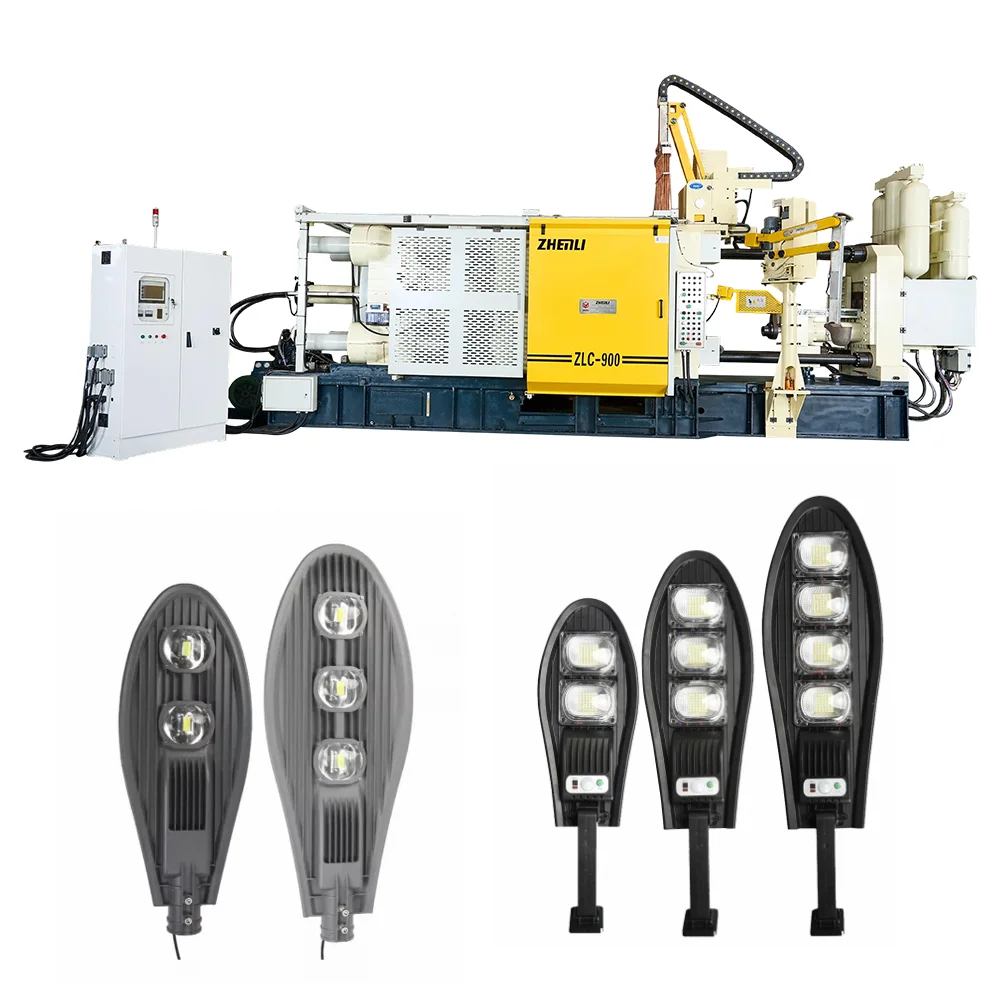
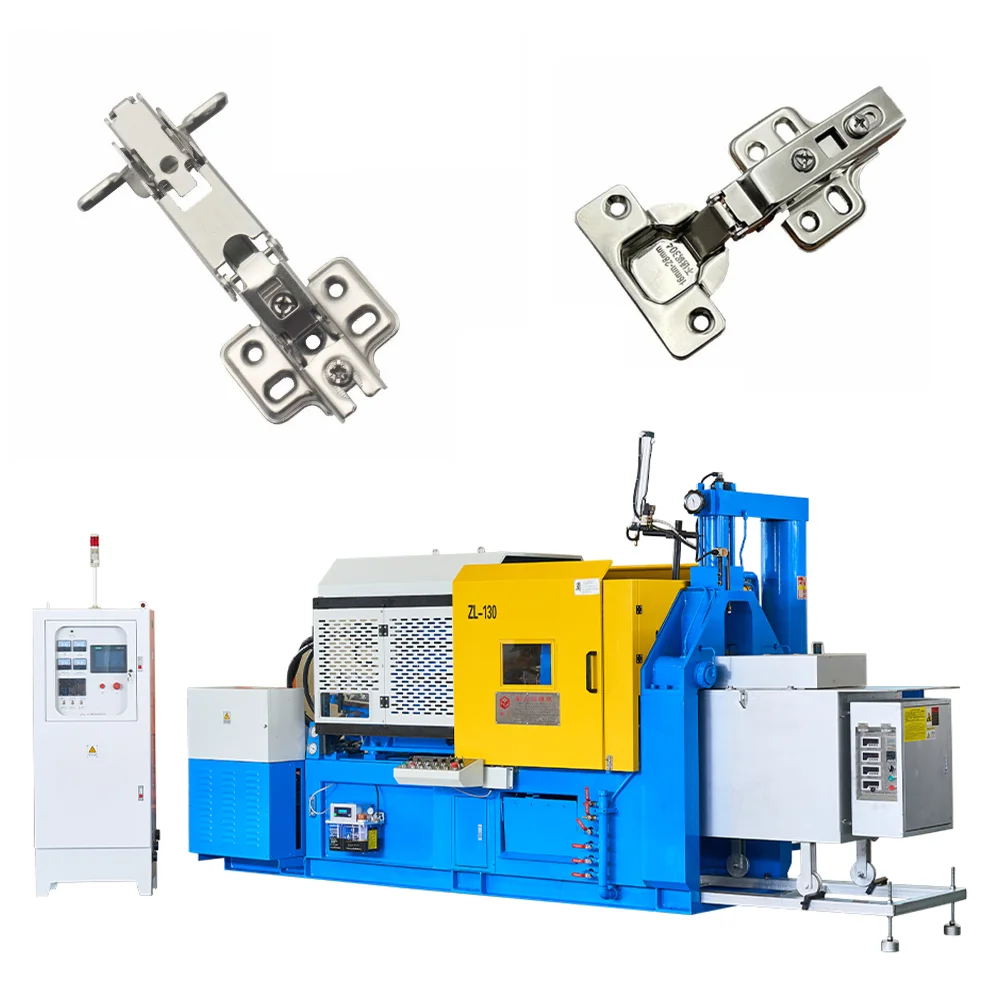
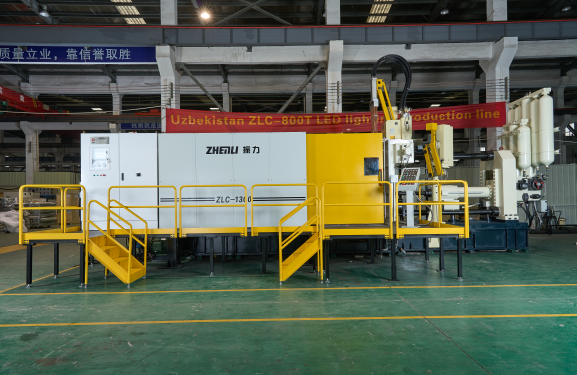
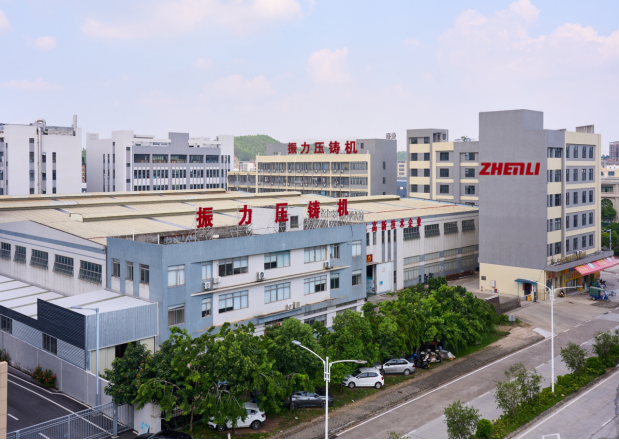
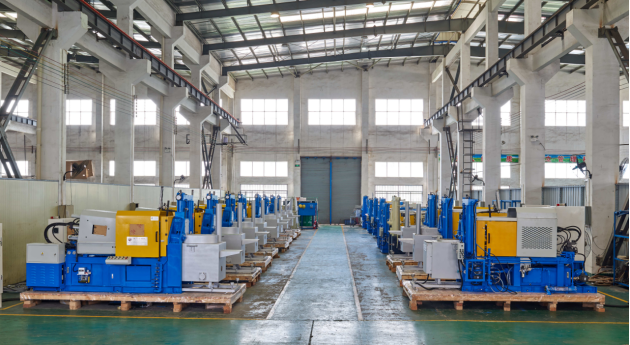
This page features metal injection molding machines designed for producing complex, high-precision metal parts (stainless steel, alloy components). Jiangmen Zhenli’s models integrate advanced hydraulic systems, precise temperature control, and intelligent parameter adjustment, ensuring uniform material flow and low defect rates. Suitable for aerospace, automotive, and hardware industries, they comply with ISO/CE certifications. The page details technical specs, customization options (mold design, automation level), sample testing, and global shipment. Zhenli’s 20,000㎡ factory and 20+ CNC machines deliver reliable solutions, with one-stop support from installation to maintenance for 50+ countries.
Get A Quote

Advantages of the product

Energy Saving Design for Long Term Cost Reduction

Adopting energy efficient servo motors and heat insulation layers, the machines consume 15% 20% less electricity than traditional hydraulic injection molding machines. A 560 Ton MC560S machine running 8 hours a day uses about 48 kWh of electricity, while a similar traditional machine uses 60 65 kWh. Additionally, the heat insulation layer reduces heat loss from the barrel by 50%+, lowering the load on the heating system. Over 5 years of use, each machine can save approximately \(20,000 \)25,000 in electricity costs, aligning with enterprises’ energy saving and emission reduction goals.

Related products

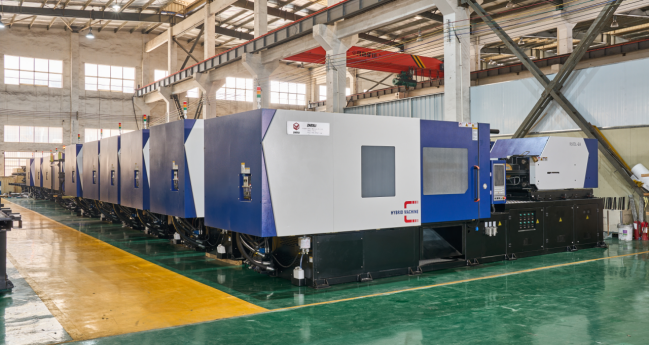
Metal Injection Molding (MIM) machine is an advanced manufacturing tool that combines plastic injection molding and powder metallurgy to produce complex, high precision metal components—catering to industries such as aerospace, medical devices, automotive, electronics, and defense. The MIM process involves mixing metal powder (stainless steel, titanium, copper, tungsten, or superalloys) with a polymer binder to form a feedstock, which is then injected into a mold cavity, debound (removing the binder), and sintered (heating to near melting temperature to fuse metal particles). The metal injection molding machine is engineered to handle this specialized feedstock, with key adaptations for its unique properties (higher viscosity than plastic resin, sensitivity to temperature and moisture). The injection unit features a heated barrel (temperature control ±2°C) with a specialized screw design (mixing section, low shear rate) to prevent metal powder segregation and ensure uniform binder distribution. The screw and barrel are constructed from hardened steel with wear resistant coatings (e.g., WC Co) to withstand the abrasive nature of metal powder. The injection system delivers feedstock at controlled speeds (0.1–5 m/s) and pressures (50–150 MPa), ensuring complete filling of complex mold geometries (internal channels, thin walls as low as 0.5 mm) with minimal distortion. The die clamping unit, available in tonnages from 10 to 500 tons, utilizes a servo hydraulic or electric drive system with high precision (±0.005 mm positioning accuracy) to maintain mold alignment—critical for dimensional consistency (tolerance ±0.02 mm) of sintered parts. Equipped with an advanced intelligent control system (Siemens, Fanuc), the machine offers real time monitoring of feedstock temperature, injection pressure, mold temperature, and cycle time—with data logging for traceability and process optimization. A built in feedstock drying system prevents moisture absorption, which can cause defects during injection and sintering. Automation integration includes robotic part extraction (gentle handling to avoid damaging green parts), inline debinding stations, and quality inspection (vision systems for green part defects). Energy efficiency is optimized via variable frequency drives, regenerative hydraulic systems, and heat recovery—reducing power consumption by 20–25%. Safety features comply with CE, FDA (for medical applications), and ISO 13849 standards, including enclosed processing areas, dust collection systems (for metal powder), and emergency shutdown protocols. Customization options include multi cavity mold compatibility, specialized injection units for high temperature binders, and integration with sintering furnaces for turnkey MIM lines. Leading manufacturers offer one stop service, including technical consulting (feedstock selection, part design for MIM), mold design and manufacturing, sample production validation, on site installation and commissioning, operator training, and global after sales support. Metal injection molding machines enable the production of complex, high performance metal components that are impractical or impossible to manufacture via traditional methods—delivering cost effectiveness for small to medium production volumes and precision that meets the strictest industry standards.

Frequently Asked Questions

What models of injection molding machines are listed on the webpage?

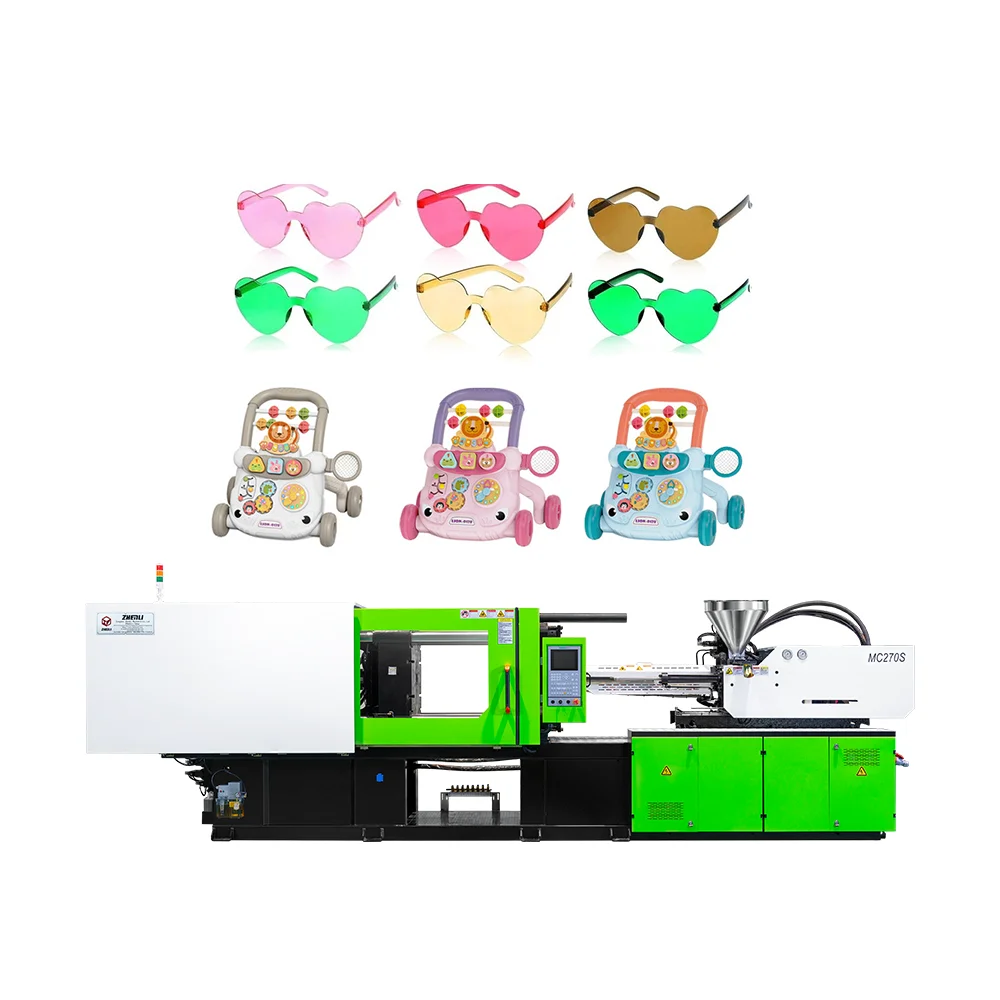
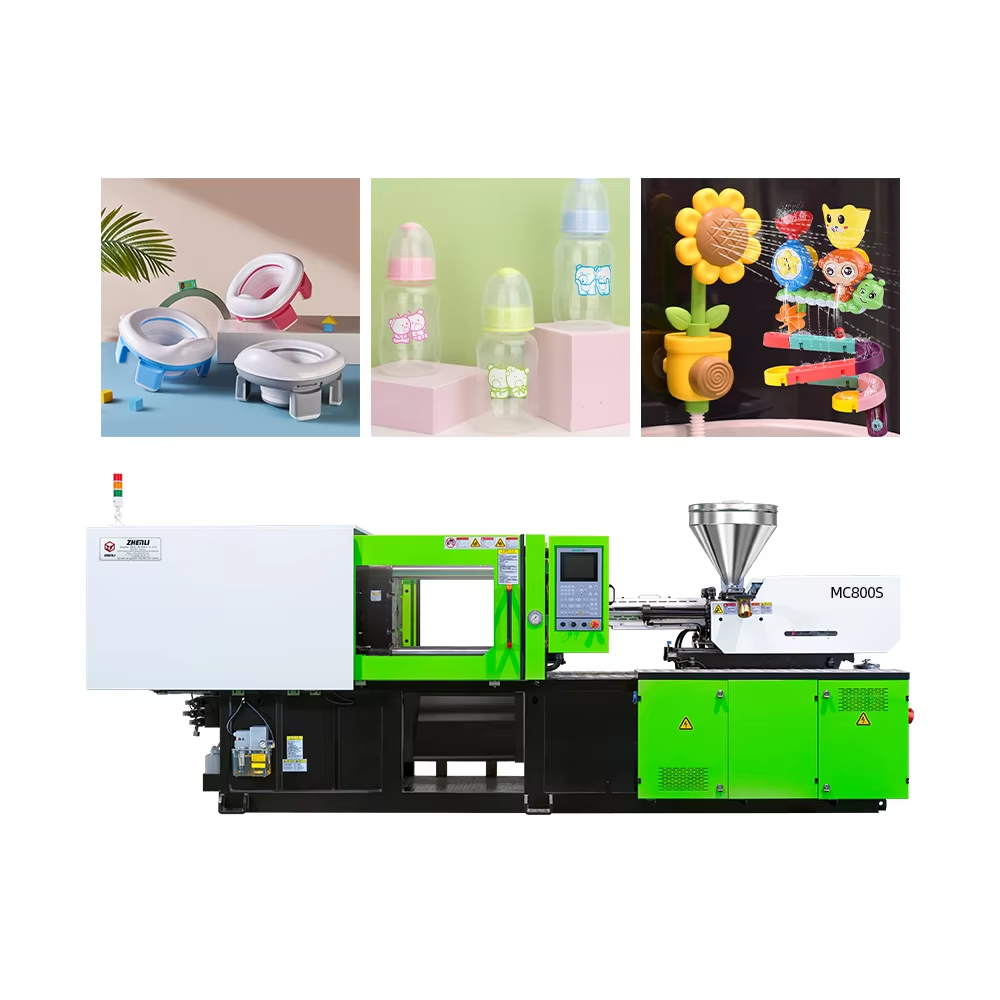
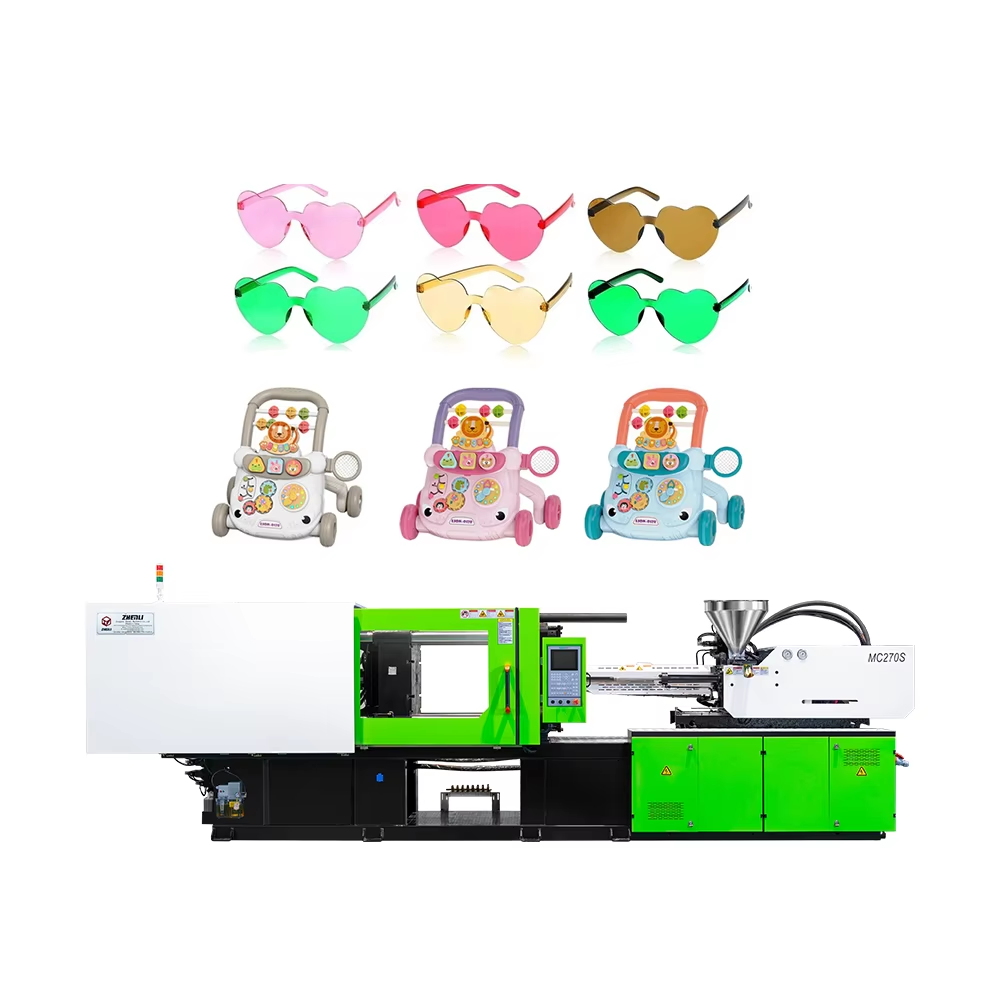
Several models are listed, including MC1000S, MC800S, MC650S, and MC560S. Each model is paired with specific products: MC1000S for traffic cones, MC800S for baby products, MC650S for headphones, and MC560S for USB cables. Additionally, there is a "Fully Automatic" model mentioned for sunglasses, though it lacks an alphanumeric code like the others.

Related Articles

What Are the Key Advantages of Modern Aluminum Die Casting Machines?

27

Oct

What Are the Key Advantages of Modern Aluminum Die Casting Machines?

Precision and Dimensional Accuracy in Aluminum Die Casting Machine Operations Modern aluminum die casting machines deliver ±0.25mm dimensional tolerances, enabling sub-millimeter precision essential for aerospace components and medical devic...
View More
Why Consider a Supplier with Both R&D and Production Capabilities?

27

Oct

Why Consider a Supplier with Both R&D and Production Capabilities?

Faster Innovation and Shorter Time to Market Integration of R&D and production systems for faster innovation cycles Integrated R&D and production systems eliminate costly handoffs between teams, creating a closed-loop feedback process. Engineers ga...
View More
What Should You Look for in an Injection Molding Machine Supplier?

27

Oct

What Should You Look for in an Injection Molding Machine Supplier?

Evaluate Machine Specifications Aligned with Your Product Design Picking the right injection molding machine for a specific product design means looking at three main specs: clamping force measured in tons, injection volume in ounces or cubic centi...
View More
How to Ensure Quality Consistency in Zinc Die Casting Operations?

27

Oct

How to Ensure Quality Consistency in Zinc Die Casting Operations?

Material Selection and Alloy Integrity for Reliable Zinc Die Casting Importance of Alloy Type in Zinc Die Casting Properties Choosing the right zinc alloy makes all the difference when it comes to how well something performs mechanically and how ma...
View More

customer evaluation

Blythe

Compared to imported models, this machine is 30% cheaper but performs equally well. It uses 12% less electricity, saving $500 monthly on energy bills. When we had a mold issue, the supplier sent engineers within 48 hours to fix it—great after sales service.

Get a Free Quote

Our representative will contact you soon.
Email
Mobile/WhatsApp
Name
Company Name
Message
0/1000
High Precision for Complex Plastic Parts

High Precision for Complex Plastic Parts

This injection molding machine delivers exceptional precision, with a tolerance of ±0.02mm for critical features like threaded holes in plastic jar lids and ±0.03mm for thin walled parts such as headphone shells. Its advanced PLC control system regulates injection pressure (50–150MPa) and temperature (180–280℃) in real time, ensuring molten plastic flows evenly into mold cavities. This prevents defects like air bubbles or sink marks, making it ideal for producing high quality plastic components for electronics, automotive, and consumer goods industries. For example, it consistently produces USB cable casings with a smooth surface finish (Ra 0.4μm), meeting premium client requirements.
Efficient Production to Boost Output

Efficient Production to Boost Output

Designed for high productivity, this machine achieves a cycle time as short as 1.2 minutes per plastic part (e.g., small toy components), 30% faster than traditional models. It heats up quickly (reaching operating temperature in 25 minutes) and uses an optimized cooling system to reduce part solidification time by 20%. For factories running 12 hour shifts, this translates to a daily output increase of 400–600 parts, helping meet tight order deadlines. The machine also supports continuous 24/7 operation with minimal performance degradation, suitable for large batch production of high demand items like plastic bottle caps.
Wide Compatibility with Plastic Materials

Wide Compatibility with Plastic Materials

This machine works seamlessly with various plastic types, including PVC, PET, PP, ABS, and PC—covering most common materials for plastic products. It adjusts heating temperatures and injection speeds based on material properties: for example, it uses lower temperatures (180–220℃) for PP and higher temperatures (230–280℃) for PC. This versatility allows factories to switch between producing different products (e.g., PVC pipes, ABS phone cases, PP storage boxes) without investing in separate equipment. The machine’s material feeding system also handles both granular and pelletized plastics, further enhancing its flexibility.
WhatsApp WhatsApp
WhatsApp
Email Email Inquiry Inquiry TopTop