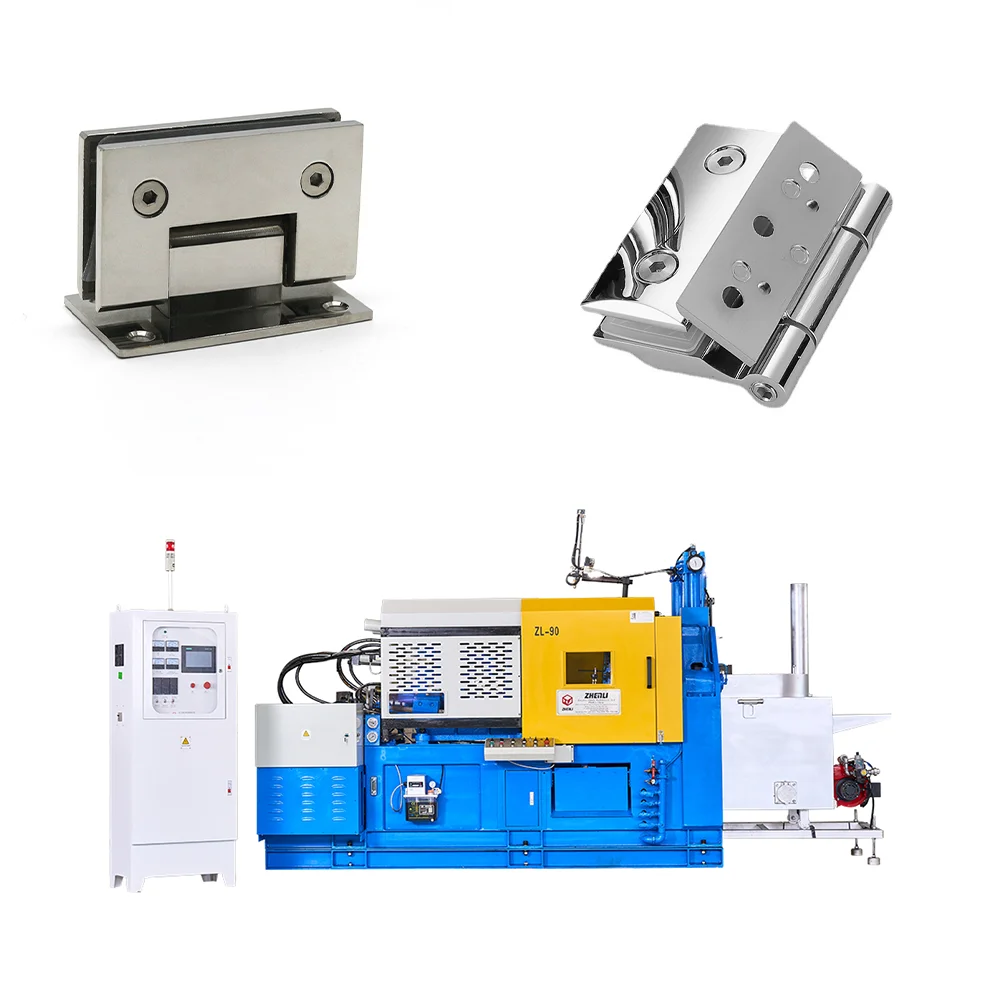
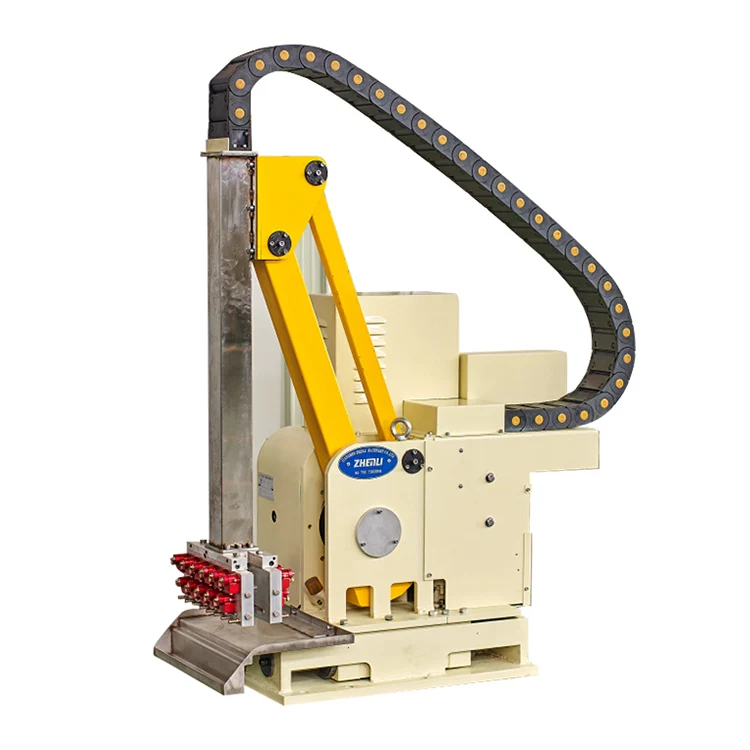
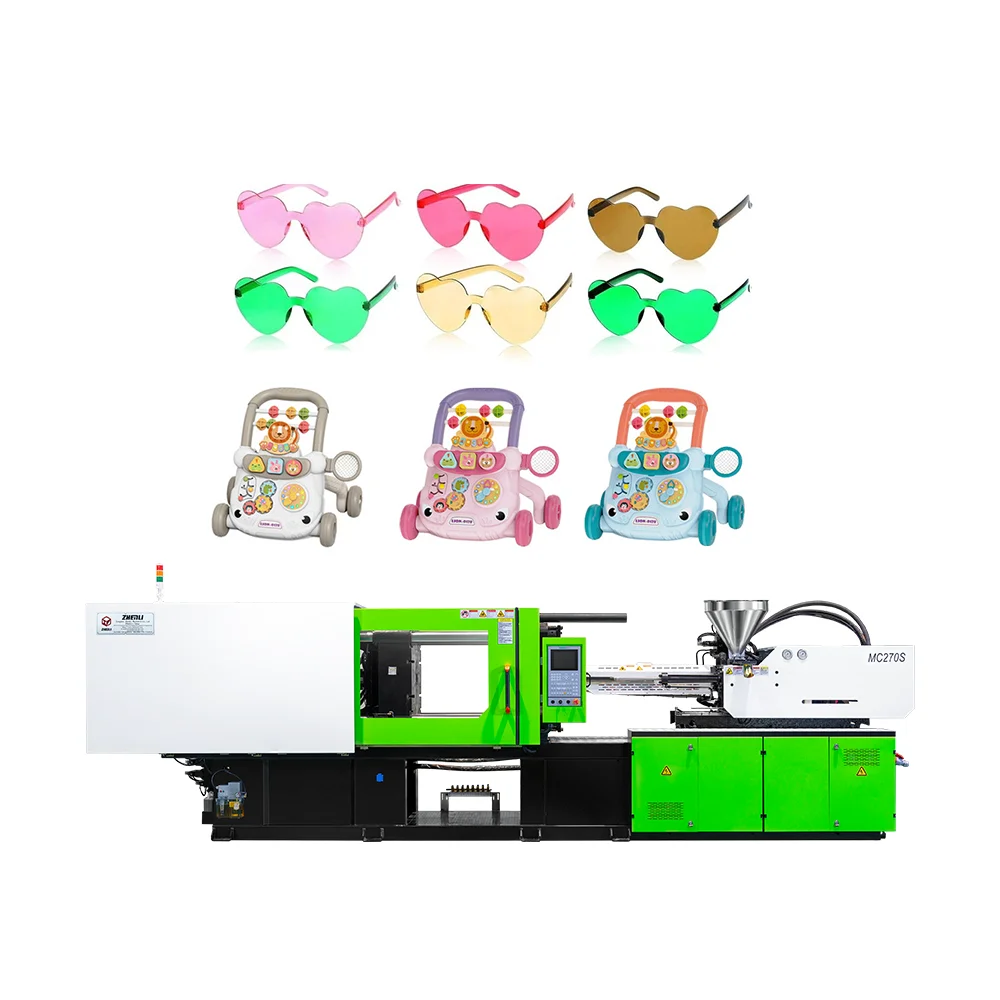
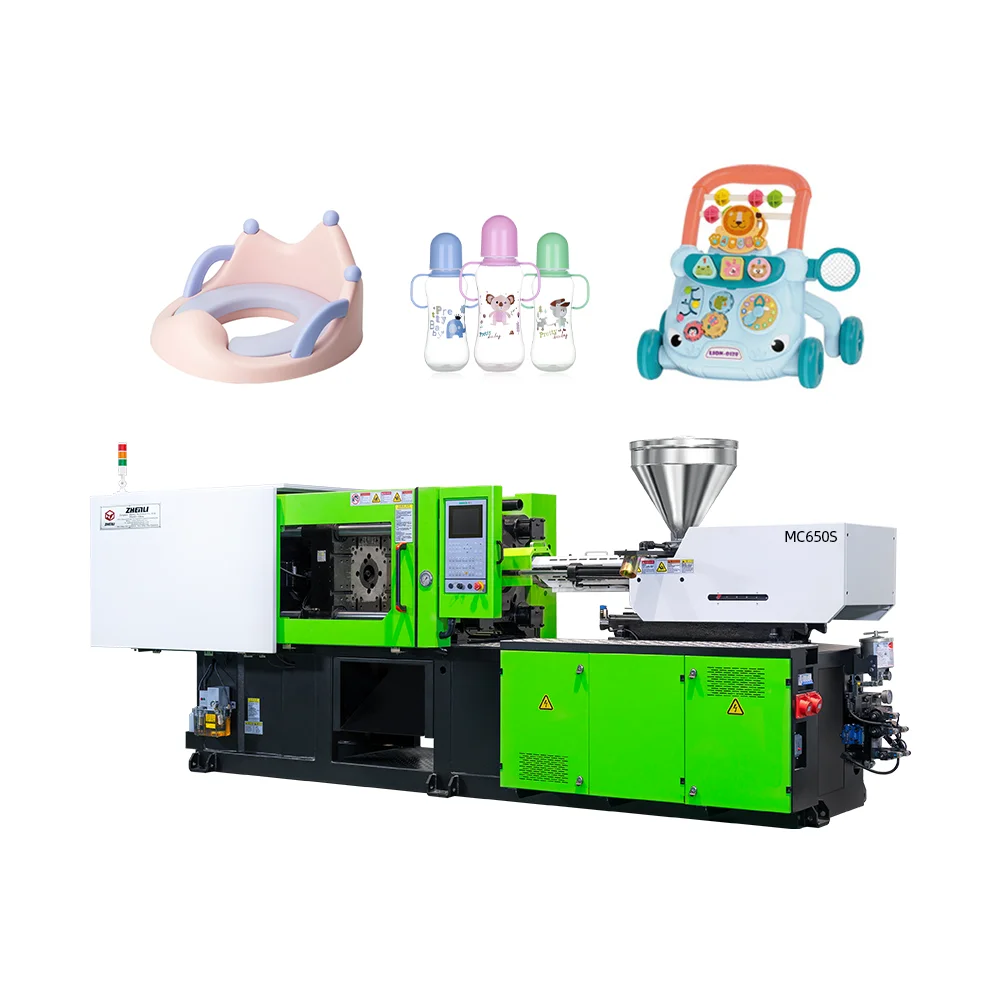
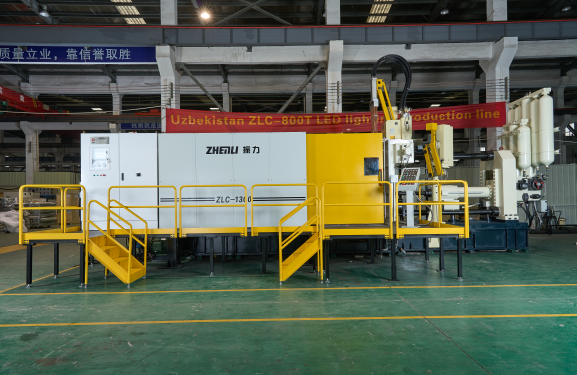
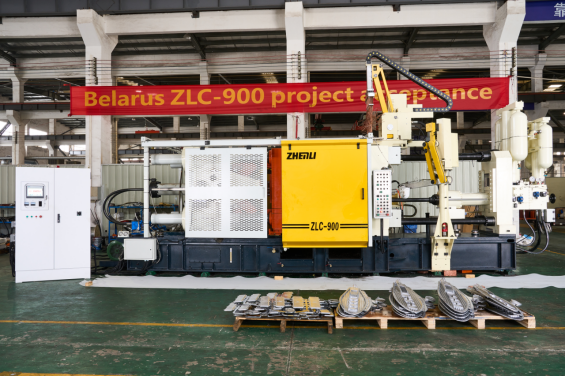
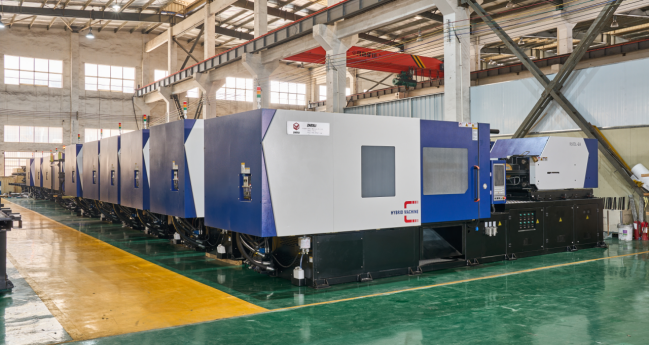
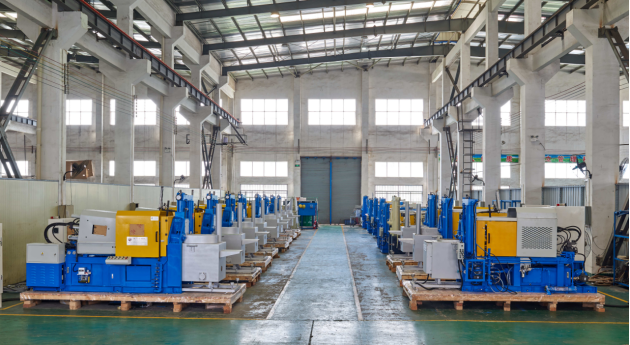
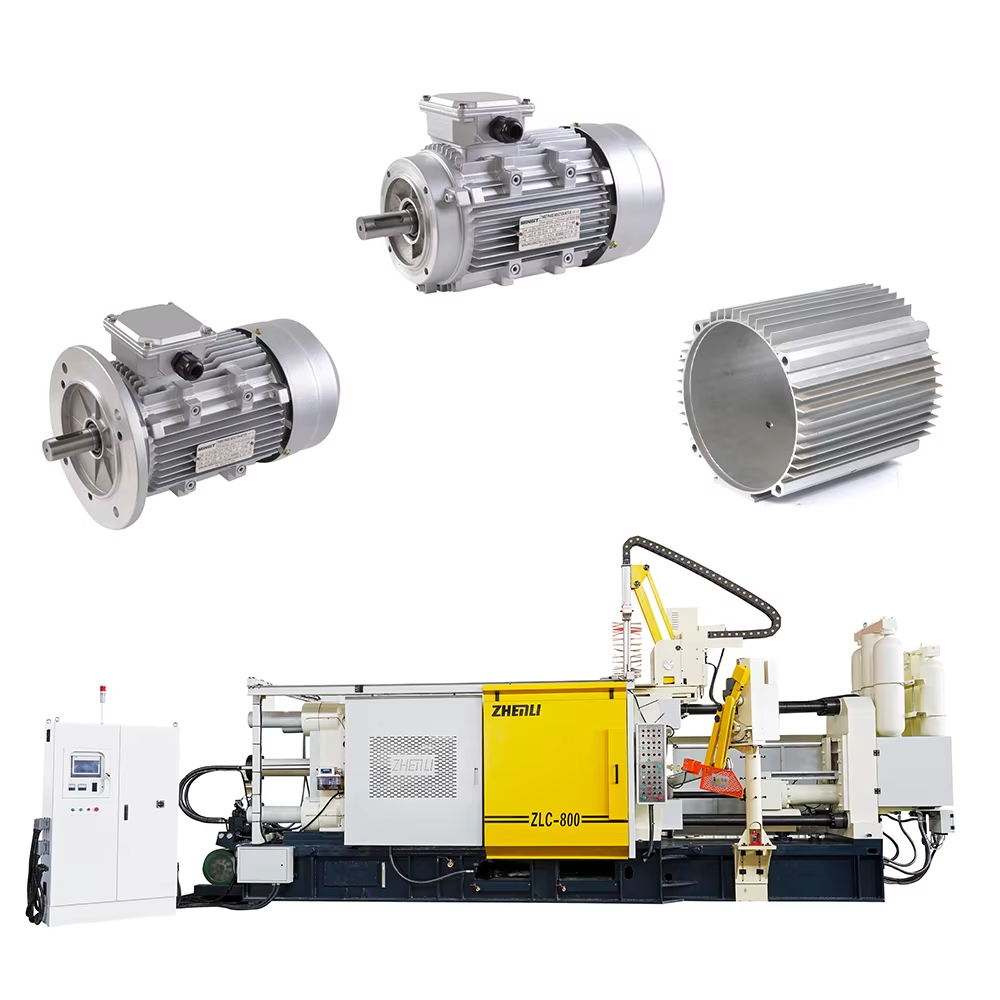
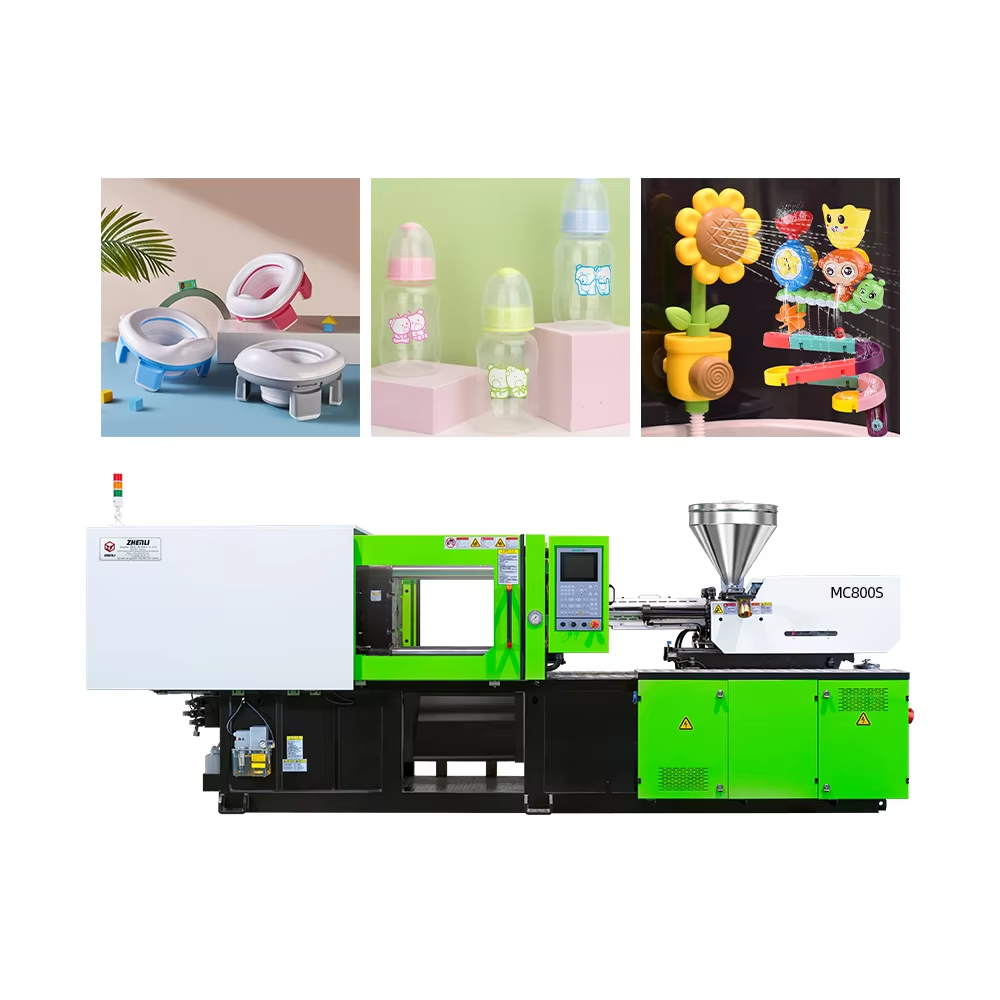
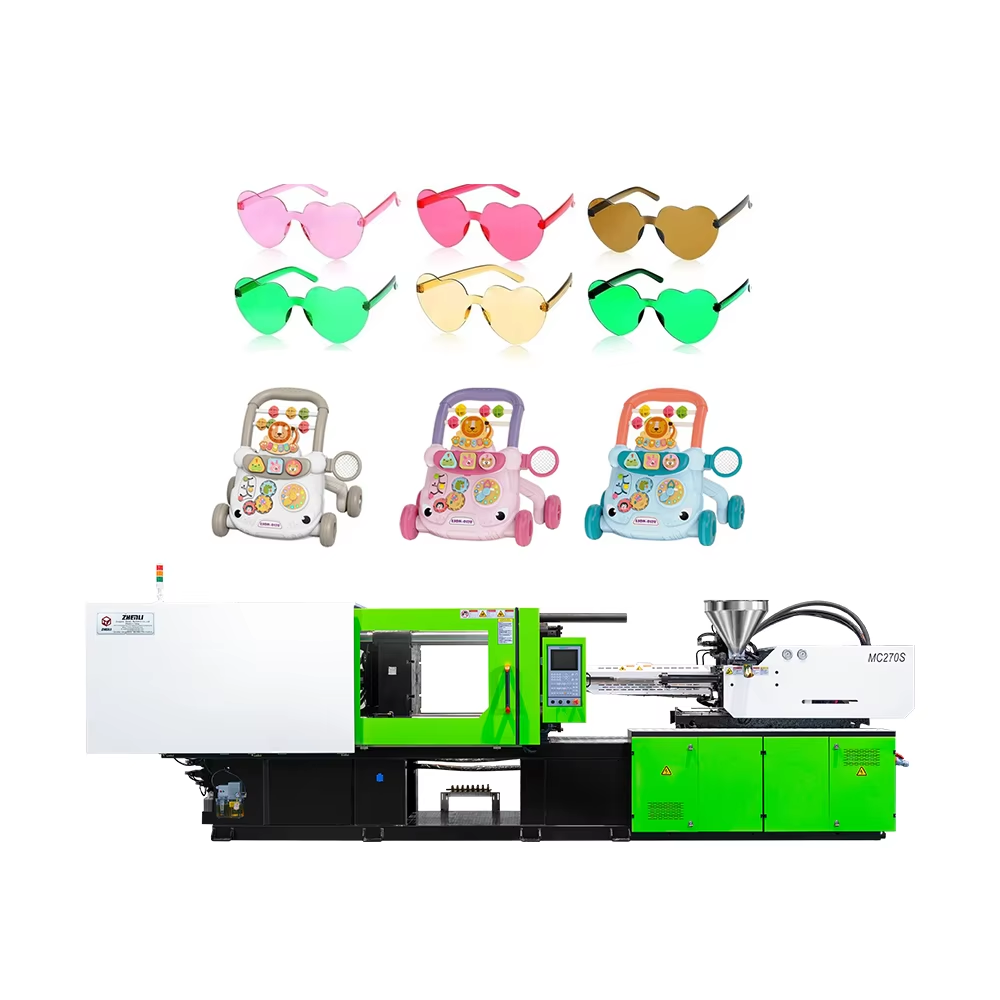
Injection machine manufacturers are pioneers of industrial manufacturing, designing and producing precision equipment that transforms raw materials (plastics, metals, silicone, composites) into finished components via injection molding technology. These manufacturers play a critical role in global supply chains, serving industries from automotive and electronics to medical devices and consumer goods—delivering machines that balance performance, efficiency, and reliability. A leading injection machine manufacturer’s operations are anchored by a state of the art production facility (20,000–35,000 ㎡) equipped with over 30 CNC precision machines (including 5 axis milling, EDM, and laser cutting), robotic assembly stations, and advanced testing equipment. This infrastructure ensures the production of high precision components (screws, barrels, hydraulic cylinders, control systems) that meet strict tolerances (±0.005 mm) and ensure machine durability. The R&D team, comprising 40+ engineers specialized in materials science, fluid dynamics, automation, and software engineering, drives continuous innovation—focusing on electric and hybrid drive systems (reducing energy consumption by 30–40%), intelligent control systems with AI integration (for predictive maintenance and process optimization), and modular designs that enable rapid customization. The product portfolio covers a wide spectrum of injection machines: horizontal models (most common, for high volume production), vertical models (for insert molding and space constrained environments), micro injection machines (for components as small as 0.1 mm), and multi component machines (2K/3K molding for complex parts). Tonnages range from 10 tons (small precision parts) to 5000 tons (large structural components), with clamping forces and injection units tailored to material properties—e.g., high pressure systems for engineering plastics, low shear systems for silicone. Quality control is a cornerstone of manufacturing, with manufacturers adhering to international standards (ISO 9001, CE, FDA, IATF 16949). Testing protocols include raw material inspection, in process component testing (CMM, ultrasonic, and tensile testing), and full load performance validation (72 hours of continuous operation) to ensure machines meet safety, performance, and reliability requirements. Customization capabilities allow manufacturers to adapt machines to unique customer needs: modifying injection units for specialized materials, integrating automation (robotic part extraction, inline inspection), upgrading control systems for advanced data logging, or designing cleanroom compatible machines for medical applications. Global reach is a key strength, with manufacturers serving customers in 60+ countries through regional sales and service centers, localized production facilities, and partnerships with global logistics providers. Customer support includes pre sales technical consulting, mold compatibility testing, sample production, on site installation and commissioning, operator training, and 24/7 after sales support with regional spare parts warehouses (ensuring delivery within 48 hours for emergency repairs). Sustainability is integrated into machine design, with energy efficient drives, heat recovery systems, and compatibility with recycled materials—aligning with global environmental goals. By combining engineering excellence, production scalability, and customer centric support, injection machine manufacturers enable businesses of all sizes to produce high quality components efficiently—driving innovation and competitiveness in global markets.
 EN
EN