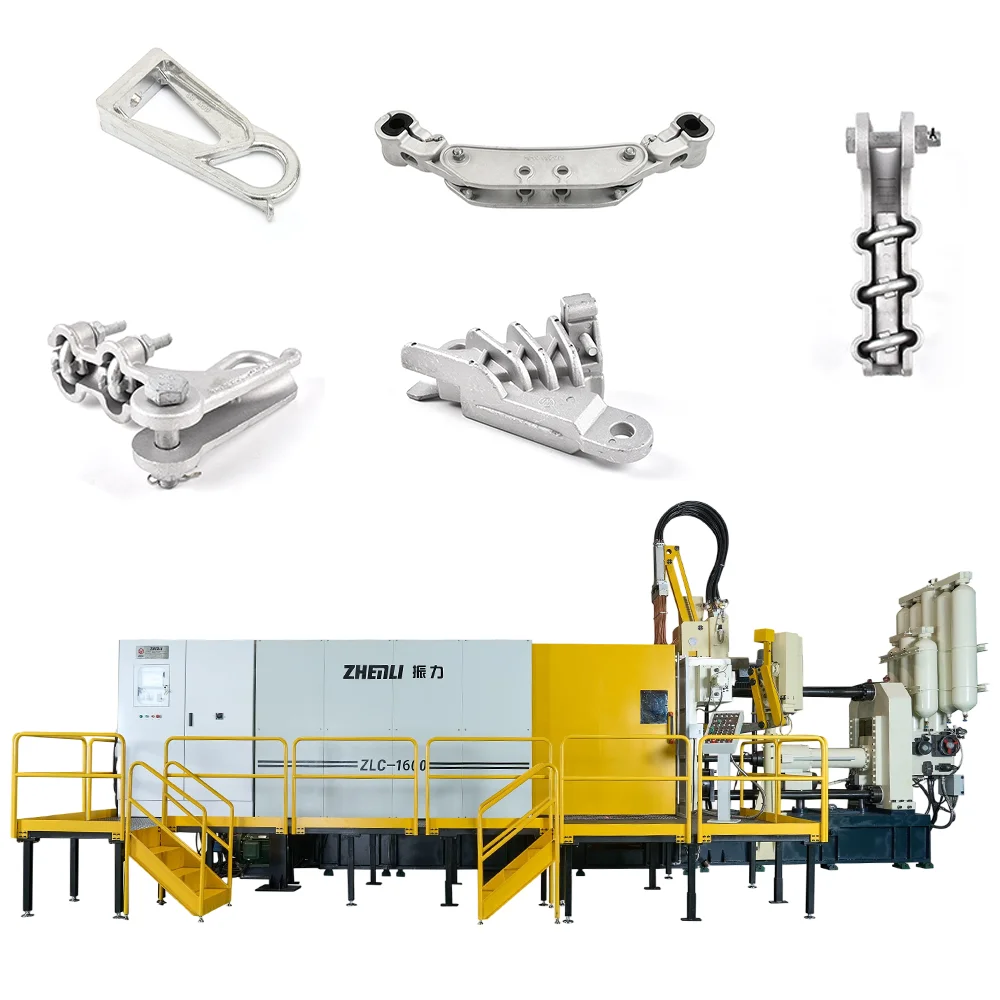
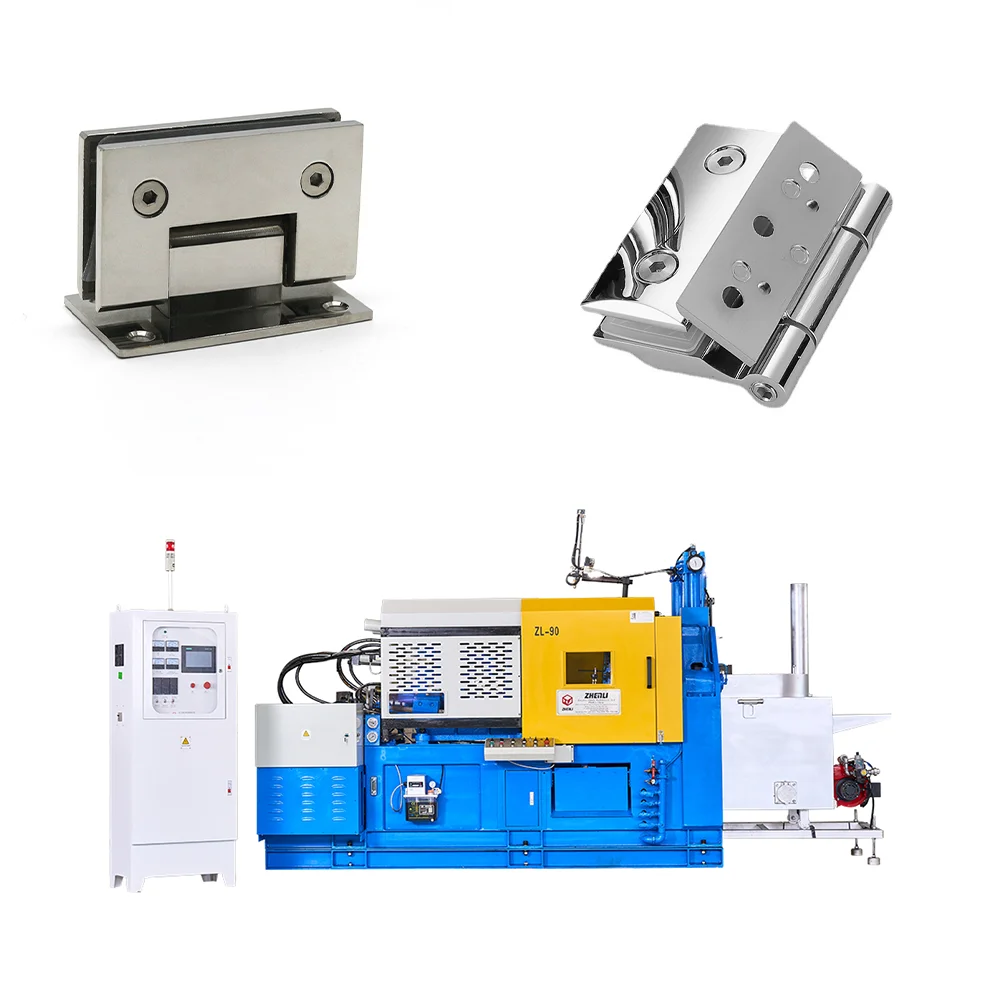
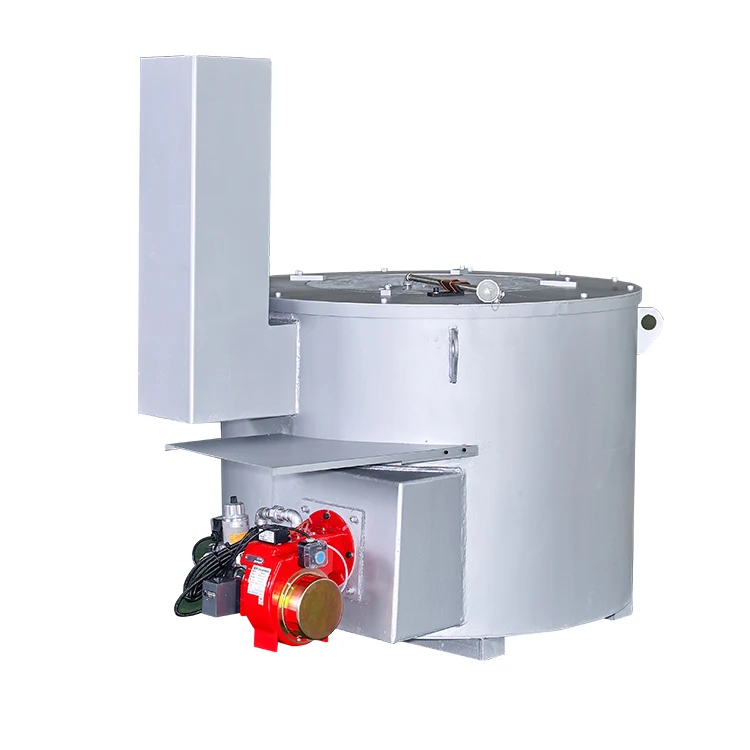
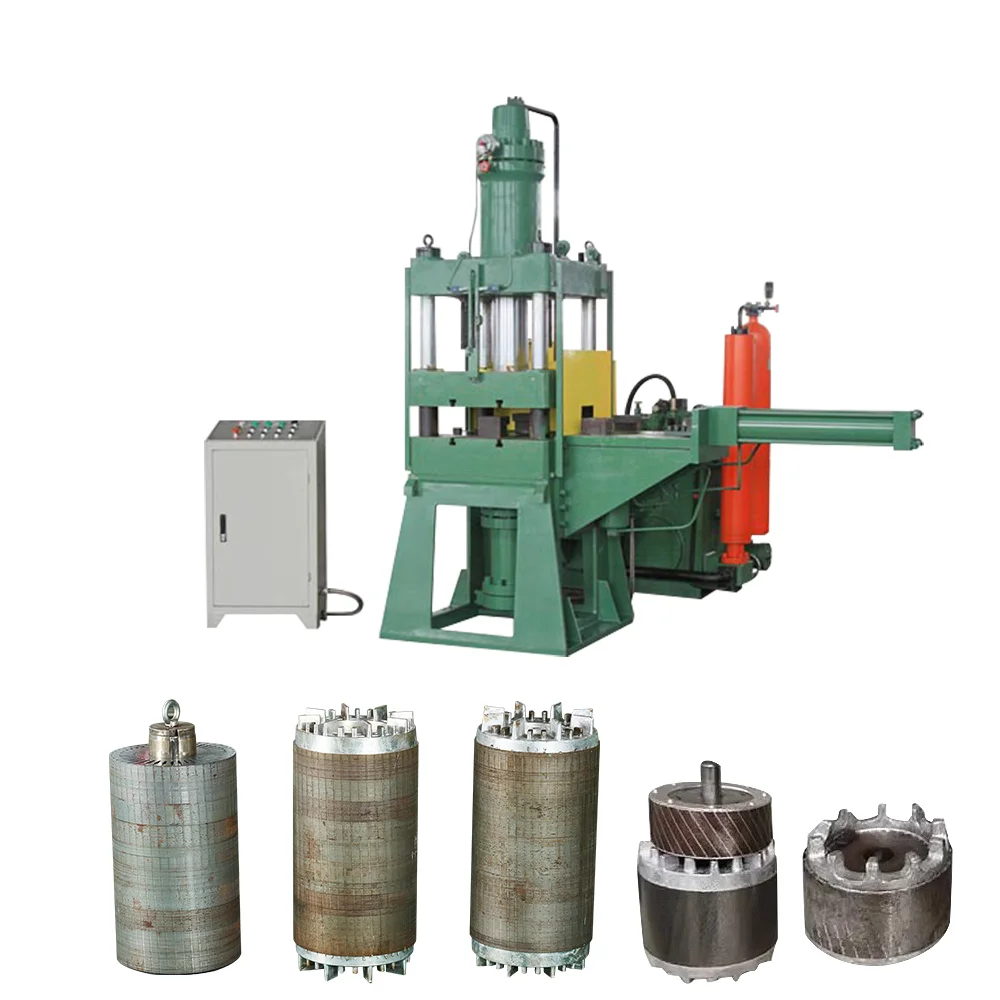
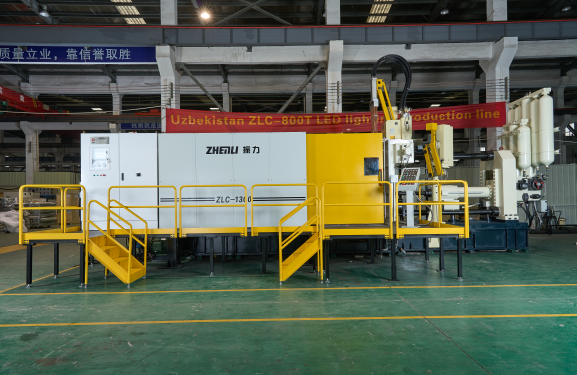
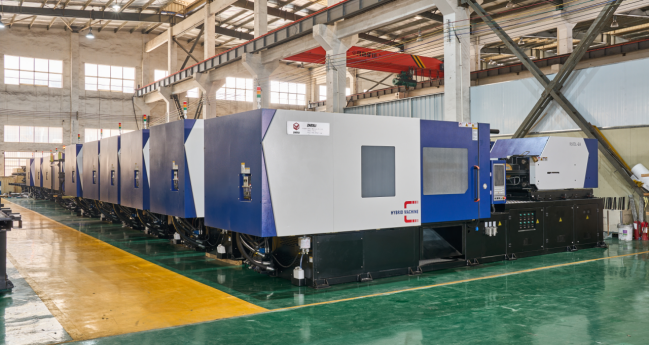
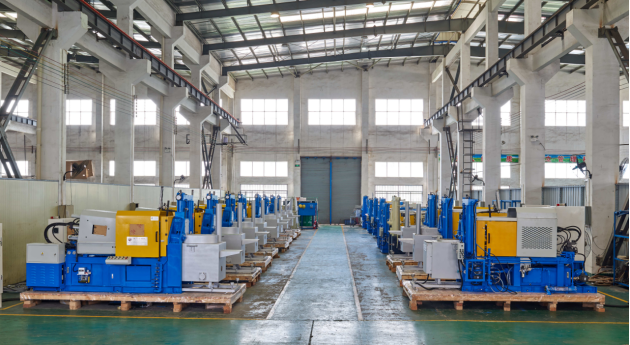
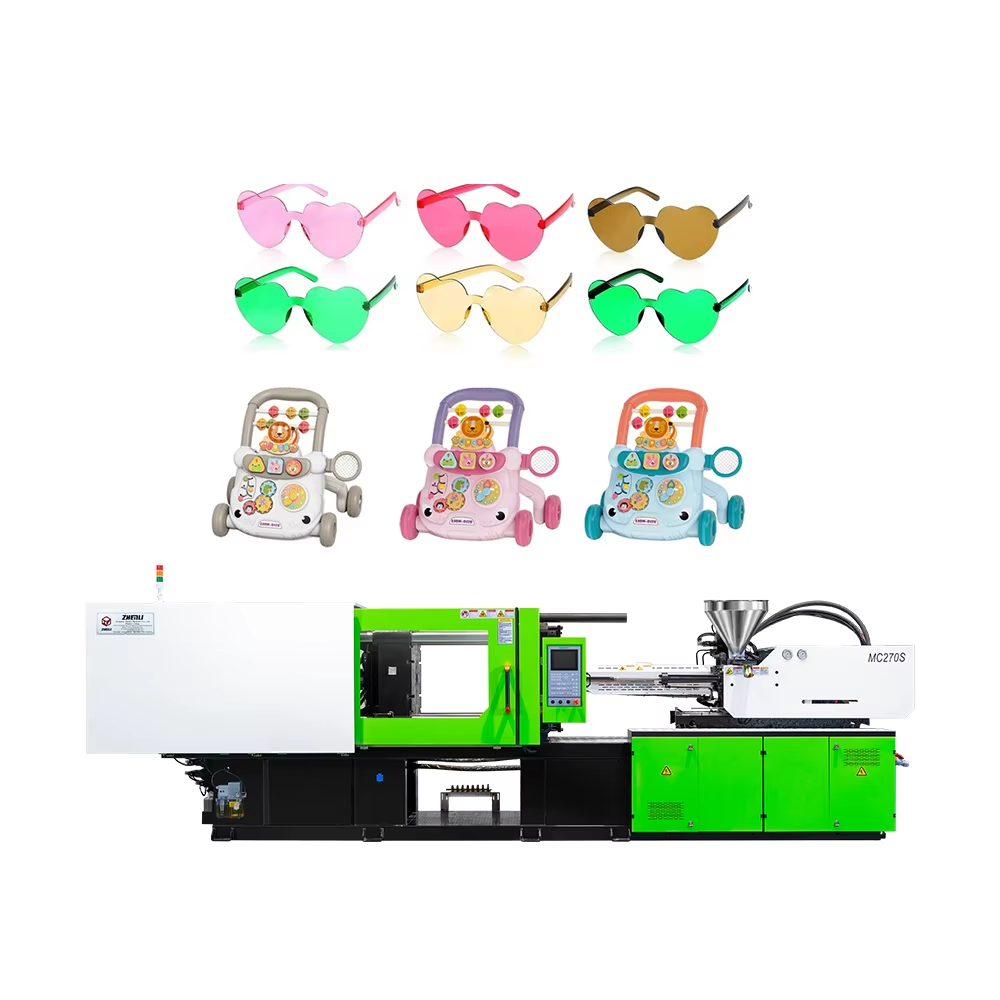
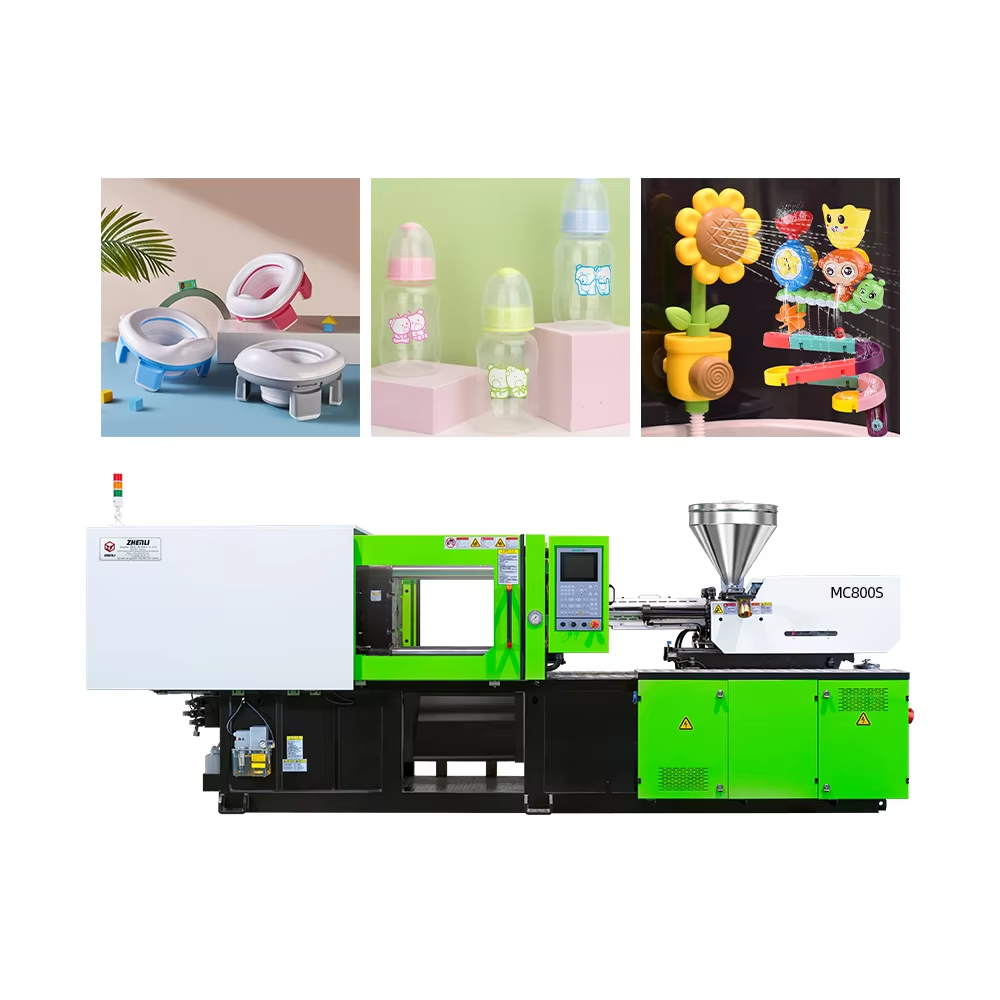
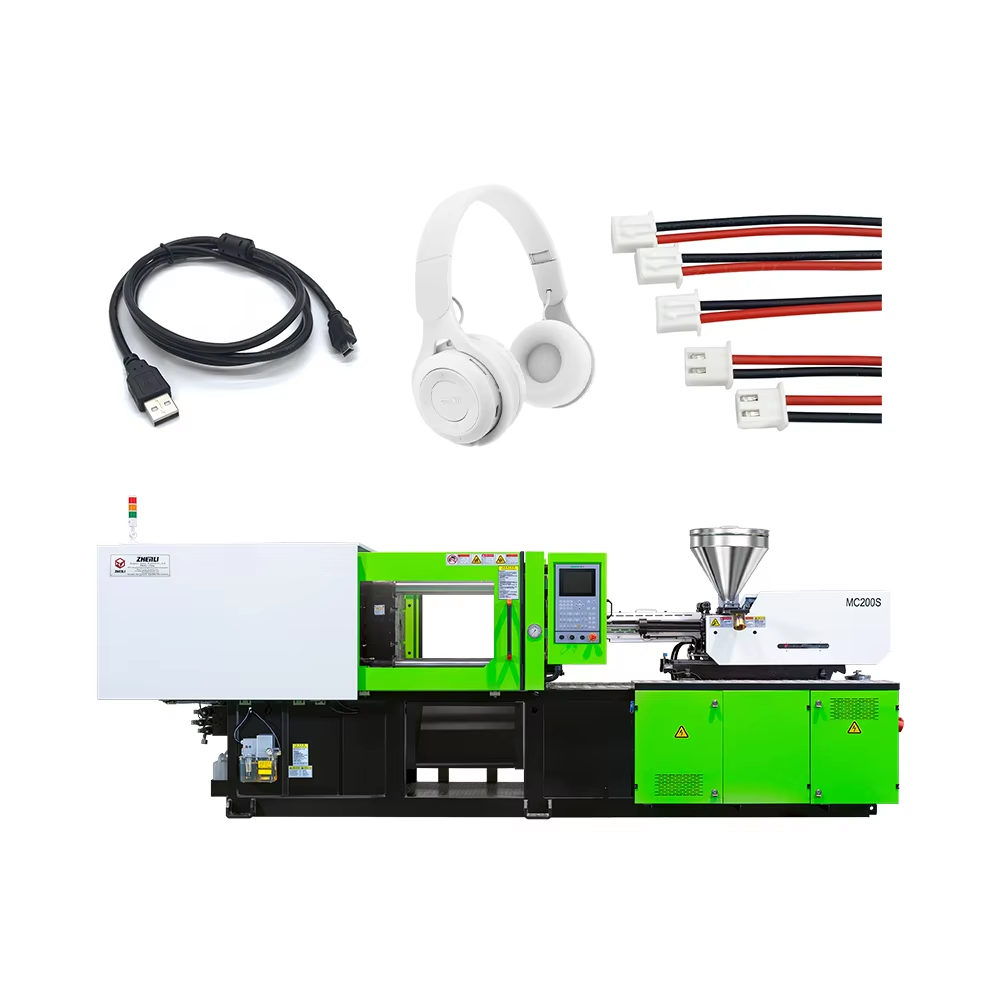
Hydraulic injection machine is a workhorse of industrial manufacturing, leveraging hydraulic power to deliver high clamping forces and injection pressures—making it ideal for producing large, heavy duty, or high volume plastic and metal components. These machines dominate industries such as automotive, construction, packaging, and industrial machinery, offering a balance of power, durability, and cost effectiveness. The core of the hydraulic injection machine is its hydraulic system, which uses pressurized oil to drive both the clamping unit and injection unit. The clamping system, available in tonnages from 50 to 5000 tons, delivers uniform clamping force (±1% of set value) to secure molds during high pressure injection—preventing flash and ensuring dimensional consistency for parts with complex geometries or thick walls (up to 50 mm). The hydraulic drive provides smooth, precise movement of the moving platen, with positioning accuracy of ±0.01 mm—critical for maintaining mold alignment over thousands of cycles. The injection unit features a heated barrel (zone temperature control ±2°C) and a single screw design that melts and homogenizes raw material (plastics, metal powder feedstock) before injection. The hydraulic injection system delivers material at pressures ranging from 50 to 200 MPa and speeds of 0.5–15 m/s, ensuring complete filling of mold cavities—even for parts with thin walls (1–2 mm) or intricate details. A key advantage of hydraulic injection machines is their ability to handle high viscosity materials (e.g., filled plastics, engineering resins) and maintain consistent performance during long production runs (24/7 operation). Equipped with an advanced intelligent control system (Siemens, Fanuc, ARCUCHI), the machine offers real time monitoring and adjustment of key parameters: hydraulic pressure, injection speed, barrel temperature, mold temperature, and cycle time. Recipe storage for 50–100 part configurations enables quick changeovers, while data logging supports traceability and process optimization (SPC). Energy efficiency has been significantly improved in modern hydraulic injection machines, with features such as variable displacement pumps, load sensing systems, and heat recovery—reducing power consumption by 20–25% compared to older models. Safety features comply with global standards (CE, OSHA, ISO 13849), including safety fences, light curtains, emergency stop buttons, pressure relief valves, and leak detection sensors (to prevent hydraulic oil spills). Customization options include multi cavity mold compatibility, specialized injection units for high temperature materials (e.g., PEEK, nylon), extended tie bar lengths for large molds, and integration with automation (robotic part extraction, inline trimming). Leading manufacturers offer one stop service, including technical consulting to select the optimal machine tonnage and configuration, mold compatibility testing, sample production validation, on site installation and commissioning, operator training (on hydraulic system maintenance and safe operation), and global after sales support with regional spare parts warehouses. Whether producing automotive bumpers, large plastic containers, or industrial gear housings, hydraulic injection machines deliver the power, durability, and reliability required for demanding manufacturing applications—making them a trusted choice for high volume, heavy duty production.
 EN
EN