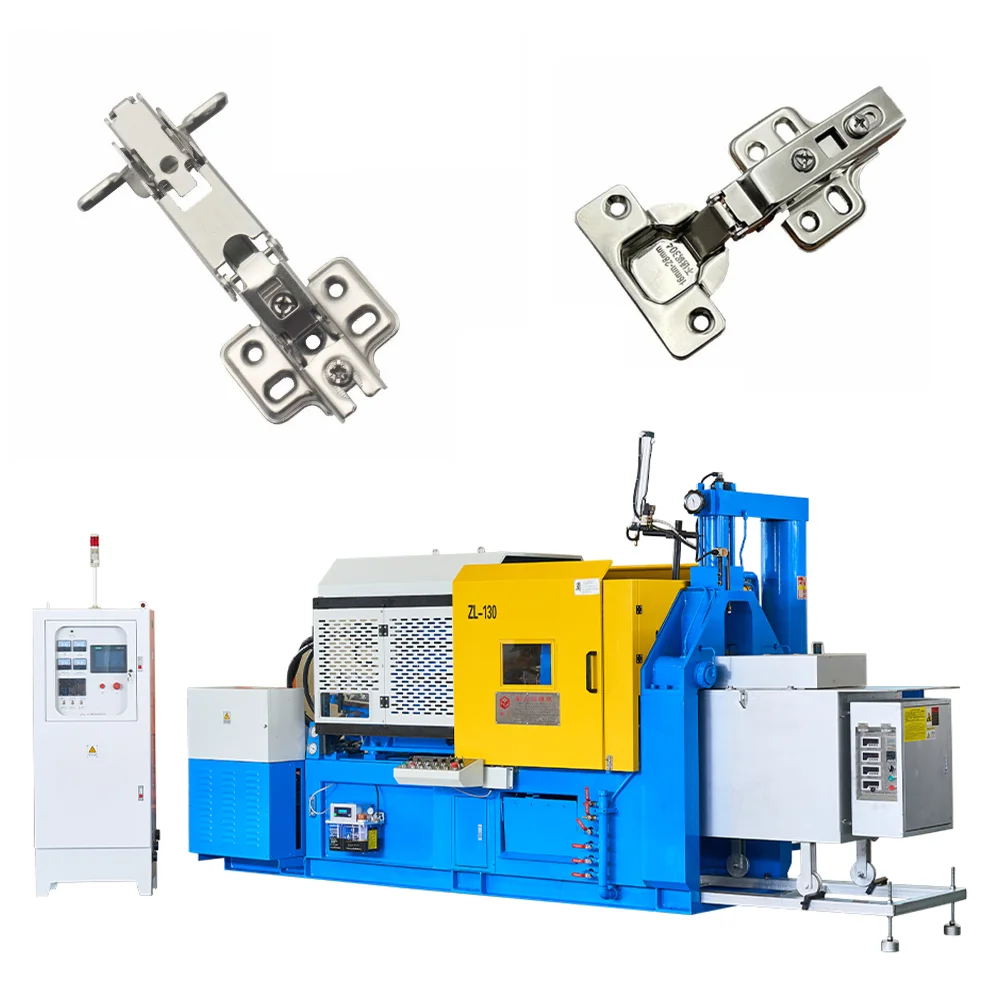
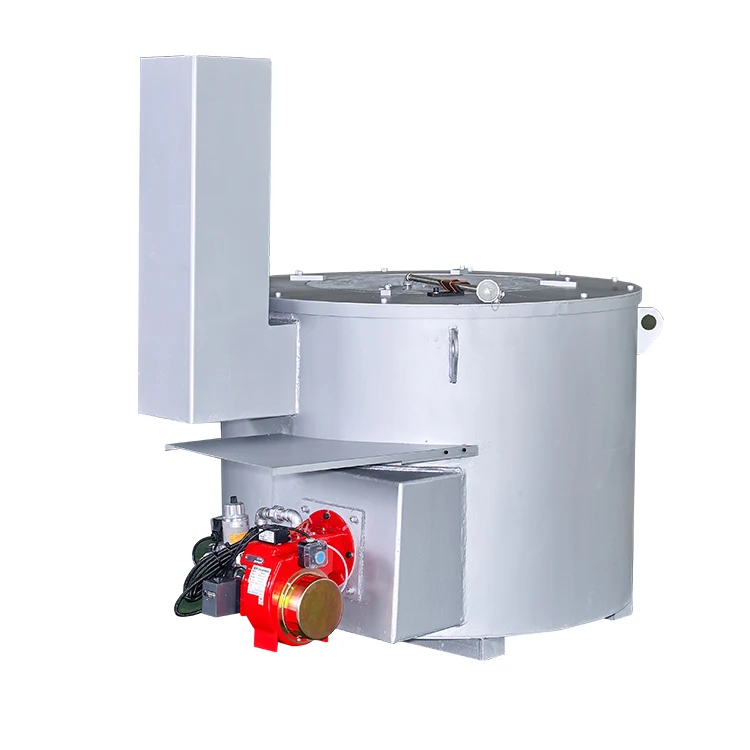
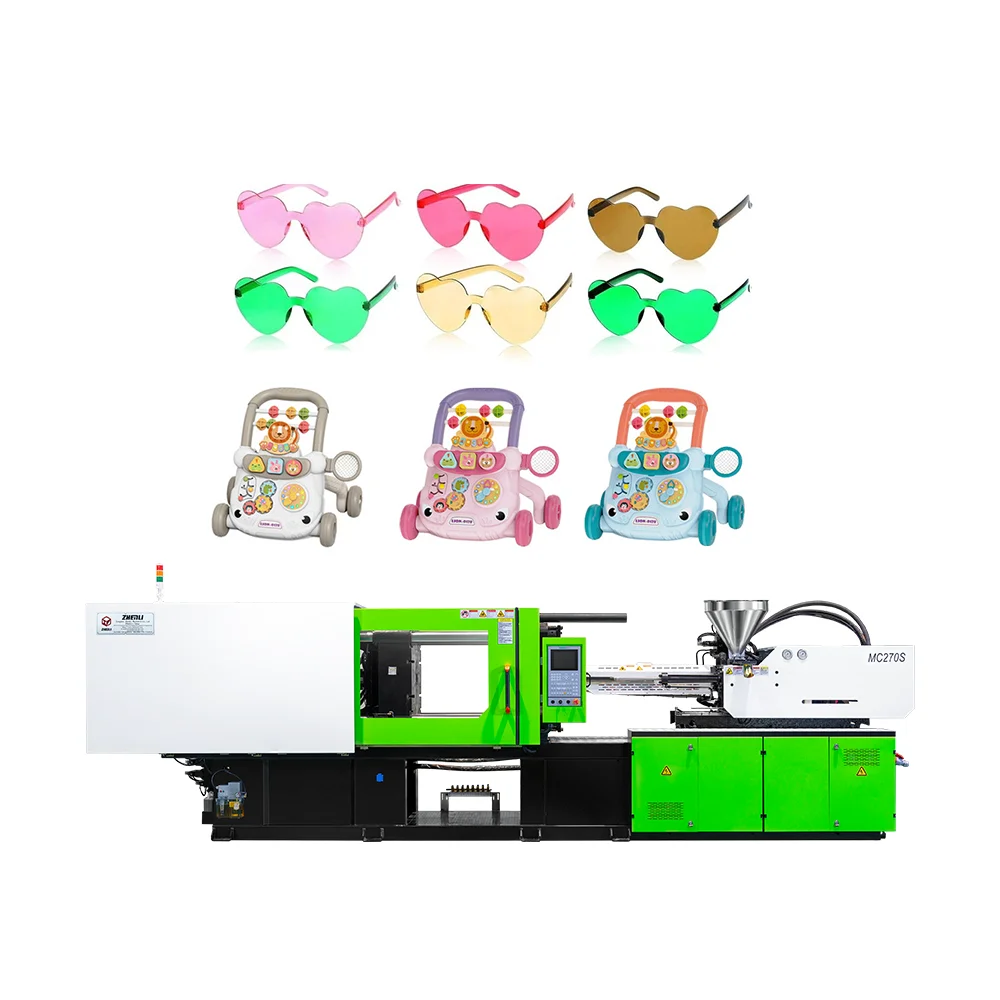
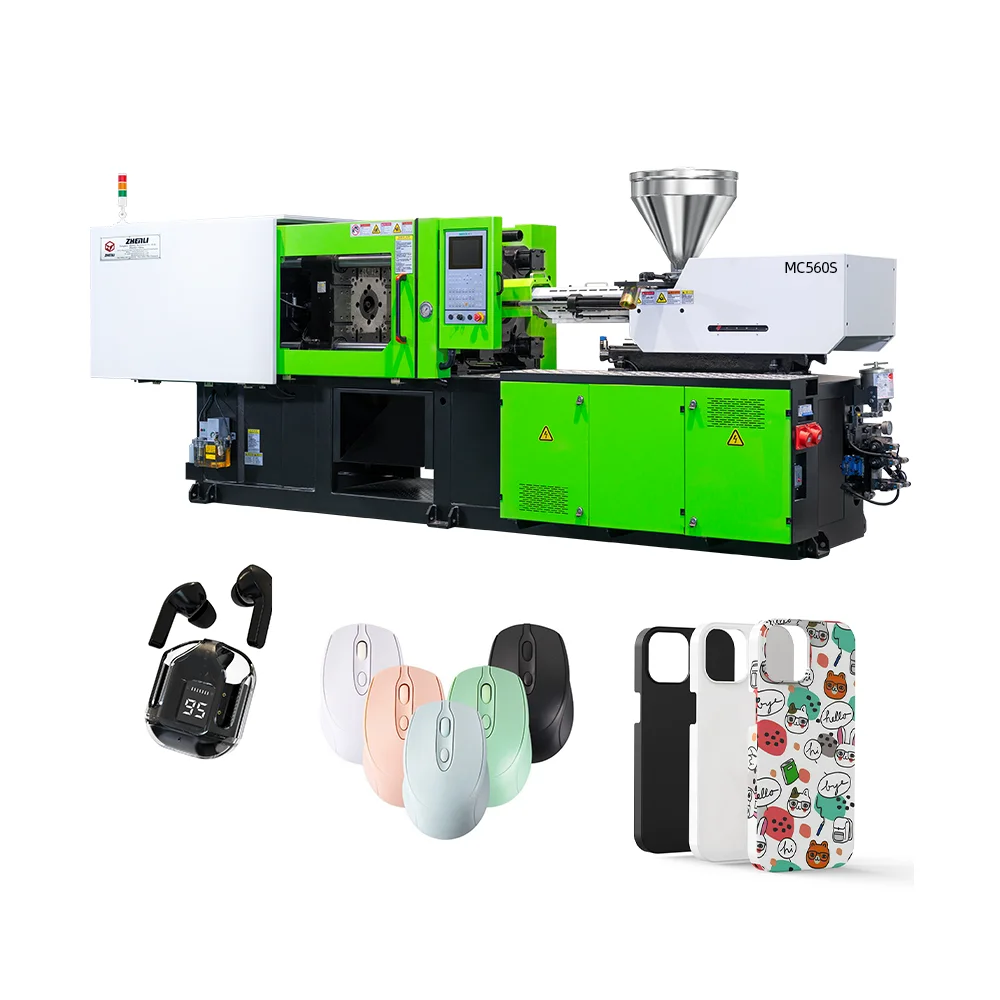
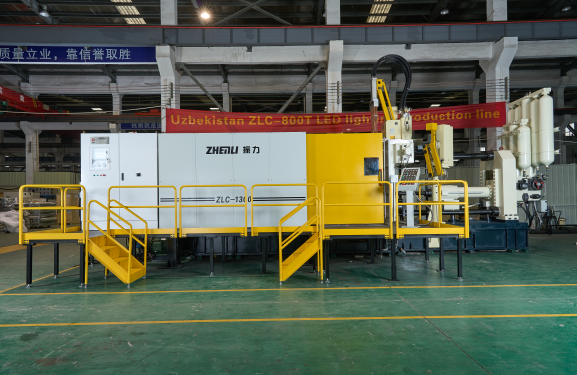
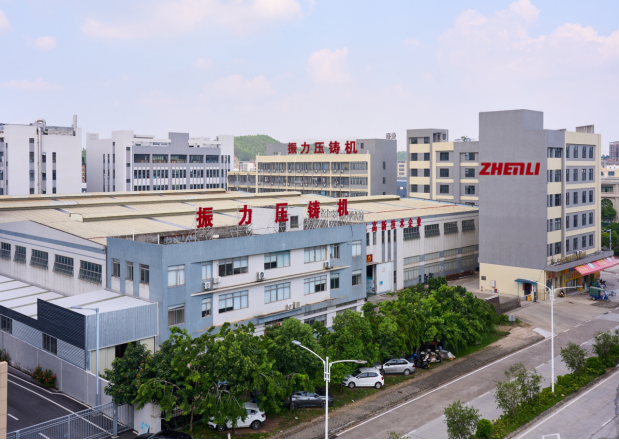
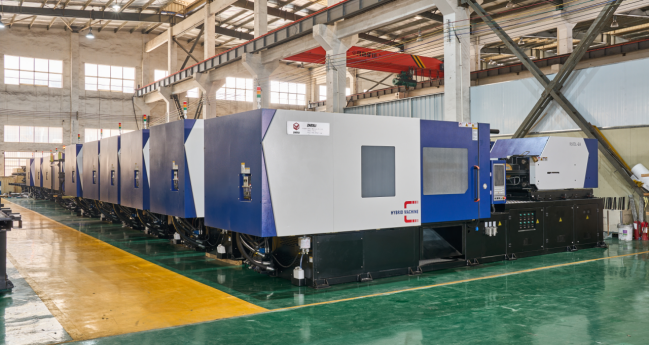
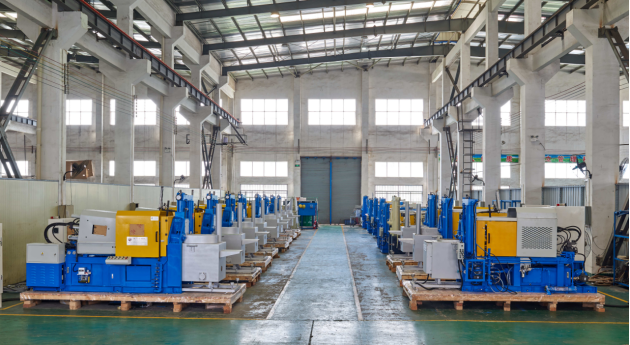
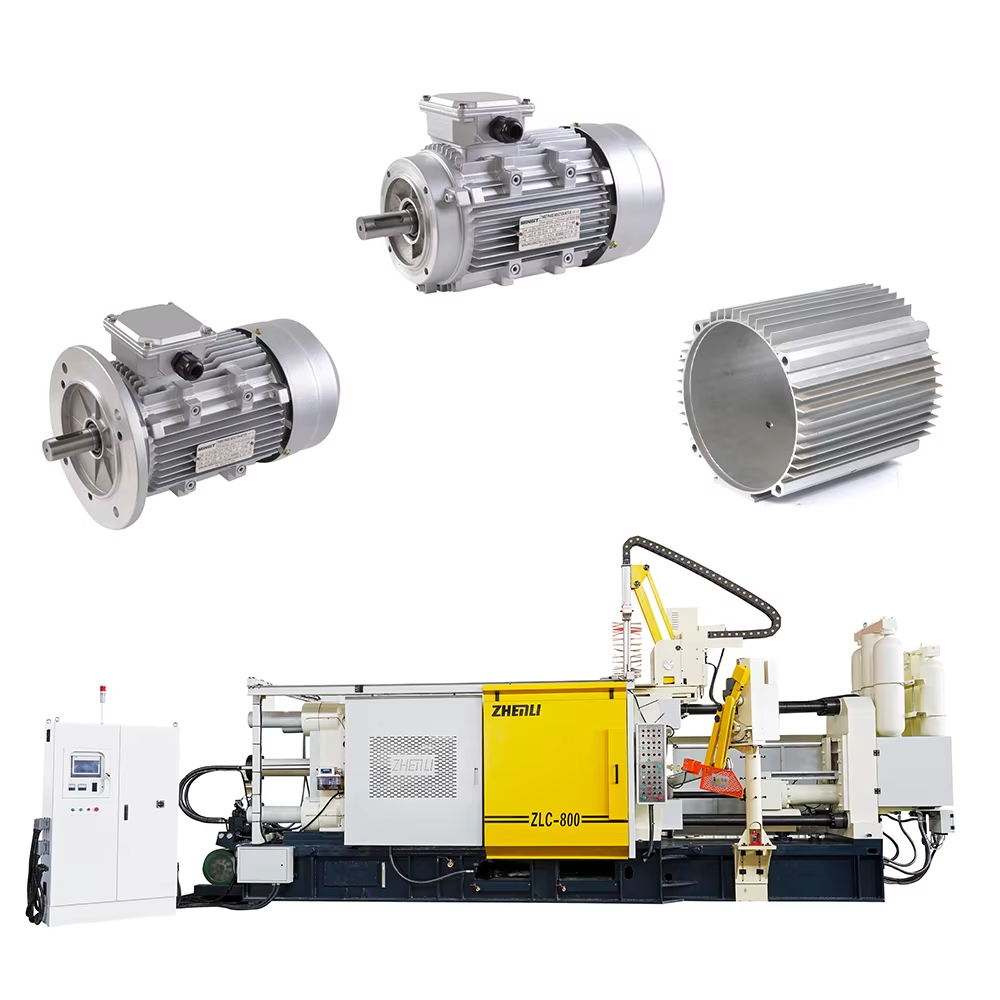
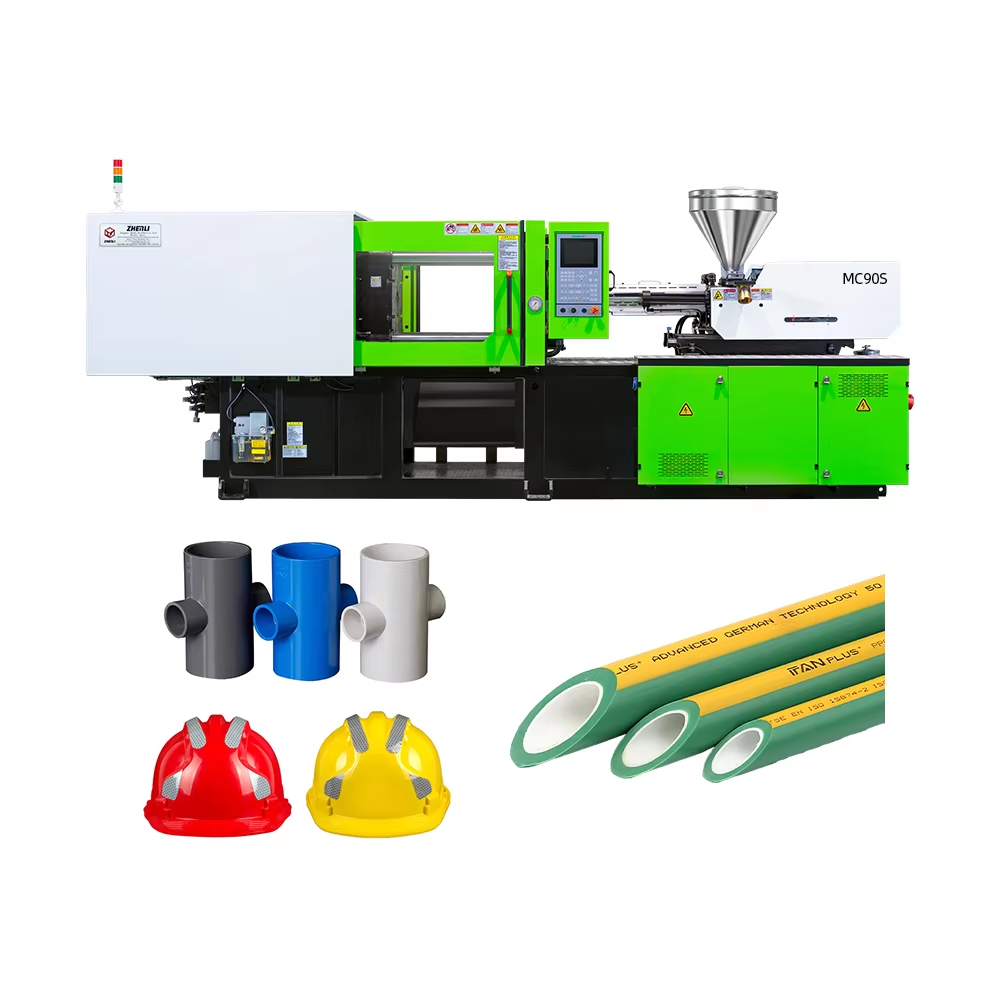
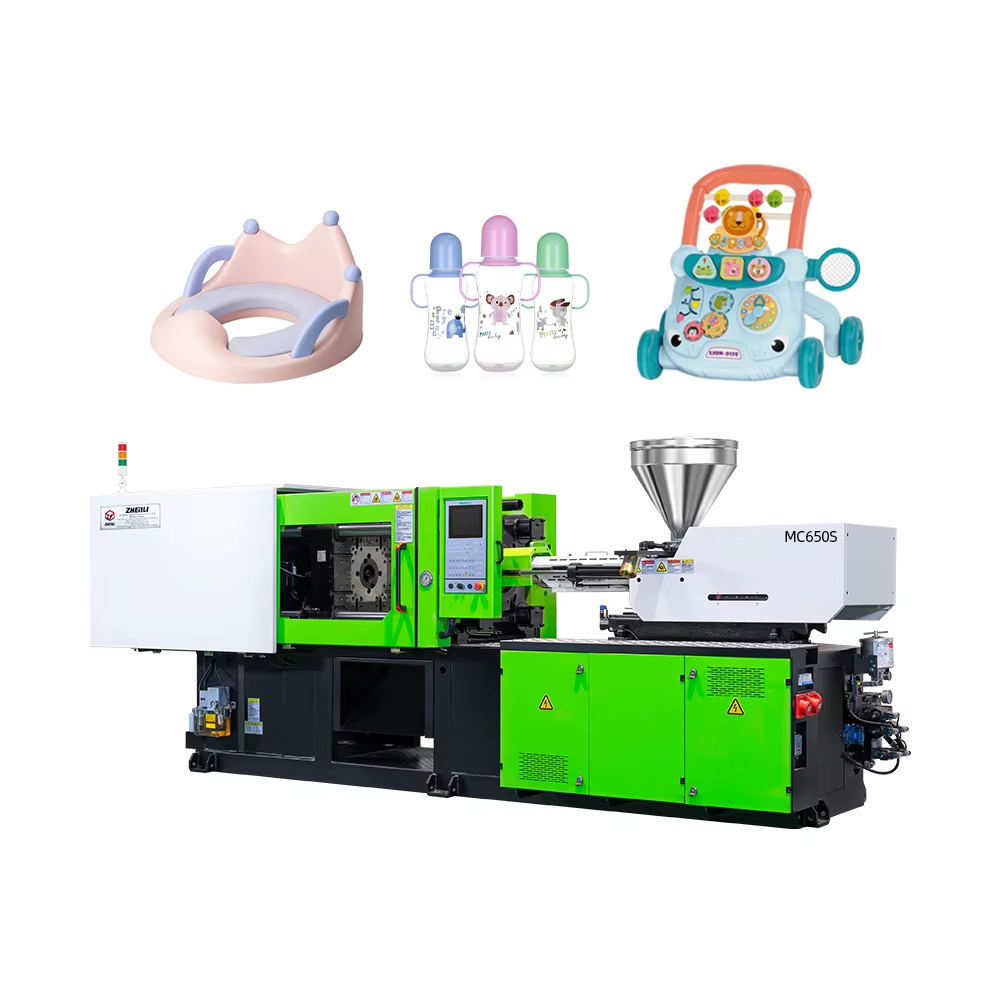
Injection molding machine manufacturers are the architects of modern manufacturing, designing and producing equipment that transforms raw materials (plastics, metal powders, composites) into precision components used in virtually every industry. These manufacturers distinguish themselves through engineering innovation, production expertise, quality control, and a customer centric approach that balances performance, efficiency, and affordability. A leading manufacturer’s production facility spans 15,000–30,000 ㎡, equipped with state of the art CNC precision machines (5 axis milling, EDM, laser cutting), robotic assembly lines, and advanced testing equipment—ensuring consistent quality of machine components (screws, barrels, hydraulic systems, control panels). The R&D team, comprising engineers specialized in materials science, fluid dynamics, and automation, drives continuous improvement—developing technologies such as electric and hybrid drive systems (reducing energy consumption by 30%), AI powered process optimization (minimizing defect rates), and modular designs (enabling 40% faster customization). The product portfolio covers diverse machine types: horizontal injection molding machines (most common, for high volume production), vertical models (for insert molding and space constrained environments), and specialized machines (metal injection molding, PET preform molding, micro injection molding). Tonnages range from 10 to 5000 tons, with clamping forces and injection units tailored to material properties—e.g., high temperature barrels for engineering plastics, precision screws for metal powders. Quality control is embedded in every stage of manufacturing: raw material inspection (spectral analysis, hardness testing), in process component testing (CMM, ultrasonic inspection), and full load performance validation (72 hours of continuous operation) to ensure machines meet ISO 9001, CE, FDA, and IATF 16949 standards. Customization is a core competency, with manufacturers offering drawing based modifications to adapt machines to unique part geometries, production volumes, and material requirements—from integrating automated mold change systems to upgrading control panels (Siemens, Fanuc) for advanced data logging. Global manufacturing and supply chain capabilities allow manufacturers to serve customers in 50+ countries, with localized production facilities in key regions to reduce lead times and logistics costs. Customer support extends beyond shipment: manufacturers provide technical consulting (design for manufacturability), mold compatibility testing, sample production, on site installation and commissioning, operator training, and 24/7 after sales support with regional spare parts warehouses. Sustainability is a key focus, with manufacturers designing machines for energy efficiency, recyclable material compatibility, and reduced environmental impact (lower noise, waste, and emissions). By combining engineering excellence, production scalability, and global support, injection molding machine manufacturers empower customers to produce high quality components efficiently—driving innovation and competitiveness in automotive, electronics, packaging, medical, and consumer goods markets worldwide.
 EN
EN