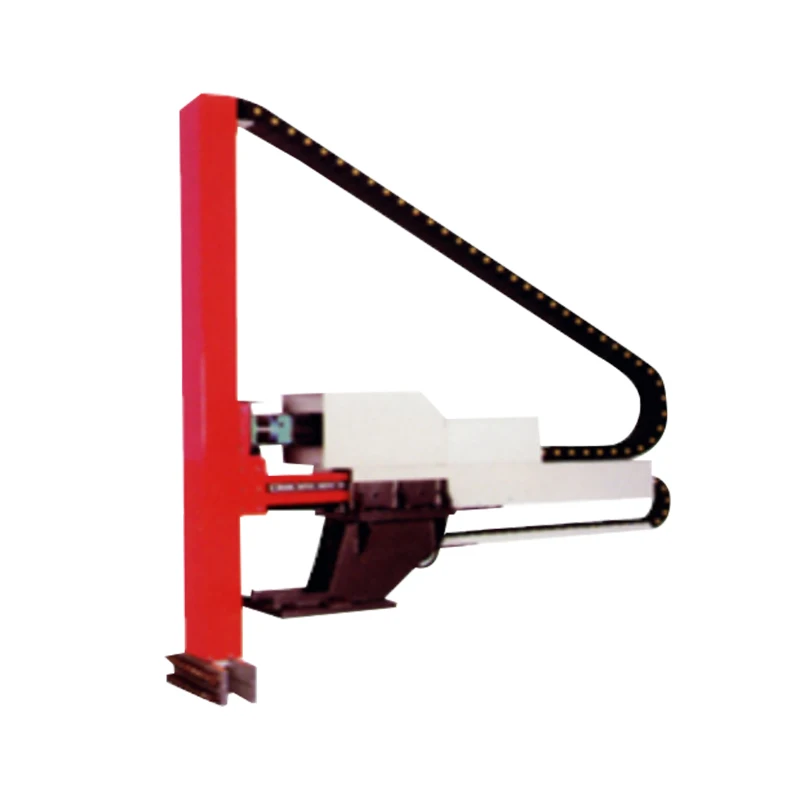
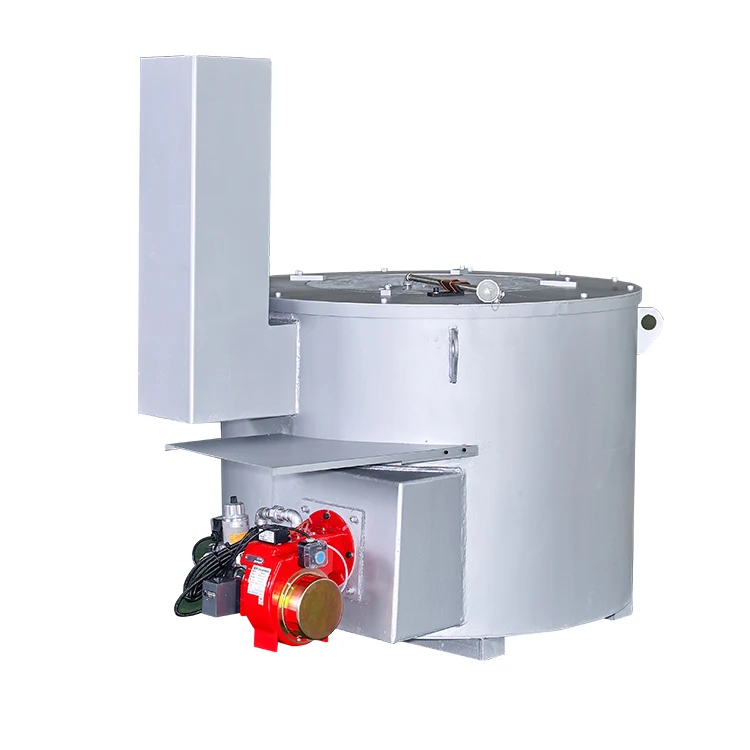
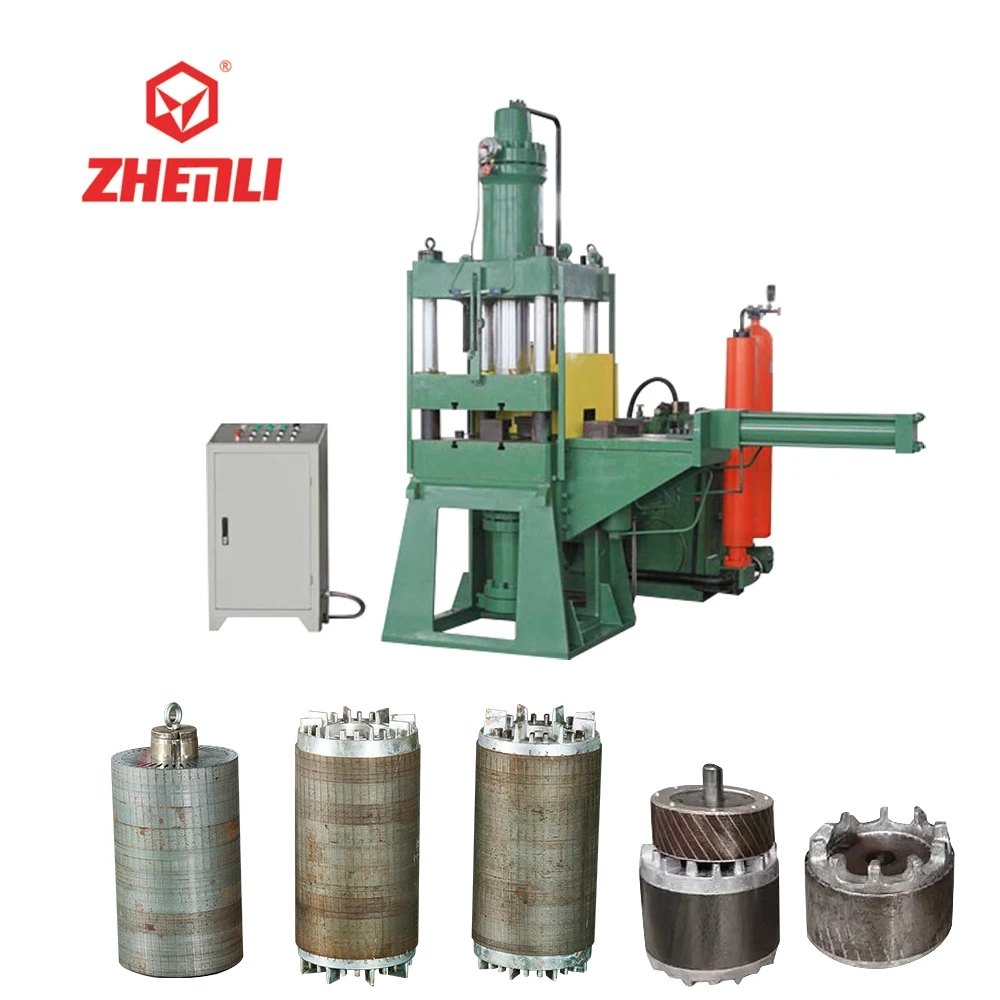
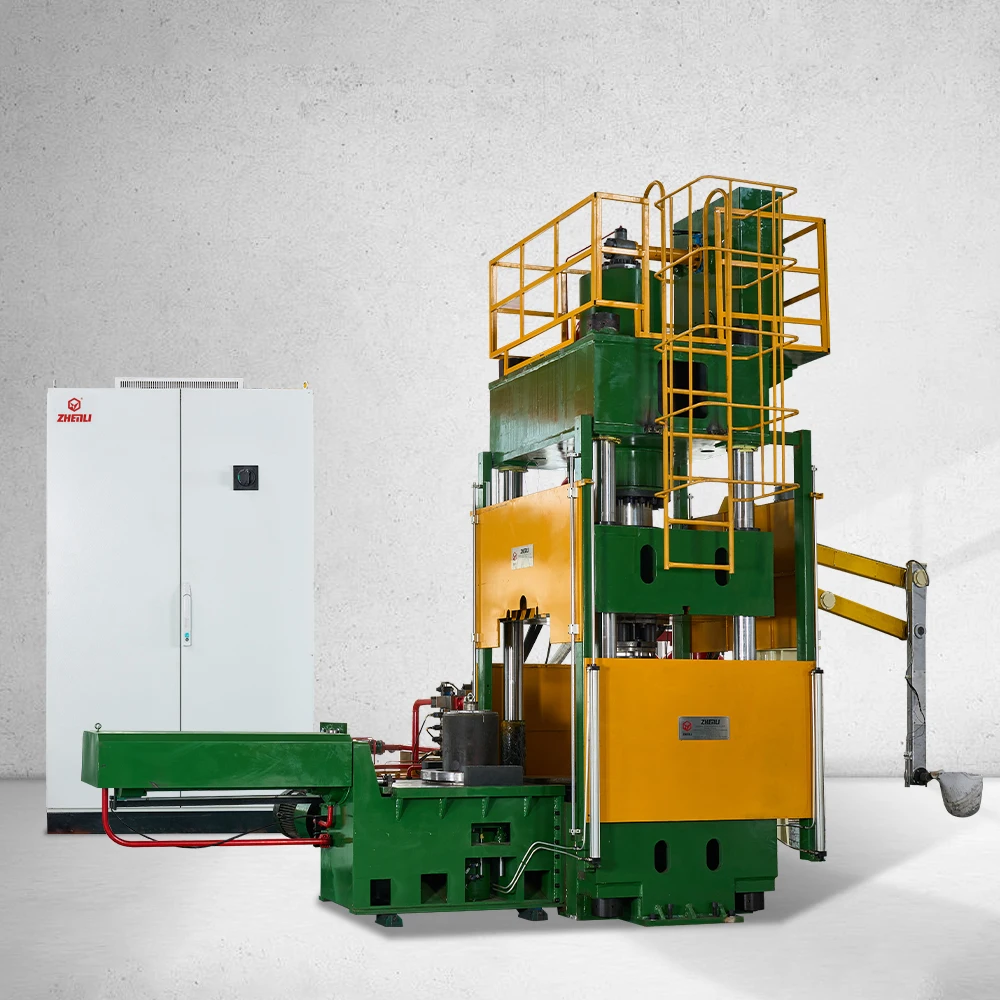
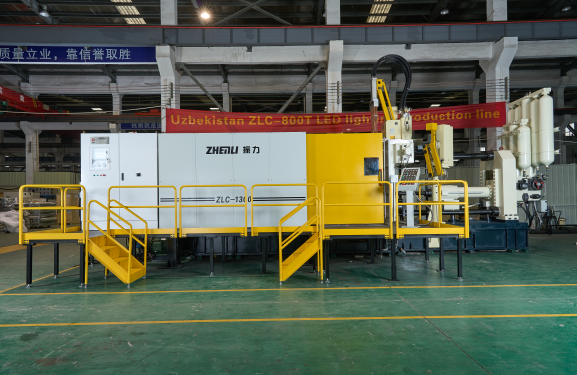
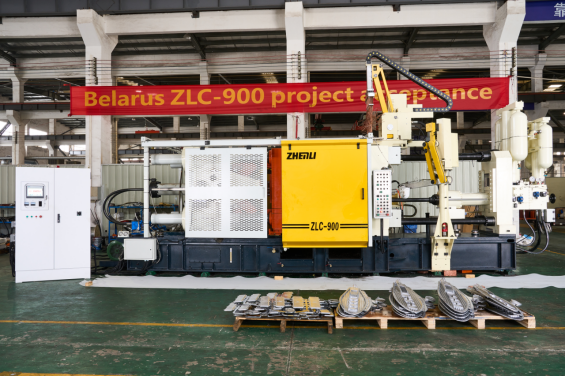
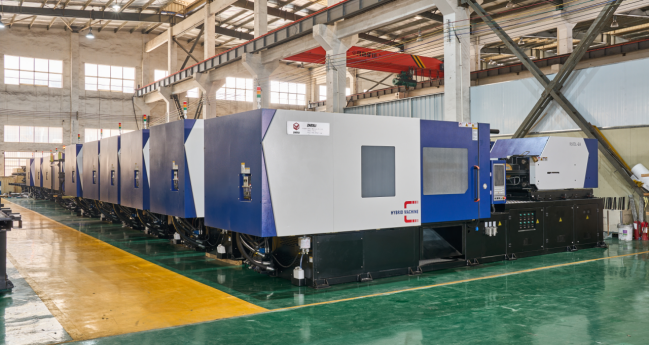
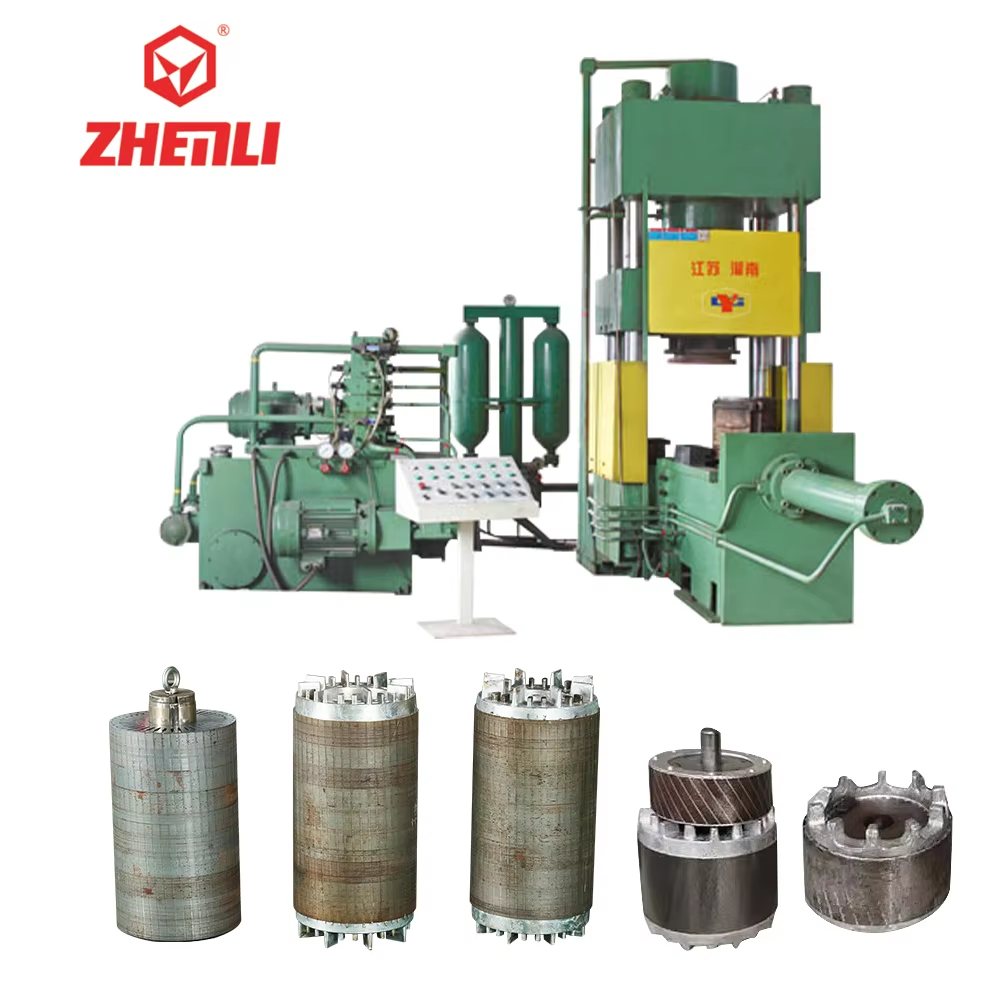
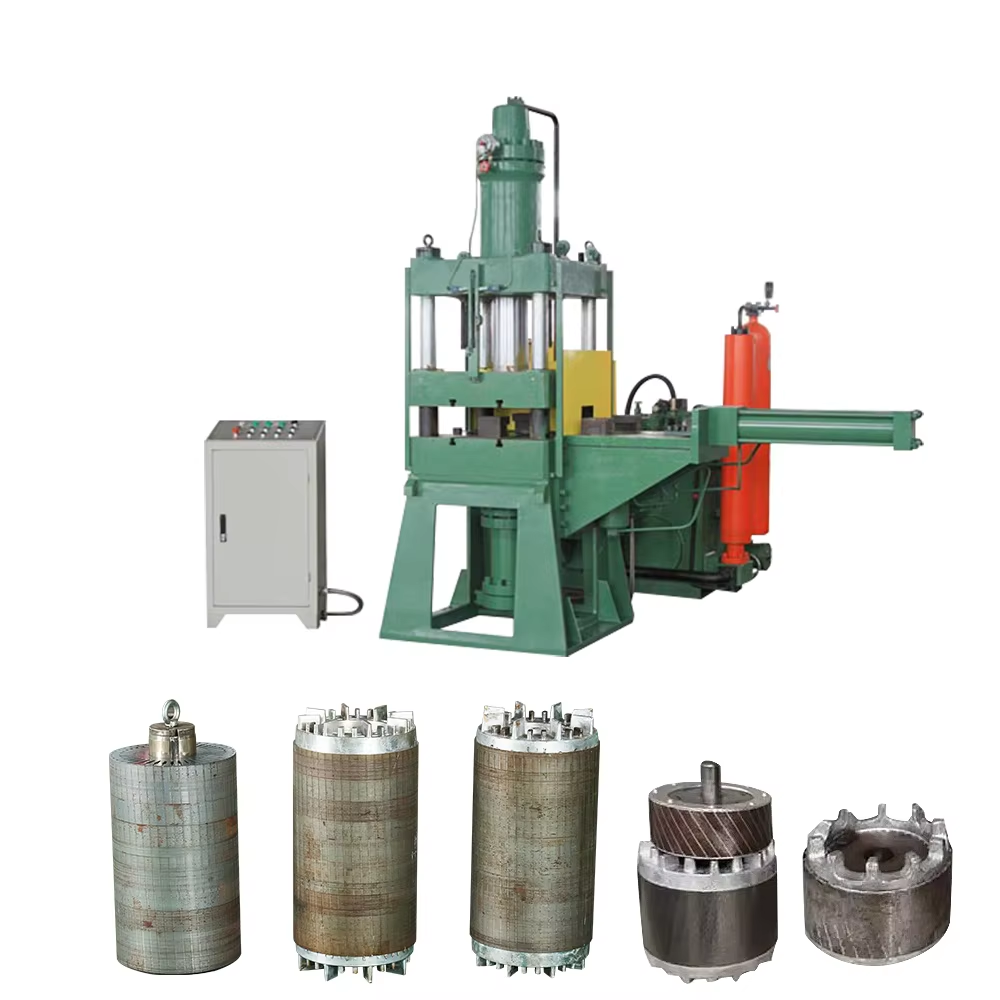
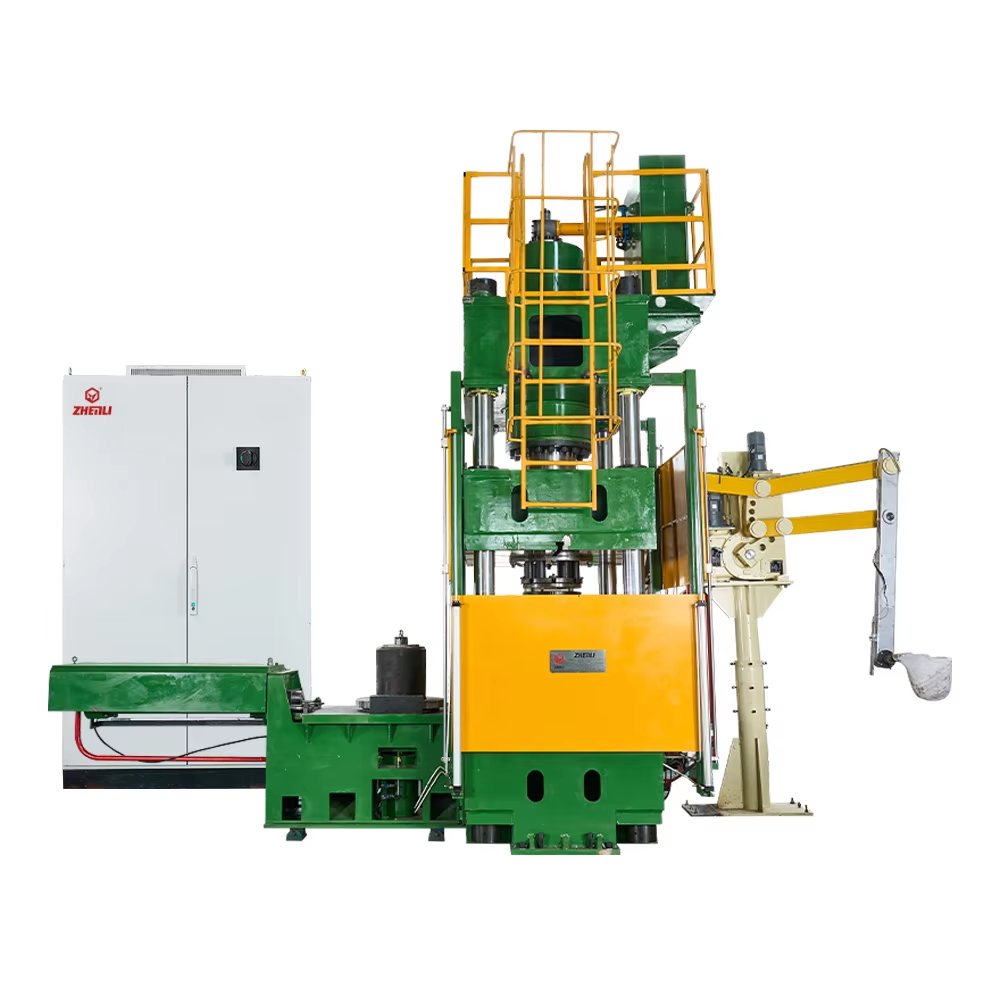
Rotor casting machines leverage centrifugal force to produce high precision, balanced rotor components for electric motors and generators—Zhenli’s rotor casting machines are engineered to excel in rotational control, production efficiency, material utilization, and multi specification compatibility, meeting the demands of automotive, household appliance, and industrial motor manufacturing. A core technical feature of Zhenli’s rotor casting machines is their precise rotational speed control, a critical factor in ensuring rotor balance and density. The machines offer adjustable speeds ranging from 500 to 2000 rpm, with a speed stability of ±5 rpm—allowing optimization for different rotor sizes and materials. For small aluminum rotors (diameter 50mm, used in fans), a high speed (1800 rpm) generates strong centrifugal force (200 300 G) to eliminate internal bubbles, resulting in a casting density of 99%+; for large copper rotors (diameter 300mm, used in industrial motors), a lower speed (800 rpm) prevents mold deformation while ensuring uniform metal distribution. This precision translates to exceptional rotor balance: the unbalance 量 of finished rotors is ≤0.5 g・cm, meeting the strict standards of automotive motors (e.g., electric vehicle drive motors) and high speed fans. A motor manufacturer using Zhenli’s machines reports a 3% 5% increase in motor efficiency, as balanced rotors reduce energy loss from vibration and friction. Continuous production capability is another key advantage, enabled by a multi station turntable design (3 6 stations). Each station performs a specific task: station 1 loads the rotor core into the mold, station 2 injects molten metal, station 3 cools the casting, station 4 ejects the finished rotor, and station 5 cleans the mold (optional). This parallel workflow eliminates idle time between cycles: a 4 station machine can produce 300 500 small rotors per hour, double the output of single station machines (150 200 rotors/hour). For a large motor manufacturer producing 10,000 rotors daily, this efficiency means meeting demand with 5 machines instead of 10, reducing capital investment by 50% and saving workshop space by 40%. The machines also integrate automatic material feeding systems (molten metal holding furnaces with temperature control) that ensure a continuous supply of metal, further minimizing downtime. High material utilization is achieved through precise molten metal control and centrifugal filling. The machines use a volumetric pouring system that dispenses metal with ±2% accuracy, avoiding over pouring common in manual casting. For example, when casting a copper rotor requiring 3kg of metal, the machine dispenses exactly 3.03 3.06kg—reducing material waste by 10% 15% compared to sand casting (which typically wastes 20% 25%). The centrifugal process also ensures molten metal fully fills the rotor’s slot cavities (critical for electrical conductivity), eliminating the need for secondary filling or machining. Over a year, a factory using 500 tons of copper monthly saves 60 90 tons of copper, cutting raw material costs by \(40,000 \)60,000 annually. Multi specification compatibility makes the machines suitable for diverse motor markets. Zhenli’s rotor casting machines support rotors for AC motors (diameter 50 300mm, length 50 500mm), DC motors (diameter 80 250mm), and generators (weight 5 50kg). Mold changing is simplified with quick release clamps and standardized mold bases: switching between a 100mm diameter AC rotor mold and a 150mm DC rotor mold takes 30 45 minutes, compared to 1 2 hours for traditional machines. The control system stores parameter profiles for 50+ rotor types, allowing operators to recall settings with one click—ideal for factories producing multiple motor models. For example, a Chinese motor manufacturer uses one Zhenli machine to produce rotors for both household appliance motors (small, aluminum) and industrial pump motors (large, copper), reducing equipment costs by 30%. Quality control features are integrated to ensure consistency: inline vision systems inspect rotor slot fill (detecting gaps with 0.1mm resolution) and surface defects (e.g., cracks, flash), while laser scanners verify outer diameter tolerance (±0.05mm). Defective parts are automatically rejected, maintaining a pass rate of 97% 98%. The machines also comply with global electrical standards (e.g., IEC 60034 for motors), ensuring rotors meet international market requirements. Zhenli provides end to end support, including mold design (optimizing slot geometry for centrifugal casting) and operator training, helping customers integrate the machines into existing production lines. With a service life of 8 10 years and low maintenance (annual costs <$3,000), Zhenli’s rotor casting machines deliver reliable performance for motor manufacturers seeking to enhance efficiency, quality, and flexibility.
 EN
EN