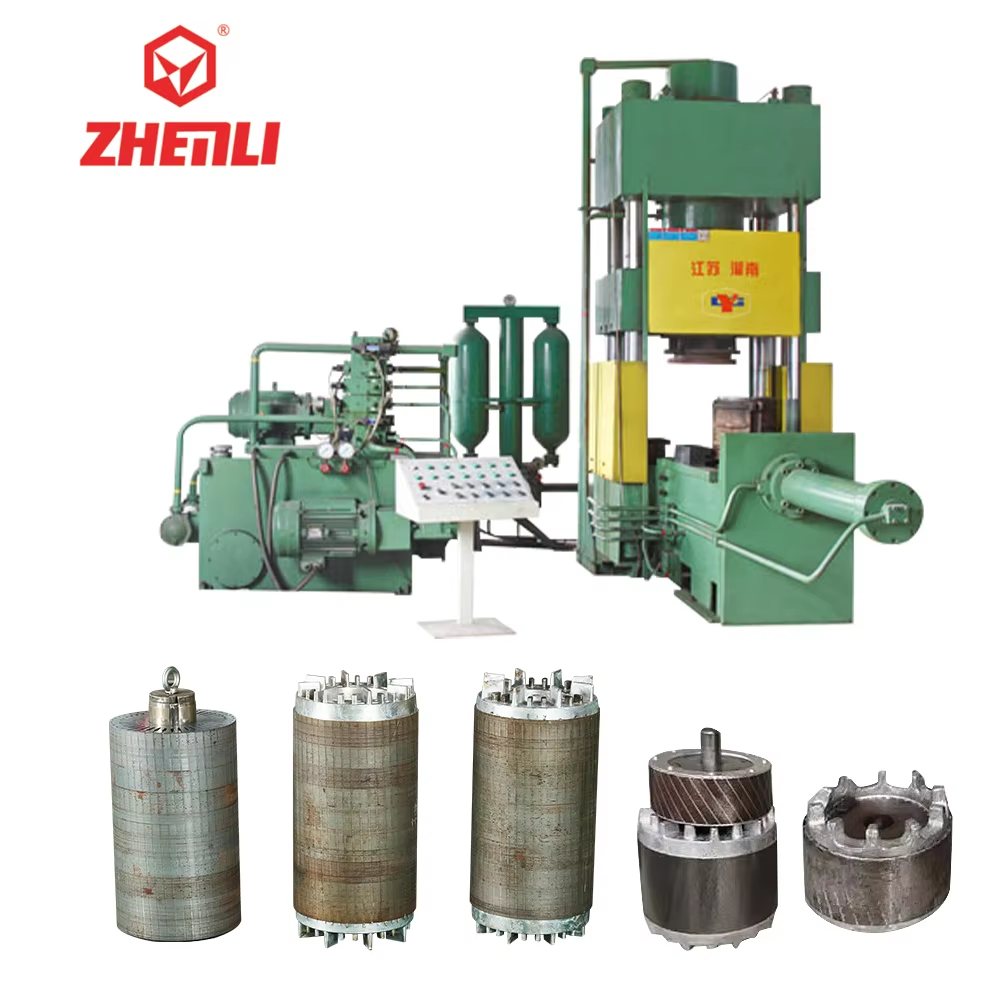
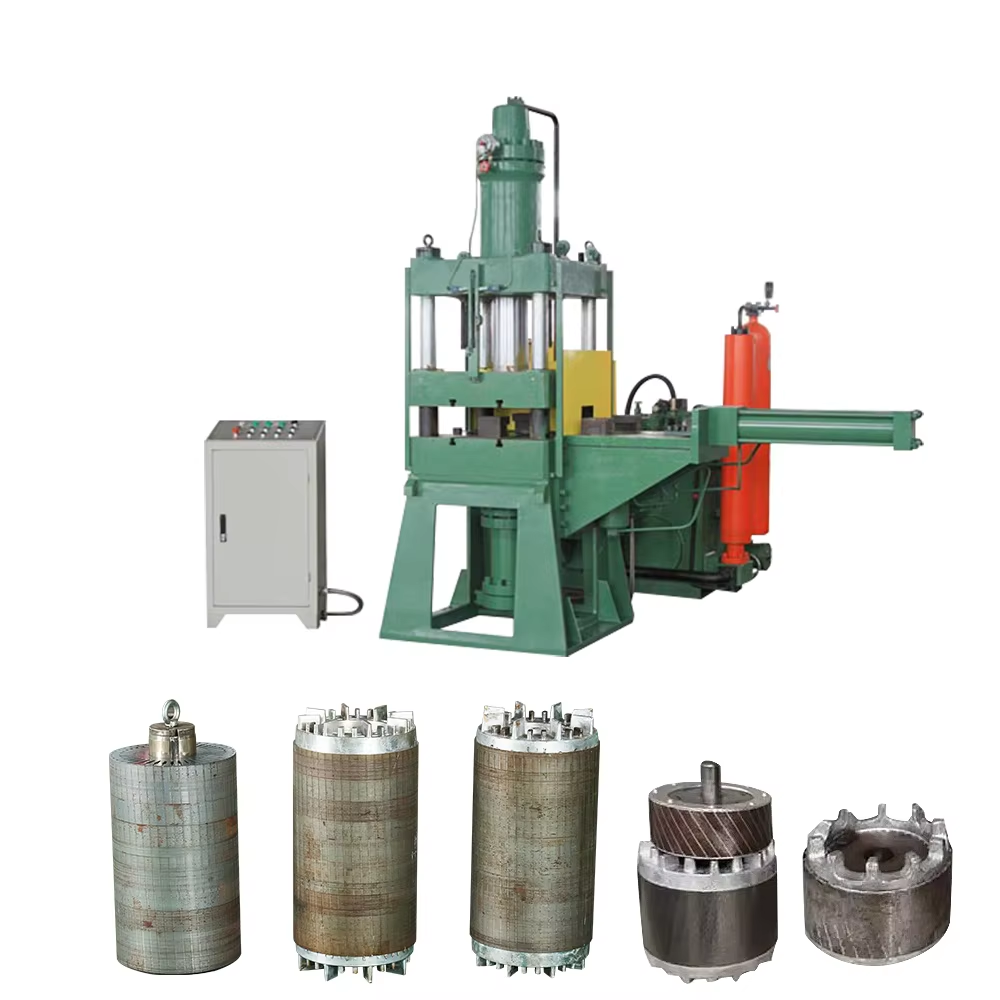
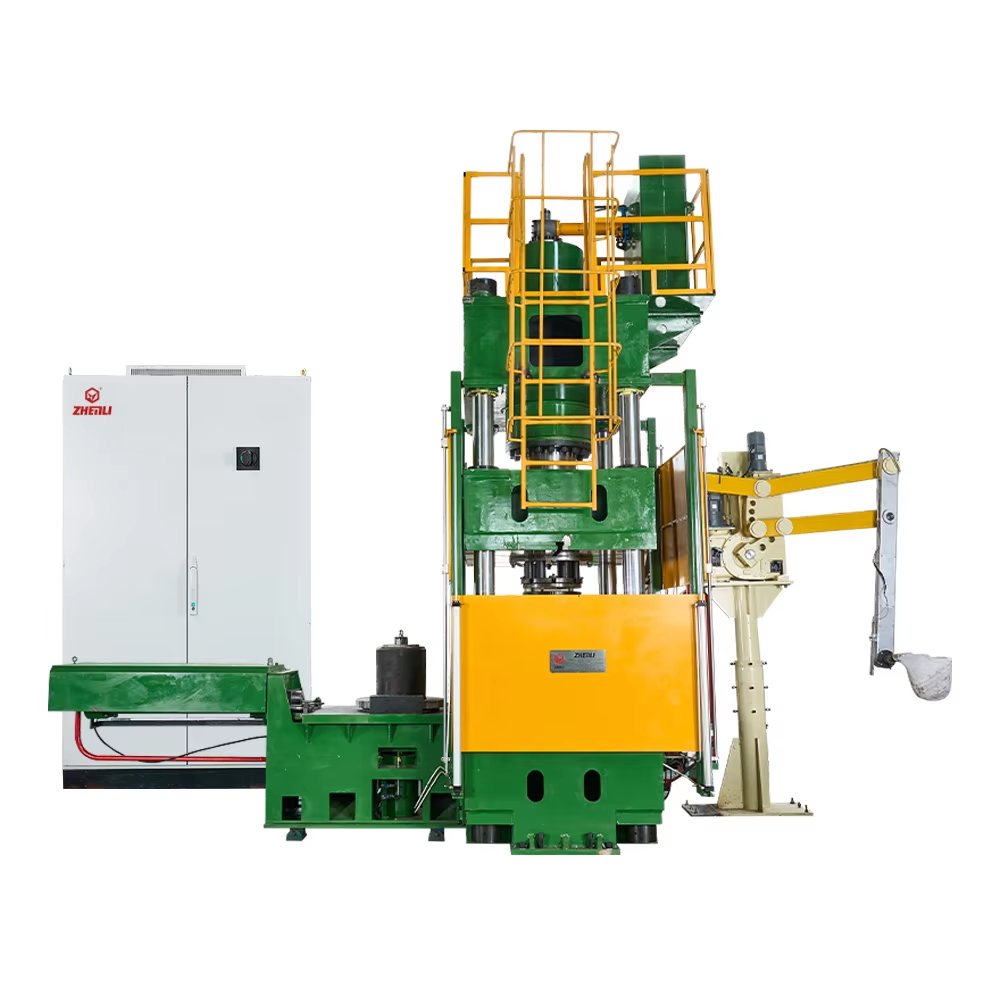
Ceiling Fan Rotor Die Casting Machine | High-Efficiency Production

[email protected]         +86-13302590675

Get a Free Quote

Our representative will contact you soon.
Email
Mobile/WhatsApp
Name
Company Name
Message
0/1000

Zhenli Products Page: Injection Molding/Aluminum Die Casting Machines

This page presents Zhenli’s products, focusing on plastic injection molding machines and aluminum die casting machines. The plastic injection molding machines cover tonnages 120 Ton 1000 Ton (models MC1000S to MC120S) for items like traffic cones, baby products, earphones, PET preforms, sunglasses, USB cables, and LED bulbs. The aluminum die casting machines are used for car auto parts (engine blocks, aluminum alloy wheel weights) in manual/automatic/low pressure versions. Rotor casting machine is not specifically shown on this page.
Get A Quote

Advantages of the product

Continuous Production Capacity for High Volumes

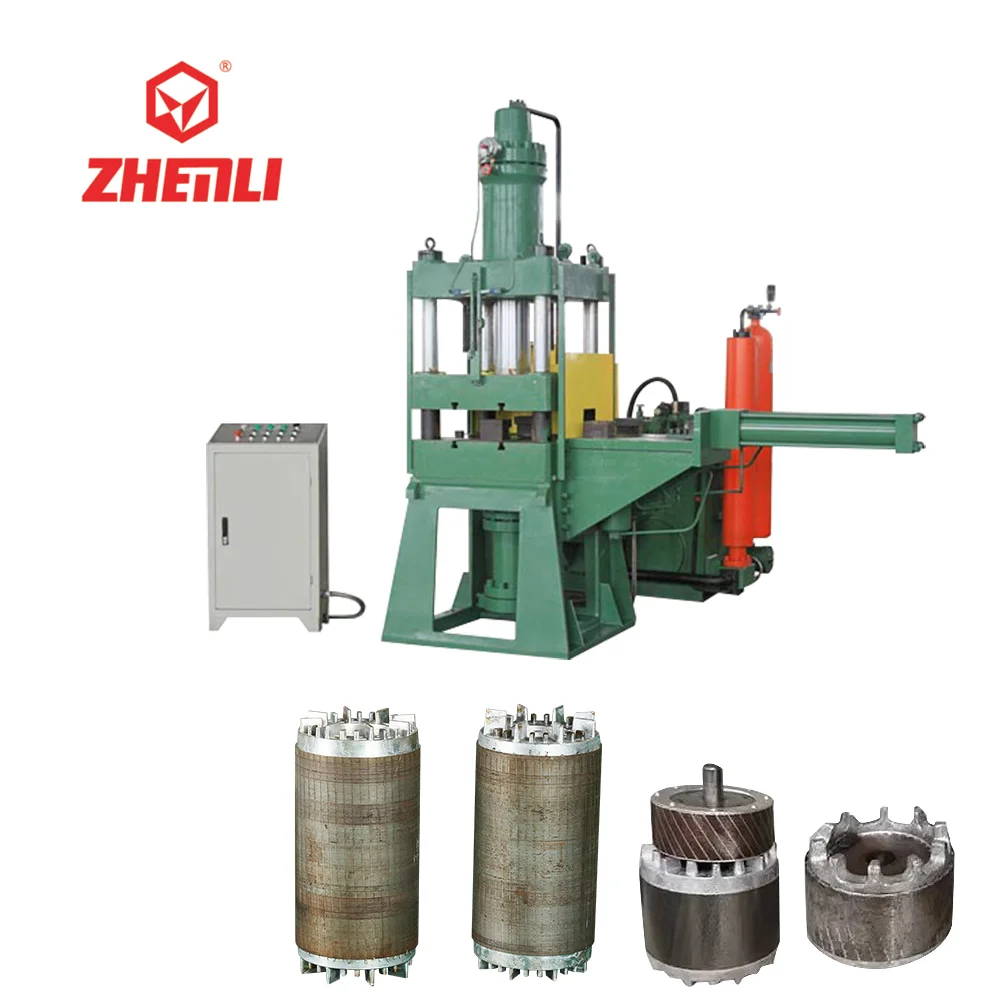
Equipped with a multi station turntable (3 6 stations), the rotor casting machines enable continuous production—while one station is casting, another is cooling, and a third is unloading. This workflow reduces idle time between cycles, with a single machine capable of producing 300 500 rotors per hour (for small rotors, diameter ≤100mm). Compared to single station machines (150 200 rotors/hour), Zhenli’s models double production efficiency. For large motor manufacturers (producing 10,000 rotors daily), this continuous capacity ensures on time delivery and allows for scaling production during peak demand.

Related products

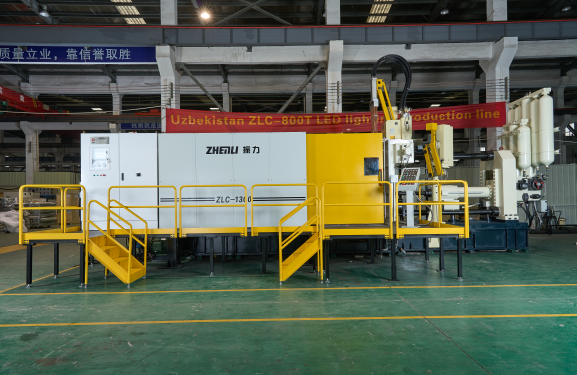
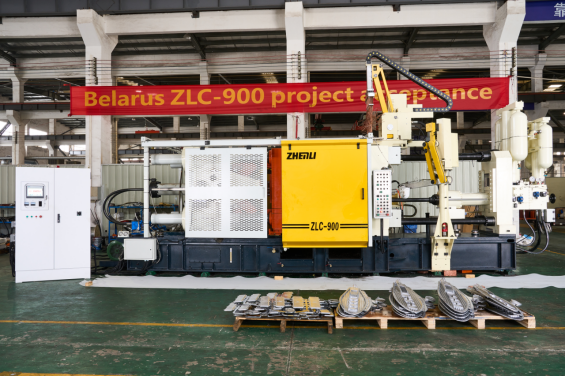
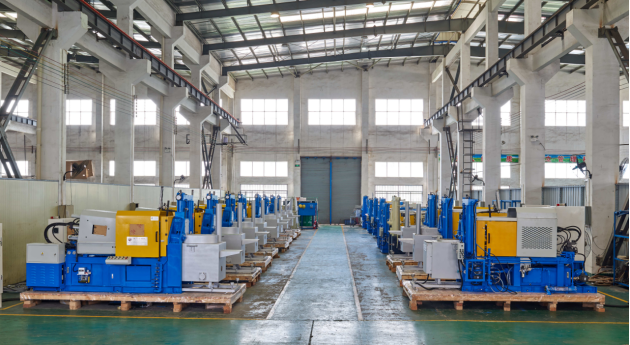
Rotor casting machines leverage centrifugal force to produce high precision, balanced rotor components for electric motors and generators—Zhenli’s rotor casting machines are engineered to excel in rotational control, production efficiency, material utilization, and multi specification compatibility, meeting the demands of automotive, household appliance, and industrial motor manufacturing. A core technical feature of Zhenli’s rotor casting machines is their precise rotational speed control, a critical factor in ensuring rotor balance and density. The machines offer adjustable speeds ranging from 500 to 2000 rpm, with a speed stability of ±5 rpm—allowing optimization for different rotor sizes and materials. For small aluminum rotors (diameter 50mm, used in fans), a high speed (1800 rpm) generates strong centrifugal force (200 300 G) to eliminate internal bubbles, resulting in a casting density of 99%+; for large copper rotors (diameter 300mm, used in industrial motors), a lower speed (800 rpm) prevents mold deformation while ensuring uniform metal distribution. This precision translates to exceptional rotor balance: the unbalance 量 of finished rotors is ≤0.5 g・cm, meeting the strict standards of automotive motors (e.g., electric vehicle drive motors) and high speed fans. A motor manufacturer using Zhenli’s machines reports a 3% 5% increase in motor efficiency, as balanced rotors reduce energy loss from vibration and friction. Continuous production capability is another key advantage, enabled by a multi station turntable design (3 6 stations). Each station performs a specific task: station 1 loads the rotor core into the mold, station 2 injects molten metal, station 3 cools the casting, station 4 ejects the finished rotor, and station 5 cleans the mold (optional). This parallel workflow eliminates idle time between cycles: a 4 station machine can produce 300 500 small rotors per hour, double the output of single station machines (150 200 rotors/hour). For a large motor manufacturer producing 10,000 rotors daily, this efficiency means meeting demand with 5 machines instead of 10, reducing capital investment by 50% and saving workshop space by 40%. The machines also integrate automatic material feeding systems (molten metal holding furnaces with temperature control) that ensure a continuous supply of metal, further minimizing downtime. High material utilization is achieved through precise molten metal control and centrifugal filling. The machines use a volumetric pouring system that dispenses metal with ±2% accuracy, avoiding over pouring common in manual casting. For example, when casting a copper rotor requiring 3kg of metal, the machine dispenses exactly 3.03 3.06kg—reducing material waste by 10% 15% compared to sand casting (which typically wastes 20% 25%). The centrifugal process also ensures molten metal fully fills the rotor’s slot cavities (critical for electrical conductivity), eliminating the need for secondary filling or machining. Over a year, a factory using 500 tons of copper monthly saves 60 90 tons of copper, cutting raw material costs by \(40,000 \)60,000 annually. Multi specification compatibility makes the machines suitable for diverse motor markets. Zhenli’s rotor casting machines support rotors for AC motors (diameter 50 300mm, length 50 500mm), DC motors (diameter 80 250mm), and generators (weight 5 50kg). Mold changing is simplified with quick release clamps and standardized mold bases: switching between a 100mm diameter AC rotor mold and a 150mm DC rotor mold takes 30 45 minutes, compared to 1 2 hours for traditional machines. The control system stores parameter profiles for 50+ rotor types, allowing operators to recall settings with one click—ideal for factories producing multiple motor models. For example, a Chinese motor manufacturer uses one Zhenli machine to produce rotors for both household appliance motors (small, aluminum) and industrial pump motors (large, copper), reducing equipment costs by 30%. Quality control features are integrated to ensure consistency: inline vision systems inspect rotor slot fill (detecting gaps with 0.1mm resolution) and surface defects (e.g., cracks, flash), while laser scanners verify outer diameter tolerance (±0.05mm). Defective parts are automatically rejected, maintaining a pass rate of 97% 98%. The machines also comply with global electrical standards (e.g., IEC 60034 for motors), ensuring rotors meet international market requirements. Zhenli provides end to end support, including mold design (optimizing slot geometry for centrifugal casting) and operator training, helping customers integrate the machines into existing production lines. With a service life of 8 10 years and low maintenance (annual costs <$3,000), Zhenli’s rotor casting machines deliver reliable performance for motor manufacturers seeking to enhance efficiency, quality, and flexibility.

Frequently Asked Questions

Do the webpage’s casting machines produce rotors?

No, the webpage’s casting machines do not produce rotors. The aluminum die casting machines make engine blocks and wheel weights, while injection molding machines make plastic items. There is no mention of rotor production or machinery designed for it.

Related Articles

What Are the Key Advantages of Modern Aluminum Die Casting Machines?

27

Oct

What Are the Key Advantages of Modern Aluminum Die Casting Machines?

Precision and Dimensional Accuracy in Aluminum Die Casting Machine Operations Modern aluminum die casting machines deliver ±0.25mm dimensional tolerances, enabling sub-millimeter precision essential for aerospace components and medical devic...
View More
What Factors Determine the Choice of Metal Casting Machinery?

27

Oct

What Factors Determine the Choice of Metal Casting Machinery?

Casting Method and Compatibility with Metal Casting Machinery How Different Casting Methods Influence Machinery Requirements What kind of casting gets chosen really affects what sort of machinery ends up being needed for metal casting operations, e...
View More
Why Consider a Supplier with Both R&D and Production Capabilities?

27

Oct

Why Consider a Supplier with Both R&D and Production Capabilities?

Faster Innovation and Shorter Time to Market Integration of R&D and production systems for faster innovation cycles Integrated R&D and production systems eliminate costly handoffs between teams, creating a closed-loop feedback process. Engineers ga...
View More
How to Ensure Quality Consistency in Zinc Die Casting Operations?

27

Oct

How to Ensure Quality Consistency in Zinc Die Casting Operations?

Material Selection and Alloy Integrity for Reliable Zinc Die Casting Importance of Alloy Type in Zinc Die Casting Properties Choosing the right zinc alloy makes all the difference when it comes to how well something performs mechanically and how ma...
View More

customer evaluation

Remington

The supplier provided free on site training for our team. They taught us how to adjust parameters for different rotor sizes and troubleshoot common issues. When we had a problem with the pouring system, their engineer arrived in 24 hours to fix it. Great support for factories new to rotor casting.

Get a Free Quote

Our representative will contact you soon.
Email
Mobile/WhatsApp
Name
Company Name
Message
0/1000
Durable Molds for Consistent Rotor Quality

Durable Molds for Consistent Rotor Quality

The machine’s rotorspecific molds are built for durability and precision. For aluminum rotors, molds are made of heat treated H13 steel (resistant to wear and thermal fatigue) and have a polished cavity for smooth rotor surfaces. For copper rotors, graphite molds are used—they withstand high temperatures and maintain shape even after 1,000+ cycles. The machine’s mold maintenance system (including automatic cleaning and lubrication) extends mold life by 30%, ensuring consistent rotor dimensions and surface quality across thousands of parts. This durability is critical for avoiding costly mold replacements and maintaining production consistency.
Integrated Rotor Inspection for Quality Control

Integrated Rotor Inspection for Quality Control

To ensure rotor quality, this machine integrates a basic inspection system that checks key rotor parameters (diameter, height, concentricity) after ejection. The system uses laser sensors to measure dimensions (with an accuracy of ±0.01mm) and rejects parts that fall outside tolerance. It also has a visual inspection camera that detects surface defects (e.g., cracks, porosity) and flags them for manual review. This integrated inspection reduces the need for separate quality control stations, speeds up the production process, and ensures only high quality rotors are sent to clients. For motor manufacturers, this minimizes the risk of defective rotors causing motor failures.
Compact Design for Factory Space Efficiency

Compact Design for Factory Space Efficiency

Unlike large scale casting machines, this rotor casting machine has a compact footprint (1.8m×1.2m×2.0m), making it easy to fit into motor manufacturing facilities where space is limited. It can be placed near motor assembly lines, reducing the distance rotors need to be transported (cutting handling time and the risk of damage). The machine’s modular design also allows for easy expansion—factories can add additional units (e.g., a second pouring station) as rotor demand increases, without major layout changes. This space efficiency is a key advantage for manufacturers looking to optimize their production floor layout.
WhatsApp WhatsApp
WhatsApp
Email Email Inquiry Inquiry TopTop