Small Plastic Molding Machine Price: Get Competitive Rates & Quality

[email protected]         +86-13302590675

Get a Free Quote

Our representative will contact you soon.
Email
Mobile/WhatsApp
Name
Company Name
Message
0/1000

Jiangmen Zhenli Machinery: Competitive Small Plastic Molding Machine Price & Quality Equipment

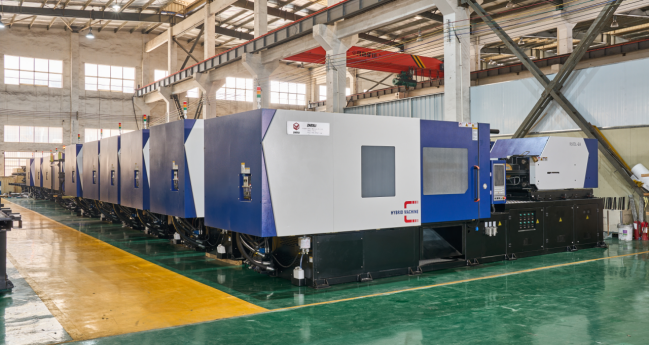
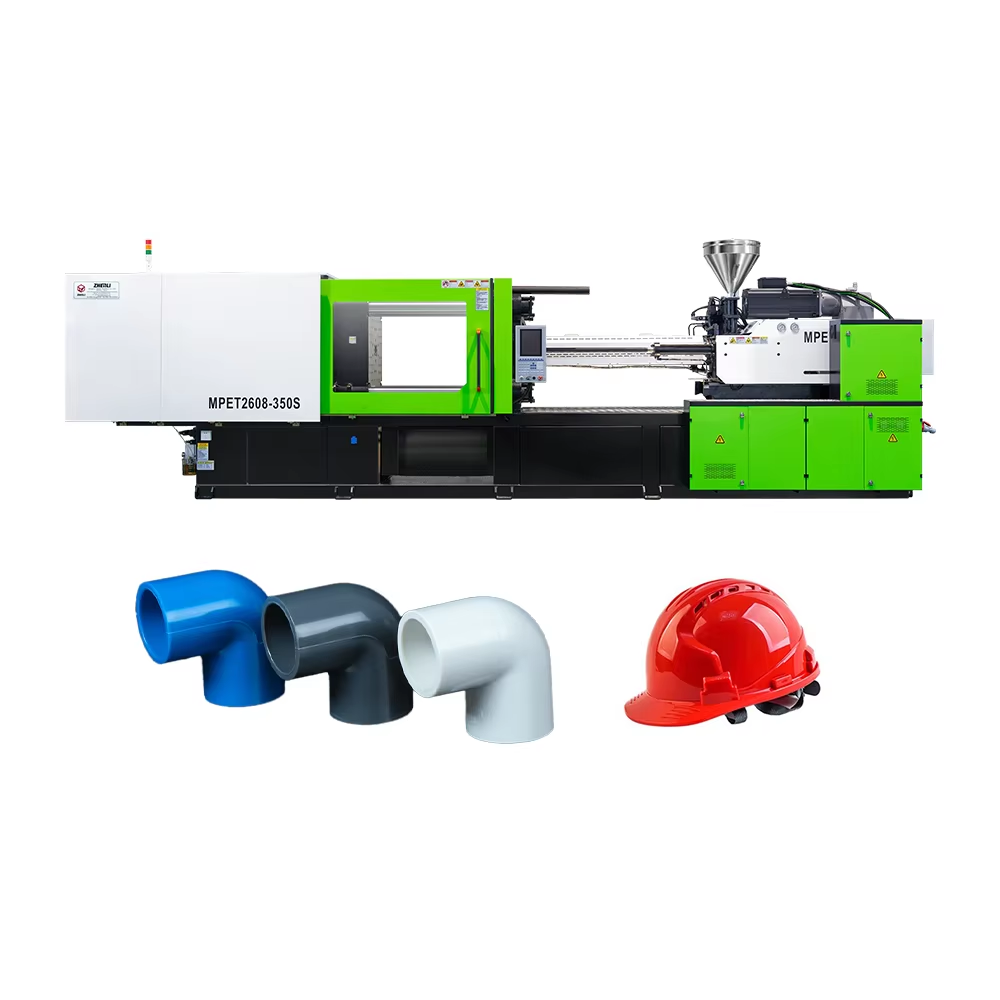
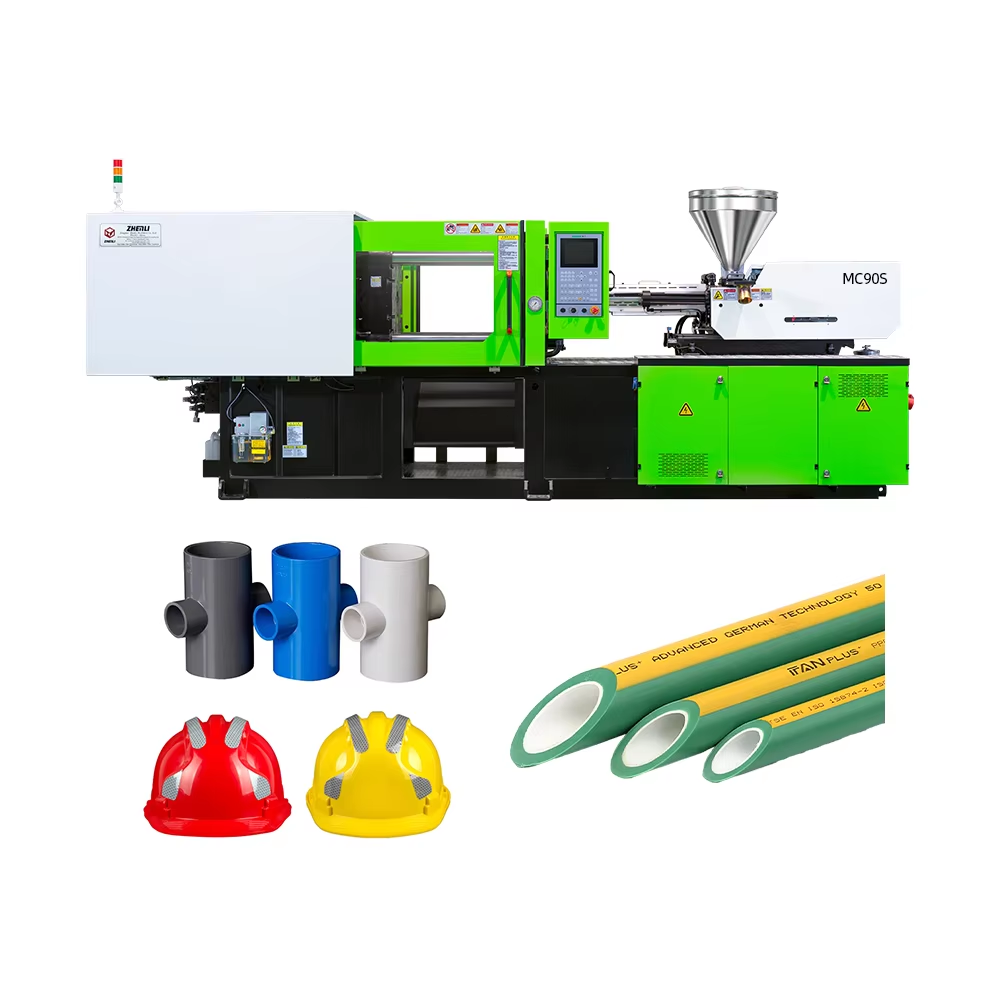
Jiangmen Zhenli Machinery Co., Ltd. offers cost-competitive small plastic molding machines (e.g., ZLMC90S) with transparent pricing, suitable for small-batch production, workshops, and startups. These machines feature compact design, intelligent operation, and compliance with ISO and CE standards, ensuring reliability and energy efficiency. The company provides one-stop services including technical consulting, customization, sample testing, and global logistics, eliminating hidden costs. With a 20,000 ㎡ factory and economies of scale, Zhenli offers flexible payment terms, volume discounts, and timely after-sales support. Selling to 50+ countries, the small plastic molding machines deliver value for money, supporting minor modifications and drawing-based customization for diverse small plastic component production.
Get A Quote

Advantages of the product

Strong Compatibility with Various Plastic Materials

These plastic injection molding machines support processing over 10 types of plastics, including PP, ABS, PET, PVC, and EVA. They can adjust parameters (temperature, pressure, speed) to match each material’s properties—for example, setting a temperature of 180 220℃ for PP (low melting point) and 230 260℃ for ABS (high melting point). This compatibility allows users to produce diverse plastic products with one machine, such as PP baby bottles, ABS sunglasses frames, and PET preforms. Unlike material specific machines, Zhenli’s models eliminate the need for frequent equipment replacement, improving production flexibility and adapting to market demand changes for different plastic items.

Related products

The price of a small plastic molding machine is a variable figure influenced by a complex matrix of factors, creating a market range from approximately $5,000 for basic, manually operated benchtop models to over $120,000 for highly automated, precision all electric systems. The primary determinant is the clamping force, with prices escalating from 5 ton to 50 ton capacities. The drive technology is another major cost driver; traditional hydraulic systems offer the lowest initial purchase price but incur higher long term operational costs, whereas all electric machines command a significant premium due to their superior precision, energy efficiency, and lower maintenance, offering a faster return on investment for high cycling applications. The sophistication of the control system, from a basic PLC to an advanced touchscreen with data logging and networking capabilities, also substantially affects the cost. Build quality, brand reputation, and country of origin are critical; machines from established European or Japanese manufacturers often carry a higher price tag due to perceived reliability and comprehensive service networks, while those from other manufacturing hubs provide more budget friendly options. Crucially, the base machine price rarely includes essential peripherals such as material dryers, chillers, or robotic part extractors, which can add 20% to 50% to the total system cost. For a buyer, a thorough total cost of ownership analysis—factoring in energy consumption, maintenance part costs, expected uptime, and potential production losses—is essential to make a financially sound decision that aligns with both immediate budgetary constraints and long term production goals.

Frequently Asked Questions

What plastic products can these machines make?

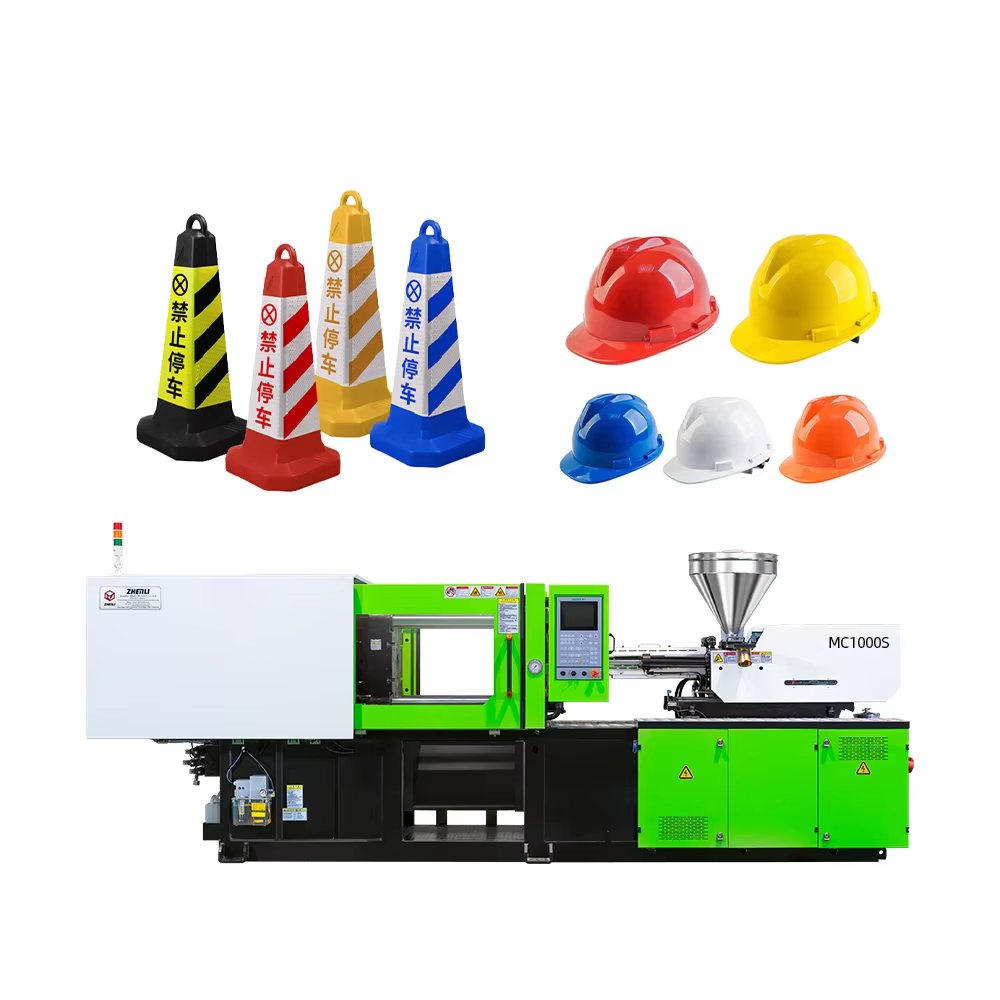
These machines can make multiple plastic products across categories. They produce traffic cones (via MC1000S), baby products (MC800S), headphones (MC650S), USB cables (MC560S), and sunglasses (fully automatic model). These products range from daily necessities (baby items) to electronics (headphones, USB cables) and traffic safety gear (traffic cones).

Related Articles

What Are the Key Advantages of Modern Aluminum Die Casting Machines?

27

Oct

What Are the Key Advantages of Modern Aluminum Die Casting Machines?

Precision and Dimensional Accuracy in Aluminum Die Casting Machine Operations Modern aluminum die casting machines deliver ±0.25mm dimensional tolerances, enabling sub-millimeter precision essential for aerospace components and medical devic...
View More
What Factors Determine the Choice of Metal Casting Machinery?

27

Oct

What Factors Determine the Choice of Metal Casting Machinery?

Casting Method and Compatibility with Metal Casting Machinery How Different Casting Methods Influence Machinery Requirements What kind of casting gets chosen really affects what sort of machinery ends up being needed for metal casting operations, e...
View More
Why Consider a Supplier with Both R&D and Production Capabilities?

27

Oct

Why Consider a Supplier with Both R&D and Production Capabilities?

Faster Innovation and Shorter Time to Market Integration of R&D and production systems for faster innovation cycles Integrated R&D and production systems eliminate costly handoffs between teams, creating a closed-loop feedback process. Engineers ga...
View More
What Should You Look for in an Injection Molding Machine Supplier?

27

Oct

What Should You Look for in an Injection Molding Machine Supplier?

Evaluate Machine Specifications Aligned with Your Product Design Picking the right injection molding machine for a specific product design means looking at three main specs: clamping force measured in tons, injection volume in ounces or cubic centi...
View More

customer evaluation

Parker

This machine has an energy efficient motor and optimized heating system. It uses 15% less electricity than other plastic injection molding machines we’ve used. For a factory running 24/7, this saves over $1,200 monthly. It also reduces plastic waste to 2% by precise material control.

Get a Free Quote

Our representative will contact you soon.
Email
Mobile/WhatsApp
Name
Company Name
Message
0/1000
Superior Surface Finish for Premium Plastic Parts

Superior Surface Finish for Premium Plastic Parts

This plastic injection molding machine produces parts with an ultra smooth surface finish, achieving Ra 0.2–0.4μm—ideal for high end products like cosmetic containers, electronic device shells, and luxury toy components. The smooth finish is achieved through three key features: a polished mold cavity (mirror like surface), precise control of injection speed (to avoid plastic splashing), and optimized cooling time (to prevent surface warping). Unlike cheaper machines that require post processing (e.g., sanding or painting), parts from this machine are ready for assembly or packaging directly after ejection, saving 40–50% of post processing time and labor costs.
Fast Mold Change for Multi Product Lines

Fast Mold Change for Multi Product Lines

Designed for factories producing multiple plastic products, this machine enables quick mold changes in just 30–45 minutes—50% faster than standard plastic injection molding machines. It uses a quick release mold clamping system with standardized mounting brackets, allowing operators to swap molds without complex tools. The machine also stores mold specific parameters (temperature, pressure, cycle time) in its memory; once a new mold is installed, operators only need to select the corresponding parameter set to start production. This flexibility is critical for small to mid sized factories that handle custom orders or seasonal products (e.g., holiday themed plastic decorations).
Stable Performance for Consistent Quality

Stable Performance for Consistent Quality

This machine maintains exceptional stability during long production runs, with a defect rate below 0.8%—far lower than the industry average of 3–5%. Its dual temperature sensors monitor the heating barrel and mold in real time, adjusting heat output to keep temperatures within ±2℃ of the set value. The hydraulic system uses a closed loop control to maintain consistent injection pressure, preventing fluctuations that cause defects like uneven wall thickness or flash. Even during 12 hour continuous operation, the machine’s performance remains stable, ensuring every part meets quality standards. This consistency is especially important for clients in the automotive or medical industries, where part uniformity is critical.
WhatsApp WhatsApp
WhatsApp
Email Email Inquiry Inquiry TopTop