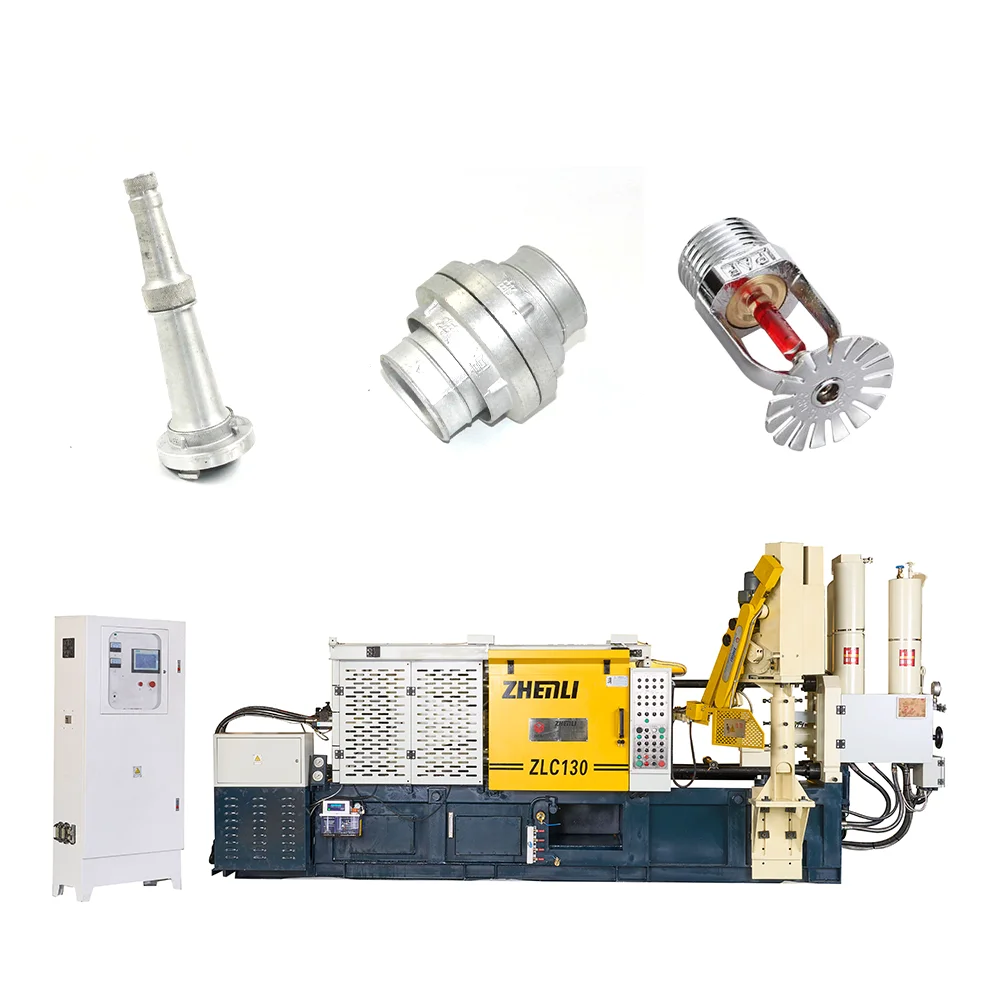
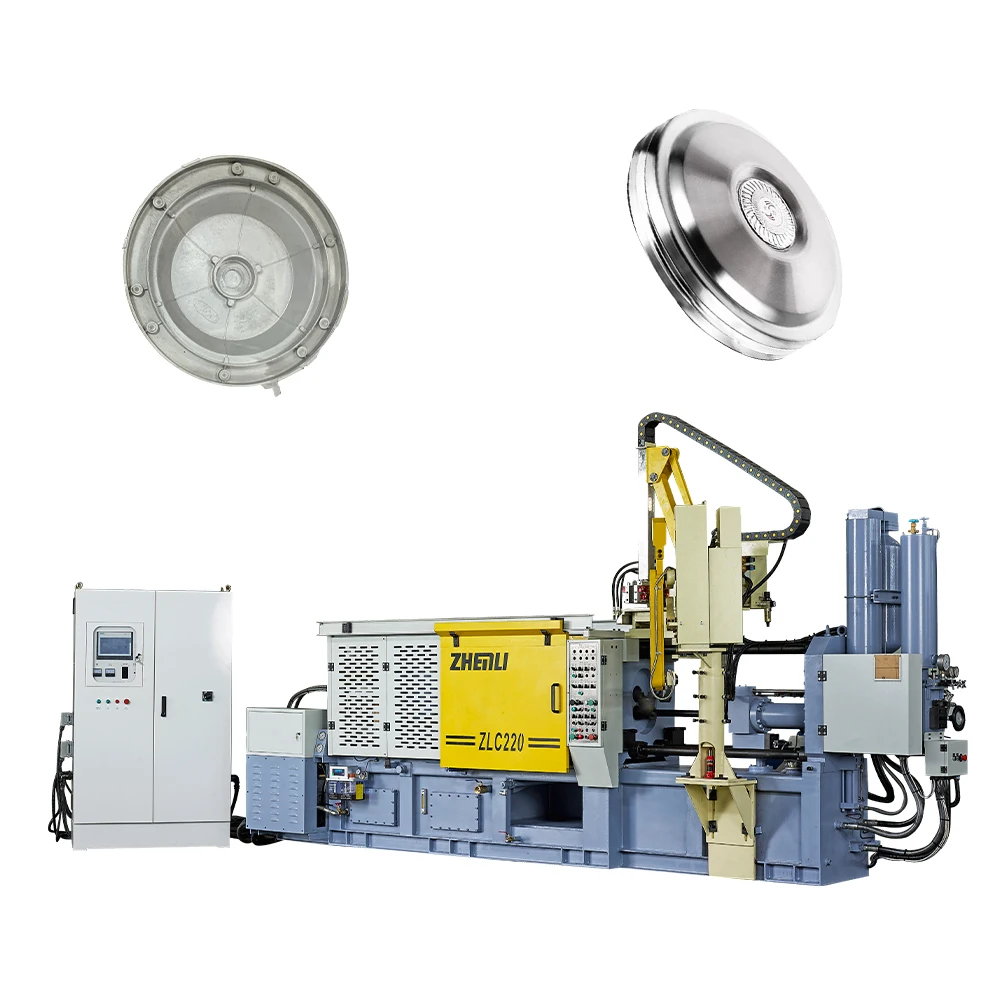
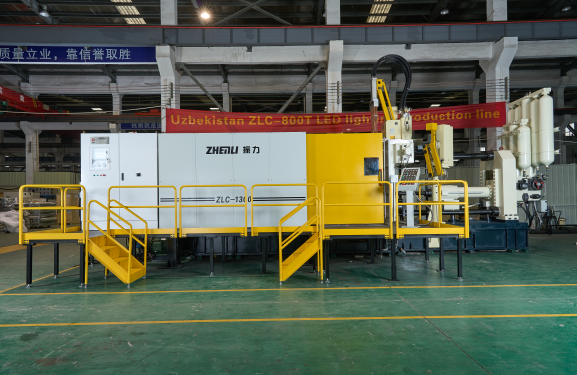
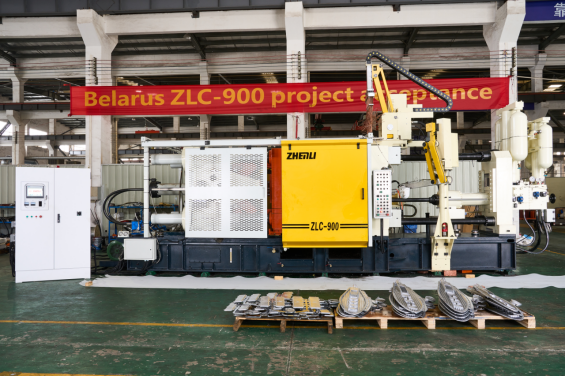
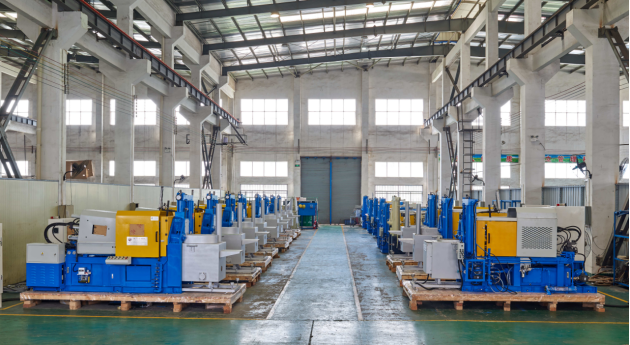
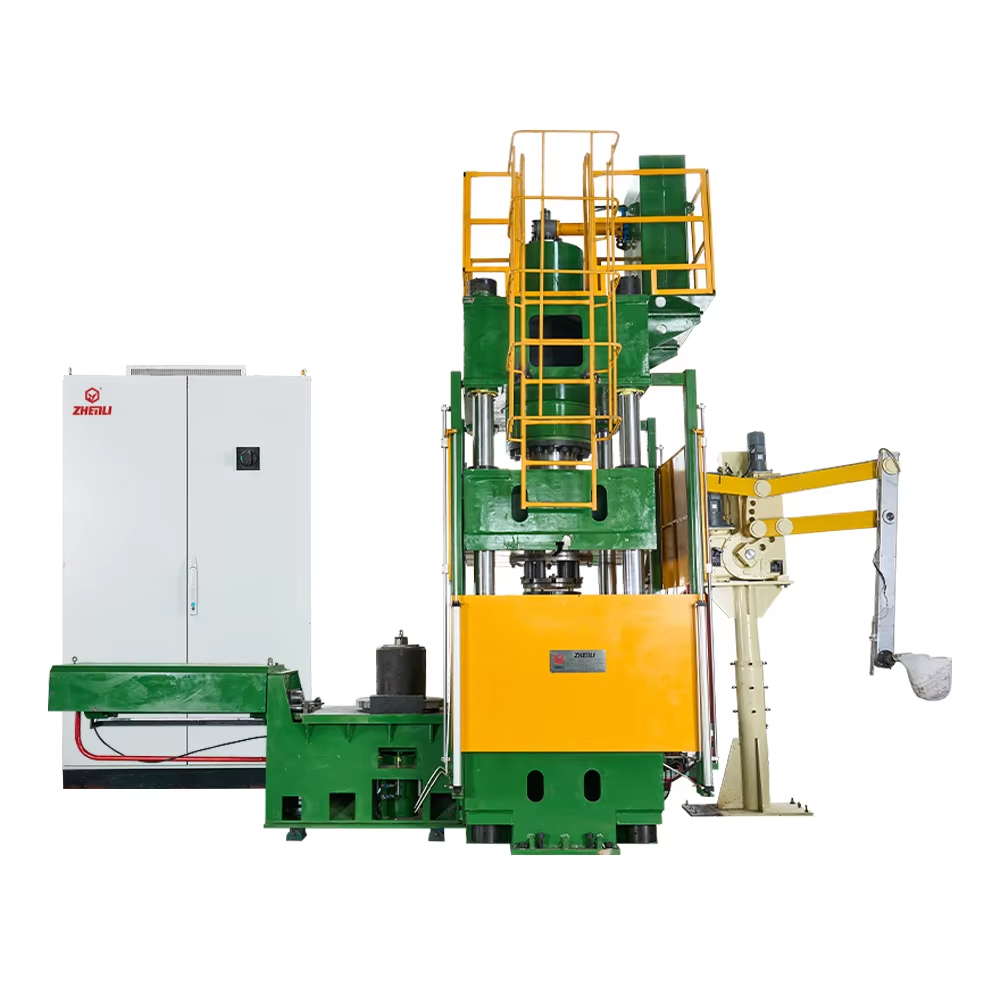
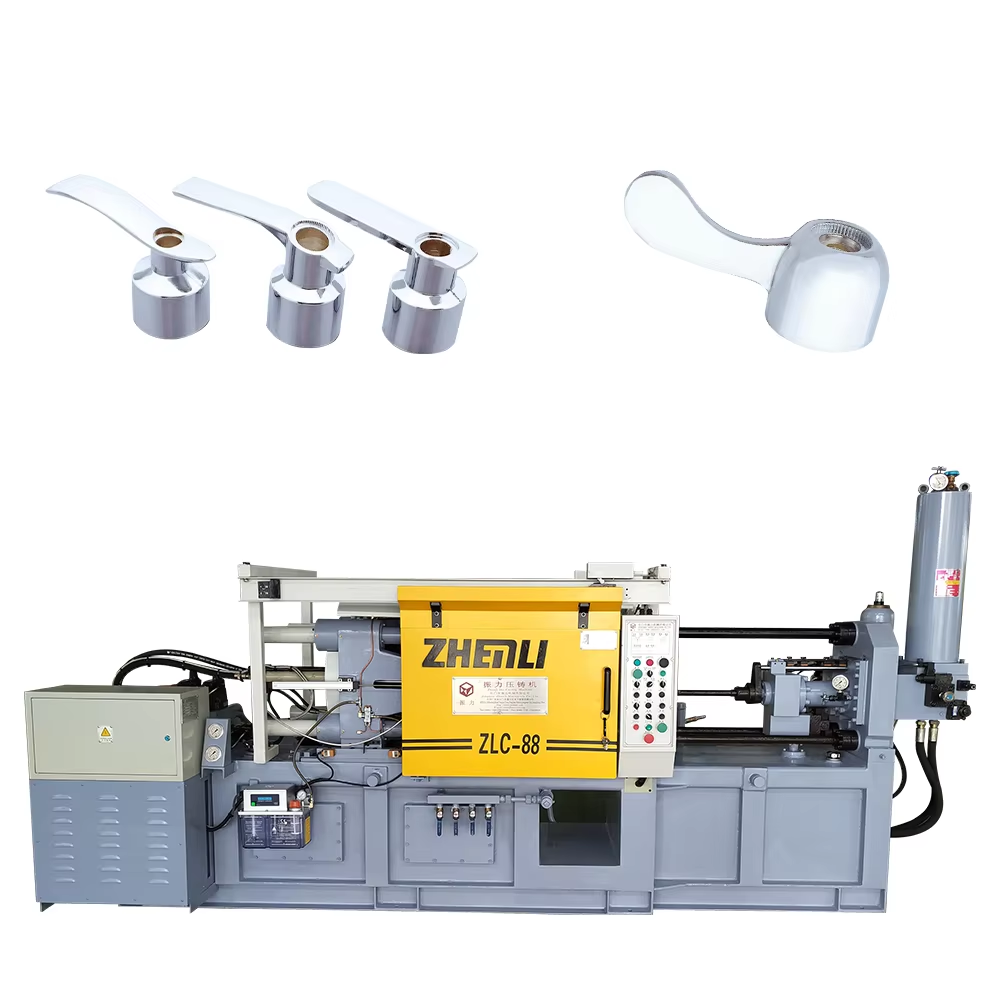
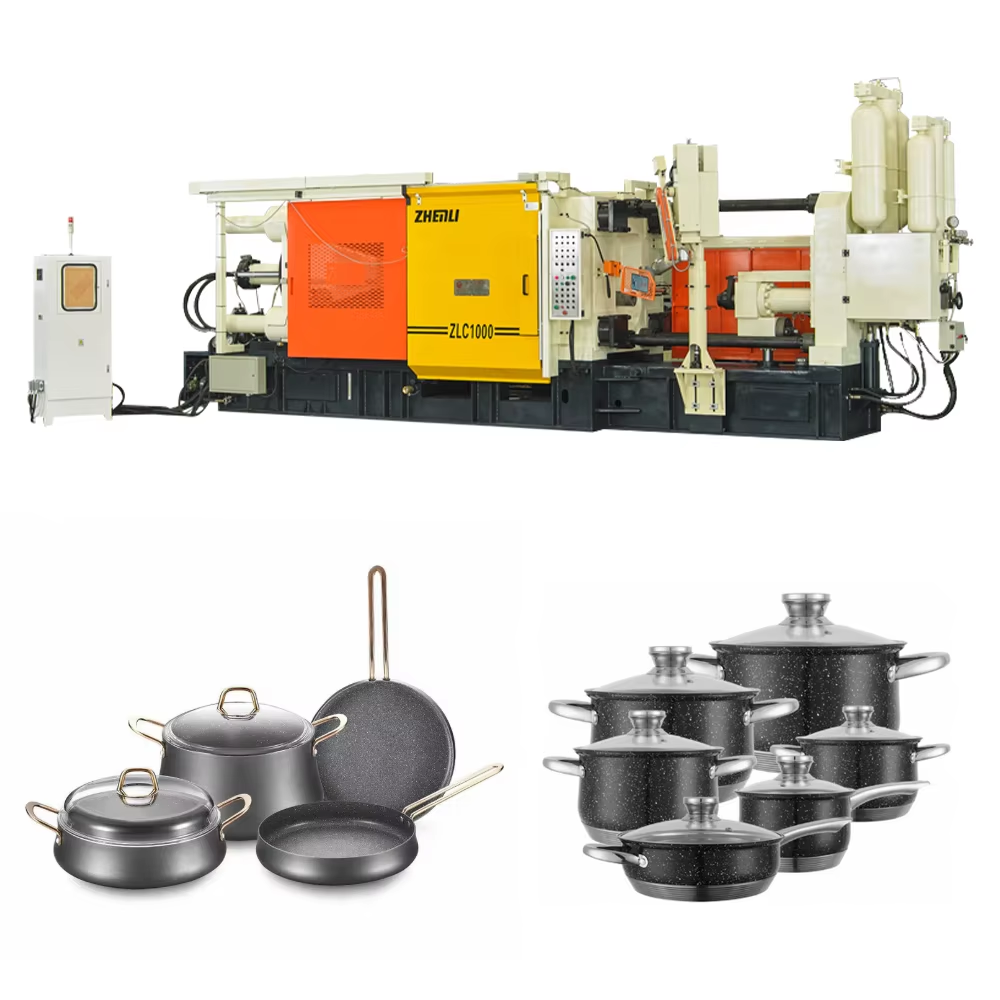
Metal casting machinery encompasses a broad category of equipment designed to transform molten metal into finished or semi finished components through processes like die casting (hot and cold chamber), gravity casting, low pressure casting, and sand casting—and Zhenli’s metal casting machinery portfolio stands out for its comprehensiveness, technical advancement, and ability to deliver tailored solutions across industries, supporting businesses from small batch production to large scale industrial manufacturing. A defining strength of Zhenli’s metal casting machinery is its full product lineup, which covers every major casting process and caters to a wide range of metals, including aluminum alloy, zinc alloy, copper alloy, magnesium alloy, and iron. This comprehensiveness allows customers to source all their casting equipment from a single supplier, eliminating the logistical challenges of coordinating with multiple vendors (e.g., purchasing a die casting machine from one company, a gravity casting machine from another, and a sand casting system from a third). For example, an automotive parts manufacturer producing both aluminum engine blocks (requiring cold chamber die casting), zinc alloy hardware (hot chamber die casting), and large iron alloy brackets (gravity casting) can acquire all three machine types from Zhenli—simplifying procurement, installation, and after sales service. This one stop shopping experience reduces lead times by 20% 30% compared to multi vendor sourcing, as Zhenli manages the entire equipment lifecycle from design to delivery to maintenance. Additionally, the machines are designed to work seamlessly together: for instance, a Zhenli gravity casting machine can feed molten iron into a die casting machine’s pre treatment system, creating an integrated production line that improves efficiency and reduces material handling. Zhenli’s metal casting machinery is engineered for multi metal compatibility, a critical advantage for businesses with diverse product lines. Each machine features adjustable parameters—melting temperature, injection pressure, cooling time, and mold clamping force—that can be tailored to the unique properties of different metals. For example, a single die casting machine can process zinc alloy (380 420℃ melting point, moderate pressure) by adjusting to lower temperatures and pressures, then switch to aluminum alloy (680 720℃, higher pressure) with a few parameter changes—no need for mechanical modifications. This versatility extends to gravity casting machines, which can handle iron (1538℃ melting point) using high temperature resistant molds and aluminum (660℃) with standard molds, simply by adjusting the heating and cooling systems. This multi metal capability reduces capital investment by 30% 40% compared to purchasing specialized machines for each metal, and it allows businesses to quickly adapt to changing market demands—for example, shifting from zinc alloy consumer goods to aluminum automotive parts as market trends evolve. Another key innovation in Zhenli’s metal casting machinery is its integration of smart manufacturing technologies, which enhance operational efficiency, quality control, and remote management. All machines are equipped with IoT (Internet of Things) modules that connect to Zhenli’s cloud based production management platform, enabling real time monitoring of critical data such as temperature, pressure, cycle time, production count, and defect rate. Operators can access this data via a desktop dashboard or mobile app, allowing them to track performance across multiple machines from anywhere—reducing the need for on site supervision. The platform also includes advanced analytics tools that identify production bottlenecks (e.g., “machine A has a 20% longer cycle time due to slow cooling”) and suggest optimizations, helping managers improve overall equipment efficiency (OEE) by 15% 20%. Predictive maintenance is another smart feature: the system analyzes component wear data (e.g., plunger usage, mold cycles) and sends alerts when maintenance is needed, preventing unexpected breakdowns and reducing downtime from 24 hours (traditional reactive maintenance) to 4 6 hours (predictive maintenance). For example, if a mold’s cycle count approaches its 100,000 cycle lifespan, the system notifies operators to schedule replacement during a planned downtime window, avoiding unplanned production halts. Zhenli’s metal casting machinery is also highly customizable, allowing the company to tailor equipment to meet customers’ unique production needs—a critical advantage for businesses with non standard part requirements. Customization options include adjusting clamping force (from 200 kN to 30,000 kN) for large or small parts, adding robotic arms for automatic part handling or trimming, integrating multi cavity molds for high volume production, and modifying heating systems for specialized metals (e.g., titanium alloys for aerospace). For example, a customer producing extra large aluminum train components (2 meters in length) can request a custom cold chamber die casting machine with a 35,000 kN clamping force and extended mold cavity—Zhenli’s engineering team works closely with the customer to design and manufacture the machine, ensuring it perfectly fits their production process. This customization eliminates the inefficiencies of using standard machines for non standard tasks (e.g., over sizing parts to fit a standard mold), reducing material waste by 10% 15% and improving part quality. In terms of quality and compliance, Zhenli’s metal casting machinery adheres to strict international standards, including ISO 9001 (quality management), IATF 16949 (automotive quality), AS9100 (aerospace), and CE (European safety). The machines undergo rigorous testing before delivery, including 10,000 hours of continuous operation to ensure durability and performance. This commitment to quality ensures that parts produced with Zhenli’s machinery meet the highest industry standards—for example, automotive parts comply with strict crash safety requirements, while aerospace components meet precision and strength standards for flight safety. Zhenli also provides comprehensive after sales support, including on site installation, operator training, and global spare parts supply—ensuring that machines maintain optimal performance over their 8 12 year service life. Application wise, Zhenli’s metal casting machinery serves a diverse range of industries: automotive (engine blocks, chassis components, wheel weights), aerospace (lightweight aluminum structural parts), construction (iron alloy brackets, copper valves), consumer electronics (zinc alloy casings, aluminum heat sinks), and energy (aluminum wind turbine components, copper electrical connectors). The machinery’s ability to handle small parts (1g) to large components (500kg), low volume to high volume production, and multiple metals makes it a versatile solution for businesses of all sizes and sectors. By combining technical innovation, customization, and comprehensive support, Zhenli’s metal casting machinery helps customers enhance their production capabilities, reduce costs, and stay competitive in rapidly changing global markets.
 EN
EN