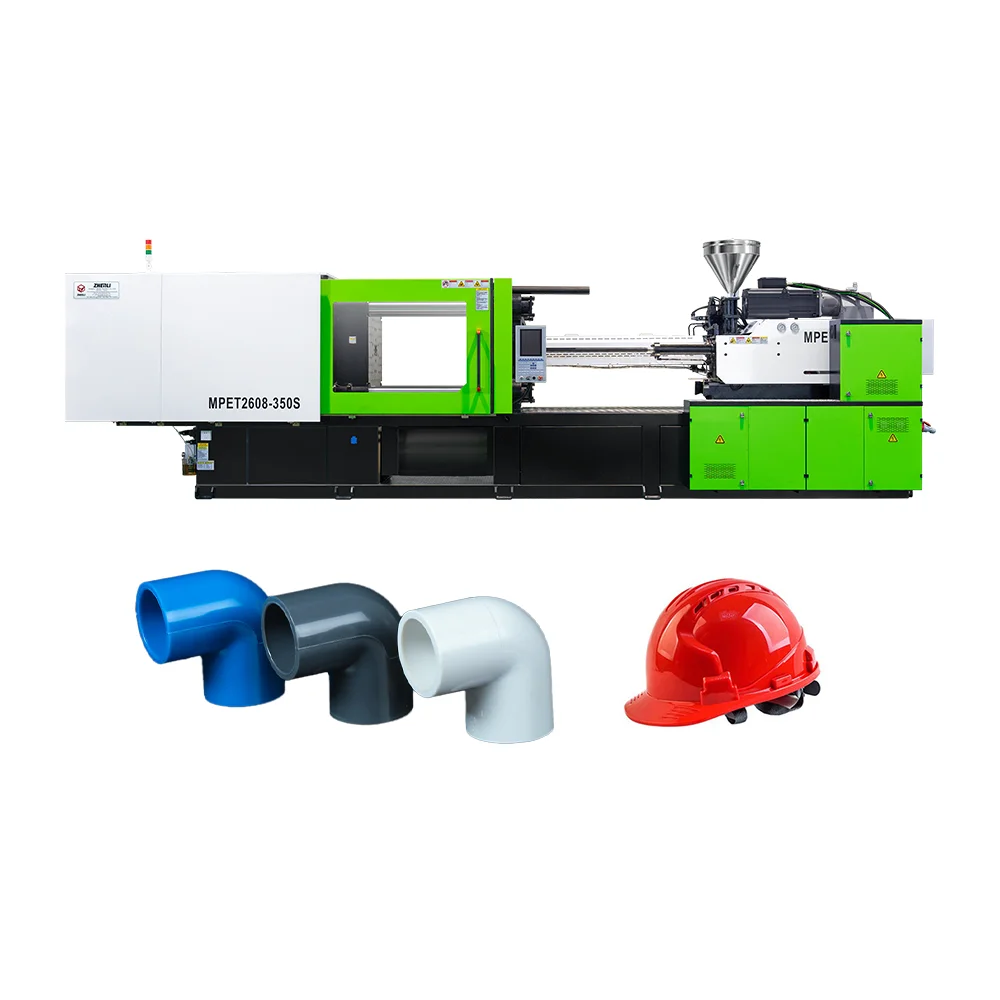
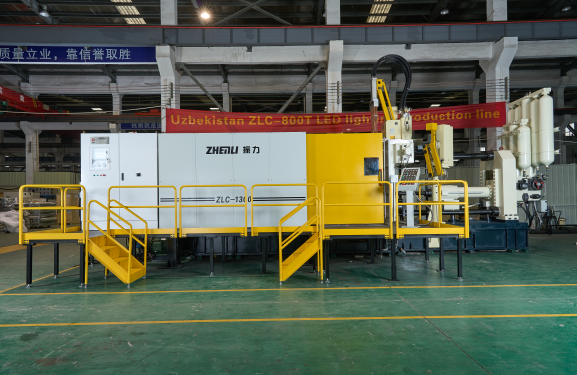
Aluminium Injection Machine: High-Precision Die Casting for Auto & Industrial Parts

[email protected]         +86-13302590675

Get a Free Quote

Our representative will contact you soon.
Email
Mobile/WhatsApp
Name
Company Name
Message
0/1000

Aluminium Injection Machine - High-Precision Aluminum Part Production by Zhenli

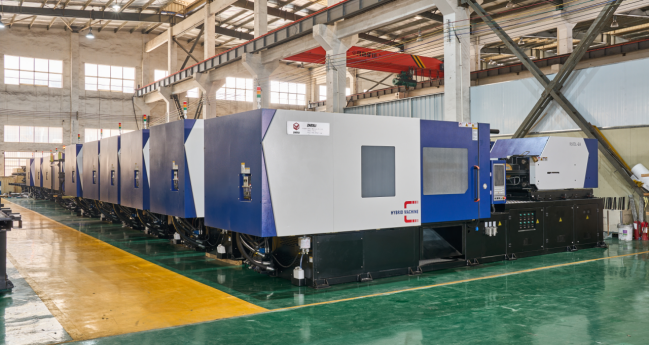
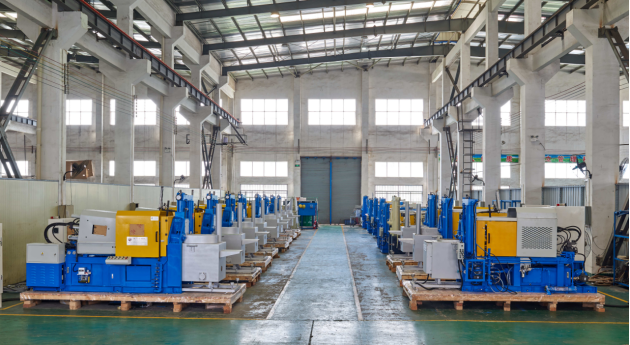
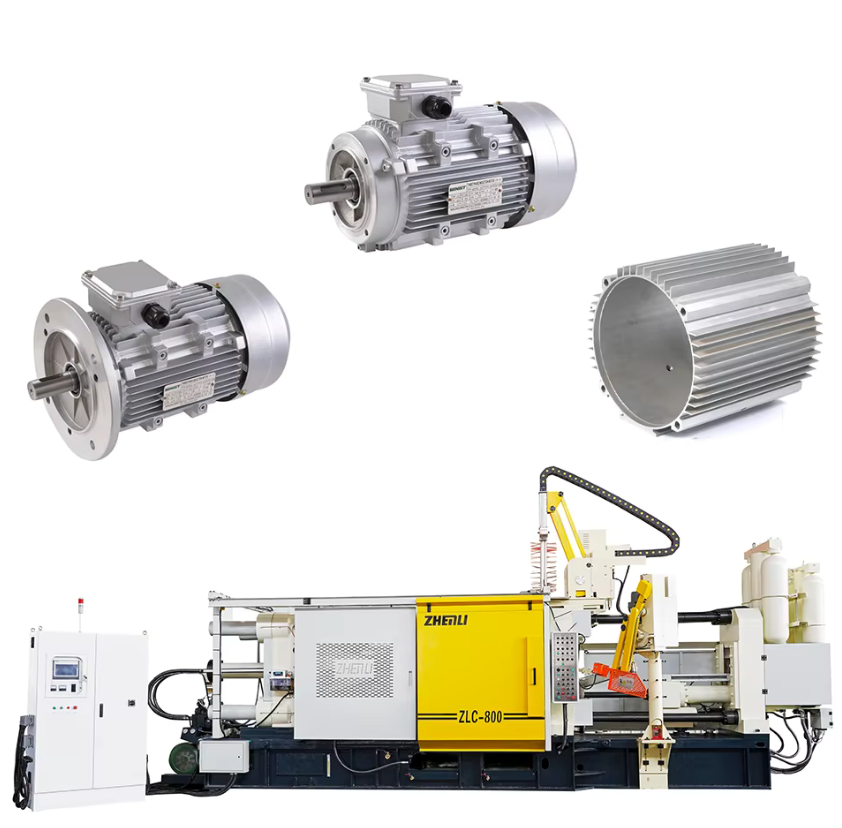
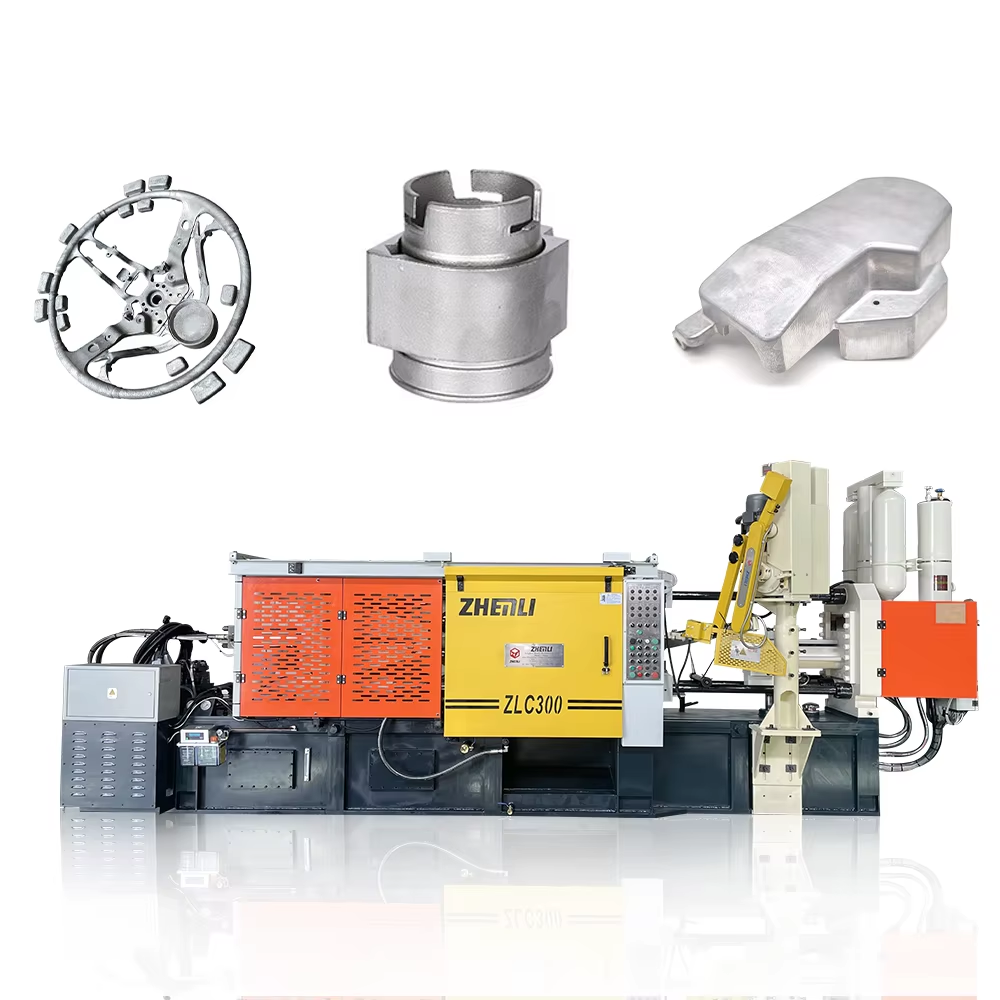
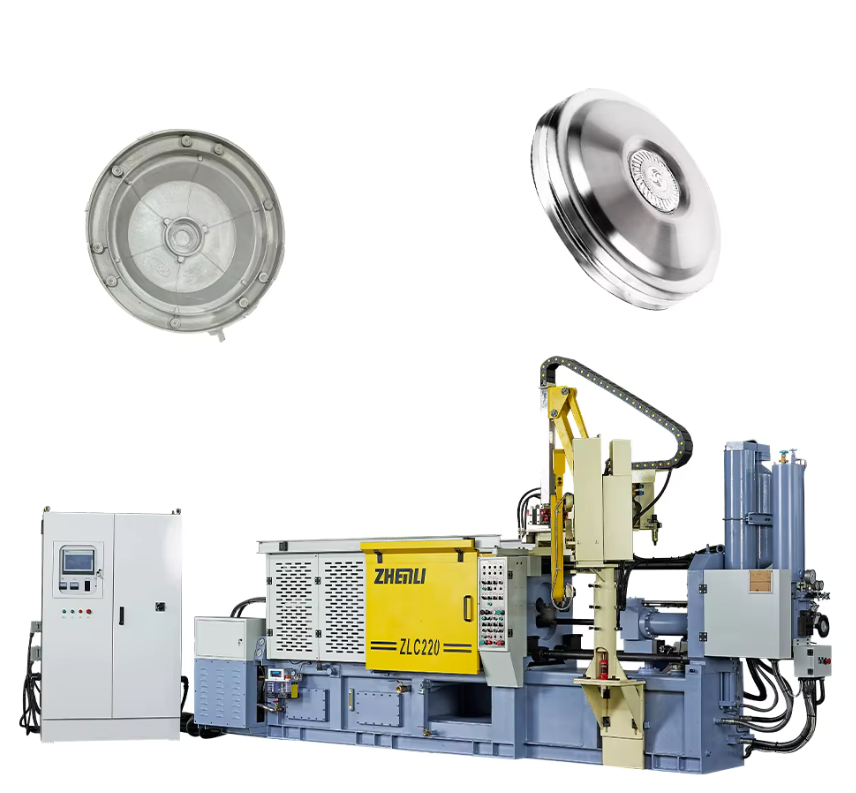
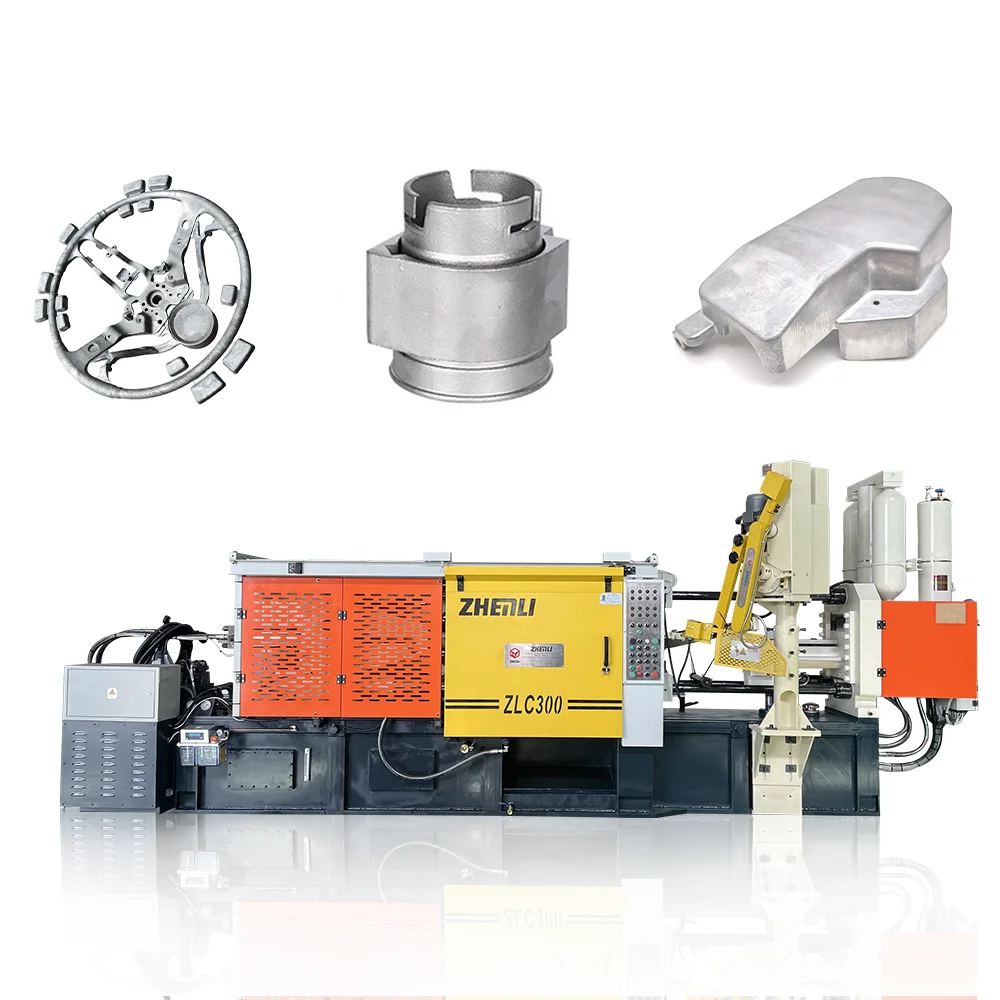
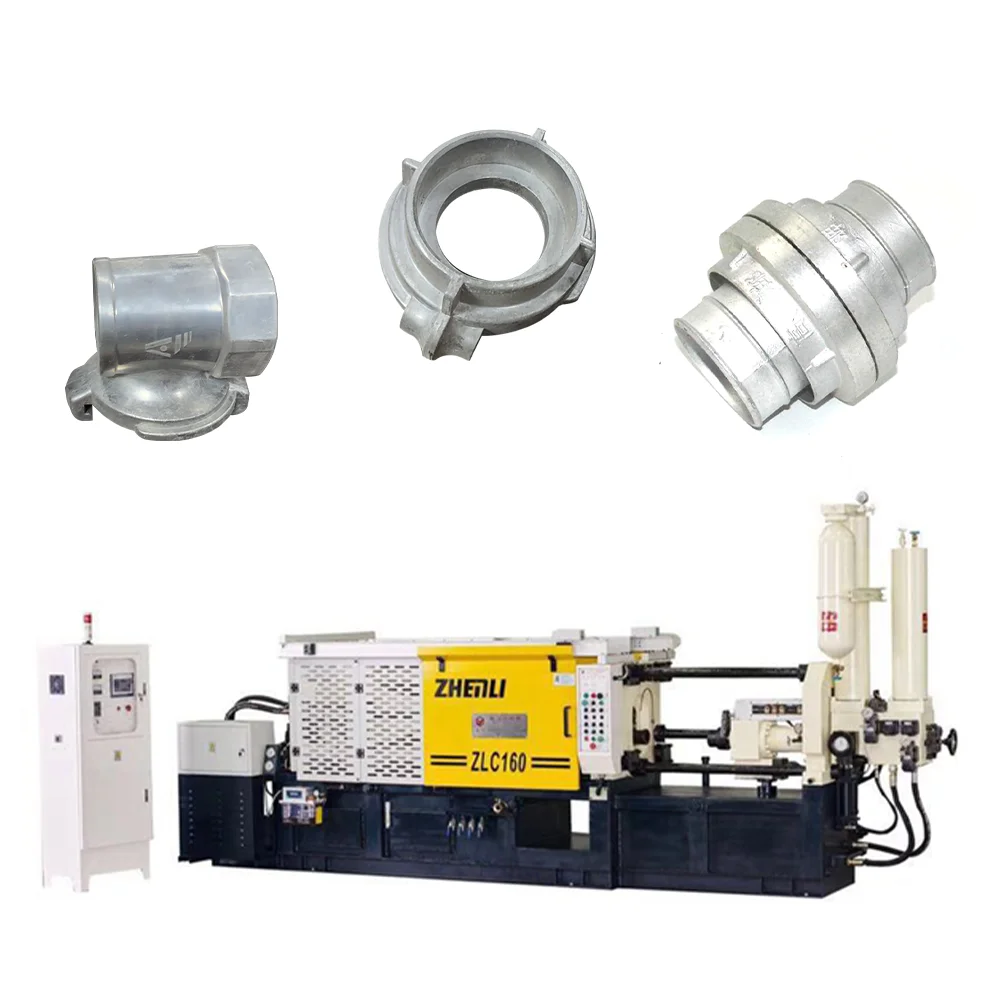
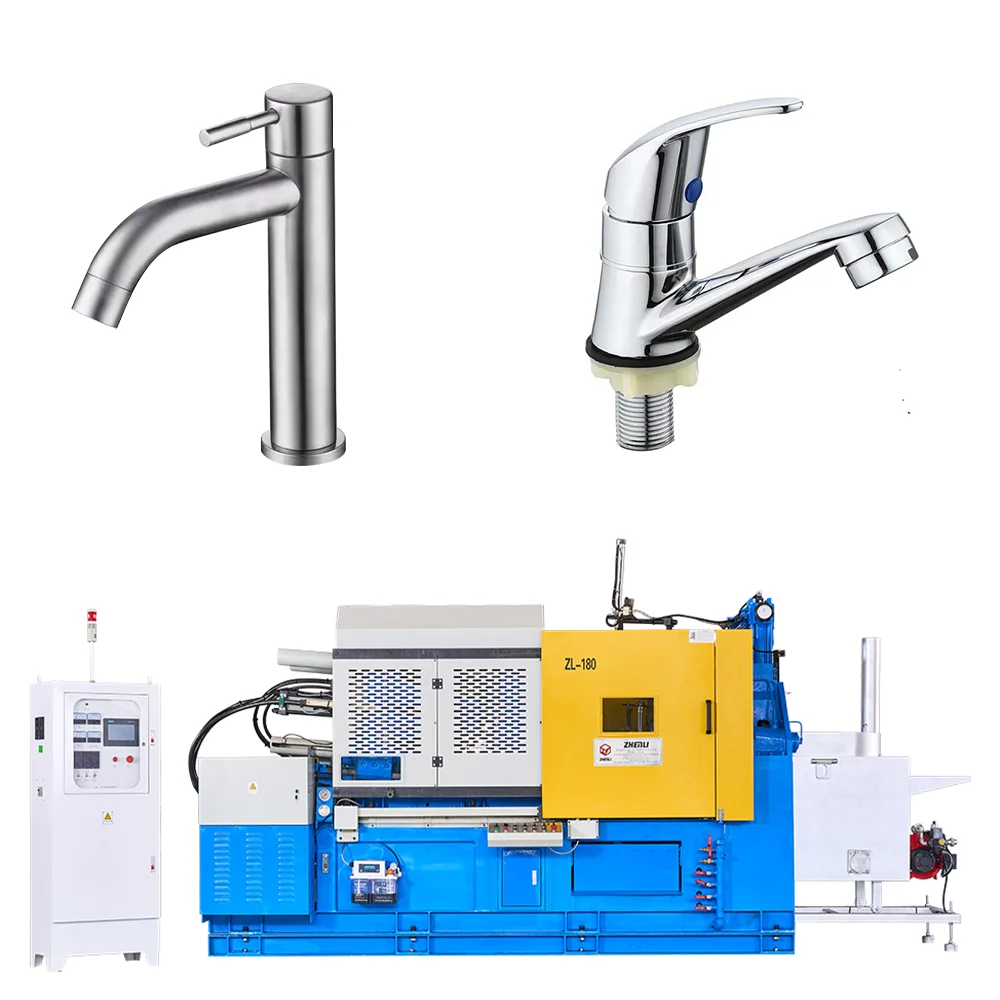
Dedicated to aluminium injection machine, this page showcases Zhenli’s cold chamber variants designed for aluminium alloy molding. These machines deliver strong clamping forces, precise injection pressure, and fast cycle times, ideal for automotive wheel hubs, engine parts, and industrial components. Compliant with international standards, they feature energy-saving hydraulic systems and intelligent controls. The page includes technical specs, application cases, customization services, and global after-sales support, serving 50+ countries.
Get A Quote

Advantages of the product

Wide Adaptability to Different Aluminum Alloys

These machines support processing various aluminum alloys, including 6061 (for structural parts), 7075 (for high strength parts), and A380 (for die cast parts). They can adjust parameters (injection speed, pressure, temperature) to match the specific properties of each alloy—for example, using a slower injection speed for 7075 (which has lower fluidity) to prevent cold shut, and a faster speed for A380 (high fluidity) to fill complex molds. This adaptability eliminates the need to purchase separate machines for different alloys, making them suitable for businesses that produce diverse aluminum products (e.g., from automotive brackets to electronic enclosures).

Related products

Aluminium injection machines refer to specialized equipment designed for processing aluminium based materials, particularly in metal injection molding (MIM) or similar additive manufacturing processes. These machines are engineered to handle aluminium powder feedstocks, which combine fine aluminium particles with polymer binders, requiring modifications such as hardened barrels, screws, and nozzles to resist abrasion and corrosion. The MIM process involves injecting the feedstock into a mold under high pressure, followed by debinding to remove the binder and sintering at temperatures around 600 650°C to achieve near full density and mechanical properties akin to wrought aluminium. This enables production of complex, net shape components with tight tolerances (±0.3%) for industries like aerospace and electronics, where lightweight and high strength to weight ratios are critical. Machines for aluminium injection typically feature enhanced clamping forces (e.g., 50 500 tons) to ensure mold integrity, precise temperature control systems to manage the exothermic sintering reactions, and integration with atmosphere controlled furnaces. Challenges include controlling shrinkage during sintering, minimizing oxide formation, and ensuring consistent feedstock rheology. Advancements in machine design, such as servo electric drives for accurate injection profiling and real time monitoring via IoT sensors, improve process stability and part quality. When evaluating aluminium injection machines, factors like material compatibility, production throughput, and post processing requirements must be assessed to leverage benefits such as design flexibility and reduced material waste.

Frequently Asked Questions

Do any aluminum injection machines with tonnage labels appear here?

No, no aluminum injection machines with tonnage labels are present. The webpage’s tonnage labeled machines are plastic injection molding machines (e.g., 1000 Ton, 800 Ton, 650 Ton). These are for plastics, and aluminum injection machines (with or without tonnage) are not listed.

Related Articles

What Are the Key Advantages of Modern Aluminum Die Casting Machines?

27

Oct

What Are the Key Advantages of Modern Aluminum Die Casting Machines?

Precision and Dimensional Accuracy in Aluminum Die Casting Machine Operations Modern aluminum die casting machines deliver ±0.25mm dimensional tolerances, enabling sub-millimeter precision essential for aerospace components and medical devic...
View More
What Factors Determine the Choice of Metal Casting Machinery?

27

Oct

What Factors Determine the Choice of Metal Casting Machinery?

Casting Method and Compatibility with Metal Casting Machinery How Different Casting Methods Influence Machinery Requirements What kind of casting gets chosen really affects what sort of machinery ends up being needed for metal casting operations, e...
View More
What Should You Look for in an Injection Molding Machine Supplier?

27

Oct

What Should You Look for in an Injection Molding Machine Supplier?

Evaluate Machine Specifications Aligned with Your Product Design Picking the right injection molding machine for a specific product design means looking at three main specs: clamping force measured in tons, injection volume in ounces or cubic centi...
View More
How to Ensure Quality Consistency in Zinc Die Casting Operations?

27

Oct

How to Ensure Quality Consistency in Zinc Die Casting Operations?

Material Selection and Alloy Integrity for Reliable Zinc Die Casting Importance of Alloy Type in Zinc Die Casting Properties Choosing the right zinc alloy makes all the difference when it comes to how well something performs mechanically and how ma...
View More

customer evaluation

Natalie

We use this for aluminum electronic enclosures. It injects molten aluminum evenly into complex molds—no air bubbles. The enclosures have precise dimensions (±0.1mm), fitting our circuit boards perfectly. It runs 16 hours a day, with only 1 hour of daily maintenance. Output of enclosures reached 5000 pieces/month.

Get a Free Quote

Our representative will contact you soon.
Email
Mobile/WhatsApp
Name
Company Name
Message
0/1000
Uniform Aluminum Injection for Bubble Free Parts

Uniform Aluminum Injection for Bubble Free Parts

This aluminum injection machine uses a screw type injection system that ensures molten aluminum is injected into molds evenly, without turbulence (a major cause of air bubbles). The injection speed is adjustable (50–200mm/s) to match different mold designs—slower for complex parts with thin walls and faster for simple, thick walled parts. This uniform injection produces parts with high density (no porosity), which is critical for pressure bearing components like aluminum hydraulic cylinders or engine oil pans.
Adaptable to Complex Aluminum Part Designs

Adaptable to Complex Aluminum Part Designs

Unlike traditional casting, aluminum injection molding can produce parts with complex geometries—such as internal cavities, thin walls (1–2mm), and intricate ribs—and this machine handles these designs with ease. It has a high injection pressure (100–150MPa) that pushes molten aluminum into every corner of the mold, even for parts with deep cavities or narrow channels. For example, it produces aluminum electronic device shells with integrated heat sinks and screw bosses in one step, eliminating the need for assembly and reducing production time.
Precise Cooling Control to Prevent Part Warping

Precise Cooling Control to Prevent Part Warping

Aluminum cools quickly and can warp if cooled unevenly, but this machine’s multi zone cooling system prevents this. It uses separate cooling circuits for different parts of the mold (e.g., thicker sections get more cooling), with temperature sensors that monitor mold temperature in real time. The cooling time is adjustable (10–60 seconds) based on part thickness, ensuring parts solidify uniformly without internal stress. This control is especially important for large aluminum parts (e.g., 1m long aluminum profiles) where warping would render parts unusable.
WhatsApp WhatsApp
WhatsApp
Email Email Inquiry Inquiry TopTop