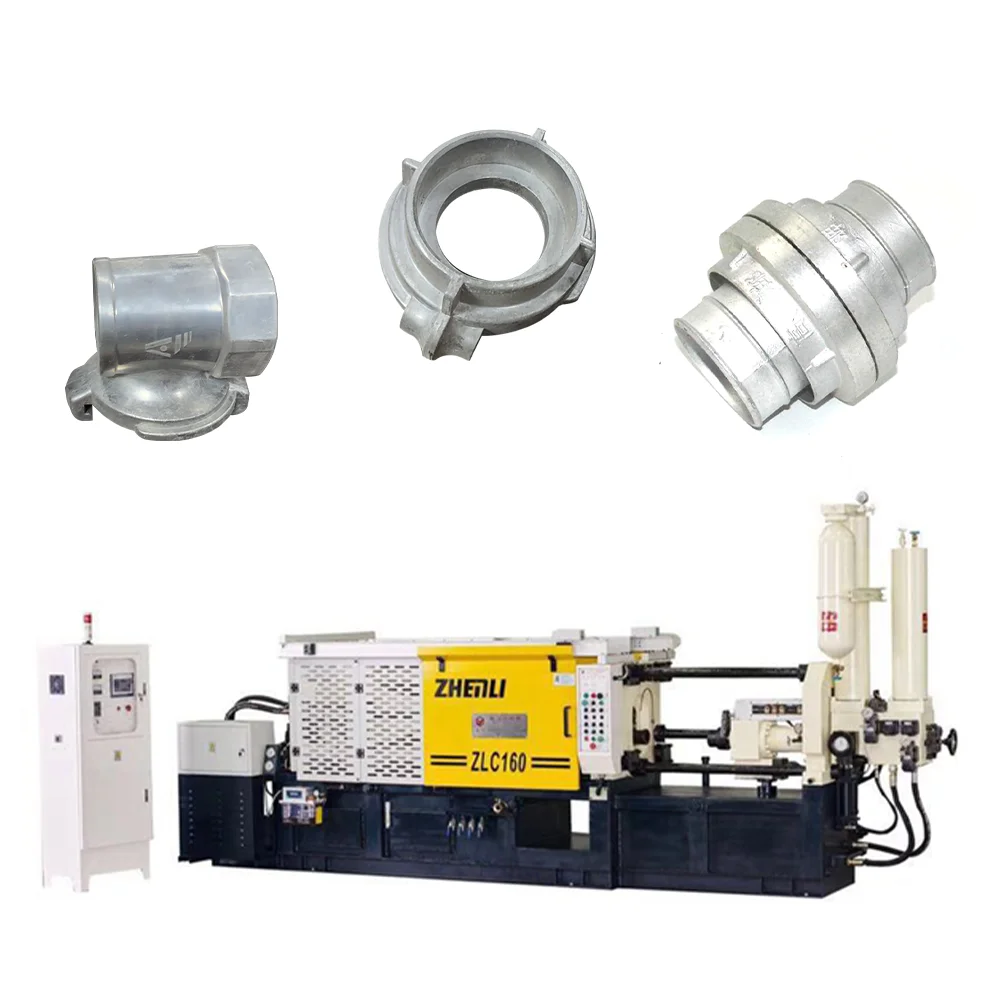
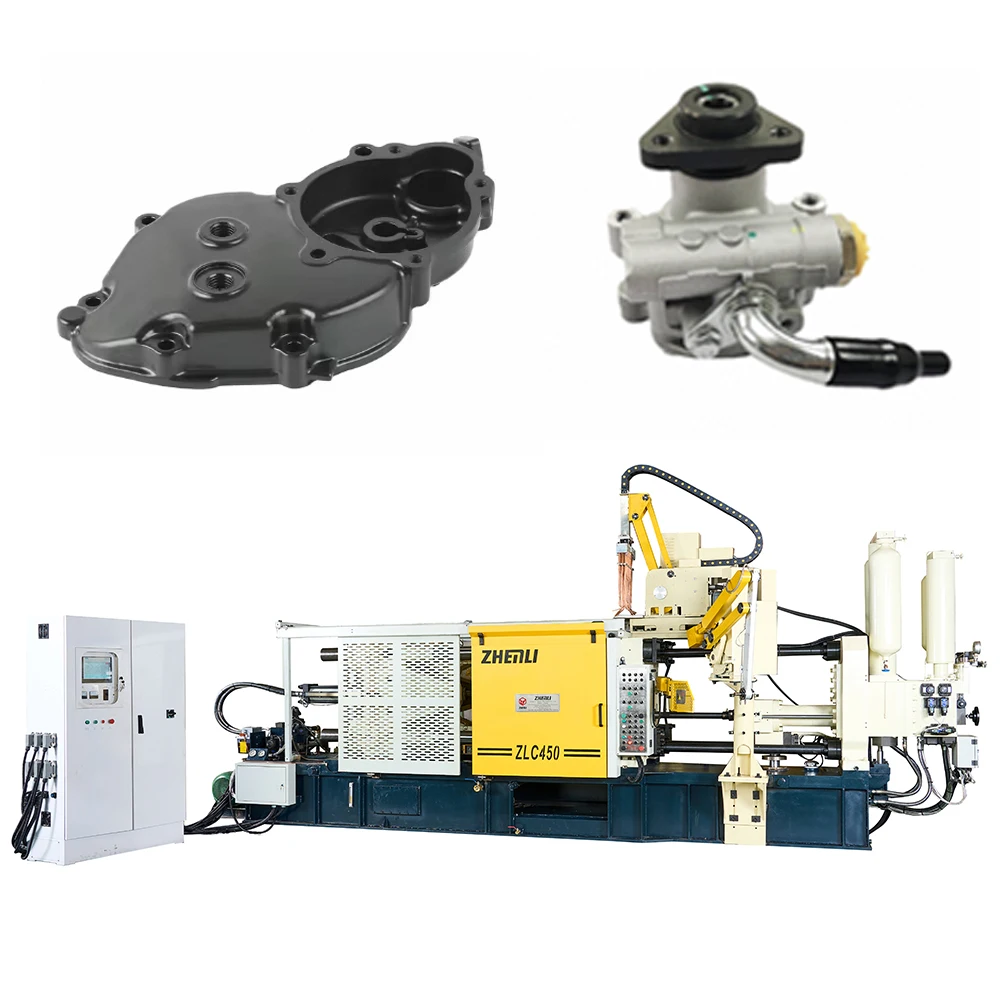
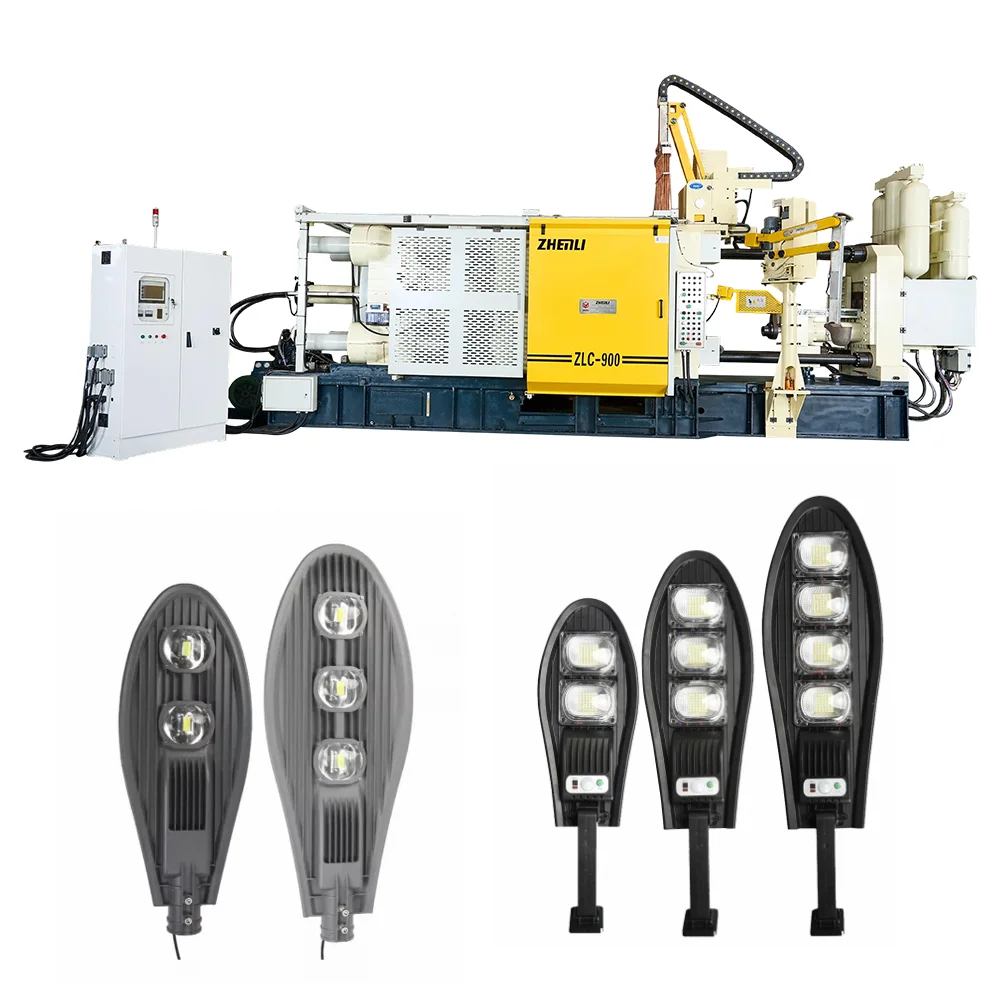
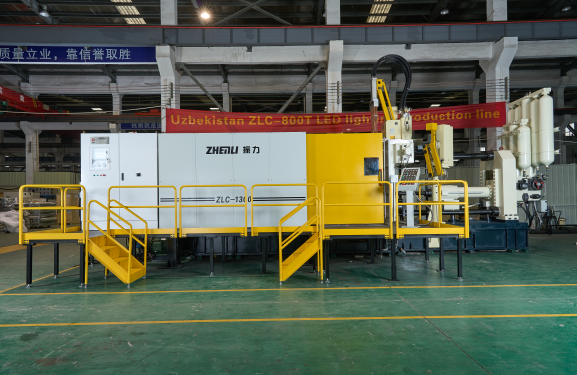
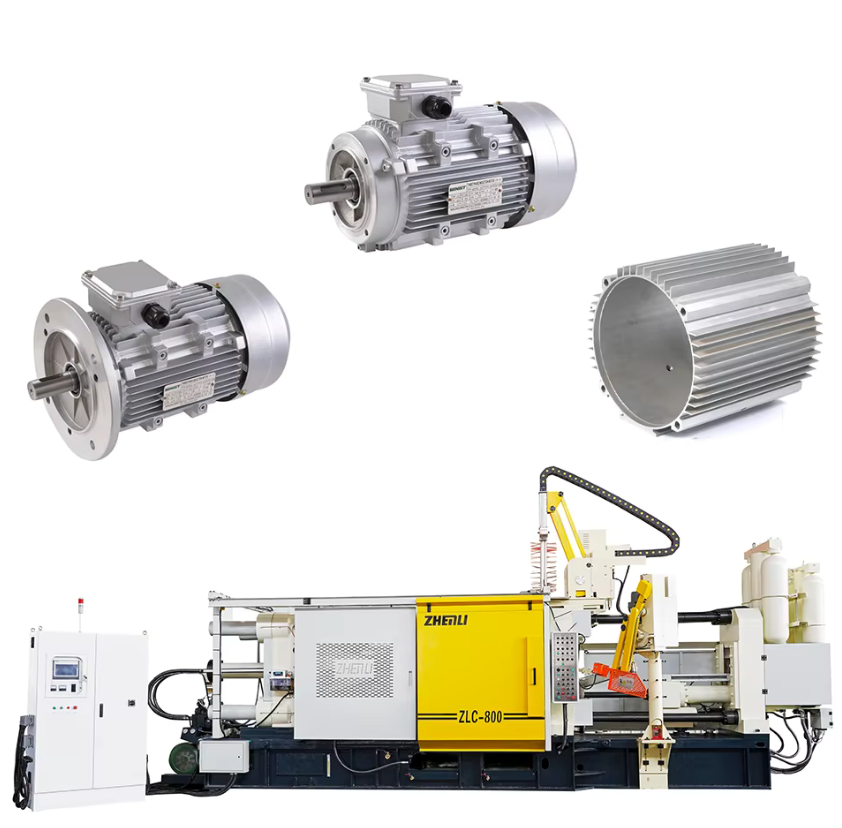
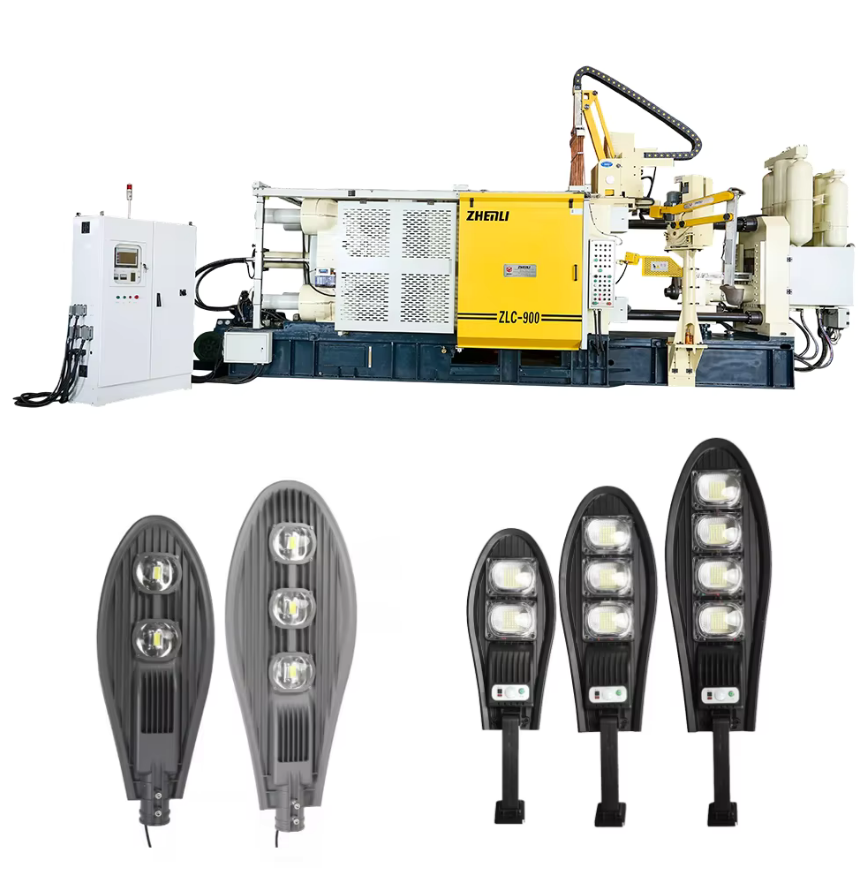
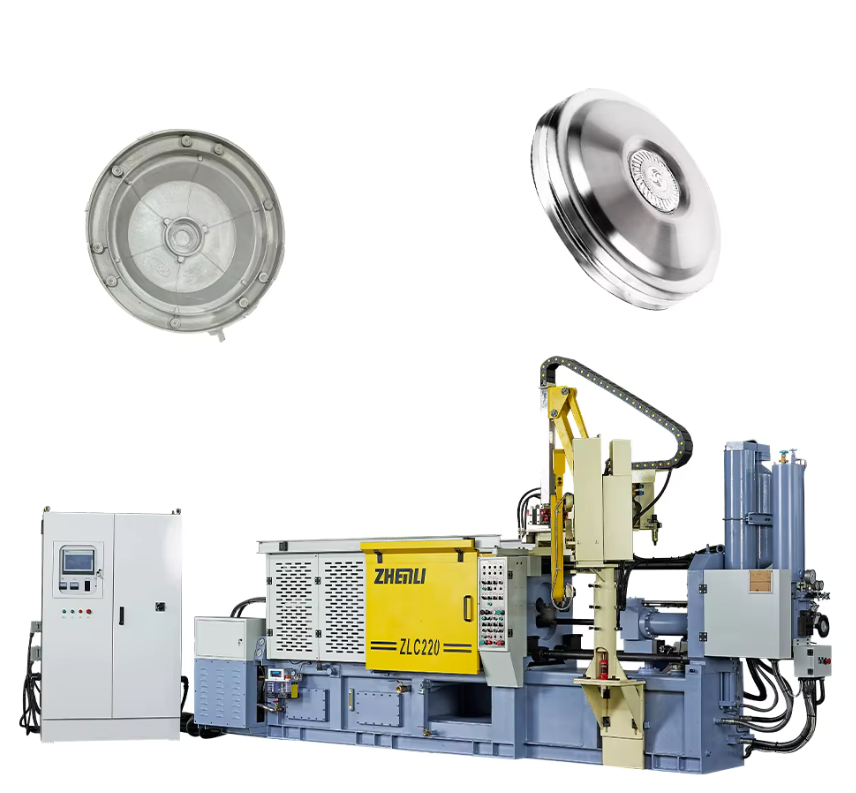
Aluminum Injection Machine: High-Pressure Cold Chamber Die Casting Solutions

[email protected]         +86-13302590675

Get a Free Quote

Our representative will contact you soon.
Email
Mobile/WhatsApp
Name
Company Name
Message
0/1000

Injection Machine Aluminum - Cold Chamber Solutions for Aluminum Molding by Zhenli

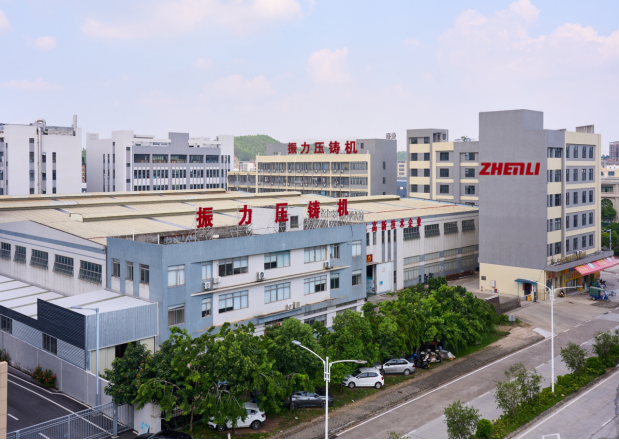
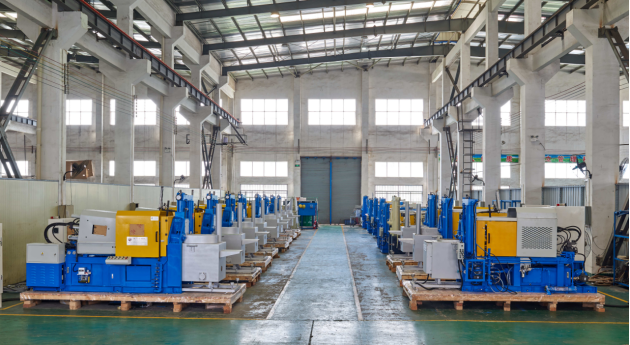
This page features injection machine aluminum (cold chamber models) optimized for aluminum alloy’s high melting point. Jiangmen Zhenli’s machines offer precise temperature control, corrosion-resistant components, and uniform injection, producing complex aluminum parts (auto components, aerospace parts). Equipped with intelligent monitoring systems, they comply with ISO/CE certifications. The page details technical parameters, customization options, sample testing, and global shipment. Zhenli’s 20+ CNC machines ensure reliable quality, with one-stop support for 50+ countries.
Get A Quote

Advantages of the product

Wide Adaptability to Different Aluminum Alloys

These machines support processing various aluminum alloys, including 6061 (for structural parts), 7075 (for high strength parts), and A380 (for die cast parts). They can adjust parameters (injection speed, pressure, temperature) to match the specific properties of each alloy—for example, using a slower injection speed for 7075 (which has lower fluidity) to prevent cold shut, and a faster speed for A380 (high fluidity) to fill complex molds. This adaptability eliminates the need to purchase separate machines for different alloys, making them suitable for businesses that produce diverse aluminum products (e.g., from automotive brackets to electronic enclosures).

Related products

Injection machines incorporating aluminum components represent a niche yet growing segment in plastic processing, leveraging aluminum's lightweight properties for enhanced portability and energy efficiency. These machines often feature aluminum frames, platens, or housings, reducing overall weight by up to 30% compared to all steel constructions, which simplifies installation and relocation in dynamic manufacturing setups. Aluminum's high thermal conductivity aids in dissipating heat from the injection unit and hydraulic systems, potentially lowering cooling requirements and energy consumption. However, aluminum alloys, such as 6061 or 7075, possess lower tensile strength and wear resistance than steel, necessitating reinforcement in high stress areas like the tie bars or clamping mechanisms to withstand forces exceeding 100 tons. Applications include small tonnage machines (e.g., below 50 tons) for prototyping, educational use, or low volume production, where cost savings and maneuverability outweigh longevity concerns. The manufacturing of aluminum injection machines involves precision casting and CNC machining to maintain structural integrity, while anodizing or coating processes mitigate oxidation and abrasion. Key considerations when selecting such equipment include the compatibility with processing materials (e.g., engineering plastics), operational environment (e.g., humidity control to prevent galvanic corrosion), and lifecycle cost analysis. Despite limitations in heavy duty scenarios, aluminum based machines offer a sustainable option due to recyclability, aligning with eco friendly initiatives in global markets.

Frequently Asked Questions

Do the webpage’s injection machines handle aluminum?

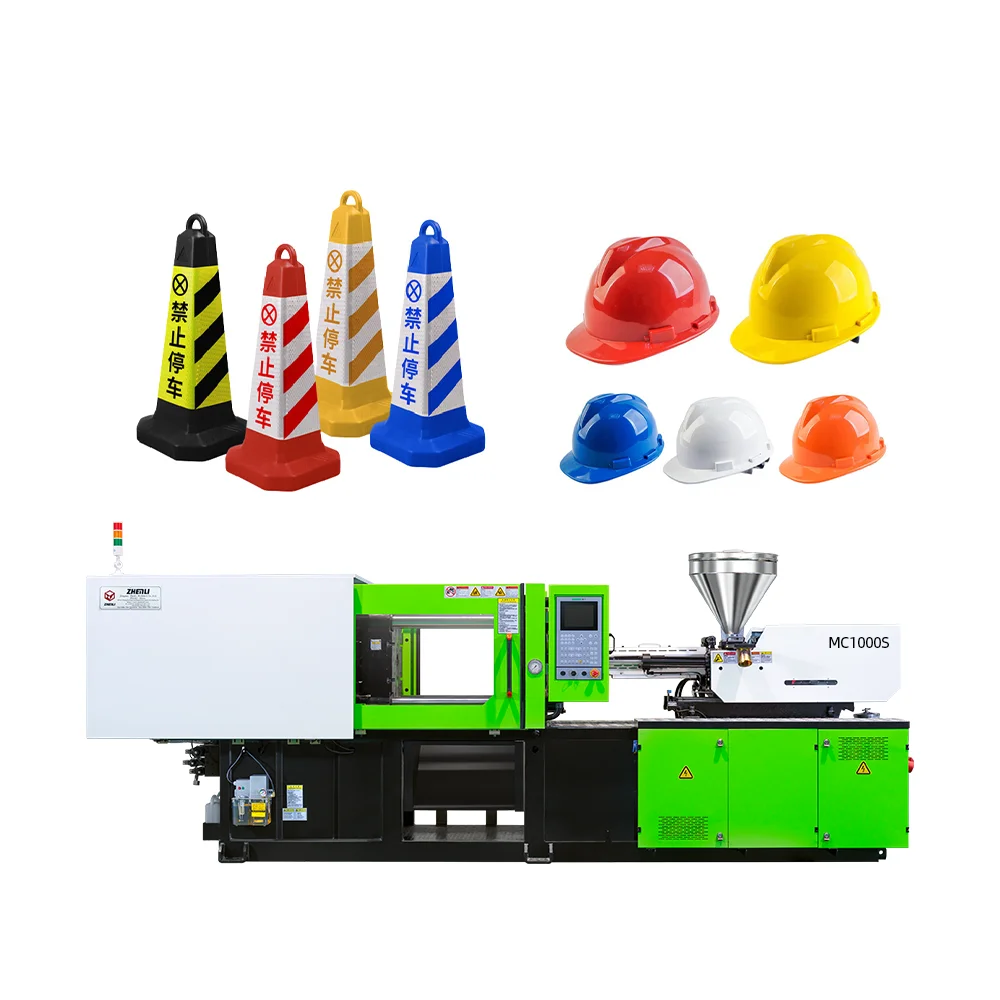
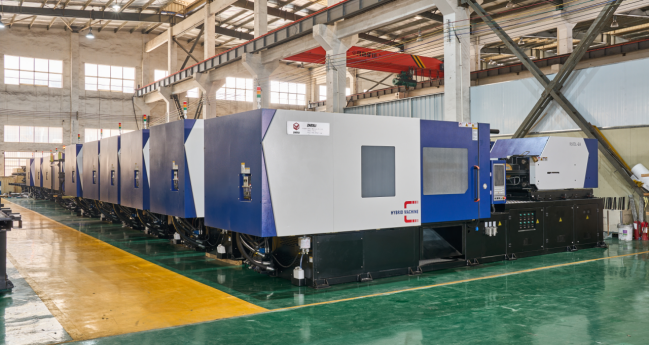
No, the webpage’s injection machines do not handle aluminum. They are plastic injection molding machines, processing materials like PVC, PET, EVA, and plastic for items like traffic cones, baby products, and shoe soles. Aluminum is not a processed material for these injection machines.

Related Articles

What Are the Key Advantages of Modern Aluminum Die Casting Machines?

27

Oct

What Are the Key Advantages of Modern Aluminum Die Casting Machines?

Precision and Dimensional Accuracy in Aluminum Die Casting Machine Operations Modern aluminum die casting machines deliver ±0.25mm dimensional tolerances, enabling sub-millimeter precision essential for aerospace components and medical devic...
View More
Why Consider a Supplier with Both R&D and Production Capabilities?

27

Oct

Why Consider a Supplier with Both R&D and Production Capabilities?

Faster Innovation and Shorter Time to Market Integration of R&D and production systems for faster innovation cycles Integrated R&D and production systems eliminate costly handoffs between teams, creating a closed-loop feedback process. Engineers ga...
View More
What Should You Look for in an Injection Molding Machine Supplier?

27

Oct

What Should You Look for in an Injection Molding Machine Supplier?

Evaluate Machine Specifications Aligned with Your Product Design Picking the right injection molding machine for a specific product design means looking at three main specs: clamping force measured in tons, injection volume in ounces or cubic centi...
View More
How to Ensure Quality Consistency in Zinc Die Casting Operations?

27

Oct

How to Ensure Quality Consistency in Zinc Die Casting Operations?

Material Selection and Alloy Integrity for Reliable Zinc Die Casting Importance of Alloy Type in Zinc Die Casting Properties Choosing the right zinc alloy makes all the difference when it comes to how well something performs mechanically and how ma...
View More

customer evaluation

Natalie

We use this for aluminum electronic enclosures. It injects molten aluminum evenly into complex molds—no air bubbles. The enclosures have precise dimensions (±0.1mm), fitting our circuit boards perfectly. It runs 16 hours a day, with only 1 hour of daily maintenance. Output of enclosures reached 5000 pieces/month.

Get a Free Quote

Our representative will contact you soon.
Email
Mobile/WhatsApp
Name
Company Name
Message
0/1000
Uniform Aluminum Injection for Bubble Free Parts

Uniform Aluminum Injection for Bubble Free Parts

This aluminum injection machine uses a screw type injection system that ensures molten aluminum is injected into molds evenly, without turbulence (a major cause of air bubbles). The injection speed is adjustable (50–200mm/s) to match different mold designs—slower for complex parts with thin walls and faster for simple, thick walled parts. This uniform injection produces parts with high density (no porosity), which is critical for pressure bearing components like aluminum hydraulic cylinders or engine oil pans.
Adaptable to Complex Aluminum Part Designs

Adaptable to Complex Aluminum Part Designs

Unlike traditional casting, aluminum injection molding can produce parts with complex geometries—such as internal cavities, thin walls (1–2mm), and intricate ribs—and this machine handles these designs with ease. It has a high injection pressure (100–150MPa) that pushes molten aluminum into every corner of the mold, even for parts with deep cavities or narrow channels. For example, it produces aluminum electronic device shells with integrated heat sinks and screw bosses in one step, eliminating the need for assembly and reducing production time.
Precise Cooling Control to Prevent Part Warping

Precise Cooling Control to Prevent Part Warping

Aluminum cools quickly and can warp if cooled unevenly, but this machine’s multi zone cooling system prevents this. It uses separate cooling circuits for different parts of the mold (e.g., thicker sections get more cooling), with temperature sensors that monitor mold temperature in real time. The cooling time is adjustable (10–60 seconds) based on part thickness, ensuring parts solidify uniformly without internal stress. This control is especially important for large aluminum parts (e.g., 1m long aluminum profiles) where warping would render parts unusable.
WhatsApp WhatsApp
WhatsApp
Email Email Inquiry Inquiry TopTop