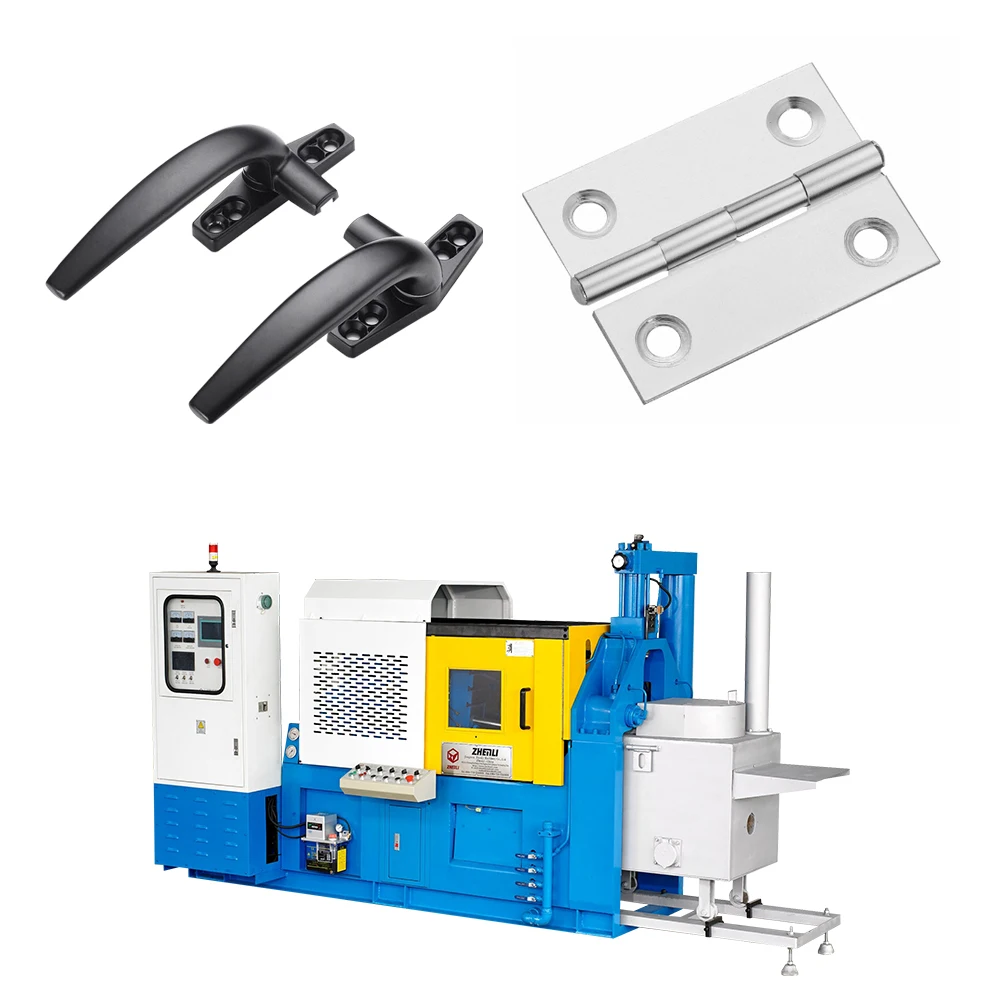
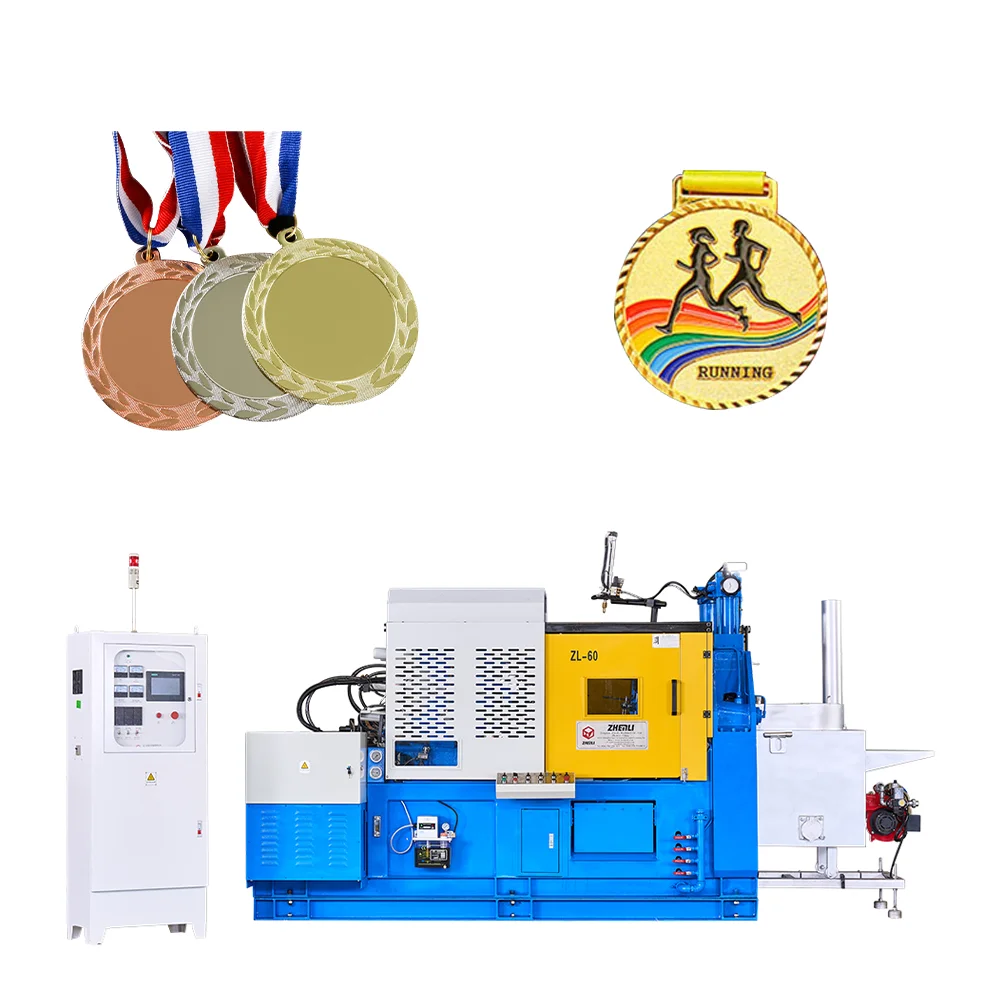
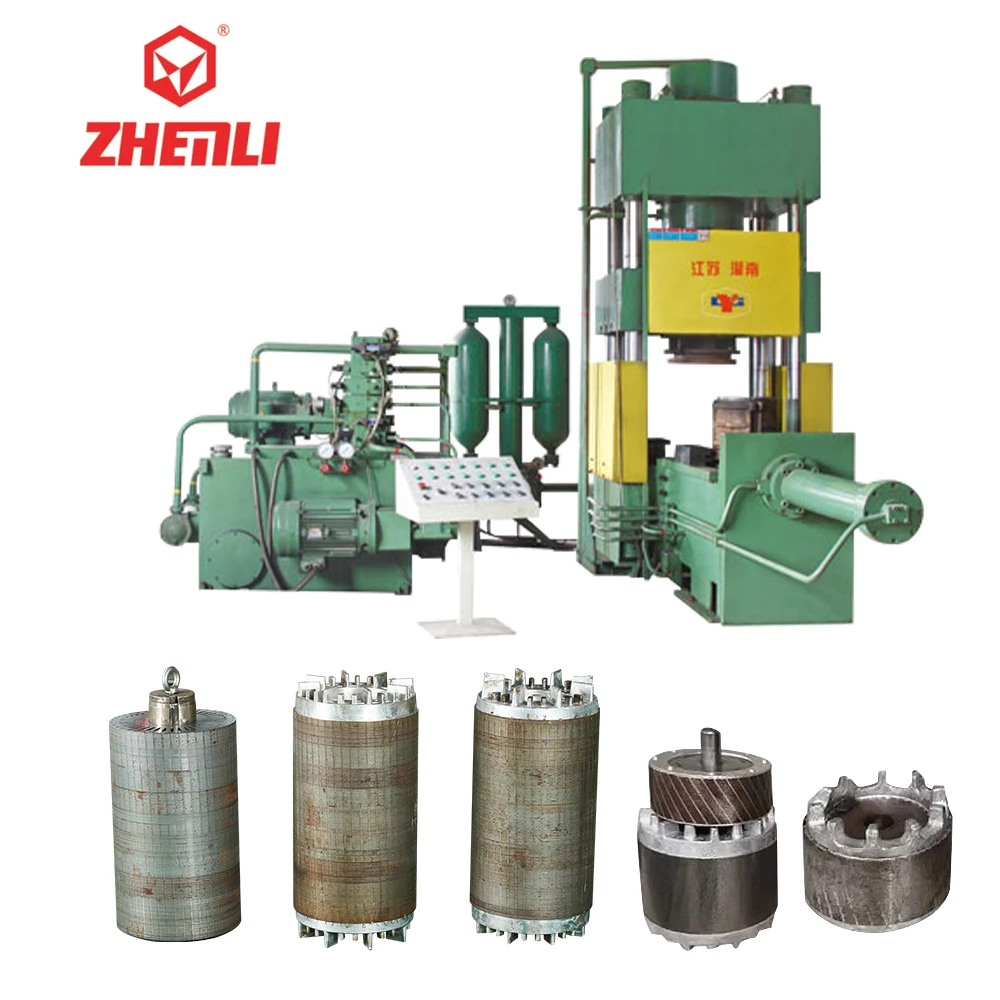
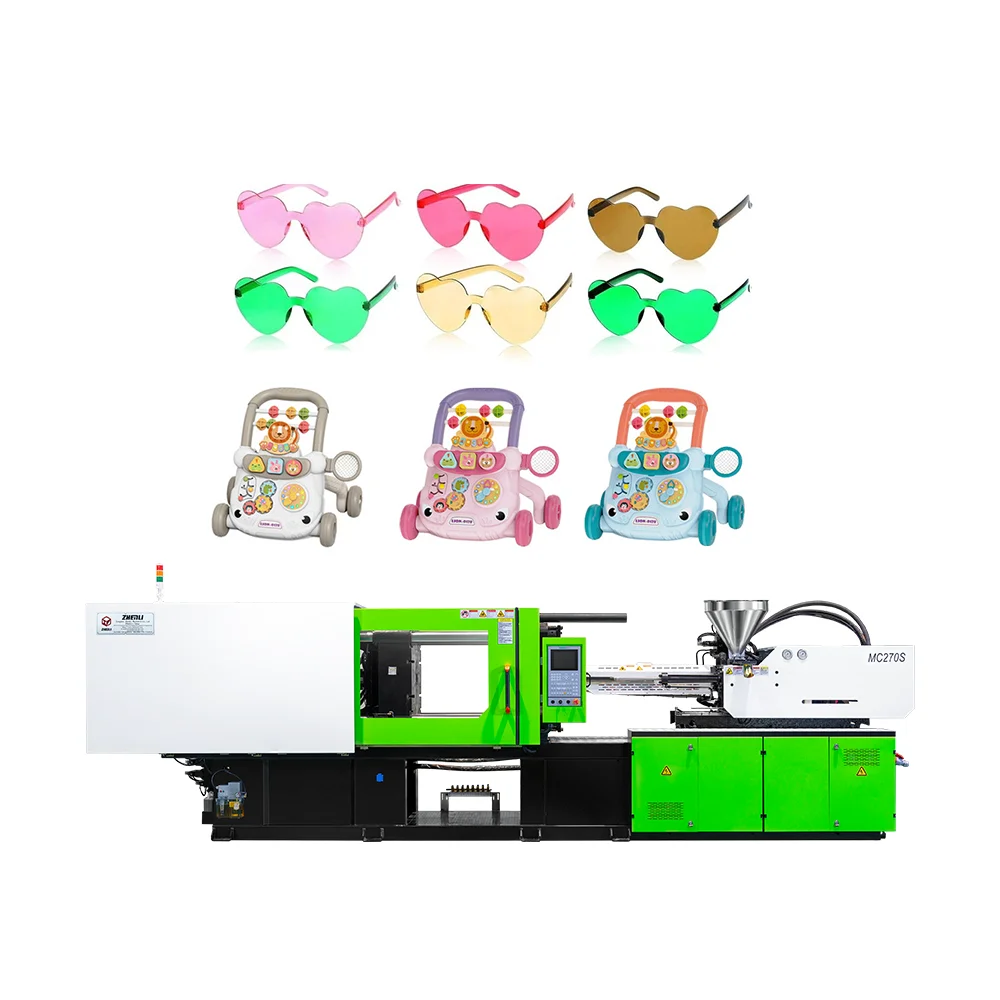
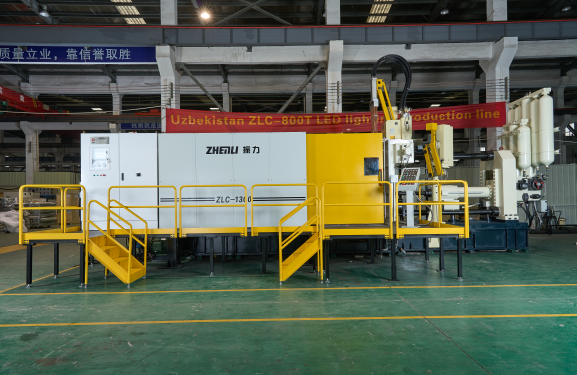
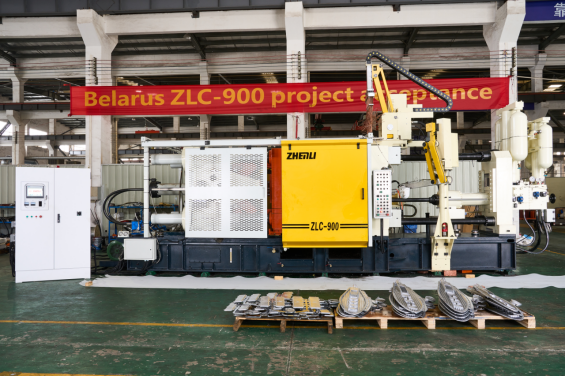
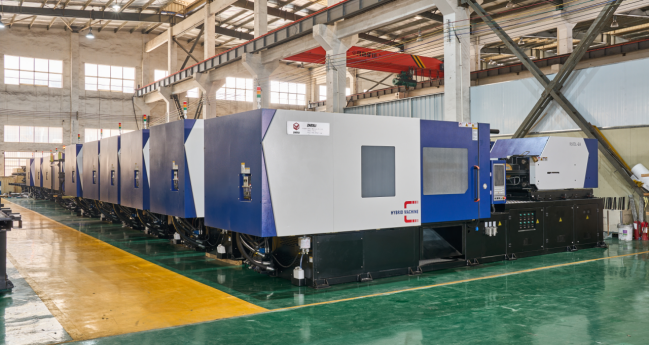
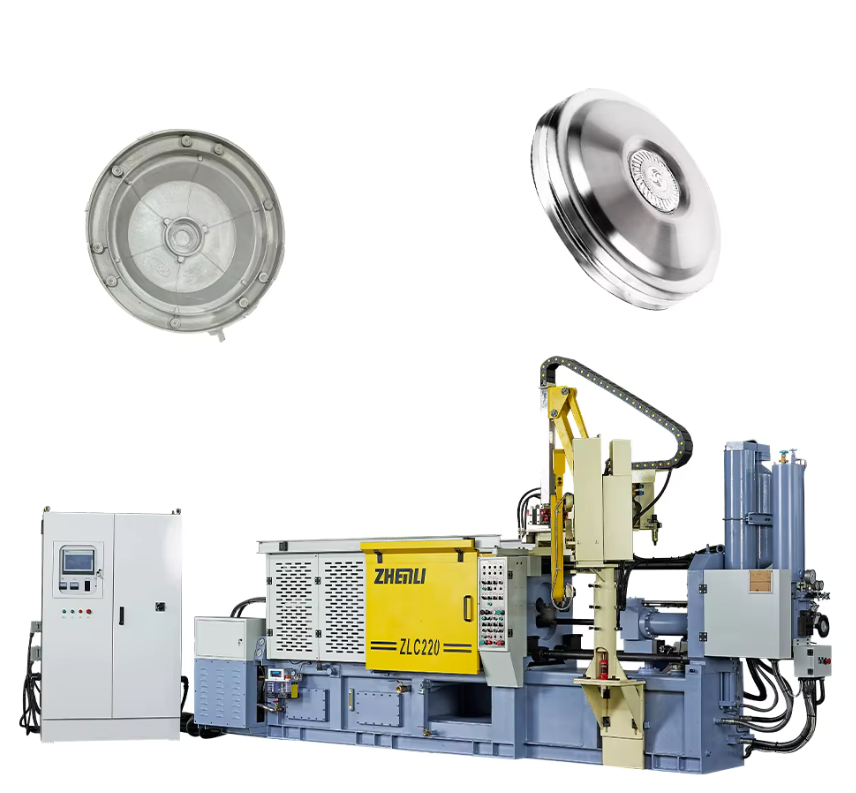
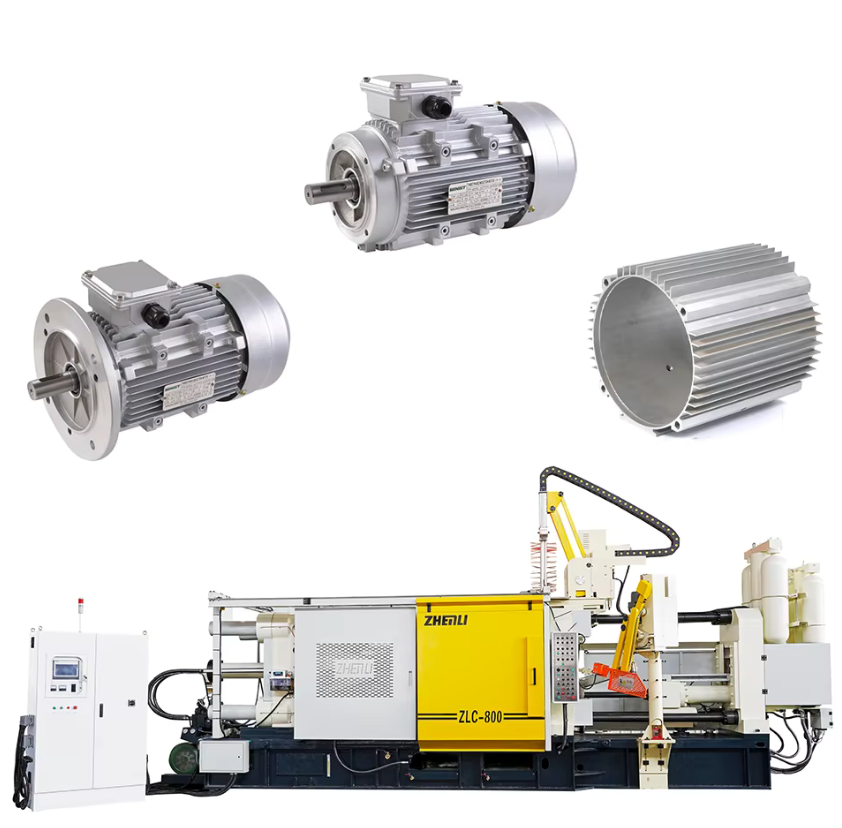
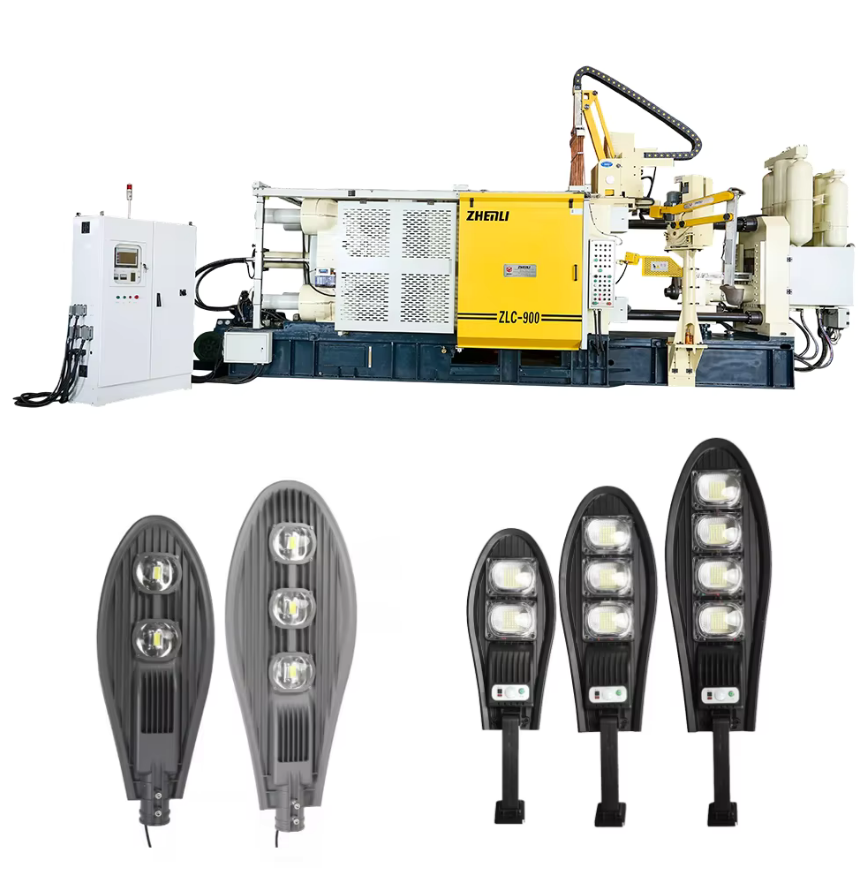
Aluminium molding machines refer to equipment utilized in processes like injection molding or compression molding for aluminum based materials, focusing on creating components with excellent strength to weight ratios. In injection molding contexts, these machines are configured for metal injection molding (MIM) of aluminum, involving the use of feedstocks that combine aluminum powder with polymers to facilitate shaping under heat and pressure. The machines typically incorporate aluminum elements in non critical areas to minimize weight and improve thermal management, while essential parts like the platens and tie bars are constructed from steel to handle high clamping forces. Process optimization involves controlling variables such as barrel temperature profiles, injection speed, and cooling rates to achieve uniform part density and avoid defects like cracking or distortion. Applications range from industrial tools to consumer goods, where aluminum's lightness and corrosion resistance are advantageous. Innovations in aluminium molding machines include the integration of servo electric drives for energy savings, automated mold changing systems for flexibility, and IoT enabled diagnostics for real time performance tracking. When evaluating these machines, key aspects include their adaptability to different aluminum alloys (e.g., 1000 or 6000 series), ease of maintenance, and compliance with environmental regulations regarding emissions and waste. The growing adoption of aluminum in additive manufacturing and MIM processes underscores the importance of these machines in advancing lightweight design strategies across diverse markets.