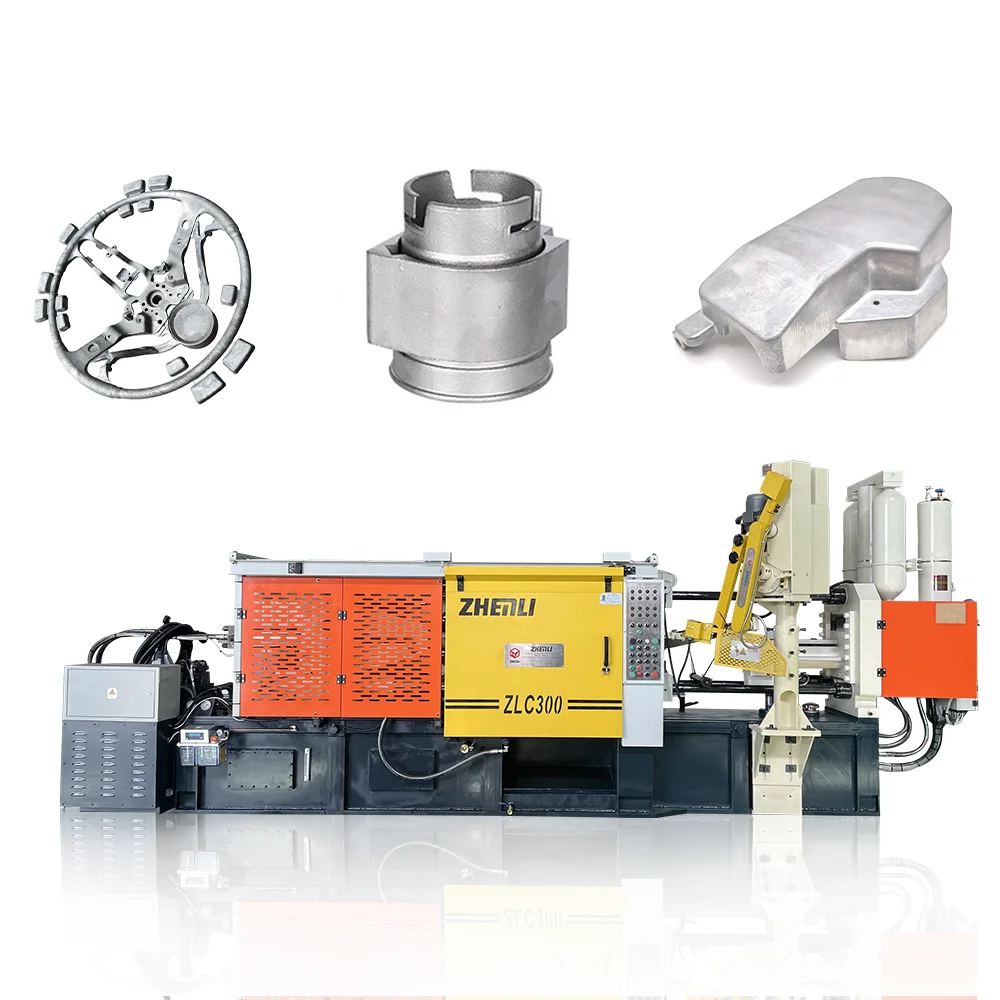
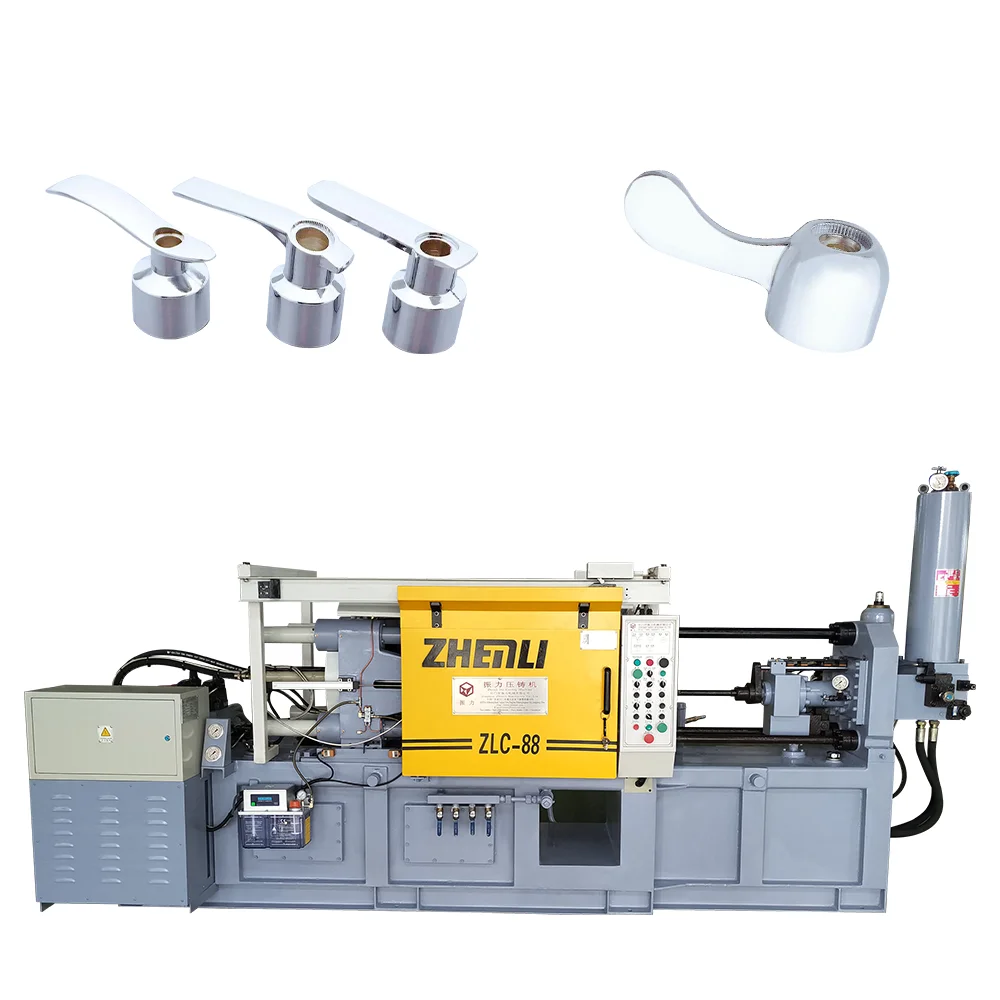
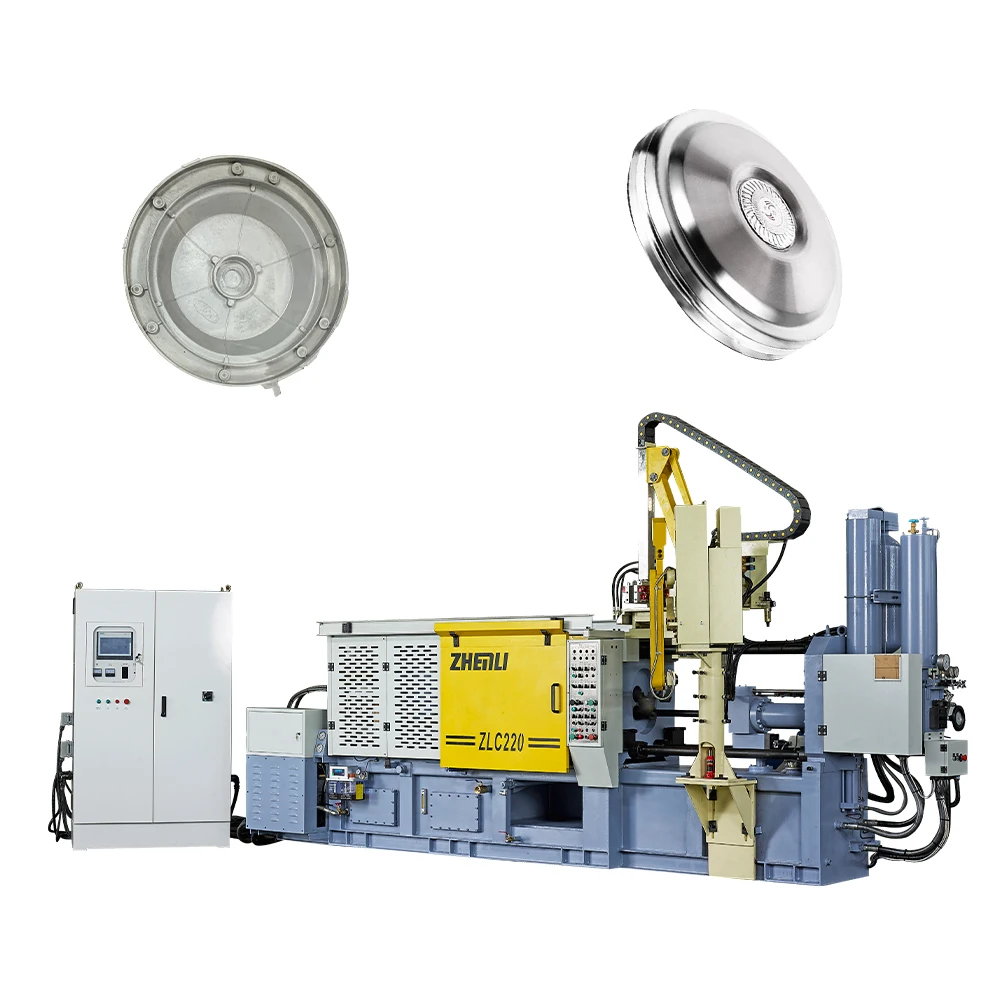
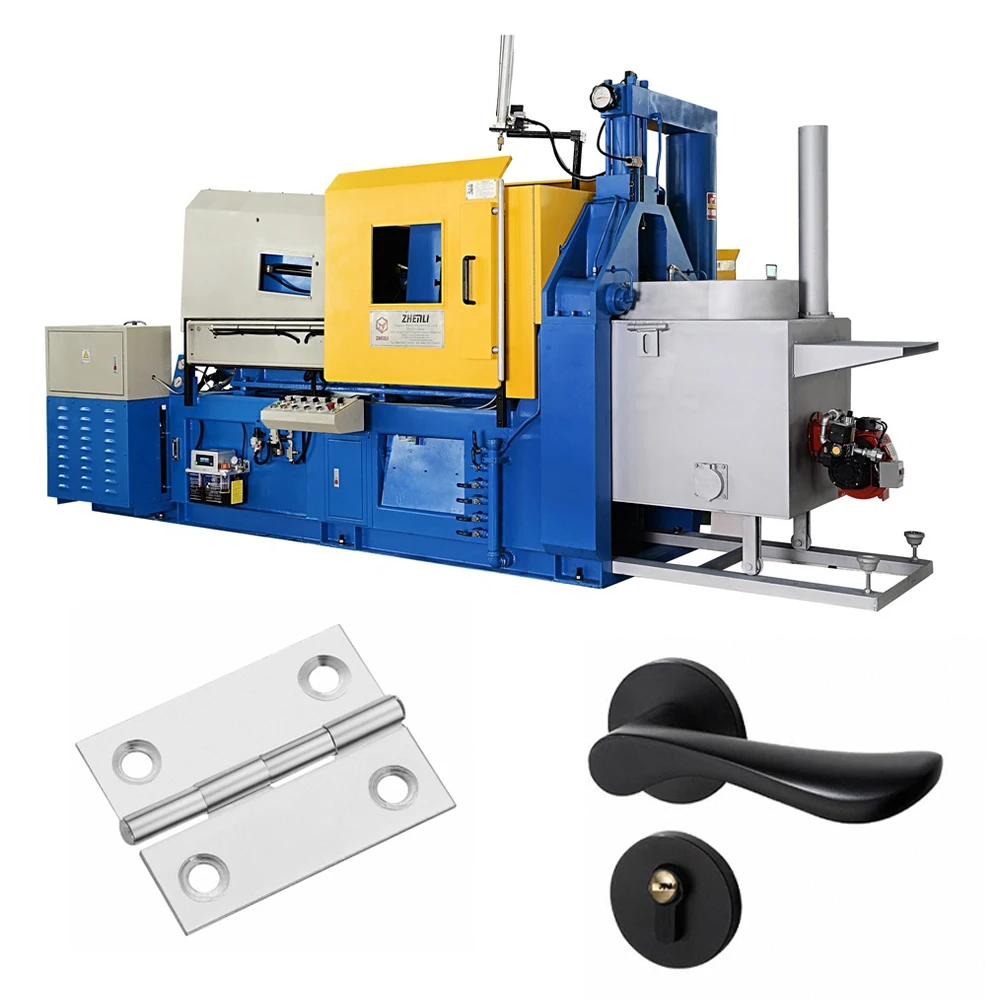
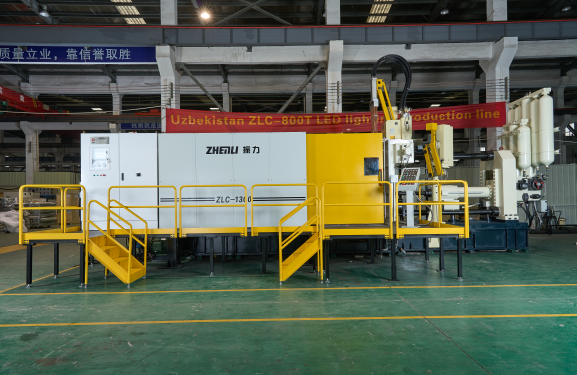
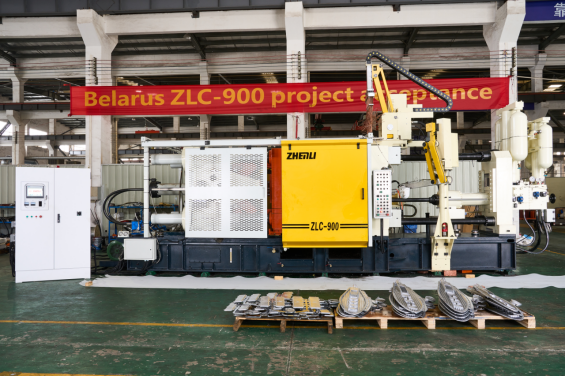
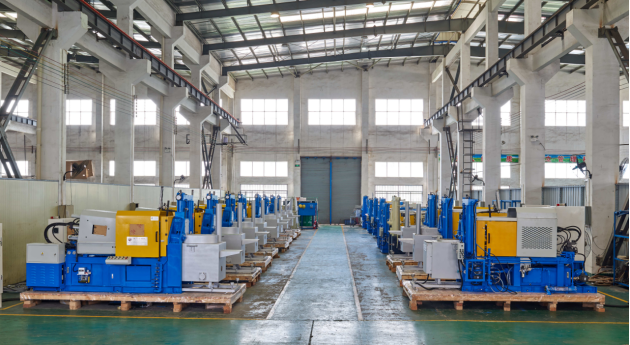
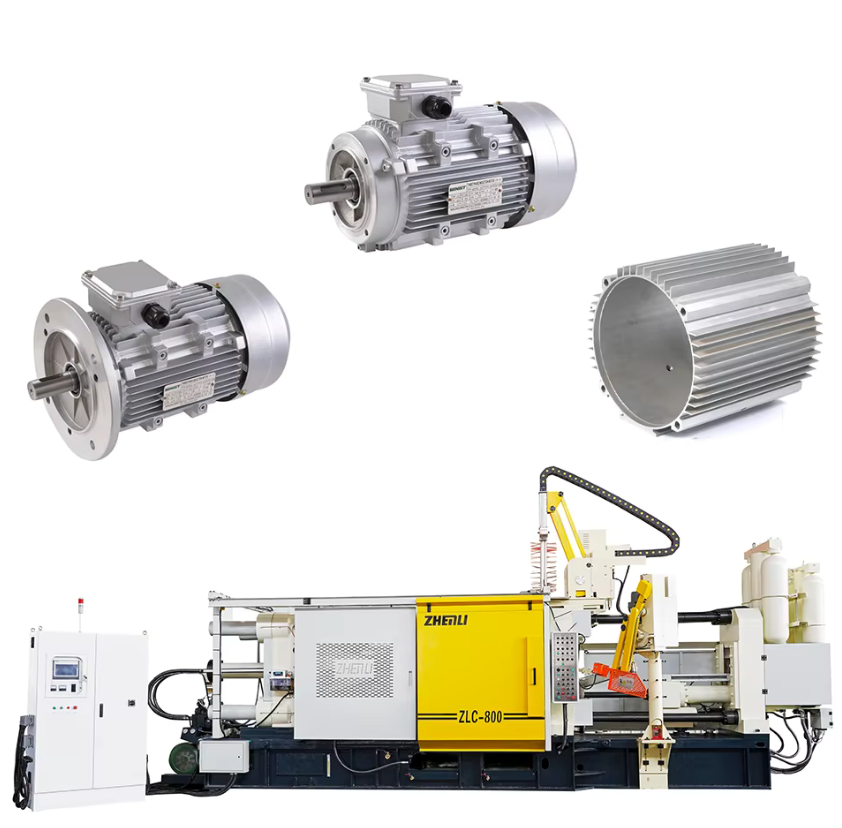
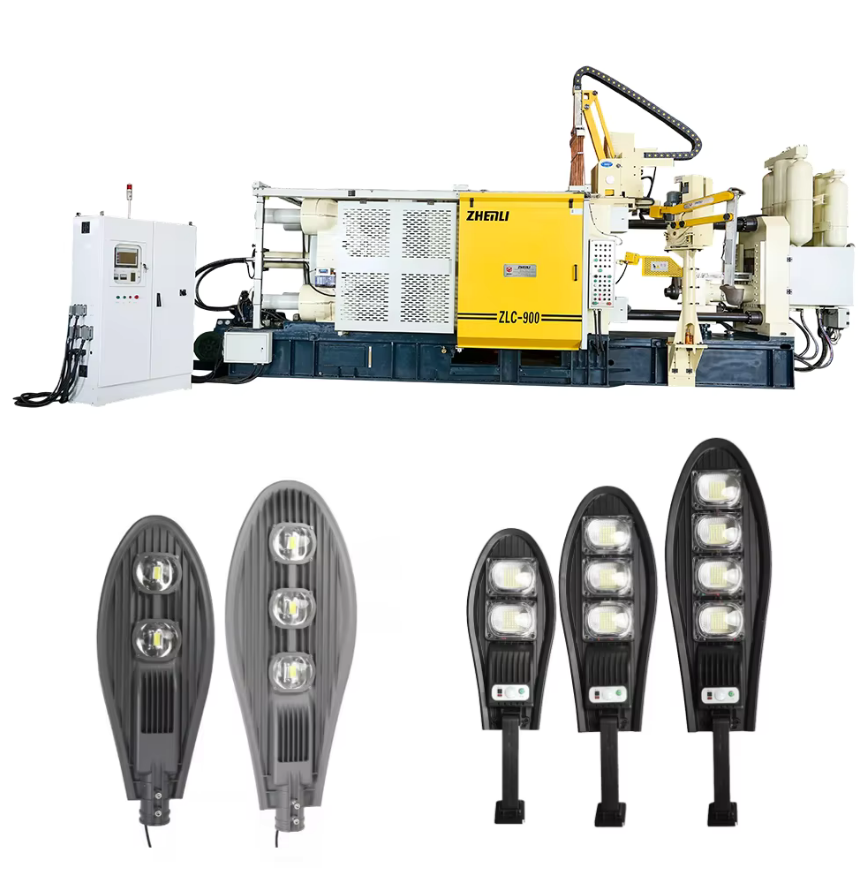
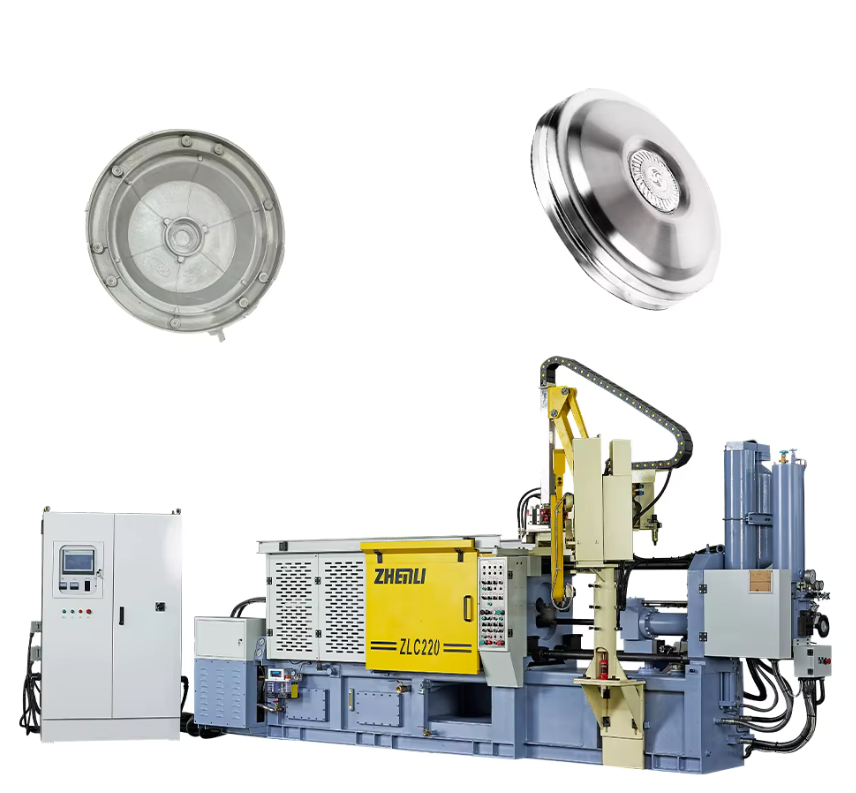
An aluminium injection moulding machine is a advanced system tailored for the metal injection moulding (MIM) of aluminium alloys, facilitating the mass production of intricate, high performance parts. These machines operate by processing aluminium powder mixed with thermoplastic binders into a homogeneous feedstock, which is injected into precision molds under controlled parameters. Key components include a robust injection unit with wear resistant materials (e.g., tungsten carbide lined barrels) to handle abrasive feedstocks, and a clamping system capable of maintaining high tonnage to prevent flash and ensure dimensional accuracy. The process demands precise control over injection speed, pressure, and temperature to avoid defects like jetting or voids, followed by catalytic or thermal debinding and sintering in nitrogen or hydrogen atmospheres to achieve densities over 95% of theoretical values. Aluminium MIM parts exhibit excellent corrosion resistance, good thermal conductivity, and mechanical properties suitable for applications in automotive (e.g., sensors) and medical devices (e.g., surgical tools). Modern machines incorporate closed loop control systems, adaptive cooling, and data analytics for predictive maintenance, enhancing reliability and reducing downtime. Selection criteria involve machine capacity (e.g., shot size, clamp force), compatibility with aluminium feedstocks (e.g., particle size distribution), and energy efficiency. While initial costs are higher than conventional plastic injection machines, the ability to produce complex geometries with minimal secondary operations offers long term savings and aligns with lean manufacturing principles globally.