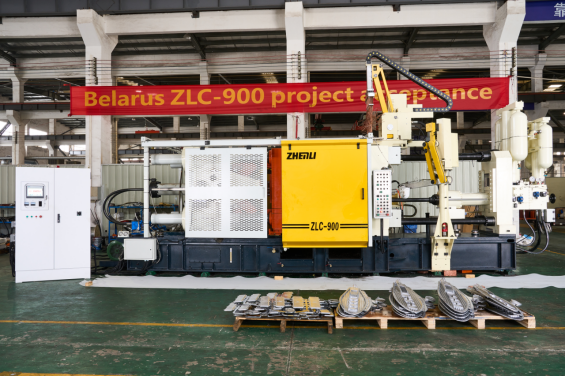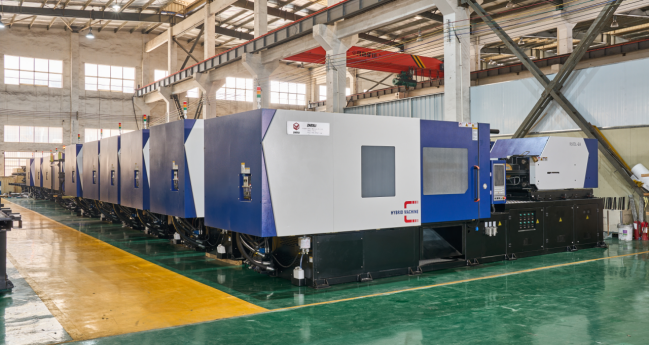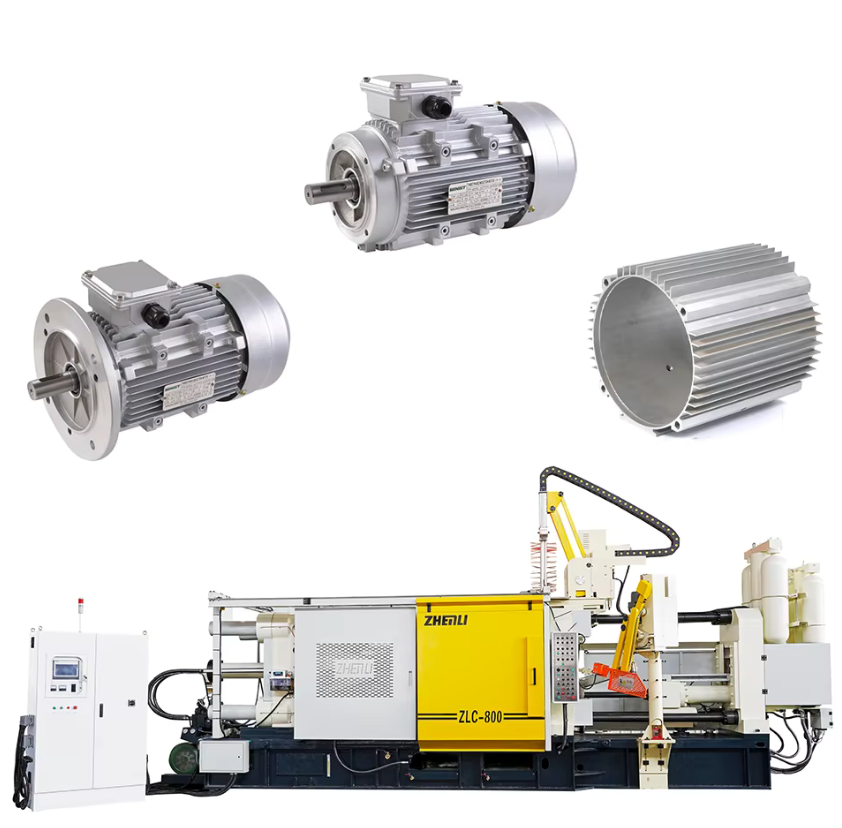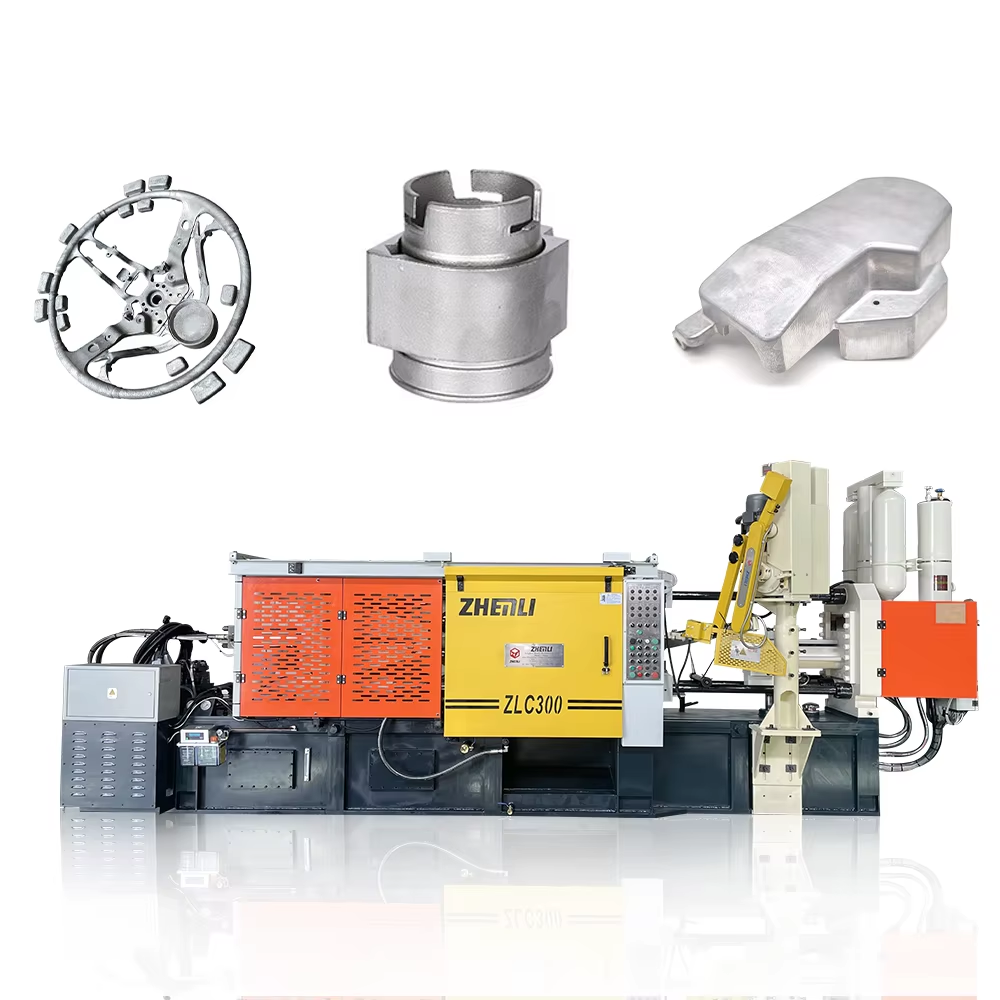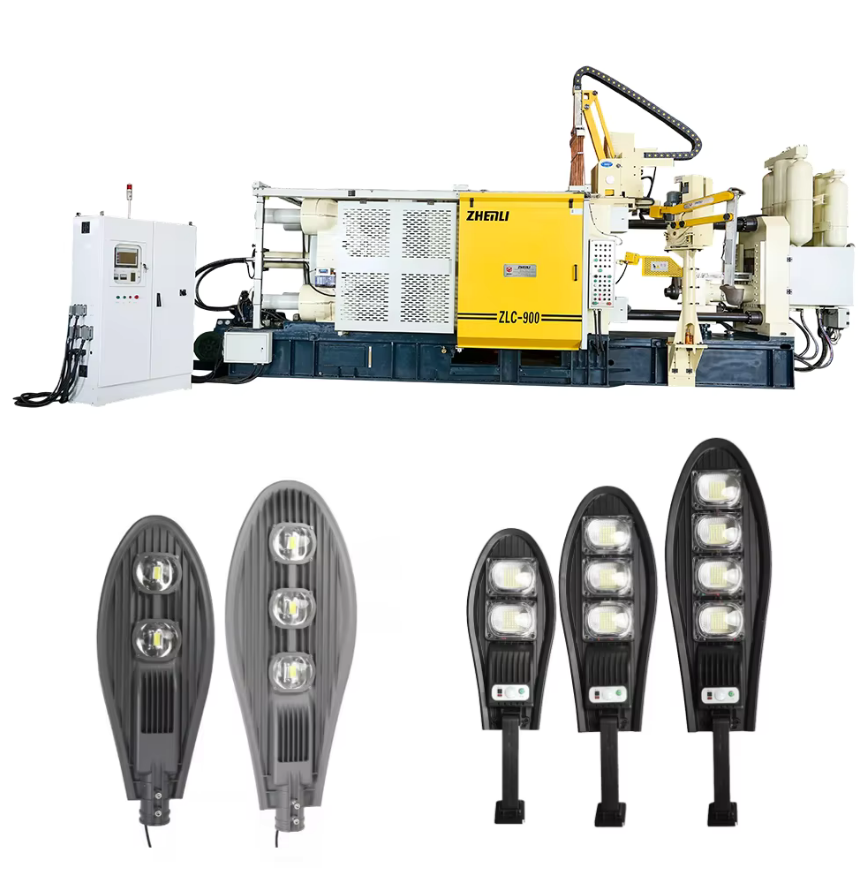
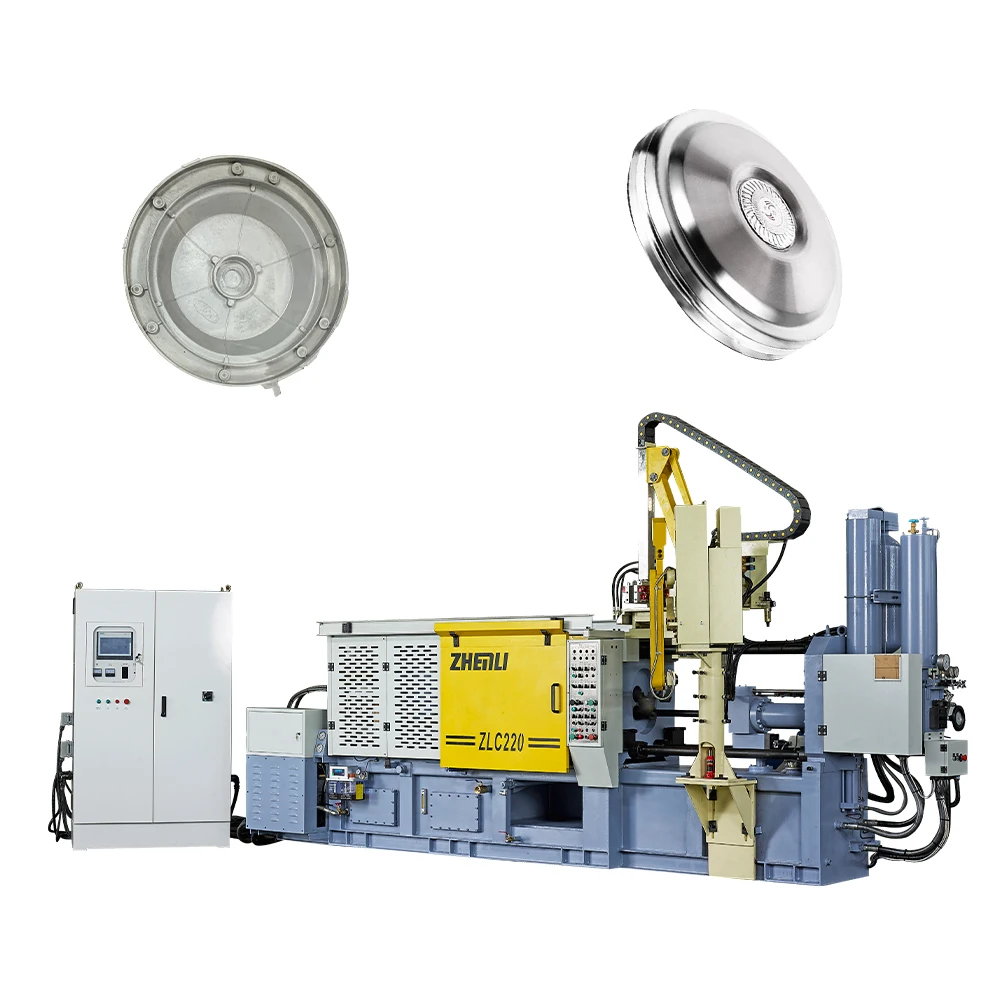
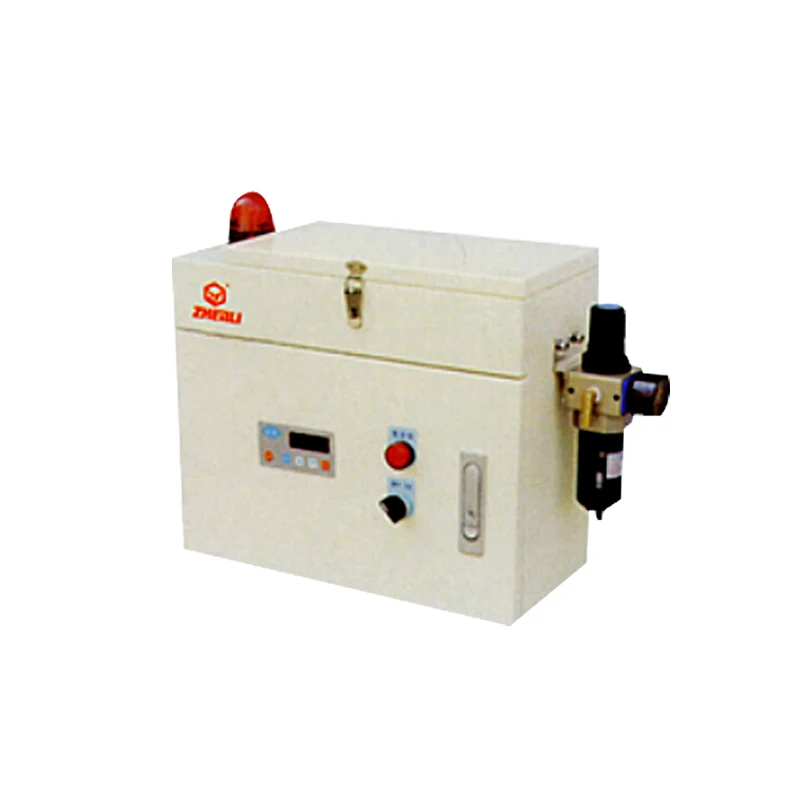
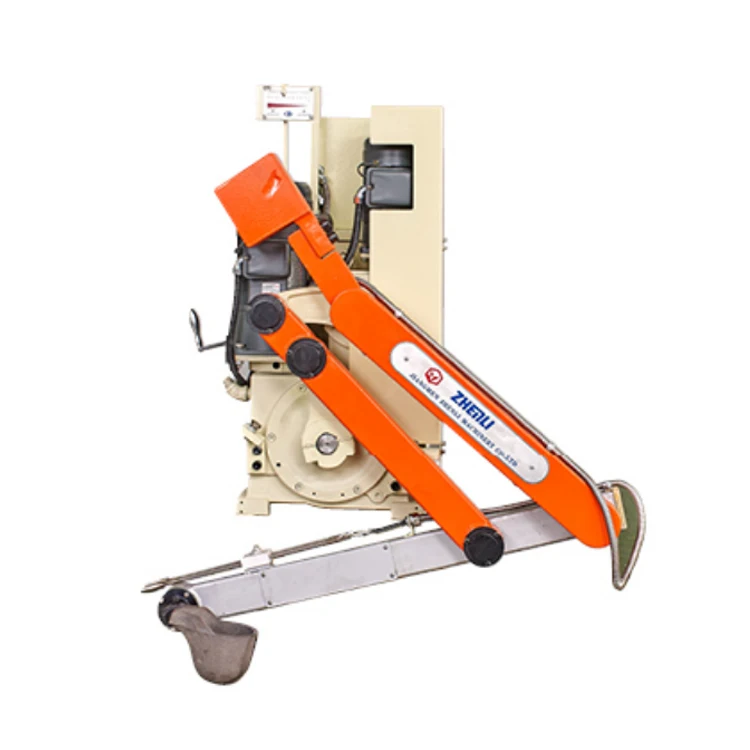
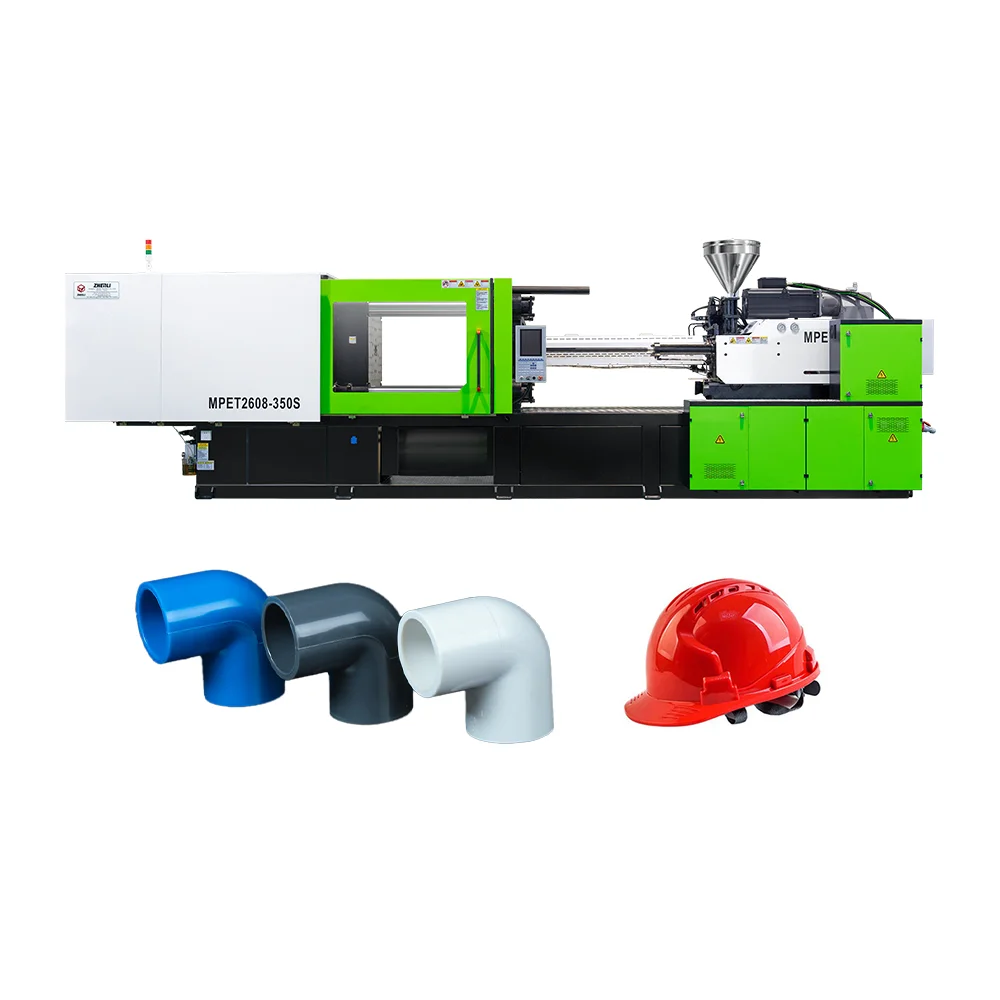
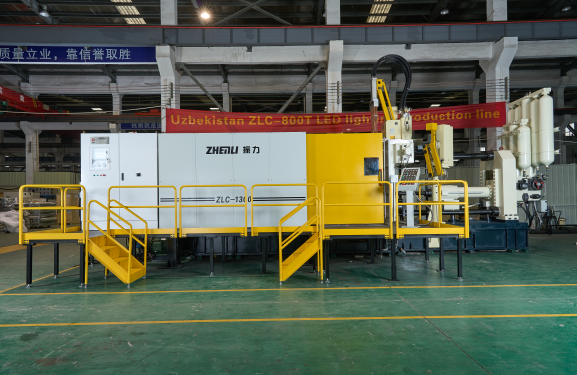
Aluminum molding machines are engineered for processing aluminum materials in molding operations, particularly in metal injection molding (MIM) or similar techniques that produce high integrity parts. These machines are built to handle the unique challenges of aluminum feedstocks, which involve fine powders mixed with binders, requiring robust components like double flighted screws and hardened nozzles to prevent wear and ensure consistent flow. The machine structure may include aluminum alloys for frames and covers to reduce weight and enhance portability, but critical sections such as the injection cylinder and mold mounts are typically steel based for durability. The MIM process for aluminum entails injection phases where temperature and pressure are carefully regulated to fill complex mold geometries, followed by debinding and sintering steps that densify the material into final parts with minimal porosity. This allows for the creation of components with tight tolerances and good mechanical properties, ideal for sectors like healthcare and telecommunications. Advanced features in modern aluminum molding machines include programmable logic controllers (PLCs) for repeatability, energy efficient heating systems, and safety interlocks to protect operators. Selection criteria focus on machine capacity (e.g., shot volume and clamp force), compatibility with aluminum powder characteristics, and total cost of ownership. As industries seek sustainable alternatives, these machines support recycling initiatives by enabling the use of recycled aluminum powders, aligning with circular economy goals and enhancing their appeal in global supply chains.